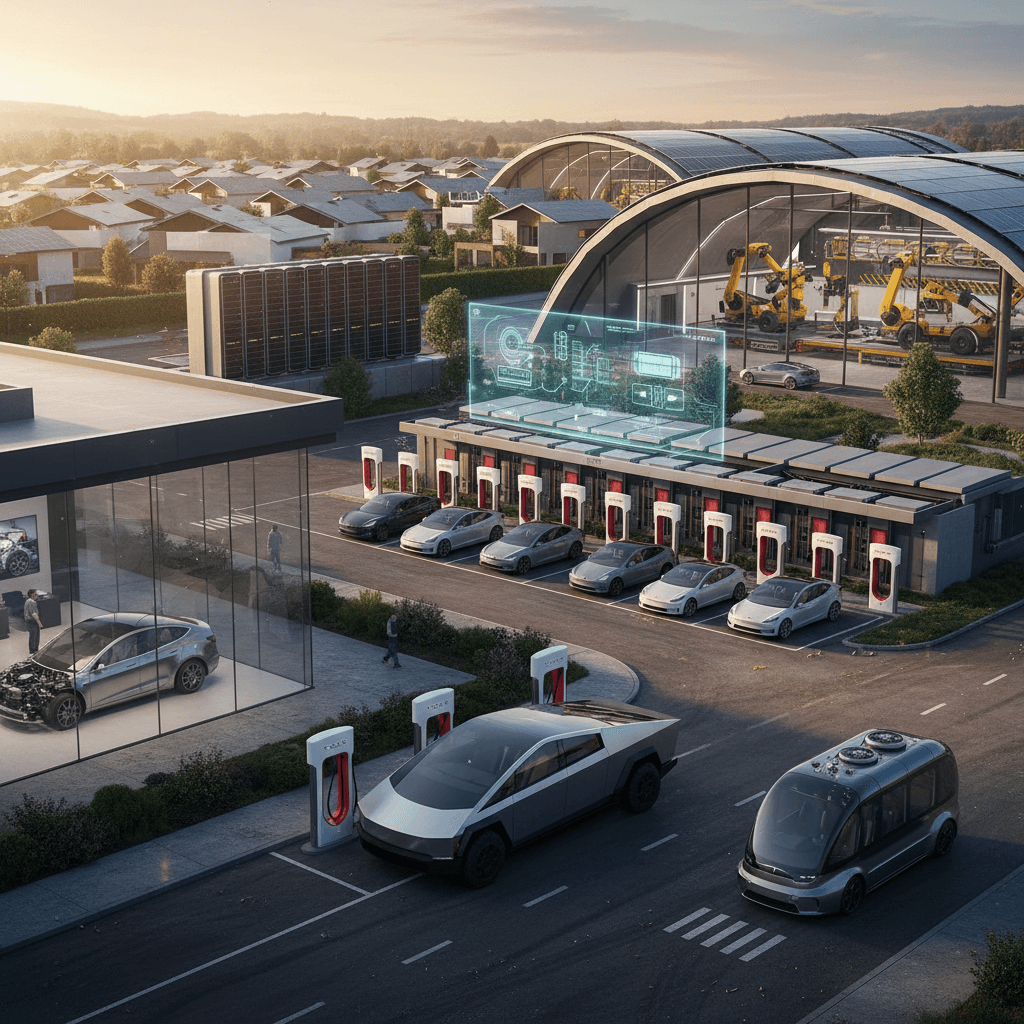
If you’ve ever wondered “what does Tesla actually do?” you’re not alone. Tesla started as an electric car maker, but by 2025 it’s also a charging company, an energy company, a software company and an autonomy startup, all inside one brand. Understanding those pieces helps you make smarter decisions as an EV owner or shopper, especially in the used market.
Short answer
Overview: What Does Tesla Actually Do?
When you strip away the hype, Tesla is a vertically integrated clean‑energy and mobility company. It makes EVs, builds the batteries that power them, sells the electrons to charge them, and is racing to automate how those vehicles drive and earn money. It also packages its battery tech into home and grid‑scale storage, and increasingly sells software subscriptions layered on top of those products.
- Automotive: Designing, building and selling electric cars and SUVs, plus related services like maintenance and trade‑ins.
- Charging: Owning and operating the global Supercharger network and home charging hardware.
- Energy: Solar panels/roofs and stationary batteries for homes, businesses and utilities.
- Software & autonomy: Driver‑assistance (FSD), in‑car apps, connectivity and a growing Robotaxi service.
- Services & experiments: Insurance in select markets, merchandising, and the new Tesla Diner tied to a large Supercharger site.
Why this matters if you’re shopping used
How Tesla Makes Money Today
Tesla’s Main Revenue Engines (2024–2025)
The headline is simple: most of Tesla’s money still comes from selling vehicles, but the company is methodically shifting more value into software, energy and services. That shift matters for you because it affects things like Supercharger pricing, software subscription costs, and the long‑term support for cars you might buy used.
Tesla as an EV Manufacturer
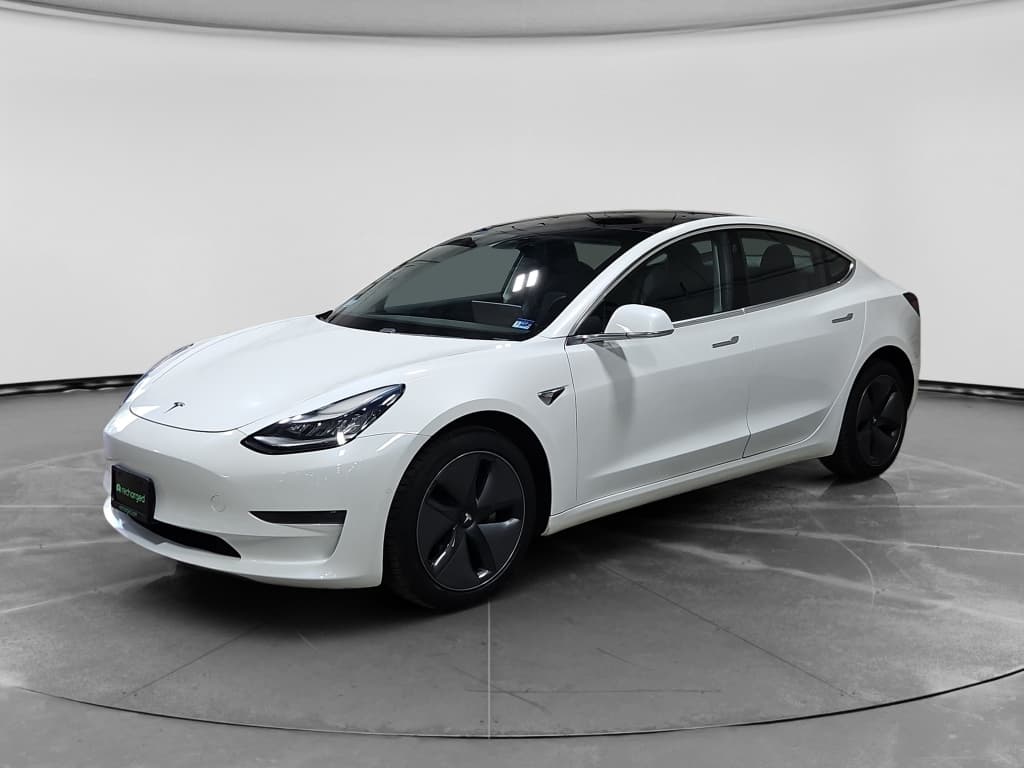
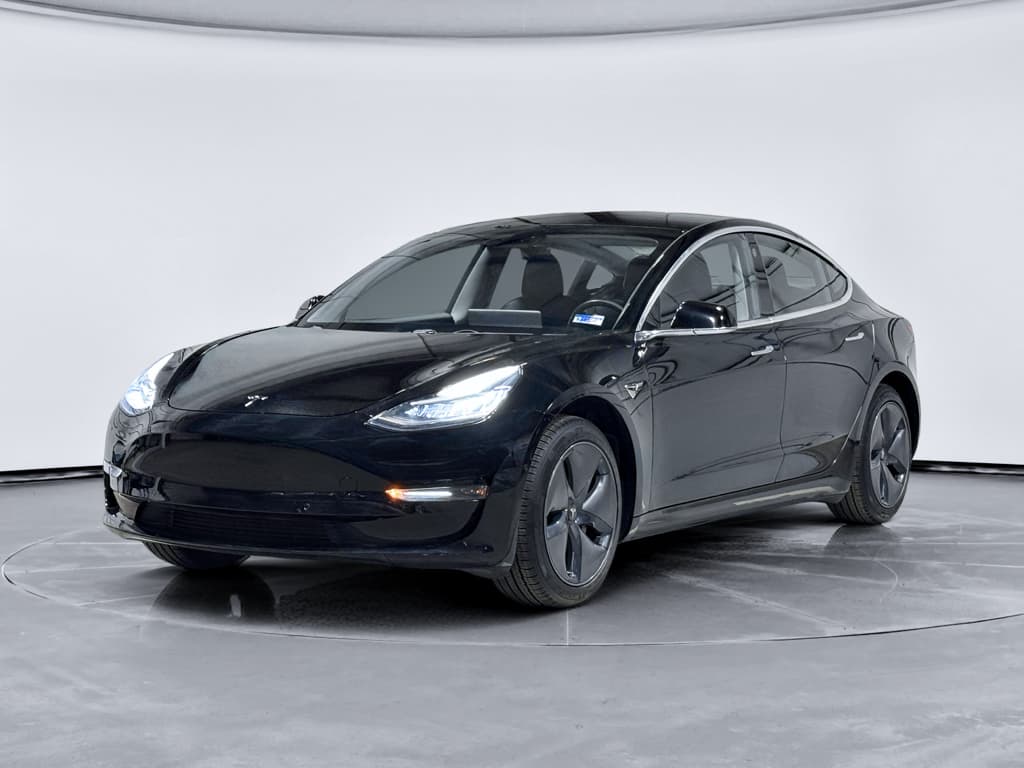
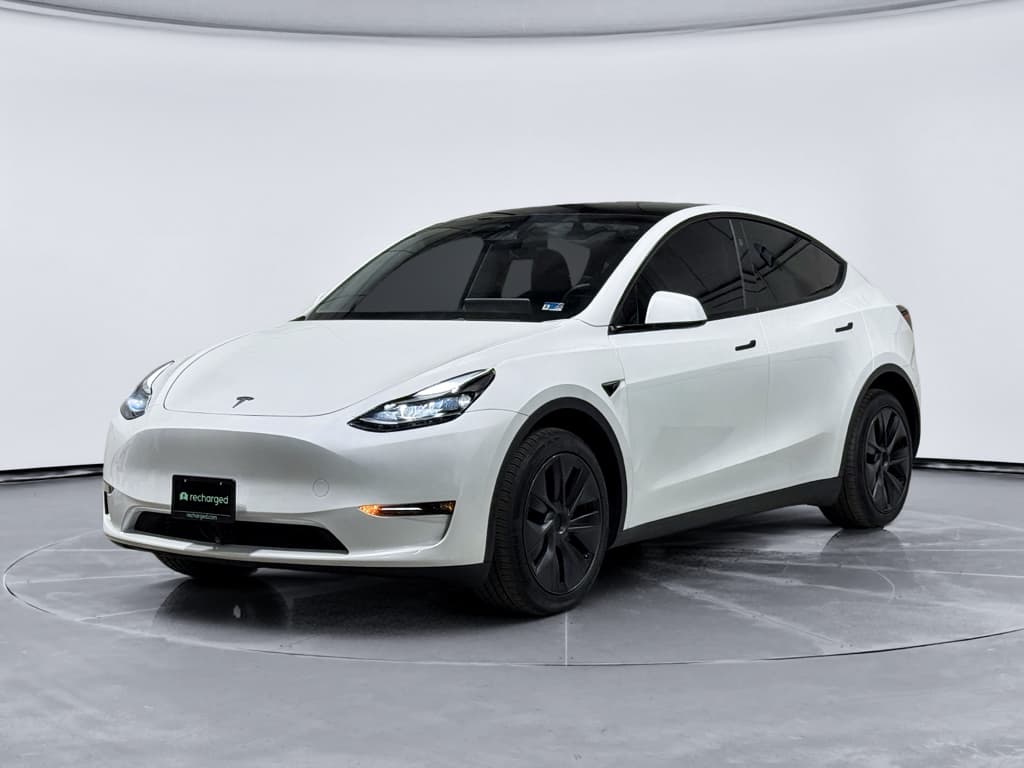
Tesla’s original and still largest business is building electric vehicles. The current passenger lineup is the Model 3 and Model S sedans, the Model Y and Model X SUVs, plus the angular Cybertruck. Behind the scenes, Tesla is also working on a next‑generation low‑cost platform (often nicknamed “Model 2” or “Model Q”) and a purpose‑built Robotaxi vehicle called the Cybercab.
How Tesla’s Vehicles Are Positioned
From mass‑market to premium and experimental
Model 3 / Model Y
Mass‑market EVs built on the same platform.
- Model 3: compact sedan
- Model Y: small crossover SUV
- Strong used‑EV demand and deep inventory
Model S / Model X
Higher‑end vehicles with more power, range and features.
- Model S: long‑range luxury sedan
- Model X: large SUV with falcon‑wing doors
- Smaller buyer pool, bigger depreciation swings
Cybertruck & Next‑Gen
Experimental and future platforms.
- Cybertruck: stainless pickup with unique design
- Cybercab & next‑gen low‑cost car in development
- Higher tech risk, potentially strong future demand
Tesla doesn’t use franchised dealers
Vertical integration
Tesla designs its own batteries, chips, software and many components, and operates Gigafactories that handle everything from casting large body sections to assembling packs. The goal is lower cost per vehicle and faster iteration, though it can create bottlenecks when a single piece of the chain falters.
High volume, high variance
As Tesla has chased volume, it has also pushed frequent running changes: new hardware revisions, different battery chemistries by region, and over‑the‑air software tweaks. For used buyers, that means two Model 3s with the same year and trim can behave differently. A Recharged Score Report helps decode those differences for you.
Software, Subscriptions and Data
If hardware is the shell, software is Tesla’s recurring‑revenue engine. Tesla vehicles ship with a robust infotainment and driver‑assistance stack that can be upgraded over time, sometimes free, sometimes as a paid subscription.
- Autopilot & Full Self‑Driving (FSD): Advanced driver‑assistance features sold either as a one‑time option or a monthly subscription. Despite the name, FSD still requires driver supervision in 2025.
- Connectivity: Premium connectivity plans add live traffic, streaming and additional features, creating ongoing subscription revenue per car.
- In‑car apps: Games, streaming video and other apps keep owners in Tesla’s ecosystem and can support new revenue streams over time.
- Data: Driving data from millions of vehicles feeds Tesla’s autonomy training and can inform product improvements and service planning.
Don’t overestimate “self‑driving”
Supercharger Network and EV Charging
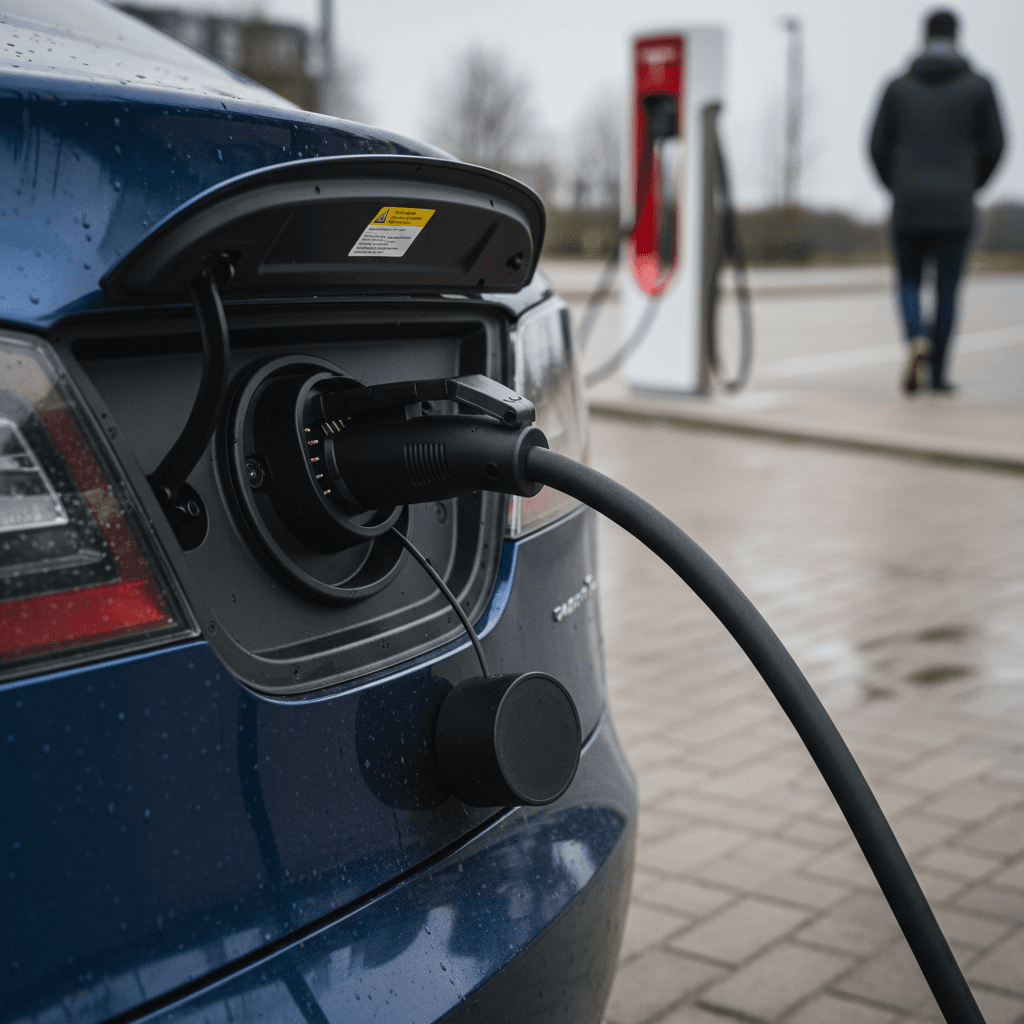
Another huge part of what Tesla does is run the Supercharger network, thousands of DC fast‑charging stalls across North America, Europe and beyond. In the U.S., Superchargers have been a major reason many EV shoppers lean toward Tesla, they’re usually reliable, easy to use and well‑located along highways and in metro areas.
Tesla’s Charging Businesses
From road trips to your garage
Supercharger network
Tesla builds, owns and operates DC fast‑charging sites.
- Increasingly open to non‑Tesla EVs via NACS
- New V4 hardware targets up to 500 kW for cars
- Revenue from charging fees and site hosts
Home & destination charging
Tesla sells home wall connectors and partners with hotels, parking garages and workplaces on slower AC "destination" chargers.
This pulls more charging revenue into Tesla’s ecosystem.
Standards & adapters
Tesla’s NACS connector is rapidly becoming the North American standard.
- Legacy Teslas used adapters for non‑Tesla stations
- Now many non‑Teslas use adapters to tap Superchargers
Magic Dock & non‑Tesla access
For used‑EV buyers, the charging landscape is shifting underfoot. More non‑Tesla brands now have Supercharger access, but at different speeds and price points. Platforms like Magic Dock‑enabled Superchargers and NACS adapters make cross‑brand charging easier but add complexity. That’s one reason Recharged’s listings highlight charging connector types and fast‑charging capabilities front‑and‑center.
Tesla Energy: Solar and Battery Storage
Beyond vehicles, Tesla runs a sizable energy business under the Tesla Energy banner. It sells rooftop solar, the solar‑integrated Solar Roof, and battery products like Powerwall for homes and Megapack for utilities and large commercial sites.
Tesla Energy’s Growing Role
Why should EV shoppers care about any of this? Because Tesla’s energy business underpins home charging economics. If you add a Powerwall and solar to your home, your EV’s "fuel" is now your roof and battery, not just the utility grid. That can change your cost of ownership and, in markets where these systems are common, can even influence resale value.
Autonomy, Robotaxi and the Cybercab
In 2025, Tesla is no longer just promising autonomy on slides, it’s running an early Robotaxi ride‑hailing service in limited U.S. cities, starting with Austin and San Francisco, with more metros on the roadmap. Rides currently use Teslas equipped with the Full Self‑Driving stack and include a safety monitor in the vehicle while regulators scrutinize performance.
- Robotaxi service: A Tesla‑operated ride‑hailing network using its own vehicles and software, now in early commercial operation with human oversight.
- Cybercab: A small, steering‑wheel‑less EV designed specifically for autonomous service. Tesla unveiled the Cybercab concept in late 2024 and targets production before 2027.
- Owner participation (future): Tesla’s long‑term vision is that owners can add their vehicles to a shared Robotaxi network and earn income when they’re not using the car. The regulatory and technical hurdles here remain significant.
Regulation is the speed limit
For shoppers, autonomy raises a practical question: should you pay extra for FSD on a used Tesla today? If you’re mainly commuting on well‑mapped highways in early Robotaxi cities, the tech might feel more valuable than if you drive rural roads far from the pilot programs. At Recharged, we encourage buyers to treat FSD like any other expensive option, pay for what you’ll use, not for a promise that may land years down the road.
Other Experiments: Insurance, Diner, Merch & More
Tesla also dabbles in a handful of side businesses that support its core mission, or at least its brand.
Smaller but Interesting Tesla Ventures
Not core revenue drivers, but strategically useful
Insurance
Tesla offers its own insurance in select states, using driving‑behavior data from the car to price policies.
It’s meant to lower costs for owners and capture more of the profit that normally goes to insurers.
Tesla Diner & experiences
In 2025, Tesla opened a retro‑futuristic Tesla Diner in Los Angeles with a drive‑in theater and dozens of V4 Superchargers.
Think brand billboard + charging hub + food and entertainment.
Merchandise & lifestyle
From apparel to wall chargers and accessories, Tesla sells branded items that reinforce its image and create small but high‑margin revenue streams.
Tesla’s retail footprint
What All This Means If You’re Buying a Used EV
So how does all of this answer your original question, what does Tesla do, in a way that helps you shop for your next car? It comes down to ecosystem risk and opportunity. Tesla’s reach across vehicles, energy, charging and software can protect value for some used EVs, but it can also make the picture more complicated for non‑Tesla models.
Key Things Used‑EV Shoppers Should Take From Tesla’s Strategy
1. Charging access is part of the product
Whether you buy a Tesla or another brand, your real product is the <strong>car plus its charging network</strong>. With more EVs tapping Tesla Superchargers, connector types and charging speeds matter just as much as paint color.
2. Battery health is your new odometer
Tesla’s energy and vehicle businesses revolve around battery tech. In the used market, <strong>independent battery diagnostics</strong>, like the Recharged Score battery health report, are crucial for understanding how much real‑world range you’re getting.
3. Software can add or subtract value
Features like FSD, premium connectivity and even simple app updates affect how a car feels to live with. Confirm which software packages are tied to the car and which require new subscriptions before you buy.
4. Don’t assume all Teslas are equal
Running changes to motors, battery chemistries and cameras mean two same‑year Teslas can be quite different. Look for detailed spec breakdowns and diagnostic reporting, not just a trim badge.
5. Non‑Tesla EVs are getting better access
As more brands adopt Tesla’s NACS connector or gain Supercharger access via adapters, the <strong>gap between Tesla and other EVs is narrowing</strong>. That opens up more compelling used‑EV options from Hyundai, Kia, Ford, GM, Rivian and others.
6. Think about future‑proofing
Autonomy, charging standards and tax incentives are all in motion. A slightly newer EV with modern charging hardware or safety features may age better than an older bargain, even if the sticker price is lower today.
How Recharged fits into this picture
Ready to find your next EV?
Browse VehiclesFAQ: Common Questions About What Tesla Does
Frequently Asked Questions About Tesla’s Business
Bottom Line: Tesla Is More Than a Car Company
When you ask “what does Tesla do?” in 2025, the answer is bigger than "build EVs." Tesla designs vehicles, runs a massive fast‑charging network, sells energy products, develops autonomy and increasingly monetizes software and services around all of that. For everyday drivers, the practical question is how those pieces affect what you pay, where you can charge and how long your car will stay relevant.
If you’re exploring a used Tesla, or any used EV, what matters most is understanding battery health, charging access and software on the specific car in front of you. That’s where Recharged comes in: with verified diagnostics, fair market pricing, EV‑specialist guidance and nationwide delivery, we make it easier to navigate Tesla’s evolving ecosystem and find the electric vehicle that fits your life today and tomorrow.