If you’re trying to figure out what cars have regenerative braking, here’s the short answer: almost every modern electric vehicle and full hybrid, plus a growing number of mild-hybrid gas cars. But the way each car uses regen, and how it feels to drive, can be very different, and that matters when you’re deciding which EV or hybrid to buy, especially used.
Quick takeaway
What is regenerative braking, really?
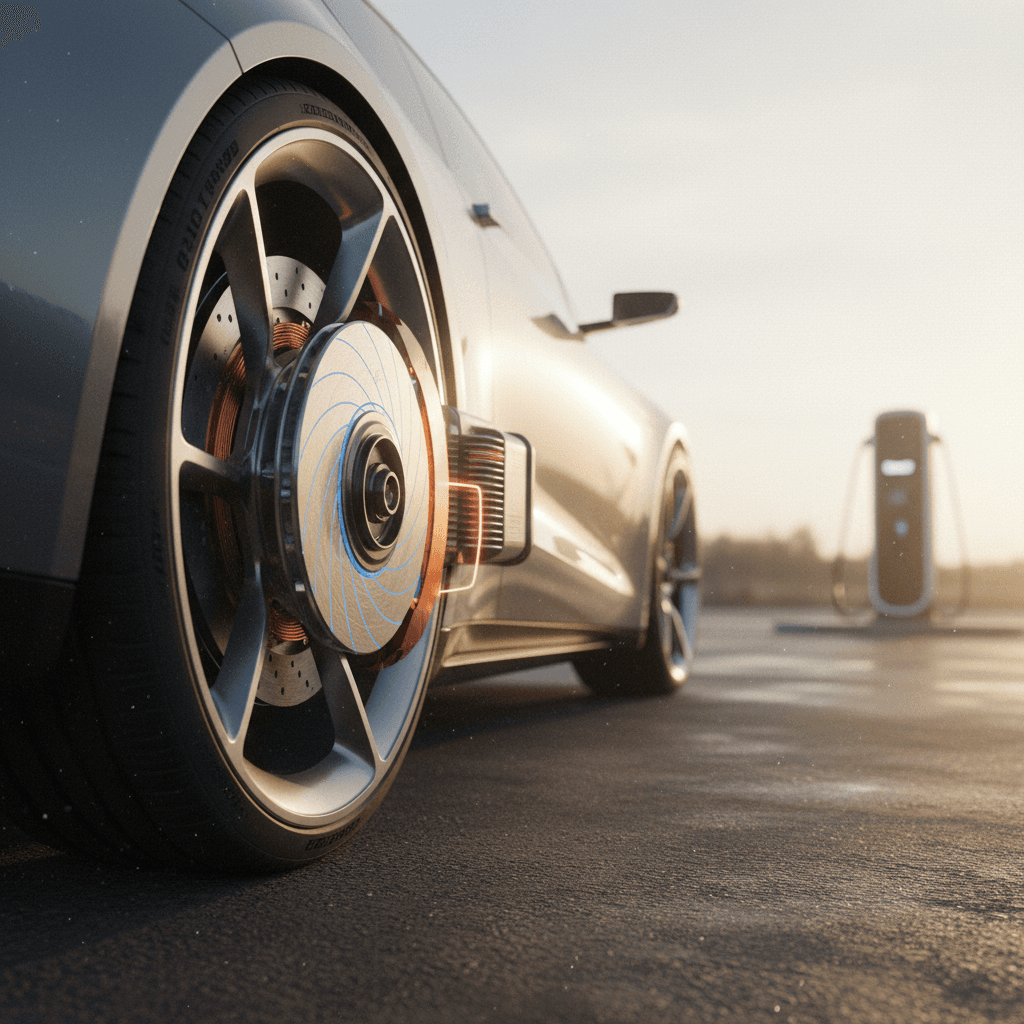
In a conventional gas car, pressing the brake pedal turns your car’s kinetic energy into heat. The pads squeeze the rotors, the car slows, and all that hard-earned motion is simply wasted. Regenerative braking flips that script. When you lift off the accelerator in an EV or hybrid, the electric motor switches roles and acts like a generator, using the spinning wheels to produce electricity and send it back into the battery instead of dumping it as heat.
- You lift off the accelerator or press the brake pedal.
- The electric motor switches into generator mode.
- Resistance from the motor helps slow the car.
- Electricity flows back into the battery, adding a bit of charge.
- Friction brakes step in only when you need stronger or emergency stopping.
How much energy does it really save?
Which cars have regenerative braking today?
Where you’ll find regenerative braking in 2025
Instead of memorizing a giant list, it’s easier to think in categories. If you’re looking at any recent EV or hybrid, assume it has regen and then dig into how adjustable it is and whether it offers features like one‑pedal driving.
Regenerative braking by powertrain type
Use this as a quick rule-of-thumb when you’re car shopping.
Battery-electric (EV)
Examples: Tesla Model 3/Y, Hyundai Ioniq 5, Kia EV6, Ford F‑150 Lightning, Chevy Blazer EV, BMW i4, Mercedes EQE.
Regen? Yes, always. Core to how these cars slow down and extend range.
Hybrids & Plug-in Hybrids
Examples: Toyota Prius, RAV4 Hybrid/Prime, Honda CR‑V Hybrid, Hyundai Tucson/Kona Hybrid, Kia Niro/ Sorento Hybrid, Jeep 4xe models.
Regen? Yes. Used to recharge the hybrid battery and assist the engine.
Mild-hybrid gas cars
Examples: Many newer models with “MHEV” or “48‑V” badges from Audi, BMW, Mercedes, Ram, and others.
Regen? Yes, but typically subtle, used for stop‑start and a small electric boost, not full EV driving.
Electric cars with regenerative braking
If it runs only on electricity and has a modern lithium‑ion pack, it almost certainly has regenerative braking. The real differences are: how strong it feels, whether you can adjust it, and whether the car supports one‑pedal driving.
Popular EVs and how their regen works
This isn’t every EV on the market, but it covers many of the models you’re most likely to see on the used market in the U.S.
| Model family | Typical years with regen | Adjustable levels | One‑pedal driving available? |
|---|---|---|---|
| Tesla Model 3 / Model Y | All model years | Limited user adjustment in newer cars; software-managed | Yes, strong lift‑off regen enables near one‑pedal |
| Tesla Model S / Model X | All modern EV years | Software‑managed; early cars had user settings | Yes |
| Nissan Leaf | All generations | Multiple regen modes (incl. “B” and e‑Pedal) | Yes, e‑Pedal in newer years |
| Chevy Bolt EV / EUV | All years | Regen paddle + drive modes | Yes, via strong “L” mode and paddle |
| Hyundai Ioniq 5 / 6 | All years | Paddle‑selectable levels plus auto mode | Yes, i‑Pedal mode |
| Kia EV6 / EV9 | All years | Paddle‑selectable levels plus auto mode | Yes, i‑Pedal mode |
| Ford Mustang Mach‑E | All years | Drive modes adjust regen feel | Yes, one‑pedal option in settings |
| Ford F‑150 Lightning | All years | Drive modes + selectable one‑pedal | Yes |
| Volkswagen ID.4 / ID.7 | All years | D vs B modes adjust regen | Strong lift‑off regen; one‑pedal feel depends on market/software |
| BMW i4 / iX / i5 | Recent EVs | Adaptive regen + selectable modes | Lift‑off regen is strong; not always full one‑pedal to a stop |
| Mercedes EQE / EQS | Recent EVs | Multiple paddle‑selectable levels | Can be tuned near one‑pedal, varies by mode |
| Lexus RZ / Toyota bZ4X / Subaru Solterra | All years | Multiple levels; some models allow up to 4 settings | Strong regen, not always full one‑pedal to 0 mph |
Always double‑check the specific model year and trim; carmakers tweak regen behavior over time.
Software matters
Hybrids and plug-in hybrids with regen
Full hybrids and plug‑in hybrids use regenerative braking to keep their smaller high‑voltage batteries charged. You don’t usually see dramatic range gains like you would in a full EV, but regen lets the car spend more time in electric mode and less time burning fuel.
Common hybrids and PHEVs that use regenerative braking
If the badge says “Hybrid” or “Plug‑In Hybrid,” assume regen is part of the package.
Toyota & Lexus
- Toyota: Prius, Corolla Hybrid, Camry Hybrid, RAV4 Hybrid & Prime, Highlander Hybrid, Sienna, Venza.
- Lexus: NX, RX, ES, and other hybrid trims.
- All use regen to feed the hybrid battery.
Hyundai, Kia & Others
- Hyundai: Elantra, Sonata, Tucson, Santa Fe hybrids & plug‑ins.
- Kia: Niro, Sportage, Sorento hybrids & plug‑ins.
- Honda: Accord Hybrid, CR‑V Hybrid, Civic Hybrid (newer models).
American brands
- Ford: Escape Hybrid, Maverick Hybrid, F‑150 PowerBoost, Explorer Hybrid, plug‑in models.
- Jeep: Wrangler 4xe, Grand Cherokee 4xe PHEVs.
- GM: Newer Ultium‑based plug‑ins as they arrive.
European & luxury
- Volvo: T8 plug‑in hybrids and EVs use regen (with software updates addressing a 2025 braking recall in some models).
- BMW, Mercedes, Audi: Broad ranges of PHEVs with regen.
What regen feels like in a hybrid
Do any gas cars have regenerative braking?
Yes, just not in the dramatic, one‑pedal way you get in a full EV. A growing number of traditional gas cars use small electric motors and 48‑volt mild‑hybrid systems that harvest some braking energy. Instead of driving the wheels on their own, these systems support start‑stop, smooth out acceleration, and power accessories.
- Many recent Audi, BMW, Mercedes‑Benz, and Volvo models with “MHEV” badges.
- Ram 1500 and some other trucks with eTorque‑style assist systems.
- Various compact SUVs and crossovers in Europe and Asia that pair small turbo gas engines with 48‑volt mild‑hybrid tech.
How to spot mild‑hybrid regen
Driving modes: regen levels and one-pedal driving
Once you know a car has regenerative braking, the next question is how much control you have over it. This is where drive modes, paddles, and “B” or “L” positions on the shifter come in.
Adjustable regen levels
Many EVs and some plug‑in hybrids let you choose how strong regen feels when you lift off the accelerator:
- Paddles behind the wheel (Hyundai Ioniq 5/6, Kia EV6/EV9, some GM EVs).
- Drive modes like Eco/Normal/Sport adjusting regen automatically.
- Shifter modes like D vs B, or D vs L (Volkswagen ID, Chevy Bolt).
Higher levels give stronger deceleration and more energy recovery; lower levels feel more like a traditional gas car coasting.
One-pedal driving
Some EVs go further and let regen slow the car almost to a complete stop when you simply lift off the accelerator:
- Often called “one‑pedal,” “i‑Pedal,” or just “strong regen.”
- Seen in cars like Tesla models, Nissan Leaf (e‑Pedal), Chevy Bolt, Ford Mach‑E, and many Hyundai/Kia EVs.
- Great in traffic and around town, less brake‑pedal work, more recovered energy.
You can always still use the brake pedal; one‑pedal driving is a mode choice, not a requirement.
Know your menus
Benefits and limitations of regenerative braking
Regenerative braking isn’t magic, but it is one of the quiet superpowers of electrified cars. It stretches range, saves your brake pads, and can make stop‑and‑go traffic noticeably easier to live with.
Regen: what it’s great at, and what it isn’t
Use this to set realistic expectations before you buy.
Big benefits
- More range or better mpg: Recovers energy you’d otherwise waste as heat.
- Less brake wear: Pads and rotors can last far longer than on a comparable gas car.
- Smoother driving: Many drivers love the rhythm of one‑pedal driving.
- Less brake dust: Good for wheels, and better for local air quality.
Real limitations
- Not a free charger: You can’t regen your way out of an empty battery.
- Less useful at highway speeds: It shines most in city and downhill driving.
- Full battery = less regen: If the pack is at 100%, the car may reduce or disable regen temporarily.
- Feel takes adjustment: Strong lift‑off slowing can surprise new EV drivers at first.
What to look for when you’re shopping
When you’re cross‑shopping EVs and hybrids, especially used ones, regenerative braking should be on your checklist, but not in a "does it have it?" way. Instead, ask how it works, how it feels, and how it fits into your daily driving.
Regenerative braking checklist for test drives
1. Confirm it’s an EV, hybrid, or mild hybrid
If you’re looking at a fully electric car, a traditional hybrid, or a plug‑in hybrid, you can safely assume it has regen. For mild hybrids, look for 48‑V or MHEV badging.
2. Try different drive modes
On your test drive, cycle through Eco/Normal/Sport, D vs B/L, and any “regen level” settings. Notice how the car slows when you lift off the accelerator in each mode.
3. Look for one-pedal options
If you do a lot of city driving, see whether the car supports one‑pedal or near one‑pedal driving. It can make traffic and parking‑lot crawling much less tiring.
4. Watch the energy flow display
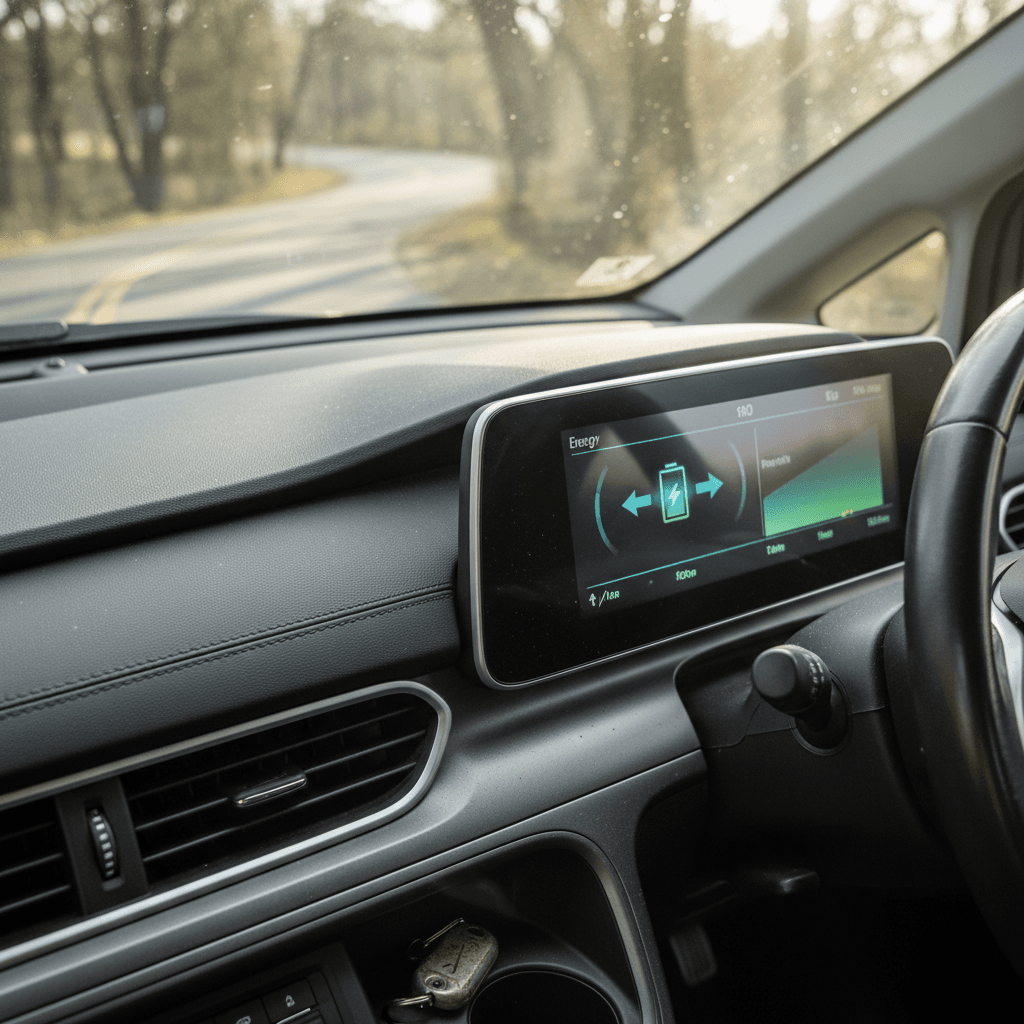
Most EVs and many hybrids have a screen showing power flowing to or from the battery. Use it to see when regen is actually working during coasting and braking.
5. Ask about software updates and recalls
For used vehicles, ask whether the car has the latest brake and regen software. Some brands have issued updates or recalls specifically related to regenerative systems.
6. Factor in your terrain and commute
If you mainly drive highway miles on flat ground, regen will help but won’t be life‑changing. In hilly areas or city traffic, the benefits are much bigger.
How Recharged fits in
Ready to find your next EV?
Browse VehiclesHow regen affects battery and brake life
Regen sits right at the intersection of two big long‑term questions: How long will the battery last, and how often will I need brakes? The good news is that, used properly, regenerative braking is generally kind to both.
Impact on the battery
- Gentle charging: Regen replenishes the pack in small sips, not giant gulps like DC fast‑charging.
- Thermal management: Modern EVs manage battery temperature during regen to protect long‑term health.
- Limits at high state-of-charge: When the battery is nearly full, the car may reduce regen to avoid overcharging, so lift‑off slowing can feel weaker until you burn off a bit of energy.
On a healthy pack, regen is just another normal part of the daily charge‑and‑discharge cycle.
Impact on brake hardware
- Less wear: Because the motor is doing much of the slowing, pads and rotors often last far longer than on gas cars.
- Lower maintenance costs: Fewer brake jobs over the life of the car means more money for road trips, or your next EV.
- But don’t ignore them: You still need periodic inspections to catch rust, stuck calipers, or worn components.
Many EV owners go 60,000–100,000 miles before their first brake service, depending on climate and driving style.
Safety first
FAQ: Cars with regenerative braking
Frequently asked questions about regenerative braking
Bottom line: Don’t overthink it, but do use it
When you ask, “What cars have regenerative braking?” the real answer, in 2025, is: almost every electrified car you’re likely to see, from pure EVs to everyday hybrids and even many mild‑hybrid gas models. The more useful questions are how adjustable it is, whether you like the feel of one‑pedal driving, and how well the system matches the way you actually drive.
If you’re shopping for a used EV, don’t be shy about experimenting with regen levels on your test drive and watching the energy‑flow screens. That’s where you’ll feel the technology earning its keep, one stoplight at a time. And if you want help picking the right car, and understanding what its regen can and can’t do for your range, Recharged is built to make that choice simple, transparent, and a little bit fun.