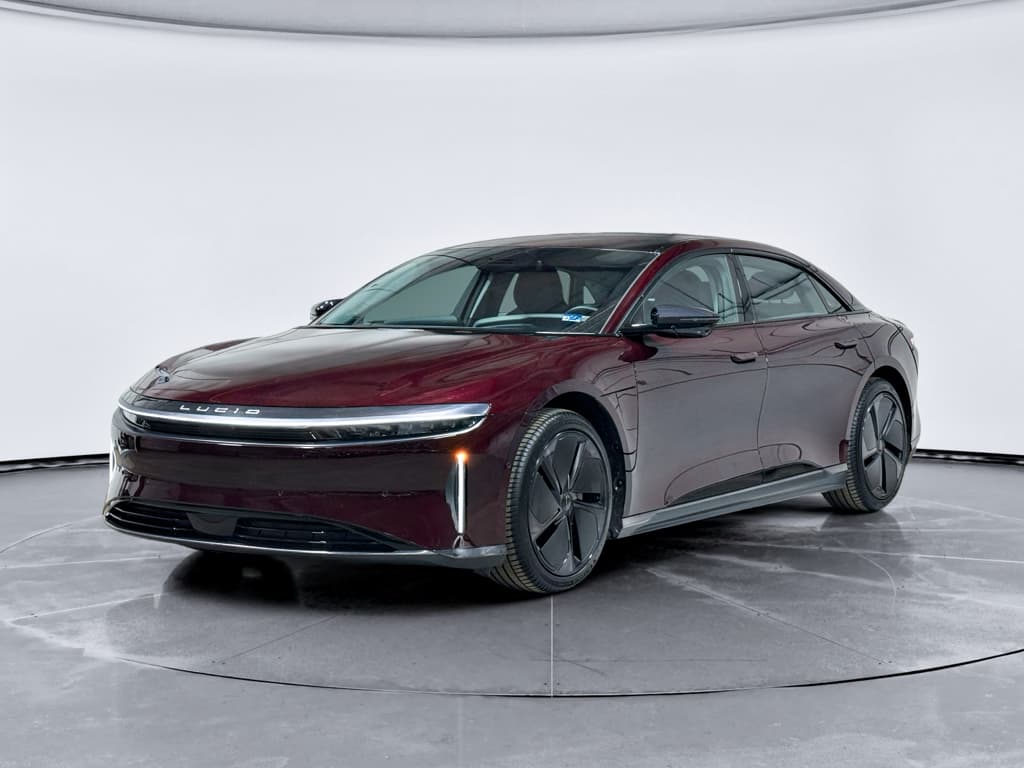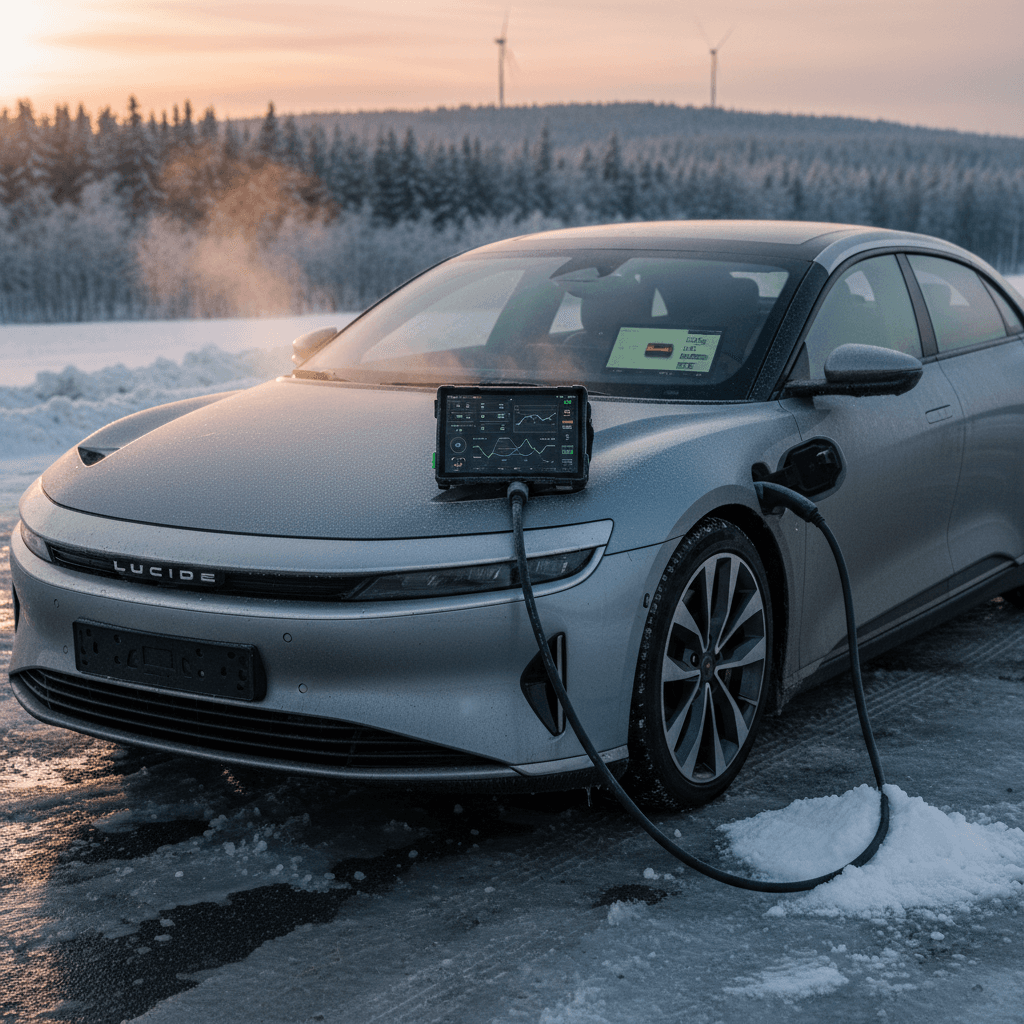
If you live where the thermometer spends months below freezing, you’re right to wonder about Lucid Air winter range loss percentage. On paper, the Air is a range monster, but cold weather can knock a surprising chunk off those EPA numbers. The good news: the Lucid Air tends to handle winter better than many EVs, and you have more range to “give up” before it actually limits your life.
Quick answer
Lucid Air winter range loss at a glance
Lucid Air winter range: ballpark numbers
Those are broad, real-world ranges, not lab numbers. The exact Lucid Air winter range loss percentage you’ll see depends heavily on temperature, trip length, driving speed, wheel/tire choice, and how you use the climate controls. Before we dig into Lucid-specific behavior, it helps to understand why every EV takes a hit in the cold.
Why every EV, including the Lucid Air, loses range in winter
1. The battery itself hates the cold
EV batteries are most efficient when they’re comfortably warm. In cold weather, the chemical reactions inside the pack slow down. That means:
- Higher internal resistance, so more energy is lost as heat.
- Reduced usable power until the pack warms up.
- Higher consumption during the first 15–30 minutes of driving.
The Lucid Air has sophisticated thermal management to warm and cool its pack, but physics still wins the first few miles on a cold morning.
2. Heating the cabin is energy-hungry
Unlike gas cars that get “free” cabin heat from waste engine heat, EVs must pull power from the battery to warm the interior.
- Resistive heaters and heat pumps draw noticeable energy, especially at startup.
- Defrost and rear defroster add to the load.
- Short trips are worst, because you pay that high startup cost over and over.
On long drives, this overhead is spread across more miles, which is one reason highway winter range doesn’t fall off a cliff as badly as stop-and-go short hops.
Don’t forget winter tires and slush
Real-world Lucid Air winter range loss percentages
Lucid doesn’t publish an official “winter range” rating, so we rely on owner reports, independent testing, and what we know from similar long-range EVs. The Lucid Air’s high efficiency and big pack help it perform better than most when it’s cold, but it’s not immune.
Estimated Lucid Air winter range loss by scenario
Approximate percentage loss vs. EPA rated range for various real-world winter conditions. These are directional, not guarantees.
| Scenario | Temperature | Driving Type | Estimated Winter Range Loss | Example Experience |
|---|---|---|---|---|
| Mild winter commute | 35–45°F | Mixed city/highway, 20–40 mi/day | 10–15% | Battery warms quickly, cabin heat modest, range drop is noticeable but not disruptive. |
| Typical cold day | 25–35°F | Mixed city/highway, 30–60 mi/day | 15–25% | Energy use rises, especially on first drive of the day; still plenty of range for daily use. |
| Deep-freeze highway trip | 5–25°F | Mostly highway, 60–200 mi segments | 20–30% | High speed + dense cold air + constant heat; you’ll stop a bit more often than in summer. |
| Short-stop city errands | 0–25°F | Short 3–10 mi trips, frequent stops | 25–40% | Pack never fully warms, heater cycles repeatedly; this is where owners report the biggest percentage drop. |
| Wet snow & headwinds | 20–32°F | Highway, slush on road, winter tires | 25–35% | Rolling resistance and wind can stack on top of normal cold-weather losses. |
Use these as planning guardrails, not promises, your results will vary based on driving style and conditions.
If you’re coming from a gas car, a 25% hit might sound dramatic. In practice, a Lucid Air with a 400–500+ mile EPA rating still leaves you with a very usable winter range. The difference is that you’ll want to plan charging stops more carefully on long trips and pay closer attention to your energy graph.
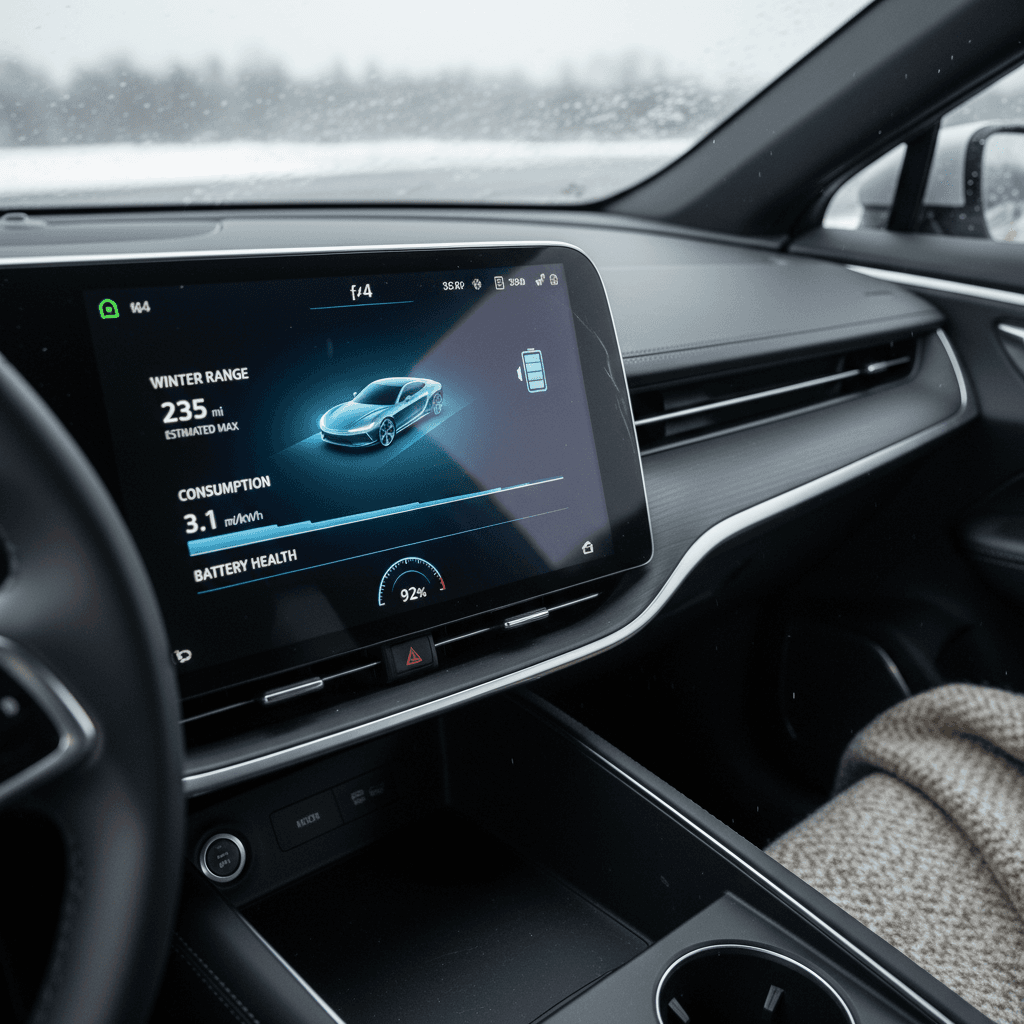
City vs. highway: How winter affects Lucid Air differently
How winter hurts city vs. highway range in a Lucid Air
Cold weather doesn’t treat all driving the same, trip length is as important as temperature.
Short city trips in winter
If most of your drives are under 10 miles in cold weather, you’ll see the highest winter range loss percentage. Why?
- The battery never fully warms up.
- The car has to heat the cabin from cold over and over.
- Stop-and-go driving uses more energy per mile when everything is cold.
It’s not uncommon for city-focused Lucid owners in very cold climates to report 30%+ loss on these short-trip days, even when their road-trip range looks much better.
Long highway drives in winter
On the highway, the Lucid Air can settle into a more efficient winter rhythm:
- The battery and cabin both reach steady temperatures.
- That initial heating overhead gets spread over many miles.
- Lucid’s aerodynamic shape shines at steady speeds.
You’re still fighting cold air density, wind, and rolling resistance, so 20–30% loss is normal in deep winter, but the percentage hit is often smaller than what you’ll see on short trips.
Pro tip for winter commuters
Winter range loss vs. permanent battery degradation
One of the biggest misconceptions, especially if you’re shopping for a used Lucid Air, is that winter range loss means the battery is worn out. In most cases, it doesn’t. Cold-weather loss and long-term battery health are related, but not the same thing.
Winter loss: seasonal, temporary
- Caused by temperature, heater use, tire choice, and road conditions.
- Disappears as weather warms and you change driving patterns.
- Can vary day-to-day on the same car with the same battery health.
If your Lucid suddenly "loses range" every November and magically gains it back in April, that’s winter at work, not necessarily battery degradation.
Degradation: slow, long-term change
- Happens over years and tens of thousands of miles.
- Related to fast charging habits, high SOC storage, and extreme temperatures.
- A healthy Lucid Air should lose capacity gradually, not suddenly.
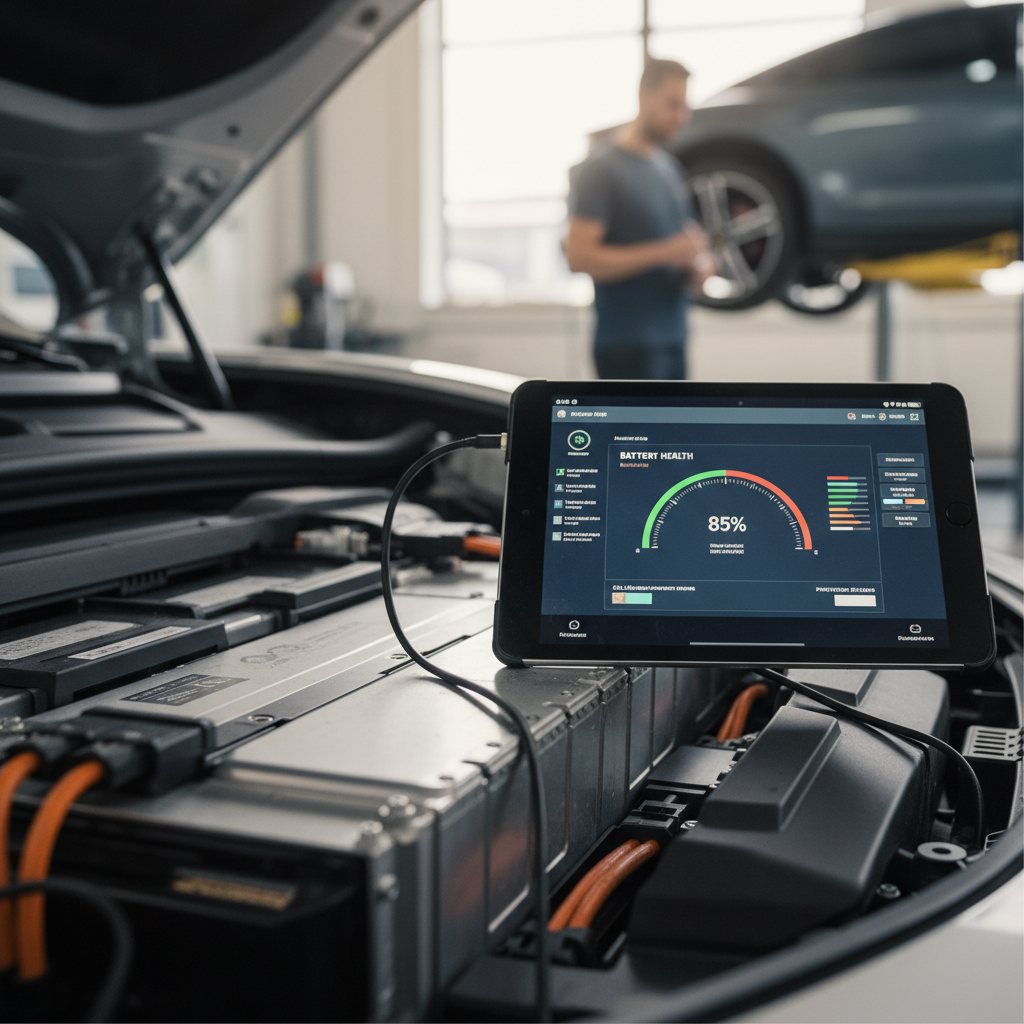
This is where tools like the Recharged Score battery health diagnostics matter. When you buy a used EV through Recharged, you get a verified look at real battery condition, separate from seasonal winter behavior.
How Recharged helps on used Lucid Airs
Ready to find your next EV?
Browse VehiclesPractical ways to cut Lucid Air winter range loss
You can’t negotiate with the laws of physics, but you can stack the deck in your favor. The Lucid Air already gives you an efficiency head start with its slippery shape and efficient drivetrain. Use the tips below to keep your winter range loss percentage in check.
Six practical habits to improve Lucid Air winter range
1. Precondition while plugged in
Use the Lucid app or in-car scheduling to warm the cabin and, when conditions trigger it, the battery <strong>before</strong> you leave. Doing this while plugged in means more of your battery energy goes to driving, not warming up.
2. Favor seat and steering-wheel heaters
Seat and wheel heaters use far less energy than blasting hot air. Set the cabin temperature a few degrees lower and let the surfaces keep you comfortable, it can noticeably reduce consumption on longer drives.
3. Use Eco or efficient drive modes
If your Lucid Air trim offers an energy-optimized mode, use it in winter. Softer throttle mapping and gentler power delivery help keep consumption predictable, especially in slippery conditions.
4. Mind your speed
Above about 65–70 mph, aerodynamic drag takes off, and cold dense air makes it worse. Even a small reduction in cruising speed, say from 75 mph to 68 mph, can claw back a meaningful slice of winter range.
5. Choose tires wisely
Dedicated winter tires are often necessary for safety, but they can raise rolling resistance. Run proper pressures, avoid aggressive off-season tread, and choose efficiency-focused winter tires when possible.
6. Avoid unnecessary rooftop cargo
Roof boxes and racks are range killers year-round, and the penalty is amplified in winter highway driving. If you can, remove them when you’re not on a specific trip.
Safety before efficiency
Planning winter road trips in a Lucid Air
With its huge battery and fast charging, a Lucid Air is one of the best EVs you can choose for winter road trips. But you do need to plan a little differently in January than you would in June.
- Assume a conservative winter range. If your trim is rated around 410–500+ miles, plan legs around 275–350 miles in deep winter, then adjust based on what you see on the energy screen.
- Aim to arrive at DC fast chargers with 10–20% state of charge (SOC). That’s where you’ll see the highest charging power, especially if the pack is already warm from driving.
- Build a buffer for storms and headwinds. If your energy graph starts climbing in bad weather, shorten your next leg instead of trying to stick to a summer plan.
- Use the car’s built-in navigation and third-party apps. Lucid’s route planning plus tools like A Better Routeplanner (ABRP) or PlugShare make it easier to sanity-check winter assumptions.
- Precondition before fast charging when possible. A warm battery charges faster; navigation to the charger often triggers this automatically on modern EVs.
- Schedule longer breaks at critical chargers. In brutal cold, spending an extra 5–10 minutes at a high-power charger can save you from white-knuckle hypermiling on the next leg.
Think in time, not just miles
Used Lucid Air checklist: Winter range and battery health
Shopping for a used Lucid Air and worried about winter range? You’re not alone. Because these cars are still relatively new and sophisticated, it pays to approach the battery and range story with structure, not guesswork.
Key winter range questions to ask about a used Lucid Air
1. How was the car used in winter?
Ask the seller whether it lived in a harsh climate and how they typically drove it (short trips vs. long highway drives). Short, cold-city usage can show scary winter efficiency numbers that don’t reflect long-trip behavior.
2. What does recent winter consumption look like?
Have the seller share photos or screenshots of the Lucid’s energy and trip screens from cold days, both city and highway. You’re looking for patterns, not perfection.
3. Has the car’s range changed over time?
A slow, modest decline is normal. A sudden large drop that doesn’t track with winter onset could signal a problem worth investigating further.
4. How often was it DC fast charged?
Frequent high-power fast charging can accelerate long-term degradation. It’s not a dealbreaker, but it should factor into price and expectations, especially if you plan lots of winter road trips.
5. Was the car stored fully charged?
Regularly leaving an EV at 100% SOC for long periods isn’t ideal for battery health. Occasional full charges for trips are fine; it’s the day-after-day high-SOC storage that can add up over years.
6. Is there an independent battery health report?
When you buy through <strong>Recharged</strong>, every Lucid Air comes with a <strong>Recharged Score Report</strong> that includes verified battery diagnostics. It’s the cleanest way to separate normal winter range swings from true capacity loss, and to make sure the price matches the car’s real health.
FAQ: Lucid Air winter range loss percentage
Frequently asked questions about Lucid Air winter range
Bottom line: Is Lucid Air winter range loss a dealbreaker?
If you’re worried that Lucid Air winter range loss percentage will turn this luxury EV into a garage queen for half the year, you can relax. Yes, you’ll see a meaningful hit, especially on the coldest days and shortest trips, but the Air starts with so much range and efficiency that it remains one of the most winter-capable EVs you can buy. With smart habits like preconditioning, modest speeds, and realistic trip planning, most owners find winter driving to be a minor adjustment, not a constant headache.
And if you’re considering a used Lucid Air, the key is separating normal seasonal behavior from actual battery wear. That’s exactly what the Recharged Score Report is built for: verified battery diagnostics, transparent pricing, and EV-specialist support from first question to final delivery. Winter is just one chapter in your Lucid story, make sure the car you buy is ready for all of them.