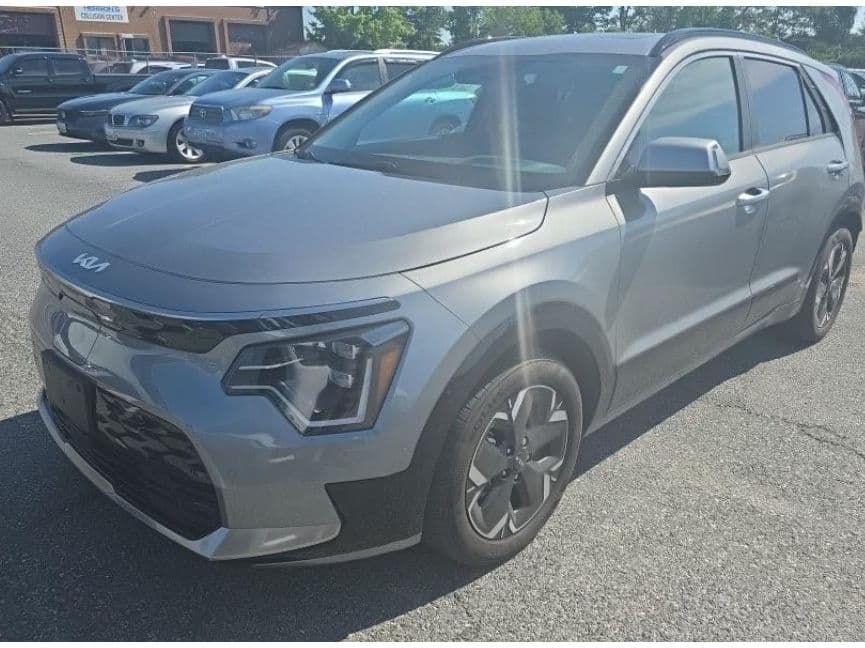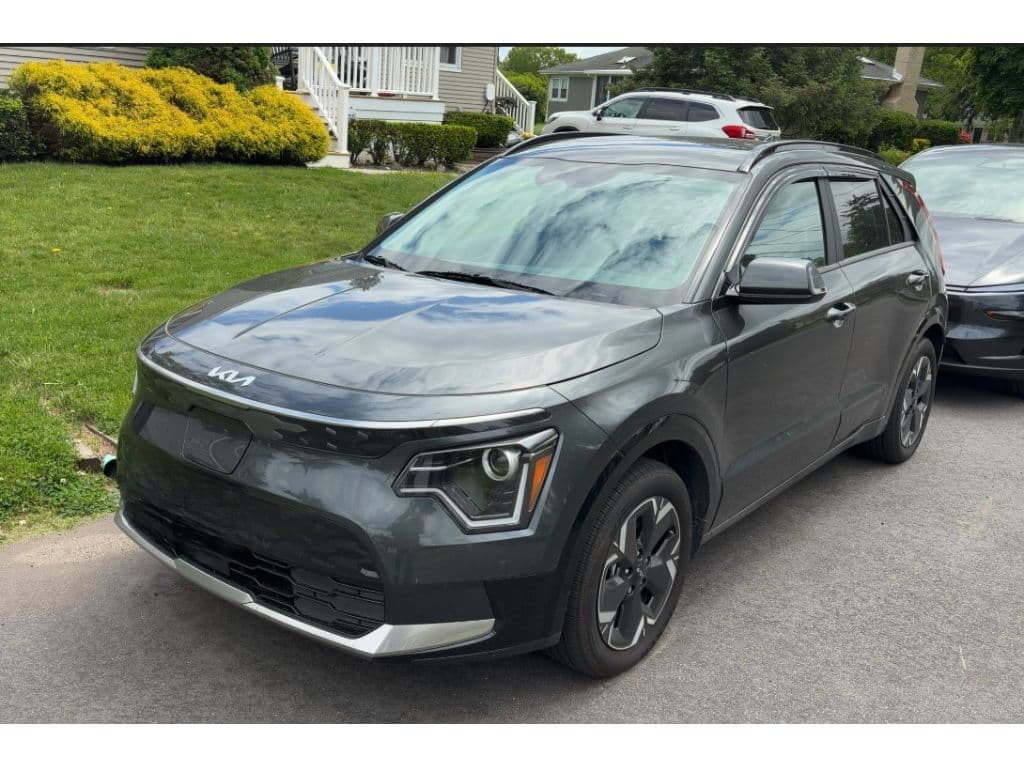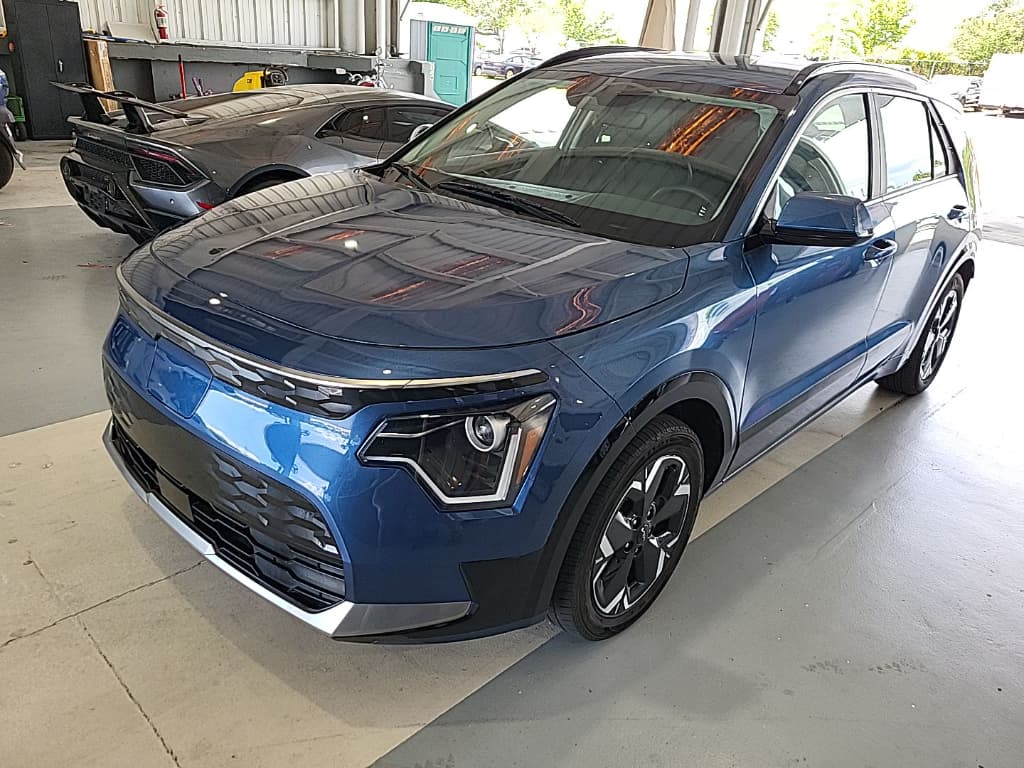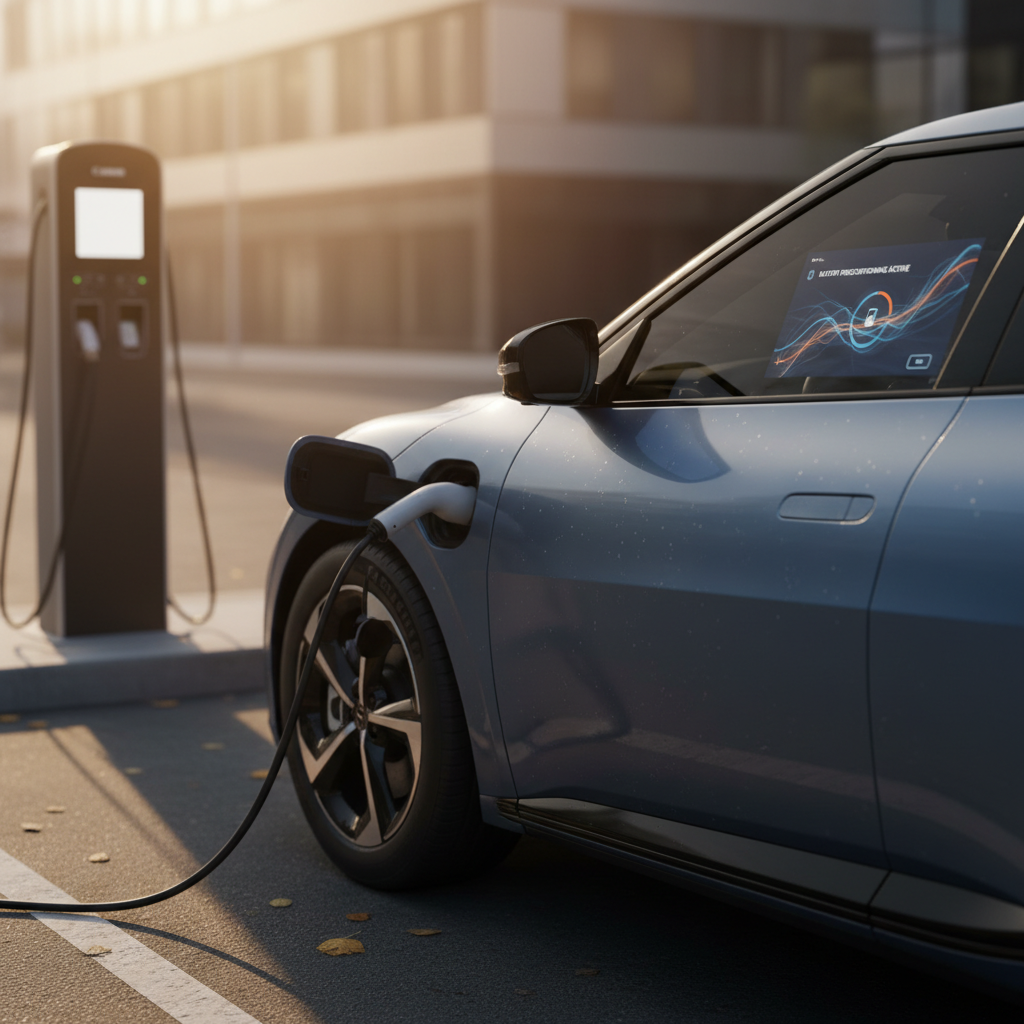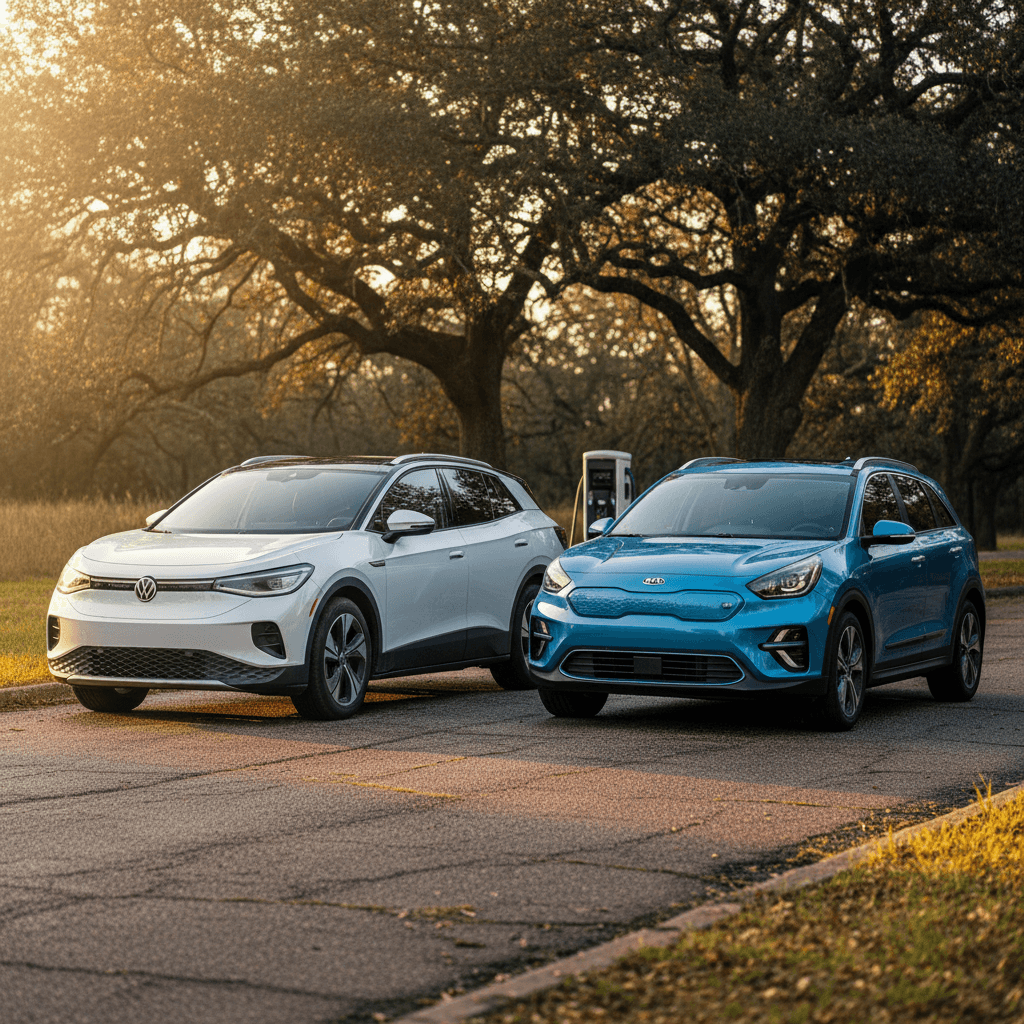
If you’re cross-shopping the VW ID.4 vs Kia Niro EV, you’re already in the right neighborhood: two compact electric crossovers, both more sensible than sexy, both trying to replace the family ICE crossover in your driveway. But they go about it in very different ways. One is a compact German living room on wheels; the other is a clever Korean hatchback in hiking boots.
Same idea, different personalities
Overview: VW ID.4 vs Kia Niro EV
On paper, the ID.4 and Niro EV look nearly interchangeable: five passengers, front- or rear-wheel drive, similar EPA range, similar price. In practice, they solve different problems. The ID.4 is larger, airier and more comfortable for families and road trips. The Niro EV is smaller on the outside, easier to park, and typically more efficient, with a driving experience that feels closer to a tall hatchback than a full SUV.
Key highlights at a glance
Quick spec comparison: ID.4 vs Niro EV
Core specs: VW ID.4 vs Kia Niro EV (recent U.S. models)
Approximate figures for common 2023–2025 configurations you’re likely to see new or used in the U.S. Always verify exact specs for the specific car you’re considering.
| Spec | VW ID.4 (most common US configs) | Kia Niro EV (current gen) |
|---|---|---|
| Battery capacity | Approx. 82 kWh usable ("77 kWh" pack), smaller ~62 kWh base in some years | ~64.8–71.4 kWh usable, single pack size in U.S. |
| EPA range (best versions) | Up to ~291 miles RWD with big battery; base battery closer to ~206 miles | Around 253 miles EPA for most trims |
| Drivetrain | RWD or dual-motor AWD | FWD only |
| Horsepower | Roughly 201 hp (early RWD) to 282 hp (updated motor); up to ~335 hp AWD | About 201 hp (single motor FWD) |
| 0–60 mph feel | Adequate in base RWD; punchy in new high-power RWD and especially AWD | Lively enough in town but slower at highway merges vs high-power ID.4 |
| Cargo space behind 2nd row | ~30–31 cu ft | ~22–23 cu ft |
| Cargo with seats folded | ~64 cu ft | ~63 cu ft (but narrower, lower) |
| Towing | Up to 2,700 lbs in some ID.4 configs; verify for the exact year/trim | Generally not rated for meaningful towing in U.S. market |
| Charging (DC fast peak) | Roughly 135–175 kW depending on year/software | Up to ~85–100 kW depending on model year |
| Typical used price (US) | Often mid-$20Ks to low-$30Ks, depending on year, battery and miles | Similar band; earlier Niros can dip into low $20Ks quickly |
Specs vary by model year, wheels and trim; use this as a realistic, real-world shopping reference, not a lab sheet.
Specs age quickly
Space & practicality: Which one works better as a family car?
Volkswagen ID.4: Compact SUV that thinks it’s a wagon
The ID.4 rides on a proper EV platform, and you feel it the moment you climb in. The wheelbase is long, the floor is flat, and the cabin has that "loft apartment" vibe. Rear passengers sit comfortably with adult-grade legroom, and the cargo area is broad and square. If you’ve been driving a RAV4, CR‑V or Tiguan, the ID.4 feels like the rightful EV successor.
- Rear legroom: generous, easy to install rear-facing seats.
- Cargo: about 30 cu ft seats up, 60+ cu ft seats down; wide opening and relatively low load floor.
- Cabin vibe: airy glasshouse, big windows, feels substantial on the road.
Kia Niro EV: Tall hatchback with clever packaging
The Niro EV is smaller outside and you notice it in tight parking lots, not so much in the first row. Up front it’s all business, with good ergonomics and lots of storage cubbies. The rear seat is fine for adults on normal trips, but it’s a little tighter for knees and shoulders than the VW. Cargo space is impressive for the footprint but narrower and less boxy than the ID.4.
- Exterior size: easier to parallel park, more at home in dense cities.
- Rear seat: adults fit, but kids-in-bulky-car-seats plus strollers start testing the limits.
- Practical perks: plenty of small-item storage, conventional controls that are easy for anyone to use.
Verdict: Space & practicality
Range, charging & efficiency
Both of these EVs land in the sweet spot for American commuting: roughly 230–290 miles of rated range depending on configuration and conditions. The nuance is how they achieve it, and what you give up.
- VW ID.4 range: Recent big‑battery rear‑drive models top out around the high‑200‑mile mark in EPA ratings, with all‑wheel drive shaving some range for extra power and traction. Older or small‑battery ID.4s sit closer to the low‑200s.
- Kia Niro EV range: Most current Niro EVs hover around 253 miles EPA. Real‑world owners often see similar numbers in mixed driving if they’re not driving 80 mph into a headwind.
- Efficiency: The Niro EV typically uses fewer kWh per mile than the ID.4, it’s lighter and front‑drive, so if your utility kWh rate is steep, the Kia will generally cost a bit less to feed.
- DC fast charging: The ID.4’s bigger battery and higher peak charge rates make it better suited to long highway drives. The Niro EV will do road trips just fine, but its lower peak speeds mean more time at the charger on the same route.
Real-world range sanity check
Driving experience: Comfort, handling & noise
VW ID.4: Calm, grown-up, slightly sleepy
The ID.4 is tuned for calm. Steering is light, body motions are soft, and on decent pavement it glides in a way that will remind you why people bought big German sedans. The updated high‑output motor in later years gives the RWD car real shove; AWD versions feel downright quick off the line.
- Ride comfort: Excellent, especially on smaller wheels; big wheels bring sharper impacts.
- Handling: Secure, predictable, not playful. This is not a GTI; it’s a rolling family room.
- Noise: Respectably quiet at highway speed; wind and tire noise well controlled for the class.
Kia Niro EV: Lively enough, more hatchback than SUV
The Niro EV’s smaller size and lower weight make it feel a little more eager in the city, even if outright power is middling compared with higher‑spec ID.4 trims. The suspension is firmer, the body moves less, but you’ll also notice more of the road surface coming back through the seat.
- Ride comfort: Firm but not punishing; potholes are more present than in the VW.
- Handling: Feels like a tall hatchback, tidy and easy to place in traffic.
- Noise: More road noise than the ID.4, especially on coarse pavement.
Verdict: Driving feel
Technology & usability: Screens, apps and quirks
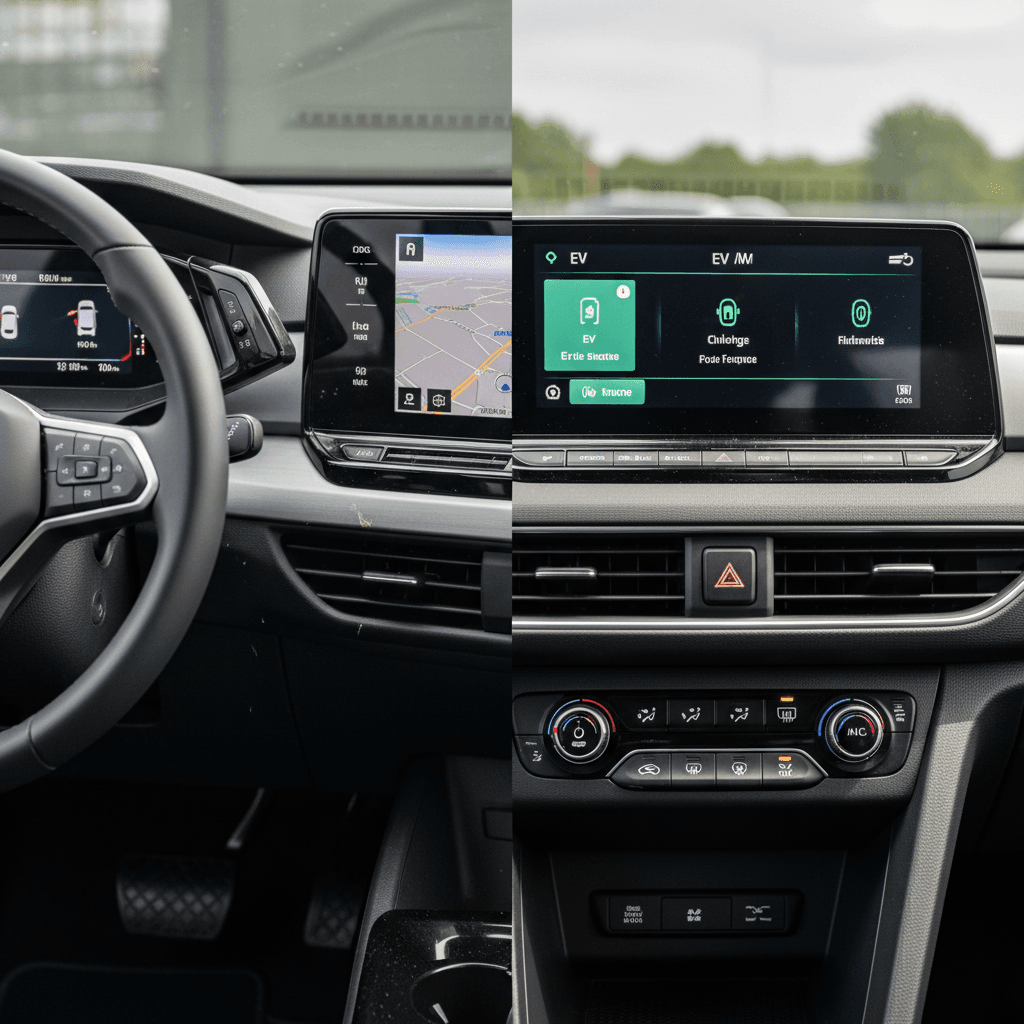
This is where philosophy really diverges. VW went all‑in on the future; Kia stayed mostly in the present, and for many drivers, that’s a blessing.
Infotainment & controls: what you live with every day
You’ll spend far more time interacting with the UI than with the battery, so don’t gloss over this.
Volkswagen ID.4 tech experience
Newer ID.4s get a large central touchscreen and a small driver display. The graphics are sharp, the feature set deep, but VW’s touch‑sensitive sliders and menu‑heavy interface drew widespread criticism.
- Pros: Big, bright screen; slick navigation; over‑the‑air updates continue to improve things.
- Cons: Touch sliders for volume/climate, laggy responses on older software, some basic tasks buried in menus.
- Learning curve: Steeper, especially if you’re coming from analog knobs and buttons.
Kia Niro EV tech experience
Kia leans on physical buttons and a sensible layout. There’s a modern touchscreen, but core functions, HVAC, drive modes, seat heaters, are a button press away.
- Pros: Intuitive controls, quick responses, Apple CarPlay and Android Auto feel well integrated.
- Cons: Screen and graphics are less dramatic than the VW; fewer opportunities for wow‑factor.
- Learning curve: Short. Your non‑techy relatives will be fine borrowing it.
If you hate fiddly touch controls…
Price & total cost of ownership (new and used)
Pricing swings wildly with incentives, dealer markups, and the young but fast‑moving used‑EV market. Broadly, the two are competitive new; on the used side, it’s less about price gaps and more about finding a clean example with the right battery, options, and warranty coverage.
How costs typically stack up
Approximate patterns you’ll see in the market; always check real listings in your ZIP code.
| Aspect | Volkswagen ID.4 | Kia Niro EV |
|---|---|---|
| New MSRP ballpark (recent years) | Often slightly higher trims-for-trims, especially with big battery and AWD | Slightly lower for comparable equipment; fewer drivetrain options |
| Used pricing trend | Good deals on early 82 kWh cars as newer, more powerful models arrive | Strong value on lightly used examples; earlier-gen Niros can be bargains |
| Energy cost | Less efficient; expect slightly higher electricity bills per mile | More efficient; better if you do high annual mileage |
| Maintenance | EV-simple, but VW service network and parts costs can be a bit higher | Kia’s mainstream parts pricing and long warranties are a plus |
| Insurance | Can be mid-pack; check local quotes, ID.4’s higher weight and value can raise premiums | Sometimes cheaper to insure thanks to lower price and FWD layout |
Electric SUVs depreciate differently than gas cars. Battery health, warranty status, and software updates matter more than odometer bragging rights.
Used-EV reality check
Which is better for you? Real-world buyer profiles
Match the EV to your life, not your neighbor’s
Urban apartment dweller, street parking, short commute
Leans toward <strong>Kia Niro EV</strong>. Smaller footprint = easier parking and fewer curb kisses.
Efficiency matters: lower kWh/mile helps when you rely on public DC fast charging.
Front‑wheel drive and lighter weight cope well with bad weather on city streets.
Suburban family, two kids, weekend trips
Leans toward <strong>VW ID.4</strong>. Space, space, space: more room for car seats, strollers, and soccer gear.
Softer ride and quieter cabin make hours on I‑95 less of a chore.
Optional AWD and towing capacity open the door to small campers or utility trailers.
High-mileage commuter (40–70 miles/day) with home charging
Either works, with a tilt toward <strong>Niro EV</strong> if efficiency is king.
If you’re tall or want a more relaxed highway ride, the <strong>ID.4’s</strong> bigger cabin pays dividends.
DC charging speed favors the ID.4 if you also road trip several times a year.
Tech‑sensitive driver who hates laggy screens
Leans toward <strong>Kia Niro EV</strong>. Physical controls and simple UI are less likely to annoy.
If you love big screens and are patient with software updates, an updated <strong>ID.4</strong> can still be satisfying.
Buying used ID.4 or Niro EV with Recharged
With EVs, a glossy paint job tells you almost nothing. What matters is what you can’t see: battery health, software level, and how the car’s been charged and driven. That’s where a structured used‑EV process helps.
How Recharged helps you shop smarter
Verified battery health with the Recharged Score
Every ID.4 or Niro EV sold through Recharged includes a <strong>Recharged Score Report</strong> with battery diagnostics, so you’re not guessing about degradation or past charging abuse.
Fair market pricing, not mystery markups
Recharged benchmarks each EV against nationwide data so pricing reflects real market value, not dealer whim or last weekend’s weather.
Financing and trade-in in one place
You can line up <strong>EV-friendly financing</strong>, get an instant offer or consignment help for your current vehicle, and roll everything into one clean transaction.
Nationwide delivery & digital buying
Browse, compare and buy your ID.4 or Niro EV fully online, then have it delivered to your driveway. If you’d rather touch and feel first, Recharged also operates an Experience Center in Richmond, VA.
EV‑specialist support, not generic sales talk
Recharged’s team lives in this world. They’ll walk you through range needs, home charging, and whether an ID.4 or Niro EV actually fits your daily routine.
VW ID.4 vs Kia Niro EV: FAQ
Frequently asked questions
Bottom line: How to choose confidently
The VW ID.4 and Kia Niro EV aren’t rivals in the YouTube-drag-race sense. They’re workhorses, built to quietly retire your gas crossover and make every errand feel slightly less apocalyptic. The ID.4 leans into comfort, space and long‑legged composure; the Niro EV answers with efficiency, simplicity and city‑friendly manners. If you match the car to your life, kids, commute, parking, road trips, rather than chasing a spec-sheet victory, you’ll be happy in either.
When you’re ready to look at actual cars, not press photos, shopping through Recharged gives you verified battery health via the Recharged Score, fair market pricing, EV‑savvy guidance, and nationwide delivery. Whether you end up in a German living room on wheels or a Korean city scout, the goal is the same: an electric SUV that simply works, every day, without drama.