If you’re considering a Volkswagen ID.4, you’re probably asking the right question: what’s the **VW ID.4 long term ownership cost** really look like over 5–8 years? Purchase price is just the start. Depreciation, electricity, insurance, and maintenance ultimately decide whether the ID.4 is a smart money move or an expensive experiment.
What this guide covers
VW ID.4 long-term cost at a glance
5‑year cost snapshot for a new VW ID.4 (U.S., 15,000 mi/year)
Those top‑line numbers can look intimidating, but most of the hit comes from **depreciation**, not day‑to‑day running costs. That’s exactly why many shoppers are turning to **used ID.4s**, where the first owner has already absorbed the steep value drop and you still enjoy low fuel and maintenance costs.
Quick takeaway
Key cost drivers for VW ID.4 owners
Four pillars of VW ID.4 long-term cost
Understanding these helps you predict what you’ll really spend.
Depreciation
The single biggest cost. The ID.4, like many early EVs, has seen **above‑average depreciation** compared with similar gas SUVs.
Electricity
Generally cheaper than gas. Your cost depends on kWh rates, how often you DC fast charge, and home vs. public use.
Insurance
EVs can cost more to insure due to higher repair costs and tech. The ID.4 tends to sit at the higher end of VW insurance averages.
Maintenance
No oil changes or spark plugs, but you’ll still pay for **tire rotations, cabin filters, brake fluid**, and the occasional repair.
When you evaluate the VW ID.4’s long-term ownership cost, think like an accountant, not just a driver. Depreciation is where the big dollars move; electricity, maintenance, and insurance are the levers you can actively manage.
Depreciation: how fast does an ID.4 lose value?
In pure dollars, **depreciation is the largest part of VW ID.4 long term ownership cost**. That’s true of almost any new car, but especially of early‑generation EVs where technology and incentives move quickly.
Estimated VW ID.4 depreciation (new purchase, typical U.S. use)
Approximate averages based on current market data and independent depreciation tools. Real‑world results vary by mileage, condition, incentives, and region.
| Ownership year | Estimated value lost vs. MSRP | Approx. remaining value | Notes |
|---|---|---|---|
| Year 1 | $14,000–$16,000 | ~65–70% of MSRP | Big initial drop once you title the car |
| Year 3 | ~$20,000–$23,000 total | ~45–50% of MSRP | Many ID.4s are around half of original price by year 3 |
| Year 5 | ~55–63% total | ~37–45% of MSRP | Some analyses show 60%+ loss after 5 years |
| Year 8 | ~70%+ total | ~25–30% of MSRP | Older EVs may soften further as new tech arrives |
Depreciation is front‑loaded: the first 3–5 years cost you the most in lost value.
Why ID.4 depreciation is steeper than some rivals
If you buy new
Expect depreciation to be **your biggest single cost line item** over a 5‑year window. A well‑equipped ID.4 with an MSRP in the mid‑$40Ks can easily lose $20,000 or more in the first 5 years, depending on incentives and market conditions when you sell.
If you know you’ll swap vehicles in 3–4 years, this matters more than your electricity bill ever will.
If you buy used
Buying a **2–4‑year‑old ID.4** means much of that early depreciation has already happened. You might pay low‑to‑mid $20Ks for a car that cost over $40K new, with plenty of battery life left.
That’s where marketplaces like Recharged shine, our focus is on used EVs where the value curve is finally working in your favor.
Energy costs: what you’ll spend on electricity
Once you get past depreciation, **electricity is usually where the VW ID.4 beats a comparable gas SUV**. The ID.4’s real‑world efficiency tends to land around 2.5–3.0 miles per kWh for mixed driving, depending on weather and speed.
- Annual miles: 10,000–15,000 miles is typical for U.S. drivers.
- Energy use: assume ~2.7 miles per kWh as a realistic everyday average.
- Electricity price: many U.S. households pay around $0.13–$0.20 per kWh before taxes and fees. Public DC fast charging is higher.
Sample annual electricity costs
Home vs. public charging: cost impact
Where you plug in matters as much as how much you drive.
Mostly home
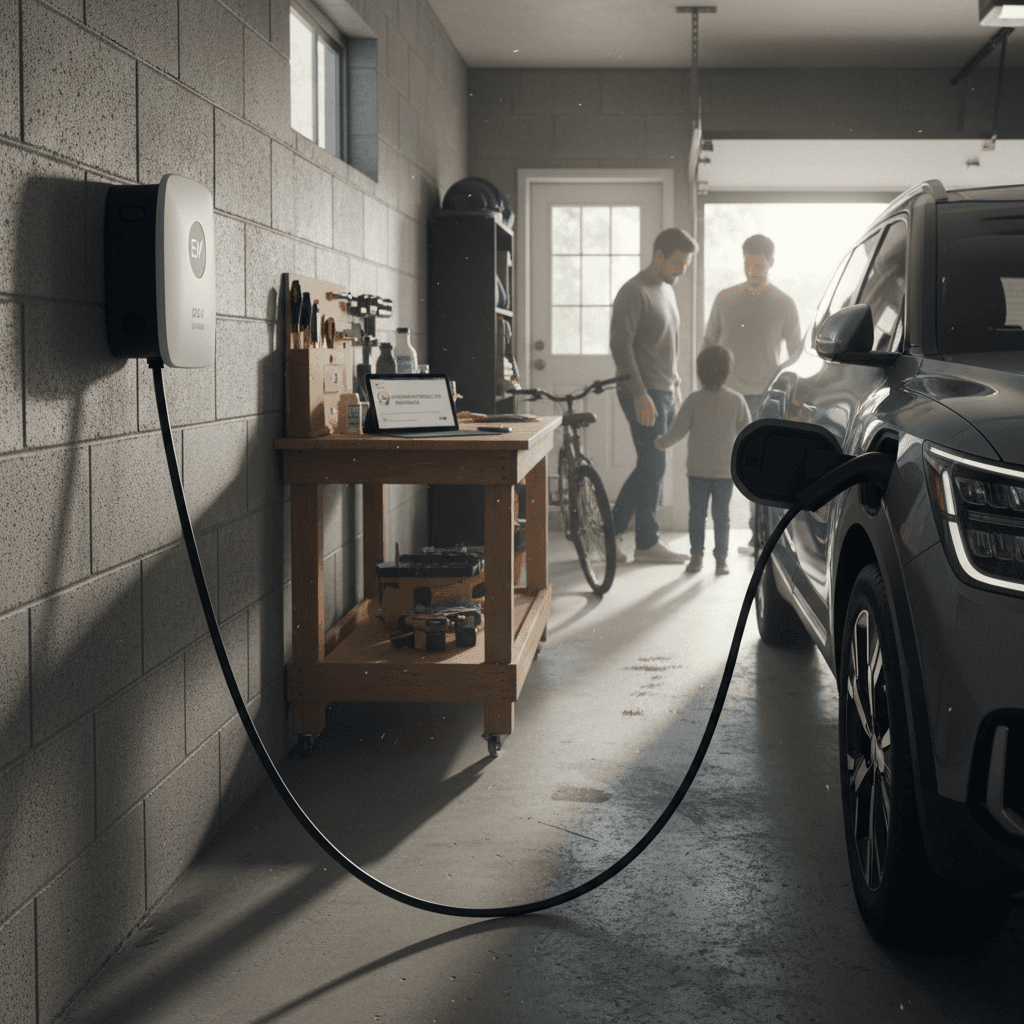
If you install a Level 2 charger and use off‑peak rates, your cost per mile is extremely low. Think **2–4¢/mile** in many markets.
Mixed use
Occasional DC fast charging on road trips nudges annual cost up, but for most drivers it’s still well below gas.
Heavy fast charging
If you rely heavily on public fast chargers, especially at premium rates, you can approach or even exceed gas‑car fuel costs in some regions.
Easy way to cut your energy bill
Insurance costs for the VW ID.4
Insurance is where some ID.4 shoppers get sticker shock. Across Volkswagen’s lineup, the ID.4 is often **one of the most expensive models to insure**, thanks to its higher MSRP, EV‑specific repair costs, and advanced safety tech.
Typical annual insurance costs for VW ID.4 (national averages)
Real premiums vary widely by driver profile, state, coverage levels, and insurer. Use this as a ballpark, not a quote.
| Model | Average annual premium | How ID.4 compares |
|---|---|---|
| VW Tiguan (gas SUV) | ≈$1,150–$1,200 | Typical compact crossover |
| VW Jetta (gas sedan) | ≈$1,250–$1,300 | Affordable compact car |
| VW ID.4 (electric SUV) | ≈$1,650–$1,750 | Noticeably higher due to EV repair costs and tech |
Compared with many gas VWs, the ID.4 sits toward the high end for insurance costs.
Ways to keep VW ID.4 insurance costs in check
1. Shop multiple EV‑friendly insurers
Some carriers price EVs more aggressively than others. Get quotes from at least three companies that actively market to EV drivers.
2. Adjust comprehensive/collision deductibles
Higher deductibles can significantly lower premiums. Balance savings with what you’re comfortable paying out of pocket in a worst‑case scenario.
3. Use driver‑monitoring or mileage‑based plans
If you drive fewer miles than average or drive gently, telematics programs can shave real money off ID.4 premiums.
4. Ask about EV and safety discounts
Many insurers offer specific discounts for advanced safety features, multi‑car households, or garage parking, common with ID.4 owners.
Maintenance and repairs over 5–8 years
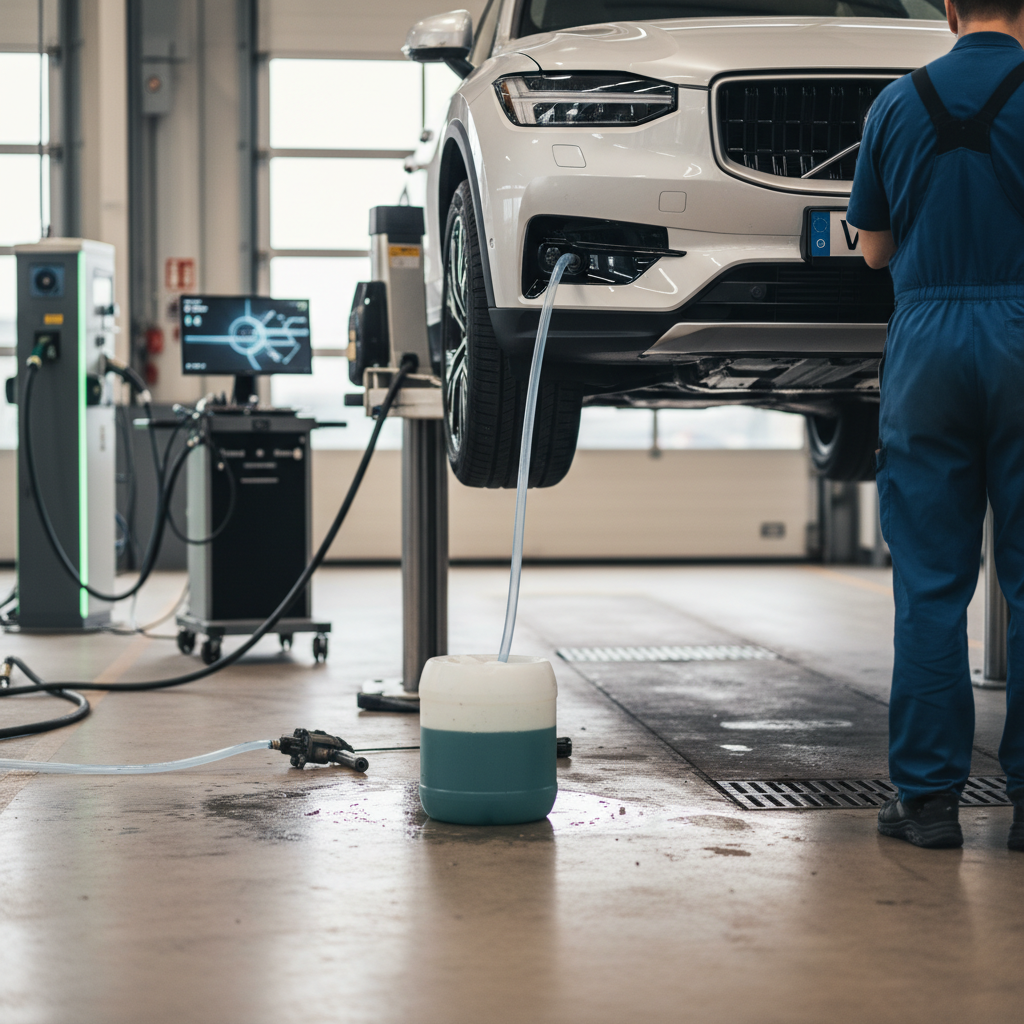
Here’s where the VW ID.4 quietly earns its keep. Compared with a similar gas SUV, **routine maintenance is dramatically lower**, no oil changes, spark plugs, or transmission flushes. Over 60,000 miles, some VW dealer estimates and EV‑focused service guides put ID.4 maintenance around **$1,300–$3,300**, depending on labor rates and how much you bundle work together.
Typical VW ID.4 maintenance items over 60,000 miles
What you’ll actually service in real life.
Routine inspections & wear items
- Tire rotations and balance
- Brake inspections (pads usually last longer than in gas cars)
- Cabin air filter changes
- Wiper blades, bulbs, fluid top‑offs
EV‑specific items
- Brake fluid replacement around 3–4 years
- 12‑volt battery replacement typically once in 5–6 years
- Battery cooling system checks and software updates
How ID.4 compares to a gas SUV for maintenance
Don’t forget tires
VW ID.4 vs gas SUV: total cost of ownership
When you spread costs over 5 years, the ID.4 usually **costs more to buy but less to run** than a similar gas SUV. The break‑even point depends heavily on incentives, your electricity vs. gas prices, and whether you buy new or used.
Approximate 5‑year cost comparison: new VW ID.4 vs comparable gas SUV
Illustrative example assuming 15,000 miles per year, U.S. averages, and similar MSRP compact SUVs. Excludes tax credits and state incentives, which can tilt the math further toward EVs.
| Cost category (5 yrs) | VW ID.4 (new) | Comparable gas SUV |
|---|---|---|
| Depreciation | High (≈55–60% of value lost) | Moderate (≈45–50% lost) |
| Energy (fuel/electricity) | $3,500–$4,500 | $6,000–$9,000 |
| Maintenance & repairs | $1,500–$3,500 | $2,500–$4,500 |
| Insurance | $8,000–$9,000 | $6,000–$8,000 |
| Total estimated 5‑yr cost | Broadly similar, often slightly higher if bought new | Broadly similar, sometimes slightly lower overall |
The ID.4 trades higher depreciation and insurance for lower energy and maintenance costs.
The nuance most shoppers miss
Saving big with a used VW ID.4
Because the VW ID.4 has depreciated faster than many gas SUVs, **used buyers are in an excellent position**. You can often buy a 2–4‑year‑old ID.4 for close to half of its original MSRP, yet still enjoy modern tech, solid range, and a battery designed for many more years of service.
Why a used ID.4 can be a sweet spot
- The first owner absorbs the steepest 2–3 years of depreciation.
- You still benefit from low electricity and maintenance costs.
- EV powertrains have fewer wear parts than gas engines.
- Some remaining factory warranty may still be in play.
What to watch on a used ID.4
- Actual battery health vs. odometer miles.
- Fast‑charging history and home charging setup.
- Software update history and recall work.
- Tires, brakes, and cabin wear typical of family SUVs.
Battery health matters more than model year
How Recharged helps lower ID.4 ownership costs
Recharged exists for shoppers exactly like you, drivers who want the benefits of an EV without playing guinea pig on first‑owner depreciation or worrying about what’s happening inside the battery pack.
Buying a used VW ID.4 through Recharged
Designed to make long‑term ownership simpler and more predictable.
Recharged Score battery report
Every ID.4 on Recharged comes with a Recharged Score Report that includes verified battery health, charging data, and pricing transparency. You’re not guessing about the most expensive component in the vehicle.
Fair market pricing
Our pricing tools benchmark each ID.4 against current market data so you’re starting from a fair number, important when depreciation has been volatile for newer EVs.
Nationwide delivery & EV‑savvy support
Recharged offers financing, trade‑ins, and **nationwide delivery**, plus EV‑specialist support that can talk you through home charging, road‑trip planning, and long‑term cost expectations.
Ready to find your next EV?
Browse VehiclesWhy this matters for long-term cost
FAQ: VW ID.4 long-term ownership costs
Frequently asked questions about VW ID.4 ownership costs
Bottom line: is a VW ID.4 cheap to own long term?
Viewed purely as a new‑car purchase, the VW ID.4’s **long‑term ownership cost** is competitive but not always dramatically cheaper than a similar gas SUV. Higher depreciation and insurance blunt the impact of low electricity and maintenance costs, especially if you trade out in 3–5 years.
Where the ID.4 becomes genuinely compelling is as a **used purchase**. Someone else already paid for the steepest depreciation, yet you still get a modern EV with modest running costs and SUV practicality. If you pair that with smart charging habits and competitive insurance, the ID.4 can be a very rational long‑term choice.
If you’re ready to run the numbers on a real vehicle instead of a spreadsheet hypothetical, explore used VW ID.4 listings on Recharged. With transparent **Recharged Score Reports**, EV‑savvy financing, and nationwide delivery, you can line up the right ID.4 and understand its long‑term cost before it ever reaches your driveway.