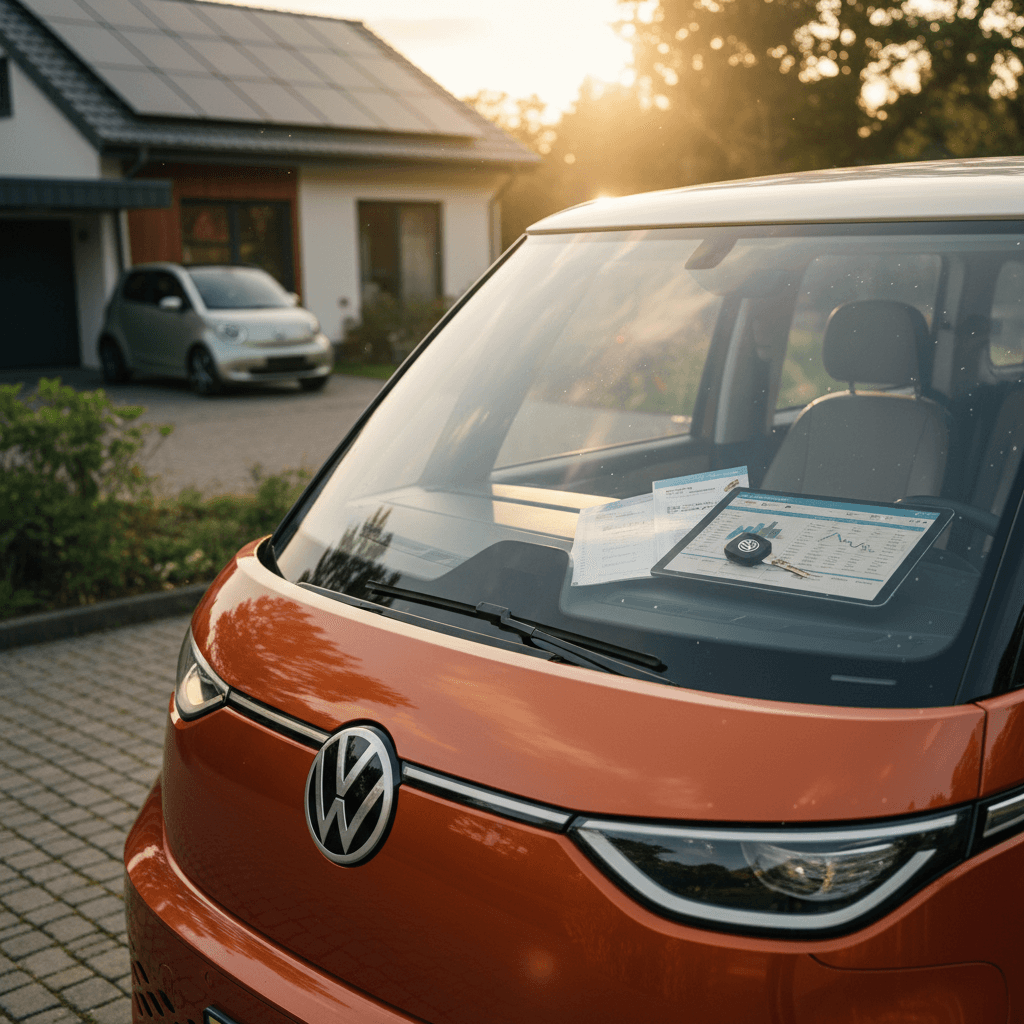
If you’re eyeing the cheerful VW ID. Buzz as a family hauler, camper, or business van, you’ve probably discovered one modern reality: EV insurance costs more than you’re used to. Understanding the real VW ID. Buzz insurance cost, and why it’s higher than a typical gas minivan, will help you budget realistically and avoid surprises after you sign on the dotted line.
Quick takeaway
Overview: What does VW ID. Buzz insurance cost?
Because the VW ID. Buzz is still relatively new to the U.S. and insurers don’t publish model-by-model numbers as quickly as enthusiasts would like, nobody can quote a single “official” average rate today. But we can bracket its likely insurance cost using current EV benchmarks and what we know about VW pricing and risk.
Where the ID. Buzz is likely to land
Put simply, for a 30–50-year-old driver with a clean record and standard full coverage, a realistic working estimate for a VW ID. Buzz in the U.S. is roughly $3,000–$3,600 per year. Two things matter more than the exact model designation on the registration: the van’s price and repair profile, and your personal risk profile.
Why the range is wide
How VW ID. Buzz insurance compares to other EVs
Versus smaller EV crossovers
Volkswagen’s own ID.4 is among the cheaper EVs to insure, with recent averages around the low $2,700s per year for full coverage. Compact EVs like the Chevy Bolt and Nissan Leaf are similar or slightly cheaper.
The ID. Buzz is larger, heavier, and more expensive than any of those, so it’s very unlikely to match their low insurance numbers. Expect at least a few hundred dollars more per year than an ID.4 for the same driver and location.
Versus high‑end EV SUVs and vans
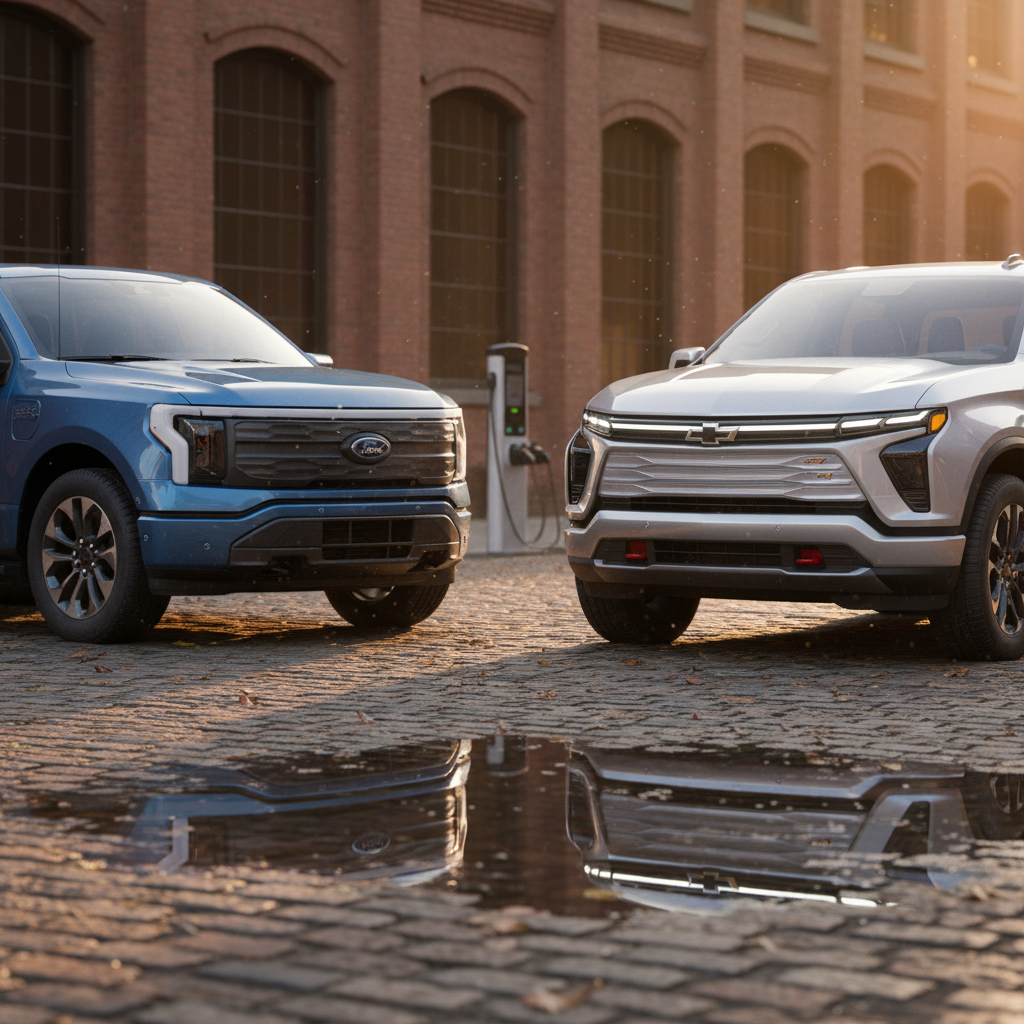
On the other side, premium EVs like the Tesla Model X, Model S, and Rivian R1S routinely post premiums in the mid‑$4,000s or even above for full coverage, thanks to six‑figure sticker prices and eye‑watering repair bills.
The ID. Buzz, while not cheap, is priced and equipped below that luxury tier, and its insurance should be as well. Think of it as closer to a nicely optioned three‑row EV SUV than to a bespoke luxury flagship.
Where the ID. Buzz fits in the EV insurance landscape
Illustrative annual full-coverage premiums for a 40-year-old driver with a clean record. The ID. Buzz estimate is based on its price, size, and segment, not a published carrier average.
| Vehicle | Type/Segment | Typical Annual Premium | How ID. Buzz compares |
|---|---|---|---|
| Nissan Leaf | Compact hatchback EV | ≈ $2,600–$2,800 | ID. Buzz will cost noticeably more to insure. |
| VW ID.4 | Compact crossover EV | ≈ $2,700–$2,900 | ID. Buzz should sit a few hundred dollars higher. |
| Ford Mustang Mach‑E | Sporty crossover EV | ≈ $2,900–$3,200 | Very similar ballpark for many drivers. |
| VW ID. Buzz (est.) | Midsize electric van | ≈ $3,000–$3,600 | Likely mid‑pack among non‑luxury EVs. |
| Tesla Model Y | Premium crossover EV | ≈ $3,800+ | Buzz may be slightly cheaper, depending on trim. |
| Tesla Model X | Luxury 3‑row EV SUV | ≈ $4,300–$5,300 | ID. Buzz should be materially cheaper to insure. |
These are directional benchmarks to help you budget, not binding quotes.
European vs U.S. expectations
Key factors that drive VW ID. Buzz insurance rates
Insurers don’t care that you’re excited about road trips and retro styling; they care about claim probability and claim severity. For a vehicle like the VW ID. Buzz, several factors do the heavy lifting.
What insurers look at with the ID. Buzz
Think in terms of risk and repair cost, not just sticker price.
Vehicle price & trim
Repair complexity
Safety ratings & ADAS
Where you live & park
Annual miles & usage
Driver profile
Pro tip: quote before you fall in love
ID. Buzz use cases and what they mean for premiums
Volkswagen didn’t design the ID. Buzz to be a one‑note product. Families, campers, and small businesses all see something different in it, and insurers price those uses differently.
Family hauler
If you’re using the ID. Buzz as a minivan replacement, you’re in a relatively favorable risk bucket. Kid duty typically means mixed city/suburban miles, school runs, and road trips, not track days.
Where you can win: carry higher deductibles, choose full‑coverage limits you’re comfortable self‑insuring above, and lean into telematics or low‑mileage programs if your annual miles are modest.
Road‑trip camper
Some ID. Buzz owners will load up bikes and camping gear and chase national parks. Long highway miles are less crash‑prone per mile than dense urban driving, but the van will still rack up more total exposure.
Where you can win: bundle your home and auto, and make sure your accessories (racks, pop‑tops, custom interiors) are properly scheduled so you’re not under‑insured after a loss.
Commercial shuttle or work van
If you’re running airport runs, hotel shuttles, or a mobile business in an ID. Buzz, your insurer will likely move you into commercial or business‑use coverage. Expect meaningfully higher premiums.
Where you can win: shop specialized fleet and commercial EV policies and consider higher liability limits rather than skimping on coverage to chase a lower premium.
Don’t hide commercial use
6 ways to lower your VW ID. Buzz insurance cost
Actionable steps to pull premiums back down
1. Right‑size your coverage, don’t gut it
Start with state‑minimum liability and work up to realistic protection. For a vehicle the value of an ID. Buzz, liability limits like 100/300/50 or higher are wise, but you can <strong>raise your comprehensive and collision deductibles</strong> to trim costs without leaving yourself dangerously exposed.
2. Compare quotes from EV‑friendly insurers
Some carriers are still learning how to price EVs; others now have enough data to treat mainstream models more rationally. Getting <strong>3–5 quotes</strong> (including from insurers that market EV‑specific products) can reveal hundreds of dollars of spread on the same coverage.
3. Ask about telematics & low‑mileage discounts
If your ID. Buzz will be a <strong>second car or weekend van</strong>, usage‑based programs that track mileage and driving habits via an app or dongle can translate safe, low‑mileage driving into meaningful discounts.
4. Bundle with home or renters insurance
Bundling your auto and home (or renters) coverage with one carrier routinely unlocks <strong>multi‑policy discounts</strong>. With a higher‑ticket EV like the ID. Buzz, that discount can be a bigger dollar amount than you’d expect.
5. Protect your driving record
Surprise, old‑fashioned safe driving still matters more than EV tech. A single at‑fault crash or DUI can dwarf any other cost driver. Treat the ID. Buzz’s driver‑assist systems as <strong>backups, not autopilot</strong>.
6. Consider buying used to lower the insurable value
Insurance is partly a function of what the insurer would have to pay to replace your van. A <strong>used ID. Buzz</strong> with a lower market value typically costs less to insure than a brand‑new one with the same spec and driver profile.
Where Recharged fits in
Ready to find your next EV?
Browse VehiclesInsurance considerations when buying a used ID. Buzz
Buying a used VW ID. Buzz can soften both depreciation and insurance pain, but it adds a few wrinkles you should plan for up front.
Buying used: risks insurers care about
These are the questions underwriters have in the back of their minds, answer them before you buy.
Battery health & prior damage
Accident and repair history
Aftermarket modifications
Actual cash value vs. agreed value
How Recharged can help with used Buzz shopping
How insurers view EVs like the ID. Buzz in 2025–2026
EV insurance has moved from “exotic edge case” to mainstream, but carriers are still catching up to the technology. On average, U.S. EVs cost notably more to insure than gas cars, largely because of batteries, specialized repairs, and the density of sensors and electronics packed into modern bodies.
- Across the market, recent studies peg average EV insurance costs roughly 20–40% higher than comparable gas vehicles, with some high‑end models even further out of line.
- Average full‑coverage premiums for EVs now hover in the low‑to‑mid $3,000s per year nationally, versus mid‑$2,000s for gas cars, though both vary dramatically by state and driver profile.
- Mainstream EVs like the Chevy Bolt, Nissan Leaf, and VW ID.4 sit on the lower end of that EV range; luxury and high‑performance models sit on the upper end. The ID. Buzz, priced and positioned as a family‑friendly van, slots somewhere in the middle.
Battery repairs are the wild card

VW ID. Buzz insurance FAQs
Frequently asked questions about ID. Buzz insurance
Bottom line: Is VW ID. Buzz insurance worth it?
The VW ID. Buzz isn’t going to win any awards for rock‑bottom insurance premiums. As a relatively expensive, tech‑heavy EV, it will usually cost more to insure than a conventional minivan and more than smaller electric crossovers like the ID.4. But it should still land well below the eye‑watering premiums of luxury EV SUVs, and many owners find that its space, personality, and lower fuel and maintenance costs justify the higher coverage bill.
If you’re serious about an ID. Buzz, treat insurance as part of the purchase decision, not an afterthought. Get quotes on actual VINs, be honest about how you’ll use the van, and look at used examples if you want to reduce both depreciation and premiums. Marketplaces like Recharged can help you compare used EVs with transparent battery‑health and pricing data, so you go into insurance conversations with real numbers instead of guesses.
Do that homework up front, and you’ll have a much clearer picture of the true cost of living with a VW ID. Buzz, and whether this electric icon fits your budget for the long haul.