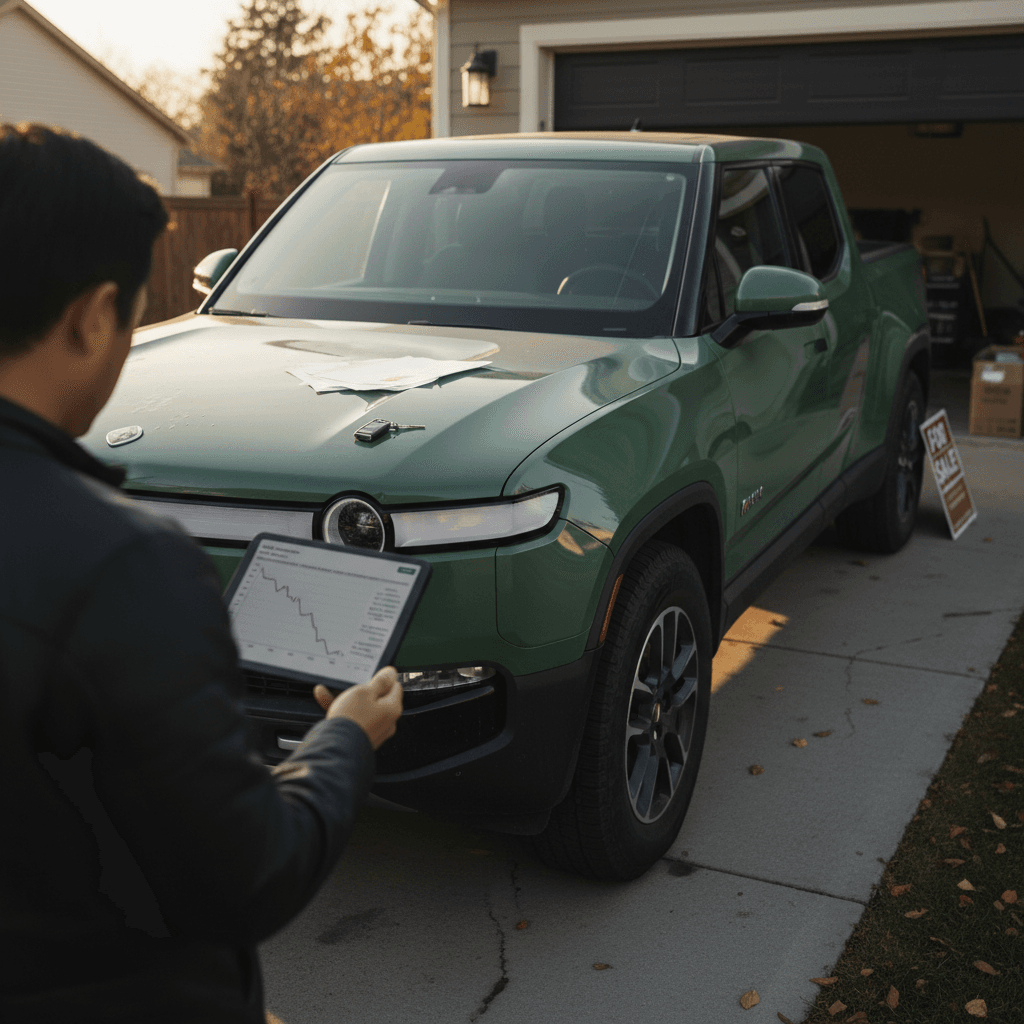
If you own a Rivian R1T, or you’re eyeing a used one, you’re probably wondering how this electric adventure truck is really holding its value in 2026. The short version: Rivian R1T resale value has cooled from its hype-era highs but remains healthier than many luxury EVs, especially when mileage is reasonable and the battery checks out. This guide walks you through what your R1T is likely worth, where the market is headed, and what you can do right now to protect every dollar of resale value.
2026 snapshot
Why Rivian R1T resale value matters in 2026
Resale value is the quiet line item that can make an expensive EV feel like a smart purchase, or a regret you park in the driveway. With the Rivian R1T, you’re dealing with a premium price tag, a relatively young brand, and a fast‑moving EV market. That combination makes 2026 a pivotal year: new 2026 R1T refreshes are arriving, Rivian’s R2 and R3 models are in the headlines, and overall EV demand growth has slowed. All of that filters straight into what your truck is worth today and five years from now.
Rivian R1T by the numbers
How the Rivian R1T market has evolved
2021–2022: Hype and shortages
When the R1T first hit driveways, demand far outstripped supply. Early owners saw used prices flirting with or even exceeding MSRP as reservations stretched and other electric trucks were still vaporware. If you flipped an early Launch Edition, you probably did just fine.
2024–2026: Normalization and competition
Fast‑forward to 2026 and reality has arrived. Rivian has ramped production, the Tesla Cybertruck and more electric half‑tons are on the road, and overall EV growth has cooled. Instead of bidding wars, the R1T now behaves more like a high‑end luxury truck: solid demand, but price‑sensitive shoppers and dealers who watch incentives closely.
A softer EV market cuts both ways
Current used Rivian R1T price bands for 2026
Exact numbers move week to week, but by early 2026, real‑world listings and pricing guides in the U.S. tend to cluster R1Ts into a few recognizable bands. These are directional ranges, meant to give you a realistic yardstick when you pull up your own truck on a valuation tool or browse listings on Recharged and other marketplaces.
Typical 2026 used Rivian R1T price bands (US)
Approximate asking prices for clean, no‑accident trucks. Location, options, and color can swing values up or down.
| Model years & miles | Typical configuration | Approx. asking range* | Notes |
|---|---|---|---|
| 2021–2022 • 40–70k miles | Launch/Adventure, Large pack, quad‑motor | $45,000–$60,000 | Higher end for very low miles, rare colors, or heavy option trucks. |
| 2023 • 25–50k miles | Adventure, Large or Max pack, quad‑ or dual‑motor | $50,000–$68,000 | Sweet spot: still lots of warranty, but first big depreciation hit is behind you. |
| 2024 • 10–35k miles | Adventure/Launch, latest software, common options | $55,000–$75,000 | Biggest spread; MSRP and original discounts matter a lot here. |
| 2025 • under 25k miles | Newer spec, Gen 2 influences pricing | $60,000–$80,000 | Early owners who paid close to sticker may still be upside‑down on loans. |
| Heavily optioned any year | Max pack, premium paint, off‑road upgrades | +$3,000–$10,000 vs. base | Tonneau cover, Max pack, and some colors reliably add value. |
| Accident history / branded title | Any year | Often 15–30% below clean value | Expect fewer buyers and slower time to sell. |
Use these bands as a starting point, then refine with VIN‑specific tools and live listings.
Why these are ranges, not promises
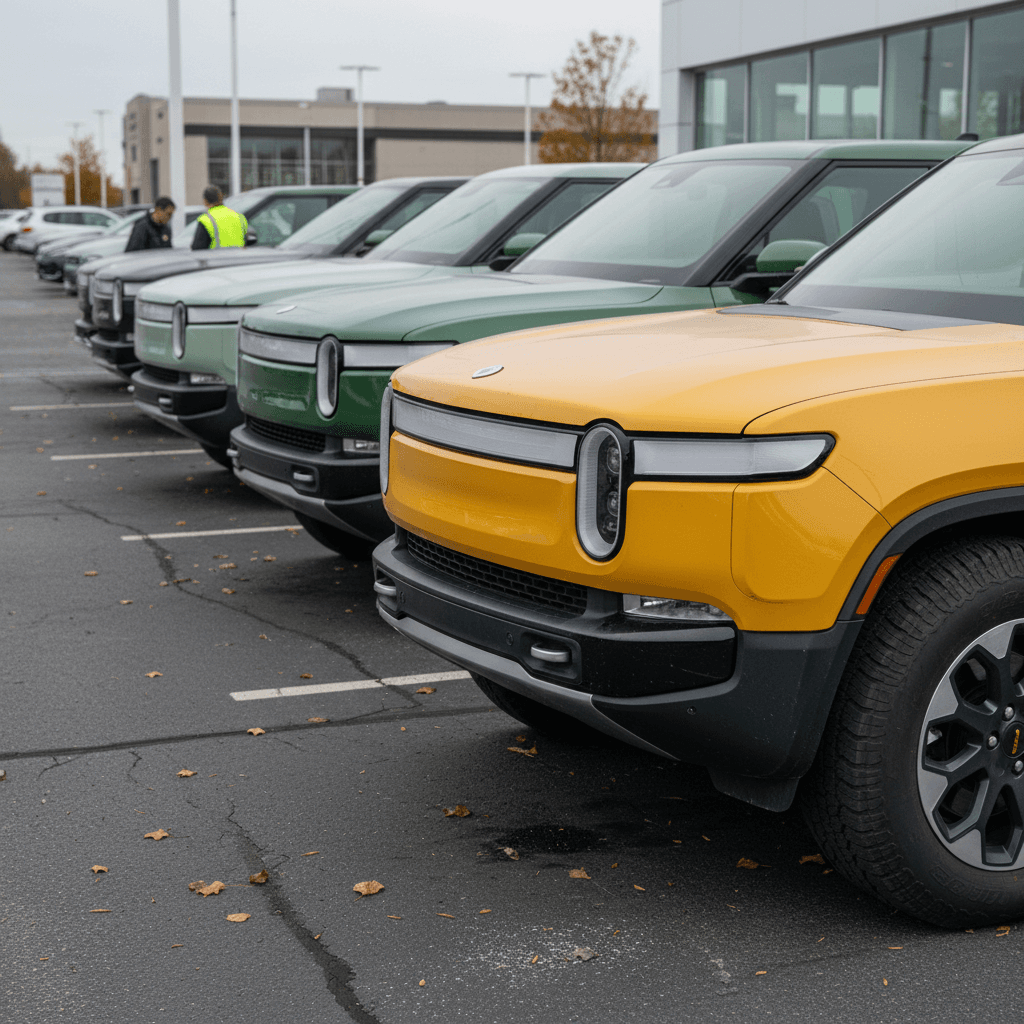
Rivian R1T depreciation: what the numbers say
Depreciation is just the slow leak of value over time, but with EVs, it can feel more like a roller coaster. Pricing guides now have enough data to sketch an early curve for the R1T.
- Some 2024 R1Ts show around 30% depreciation in the first two years from MSRP to typical resale, which is high compared with mass‑market EVs but not shocking for luxury trucks.
- Earlier 2021–2022 Launch and Adventure trucks, which were sometimes marked up or sold into a very hot market, can look worse on paper, especially if the original owner paid above sticker.
- Depreciation tends to calm down after the third model year, especially for trucks with mileage in the 30,000–60,000 range and no serious damage history.
Think in total cost of ownership, not just resale
Four things that hit R1T value hardest
You can’t control the market, but you can manage these.
Age & mileage
Like any truck, the R1T loses value fastest in its first three years and first 30,000–40,000 miles. That’s when buyers worry most about unknowns.
Accident history
A single major accident, even repaired, can lop thousands off the price. Clean Carfax reports still matter, even with EVs.
Perceived battery health
Even though early data suggests mild degradation, shoppers pay up for proof: range tests, diagnostic reports, and clear warranty coverage.
New model announcements
Rivian’s Gen 2 R1T and the upcoming R2/R3 pull some buyers out of the used market temporarily, softening prices right after major announcements.
Battery health and warranty: the heart of R1T resale value
For any used EV, battery health is the story. The Rivian R1T’s pack has been a pleasant surprise so far: owner data through 2025 suggests slow, manageable degradation for most trucks, with some high‑mileage examples still reporting healthy range. Rivian backs the pack with an 8‑year/175,000‑mile battery warranty on R1T, which reassures second and even third owners.
- Early owners tracking capacity over tens of thousands of miles often report single‑digit percentage drops rather than scary cliff‑dives.
- The warranty typically covers the pack if it falls below a defined capacity threshold (for many Rivian packs, around 70–80% of original).
- Software updates can adjust how much of the pack is accessible, which means indicated range can shift even when underlying cell health is solid.
Why a verified battery makes your truck easier to sell
Simple ways to prove your R1T’s battery health
1. Pull recent range data
Take screenshots of full‑charge range in your typical drive mode and tire setup. Do it on level ground with the pack at or near 100% for a clean number.
2. Save service records
If Rivian has checked or serviced your high‑voltage system, keep those records handy. They confirm the truck is on the radar and up to date.
3. Get a third‑party battery health report
Before you sell or trade in, use a marketplace like <strong>Recharged</strong> that includes verified battery diagnostics in a report buyers can trust.
4. Explain your charging habits
Frequent DC fast charging or lots of time at 100% isn’t automatically a deal breaker, but a clear, honest record lets serious buyers judge for themselves.
Key trims and options that move the needle
Not every dollar you spent on options comes back when you sell your R1T. Some equipment is resale rocket fuel; some is basically a gift to the first owner. In 2026, a few patterns are clear.
R1T options that typically help resale
And a couple that don’t pay you back the way you’d hope.
Large & Max pack
Extra range is still king. Larger packs tend to sell faster and hold several thousand dollars more value than Standard pack trucks, all else equal.
Off‑road upgrades
Skid plates, tow hooks, and all‑terrain tires attract the adventure crowd. Just don’t go so wild with mods that you scare off mainstream buyers.
Premium paint colors
Distinctive but tasteful colors can be worth a modest premium. Oddball wraps or loud aftermarket graphics usually don’t.
Quad‑motor setups
Quad‑motor R1Ts still draw enthusiasts and can command a premium, especially with Max pack. But as dual‑motor improves, that gap may narrow.
Tonneau & cargo solutions
Factory bed covers, crossbars, and camping gear are easy resale stories: they signal how the truck can be used on day one.
Highly personalized mods
Big lifts, extreme wheel/tire combos, and heavy tint often narrow your buyer pool and can drag value below a clean, stock example.
Don’t mod away your value
How your use patterns today affect resale tomorrow
Unlike a gas pickup, an electric truck tells detailed stories about how it was used: charge logs, DC fast‑charging sessions, and software histories all live in the background. Buyers may never see all of that, but your habits still show up in range, tire wear, and cosmetic condition.
- Heavy towing and frequent high‑speed driving can erode range faster, and savvy shoppers will notice if your truck consistently shows lower numbers than peers.
- Lots of DC fast charging on road trips is fine; what worries buyers more is always topping to 100% and letting the truck sit for days.
- Off‑roading is part of the R1T’s charm, but gouged skid plates, pinstriped paint, and bent suspension bits are instant value killers.
The EV‑friendly routine
Boosting your Rivian R1T resale value: step-by-step
Pre‑sale checklist for your R1T
1. Time your sale around warranty milestones
If you’re close to a major mileage or year break (like 50,000 miles or the halfway mark of the battery warranty), consider selling <strong>before</strong> you cross it. Shoppers love round numbers and long remaining coverage.
2. Fix small flaws before listing
Curb‑rashed wheels, windshield chips, and scuffed plastic send bargain‑hunter signals. Many of these fixes are cheaper than the discount a buyer will demand if you skip them.
3. Detail the right way for an EV
Focus on the big touchpoints: steering wheel, seats, screens, and the frunk/bed. Avoid aggressive chemicals on rubber door seals and charge‑port gaskets.
4. Gather every piece of documentation
Service records, software update notes, tire receipts, and charging‑equipment invoices all tell a story of a cared‑for truck. Stack them in a single digital folder you can share.
5. Set a smart price, then leave room to land
Study similar R1Ts on Recharged and other platforms, then price slightly above the number you’d be happy to accept. In 2026, buyers expect a bit of negotiation, even online.
Selling vs. trading in: where a Rivian R1T nets the most
With something as niche as a Rivian R1T, the way you exit matters. A generic dealer might treat it like any other used truck with a complicated battery. A buyer who’s been watching Rivian forums for two years sees your truck as their dream rig. Your job is to decide which path is worth the trouble.
Selling privately or via marketplace
- Highest potential price if your truck is clean, well‑optioned, and you’re patient.
- Best for unique specs, rare colors, Max pack, quad‑motor, or heavily optioned builds.
- Requires more effort: photos, messaging, and sometimes test drives.
Platforms that understand EVs (like Recharged) can ease this by screening buyers and highlighting battery health and warranty details for you.
Trading in or taking an instant offer
- Fast, simple exit with fewer strangers and no showings in your driveway.
- Ideal if you’re rolling equity into your next EV and want tax advantages on the trade‑in value in some states.
- Offer may lag what a patient private‑party sale could achieve, especially on rare or mint‑condition trucks.
Look for buyers who specialize in EVs or Rivians; they tend to offer stronger numbers because they know how to resell your truck quickly.
Get a benchmark before you accept anything
How Recharged helps with Rivian R1T resale
Rivian shoppers are data people. They want to see battery numbers, charging history context, and market‑correct pricing before they wire tens of thousands of dollars for a used electric truck. That’s where Recharged can tilt the table in your favor.
What Recharged brings to the table for R1T owners
Whether you’re buying or selling, the details matter.
Recharged Score battery health diagnostics
Every vehicle on Recharged comes with a Recharged Score Report that includes verified battery health, so buyers don’t have to guess about range or pack life, and you don’t have to defend your asking price with hand‑waving.
Fair, transparent pricing data
Recharged blends guide data with real‑world listing history to keep pricing grounded in reality, not just wishful thinking. That helps you set a number that’s aggressive, not desperate.
Flexible selling paths
From instant offers and trade‑ins to consignment‑style listings with nationwide delivery, Recharged lets you choose how much work you do and how much money you keep.
EV‑specialist support
From your first ballpark estimate to the final paperwork, Recharged’s EV‑specialist team can walk you through questions about battery warranty, software updates, and how your specific R1T will show up in the market.
Ready to find your next EV?
Browse VehiclesWant to test the waters?
Rivian R1T resale value FAQ for 2026
Frequently asked questions about R1T resale in 2026
Bottom line: is the Rivian R1T a good resale bet?
If you bought an R1T at the top of the market, 2026 resale values may feel like a cold shower. If you’re stepping into the truck now as a used buyer, they look far more like an opportunity. The Rivian R1T is no longer an auction‑house unicorn; it’s behaving like what it is: a premium electric truck from a young but maturing brand, with real capability, a long battery warranty, and a growing fan base.
Treat your R1T like something you’re going to pass on to the next enthusiast, keep the battery happy, document everything, and resist the urge to over‑personalize it, and you’ll give yourself options. When it’s time to sell or trade, leaning on an EV‑focused marketplace like Recharged can turn that careful ownership into real money, instead of leaving it buried in the truck’s history screens.