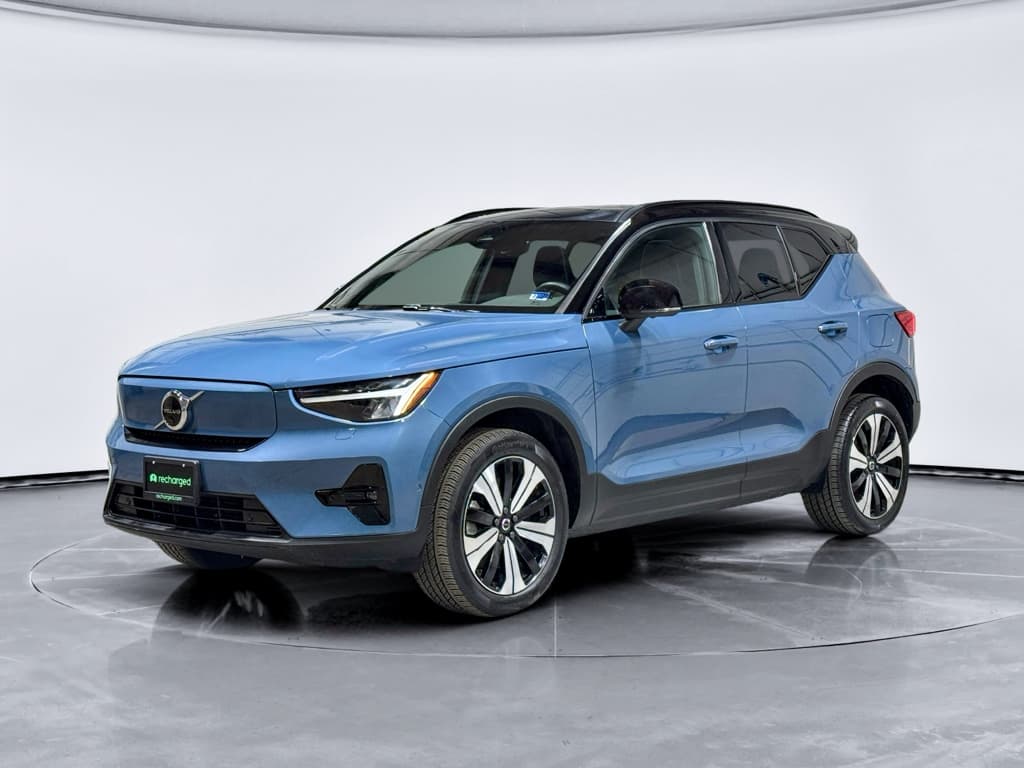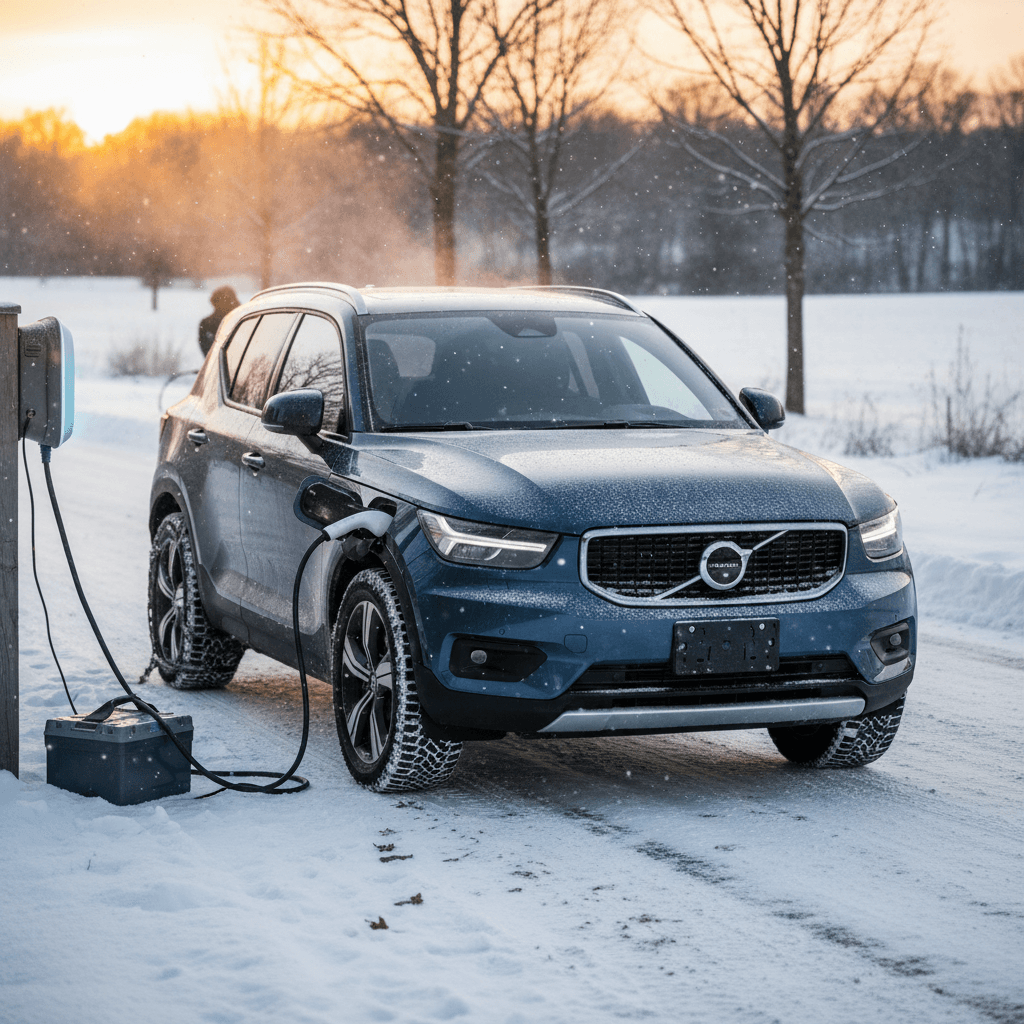
If you own a Volvo XC40 Recharge and just went through your first real cold snap, the winter range loss can feel brutal. One day your car is confidently showing 220 miles; then a polar vortex hits and you’re staring at barely 120–150. The good news: most of this winter range loss is normal and manageable, and there’s a lot you can do to get your usable miles back.
Fast answer
XC40 Recharge winter range loss at a glance
XC40 Recharge winter range, in real-world numbers
Across many studies, modern EVs retain about 80% of their rated range in freezing conditions on average, meaning around a 20% loss in cold weather. In real-world testing and owner reports, the Volvo XC40 Recharge tends to sit on the more sensitive side of that spectrum, especially at highway speeds and in sub‑freezing temperatures. That doesn’t mean it’s a bad winter car, it just means you have to drive it like you understand batteries, not gasoline.
Why your XC40 Recharge loses range in cold weather
1. Cold batteries are lazy batteries
Inside your XC40 Recharge, lithium ions move through the battery’s electrolyte to deliver power. In warm weather they slip through easily. In the cold, they move more slowly and can’t deliver or accept energy as efficiently. That alone reduces usable range and slows charging.
Volvo’s battery management system also protects the pack at low temps by holding back some capacity until the cells warm up. So the car may "hide" range when it’s frigid, then gradually release it as you drive.
2. Heat is your new biggest energy consumer
In a gas car, you get cabin heat "for free" from engine waste heat. In an EV like the XC40 Recharge, every BTU of warmth comes directly from the battery. Your cabin heater can pull several kilowatts, which is like adding another small motor.
Short trips are especially punishing, because the car must re‑heat a cold cabin and battery each time. That’s why winter commuting can feel much worse than a longer highway run once everything is warm.
- Increased rolling resistance from winter tires and slushy roads eats into efficiency.
- Higher speeds exaggerate aerodynamic drag, and cold, dense air makes it worse.
- Frequent use of defrosters, heated mirrors, and wipers adds to consumption.
- Parking outside overnight forces the battery to re‑warm every morning.
Don’t blame the car too quickly
How much winter range loss is normal for a Volvo XC40 Recharge?
Let’s pin some numbers down. Exact range depends on wheel size, driving style, year, and whether you have a heat pump, but most dual‑motor XC40 Recharge models sit around 220–230 miles EPA‑rated range in ideal conditions. Here’s what owners typically see once the temperature drops.
Typical XC40 Recharge winter range vs. EPA rating
Approximate real‑world patterns reported by Volvo XC40/C40 owners in North America and Europe. Your numbers will vary, but this gives you realistic guardrails.
| Outside temp | Driving profile | What many XC40 Recharge drivers report | Approximate loss vs. EPA |
|---|---|---|---|
| 45–60 °F (7–16 °C) | Mixed city/highway, climate on | 180–210 mi from full | −10–20% |
| 32–40 °F (0–4 °C) | Suburban + highway at 65–70 mph | 150–185 mi | −20–30% |
| 14–32 °F (−10–0 °C) | More highway, heater on, winter tires | 130–170 mi | −25–40% |
| 0–14 °F (−18 to −10 °C) | Highway, strong heat, snow/ice | 110–150 mi | −35–50% |
| Below 0 °F (≤ −18 °C) | Highway, cold‑soaked battery, short trips | 90–130 mi | Up to −50% or slightly more on bad days |
Assumes healthy battery, mixed driving, and normal use of climate controls.
Compare to other EVs
Real XC40 Recharge owner experiences in winter
Forum posts from XC40 and C40 drivers in Canada, the northern U.S., and northern Europe tell a consistent story: when winter really sets in, the gauge can feel like it’s melting.
“From getting easily 200 miles to a charge (90%) to only 110… I expected some drop off in range, but not this much.”
In milder climates, say, around 30–40 °F, owners often report a 20–30% hit, especially on snow tires. In places like Alberta or Alaska, drivers talk about their XC40 Recharge delivering roughly half its rated range once temperatures plunge below zero, particularly at highway speeds with the cabin set to comfortable gas‑car temperatures.
The flip side: spring comes back, and so does range
XC40 Recharge features that help (or hurt) winter range
How your XC40 Recharge is built for winter, if you use it right
Some hardware helps; some options quietly drain miles.
Heat pump (if equipped)
Some XC40 Recharge trims include a heat pump, which can dramatically reduce how much energy cabin heating uses in cool to moderately cold weather. It scavenges heat instead of making it from scratch. In brutal cold, it still needs help from resistive heaters, but in normal freezing temps it can shave several kW off your climate load.
Heated seats & wheel
These are your new best friends. Heating your body directly uses much less energy than heating all the air in the cabin. Running seats and wheel on high with the cabin temperature a few degrees lower is an easy way to save 5–10% of range on a commute.
Defrost & cabin heater
Front and rear defrost, high fan speeds, and constant max heat can pull a lot of power, especially on short drives. Use them to clear the glass, then dial them back and let seat heaters do most of the work.
Big wheels, winter tires, and aero drag
Many XC40 Recharge models ride on 19–20 inch wheels. They look great but add rotational mass and wider rubber. Winter tires add even more rolling resistance. Combined with cold, dense air and a tall, boxy SUV profile, that’s a recipe for noticeably higher consumption at 70+ mph.
Software, route planning, and eco modes
The Android‑based infotainment and Volvo apps can precondition the cabin and battery before you leave or before a fast charge stop. Some drive modes soften throttle response and climate output. Used together, they can turn a "thirsty" winter XC40 into a far more efficient commuter without feeling like you’re suffering.
Driving strategies to cut Volvo XC40 Recharge winter range loss
6 simple driving habits that make winter range livable
1. Slow down 5–10 mph on the highway
At 70–75 mph, your XC40 Recharge is pushing a lot of cold, dense air. Dropping to 60–65 mph can easily save you <strong>10–15% of energy use</strong> on a trip, which often feels like getting back a chunk of "lost" winter range.
2. Stretch trips instead of stacking short hops
An EV is most efficient once the battery and cabin are warmed up. If you can combine errands into one longer loop instead of three cold starts, you’ll see less dramatic range loss, especially on days below freezing.
3. Use seat heaters first, cabin heat second
Turn on seat and steering wheel heaters early, then reduce cabin temperature by a few degrees. You stay comfortable, but the car doesn’t have to constantly pump warm air into a cold box of glass and metal.
4. Anticipate traffic and coast more
Smooth, anticipatory driving lets you make better use of regenerative braking instead of stabbing the friction brakes. In slippery conditions, it also makes the car easier to control and less likely to spin up the tires and waste energy.
5. Avoid long high‑speed stretches on a near‑empty battery
Running 75 mph into a headwind with 12% charge in sub‑freezing temps is a stressful way to learn about cold‑weather degradation. Give yourself extra buffer, aim to arrive with 15–20% instead of 5–10% in winter.
6. Don’t chase the EPA number in January
Treat the EPA range as a summer best‑case. In winter, plan using a conservative estimate and treat anything above that as a pleasant surprise.
Quick rule of thumb
Best charging & preconditioning habits in winter
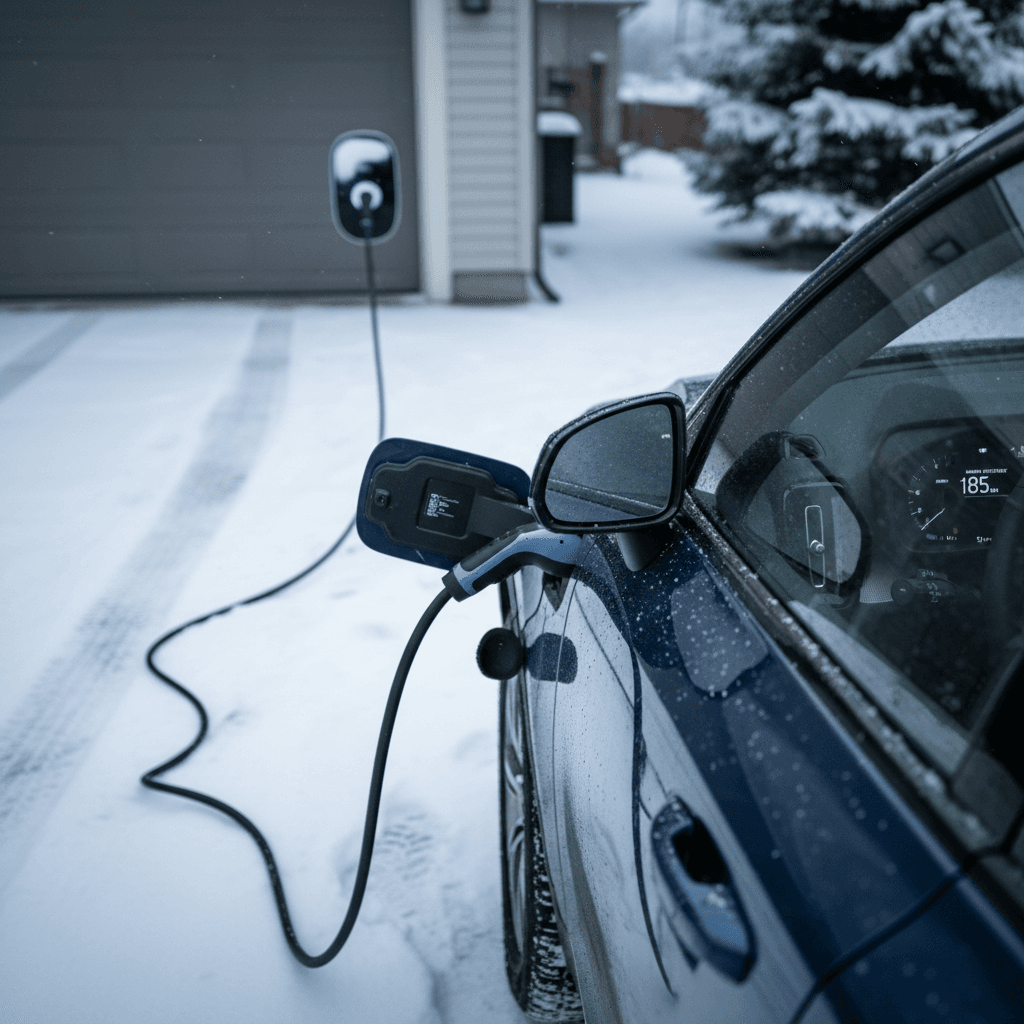
Cold weather doesn’t just steal miles while you’re driving; it also changes how you should think about charging your XC40 Recharge. The goal is to start each trip with a warm battery and cabin while using as little stored energy as possible to get there.
- Whenever possible, leave the car plugged in overnight in cold spells so it can maintain a healthier battery temperature and draw power from the grid instead of the pack.
- Use the Volvo app or in‑car scheduling to precondition the cabin while plugged in 20–30 minutes before departure. Warming the car from wall power preserves more battery for driving.
- If you’re headed to a DC fast charger, set the location in the navigation so the car can warm the battery before you arrive, improving charge speeds.
- Avoid fast‑charging a stone‑cold battery whenever you can. A quick Level 2 top‑up at home or work before a road trip is easier on the pack and improves DC fast charge times later.
- In the coldest weather, don’t be afraid to charge to 90–100% for long highway days. Just avoid living at 100% for days on end; charge up, drive, and let it drift back into the normal 30–80% band between trips.
Watch out for "phantom" loss when parked cold
Planning winter trips with an XC40 Recharge
The XC40 Recharge can be a solid winter road‑trip partner, but you need a different mental model than you used with a gas Volvo wagon. Winter range loss isn’t just a number, it changes how you choose routes, charger spacing, and even departure times.
Trip‑planning tweaks that make winter road trips uneventful
Think in miles between chargers, not just percentage on the dash.
Leave with warm battery, not just full battery
Plan your departure so the car finishes charging close to when you leave and is preconditioned while still plugged in. A 90% warm battery will be more useful than 100% that’s been sitting outside at 10 °F for hours.
Shorten legs, lengthen your buffer
In summer, you might stretch between chargers with 15–20% arrival. In winter, especially in rural areas, plan for **25–30% arrival**. That gives you headroom if roads are slow, a charger is busy, or your consumption is worse than expected.
Lean on route planners
Use in‑car navigation and third‑party apps to plan legs based on **realistic winter consumption**, not just EPA data. If the app says you’ll arrive with 18%, assume 12–15% in genuine winter conditions unless you’re driving very gently.
Have a plan B when it’s truly ugly out
In blizzards or extreme cold, it’s smart to identify backup chargers along your route. It’s the EV equivalent of knowing where the next gas station is on an empty stretch of interstate, and it turns range anxiety into simple trip management.
Does winter driving hurt your XC40 Recharge battery?
Cold temperatures are actually less damaging to battery health than extreme heat. The XC40 Recharge’s thermal management system keeps the pack within a safe window, and most winter habits that help with range, like avoiding repeated high‑power DC charging on a cold pack, also protect long‑term health.
- Short winter drives with heavy heat use can make degradation look worse in the app because of how the car estimates range, but they don’t destroy the pack overnight.
- Frequent fast‑charging in freezing weather, especially on a cold‑soaked battery, is tougher on the cells. Let the car precondition the pack before fast charging when possible.
- Letting the car sit at very low state of charge (under ~10%) in extreme cold for days is not ideal. If you’re parking long‑term outside, store it closer to 40–60%.
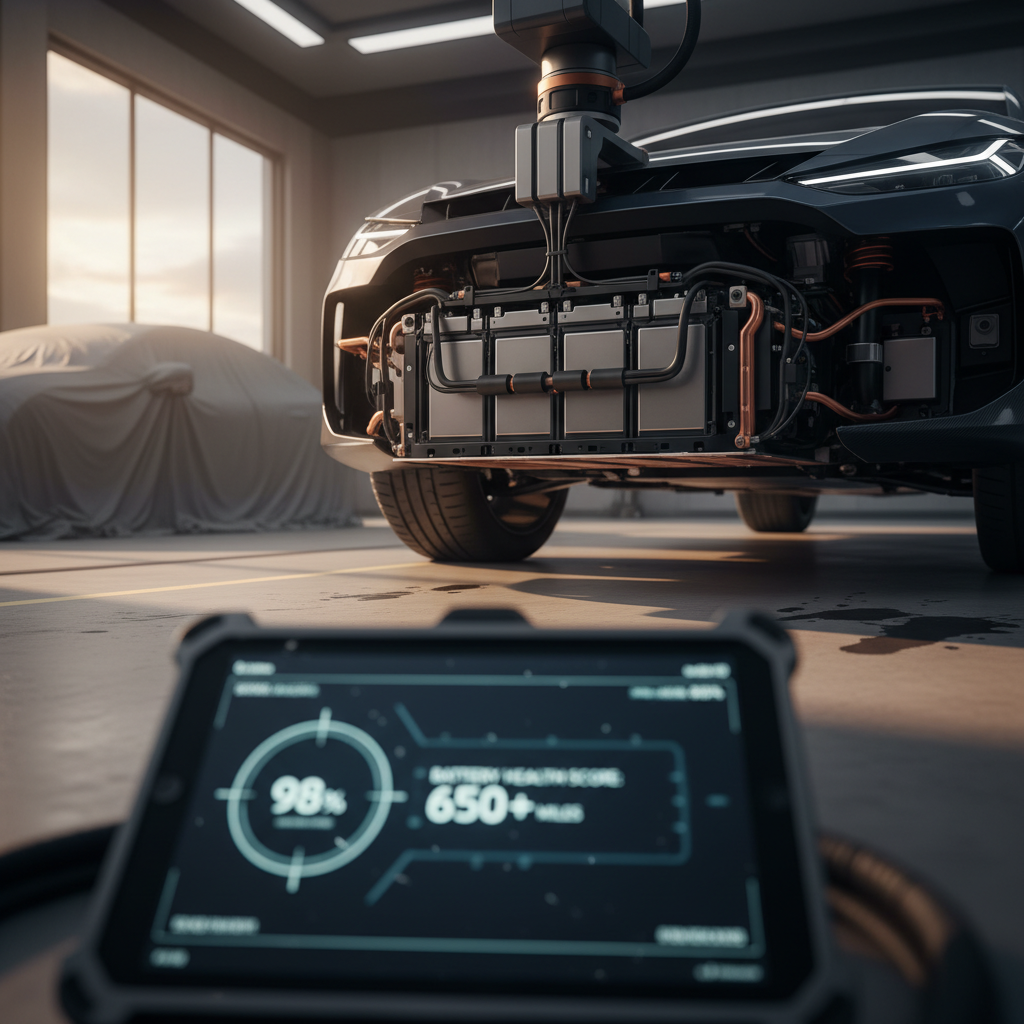
How Recharged checks battery health on used XC40 Recharge models
Ready to find your next EV?
Browse VehiclesBuying a used XC40 Recharge if you live in a cold climate
If you’re eyeing a used Volvo XC40 Recharge in Minnesota, Colorado, upstate New York, or any other winter‑heavy region, you’re shopping for two things at once: the right car, and the right match to your daily routine when it’s 10 °F and dark by 4:30 p.m.
Cold‑climate checklist for a used XC40 Recharge
Confirm real‑world winter range for your routes
Map your longest regular winter trips, work commute, kid drop‑offs, ski hill runs, and allow for **40–50% loss** on the coldest days. If that still leaves you comfortable buffer, the XC40 Recharge can work well for you.
Ask specifically about heat pump and wheel setup
If range matters more than style, favor trims with the **heat pump** and smaller wheels with sensible‑width tires. That’s free efficiency every single winter mile.
Look at battery health, not just dash range
A cold car will always show less range than a warm one. A proper battery health check, like the Recharged Score you get on every vehicle we list, tells you how much capacity the pack has actually retained.
Test preconditioning and app connectivity
During a test drive or inspection, verify that **remote preconditioning** works and the app can reliably wake the car. In winter, that’s as important as heated seats.
Consider home charging options before you buy
Owning an EV in a cold climate is much easier with **Level 2 home charging**. If you’re not set up yet, plan for installation or look for a property that already has a 240V outlet or wallbox.
Factor winter tires into the budget
A good set of winter tires is a safety upgrade and a range hit at the same time. Budget for them, and expect slightly higher winter consumption when they’re mounted.
How Recharged can help
FAQ: Volvo XC40 Recharge winter range loss
Common questions about XC40 Recharge winter range
Bringing your XC40 Recharge winter range back under control
Living with a Volvo XC40 Recharge in winter is all about expectations and habits. Yes, you’re going to see real, noticeable winter range loss, often more than you were promised on the window sticker. But once you understand why it happens and how much of it you can influence with preconditioning, speed, and smart charging, the drama fades. Your daily life starts to look less like "range anxiety" and more like a new normal.
If you’re already in an XC40 Recharge, experiment on your own routes: test a few commutes with slower speeds and heavier use of seat heaters, and watch how many miles you actually cover per percent of battery. If you’re still shopping, especially in the used market, lean on tools like the Recharged Score report and EV‑savvy specialists who understand how these cars behave at 10 °F, not just in August. The technology is ready for winter, you just need to meet it halfway.