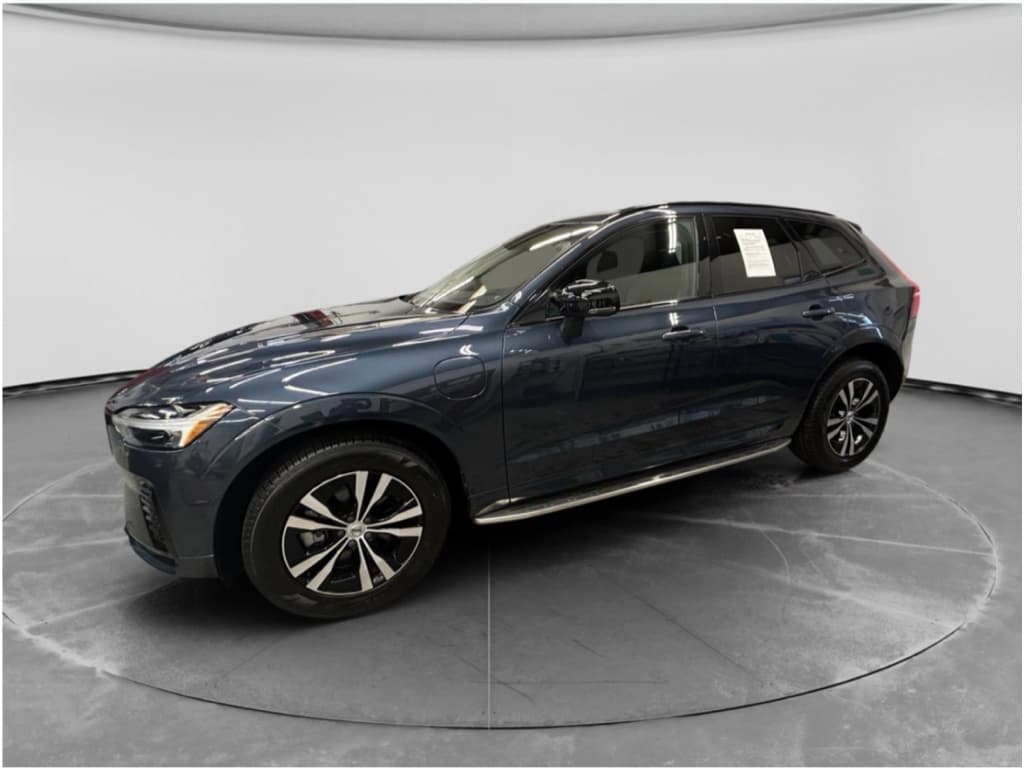
If you own or are shopping for a used Volvo XC40 Recharge, understanding the current XC40 Recharge recalls list is part of doing your homework. Recalls are common on modern EVs, but you need to know which issues apply to your specific SUV, how urgent they are, and whether they’ve already been fixed.
Important context
Volvo XC40 Recharge recall overview
Since its launch for the 2021 model year, the Volvo XC40 Recharge has had a handful of recalls, most of them software-related safety fixes rather than hardware redesigns. That’s typical for newer EVs packed with driver‑assist tech and complex brake and battery management systems.
XC40 Recharge recall landscape in plain English
For most owners, recalls translate into a free repair or software update rather than a deal-breaker. The real risk comes if you ignore them, especially when they involve braking performance or critical driver‑assistance functions.
Major XC40 Recharge recalls by issue
Volvo and U.S. safety regulators don’t publish a tidy “XC40 Recharge recalls list” on one page, but several high‑profile campaigns matter if you own or are considering this EV. Below is a plain‑language breakdown of the big themes you’ll see when you search your VIN.
Common XC40 Recharge recall themes
These are the patterns that show up most often when you look at NHTSA and Volvo recall notices for this model.
1. Brake system software
One of the most serious recent recalls involves the brake control software on certain Volvo EVs, including specific XC40 Recharge model years. Under very specific conditions, prolonged use of strong regenerative braking (one‑pedal driving or “B” mode) while traveling downhill could compromise hydraulic brake function.
Volvo and NHTSA responded with an urgent software update and even a temporary “do not drive” warning for vehicles that hadn’t received the fix. If your XC40 Recharge is in the affected range, this recall should be at the top of your to‑do list.
2. Drivetrain & unintended acceleration logic
Earlier in the XC40 Recharge’s life, Volvo issued recalls related to powertrain control software on this platform. In rare conditions, incorrect logic could contribute to unexpected behavior when maneuvering at low speeds, such as in parking structures.
Volvo’s fix has centered on updated control software and, in some cases, checks for moisture‑related issues in key components. If you’re looking at an early build (especially 2021–2022), verify that drivetrain‑related campaigns have been closed.
3. Rearview camera and display issues
Several owners report recalls and service campaigns related to the rearview camera and display behavior. Modern Volvos rely heavily on software to manage backup camera feeds and infotainment, and federal rules in the U.S. treat rear visibility as a safety‑critical feature.
If your backing camera is intermittent or you’ve been notified about an infotainment or “dashboard” recall, it’s often tied to improving the reliability of this system and how quickly the image appears when you select reverse.
4. Airbag and restraint components (platform-wide)
While some published airbag recalls have focused on close relatives like the C40/EC40, many restraint‑system suppliers and part numbers are shared with the XC40 Recharge. Campaigns may cover side airbags, steering‑wheel airbags, or sensor wiring that could reduce protection in a crash.
Airbag‑related recalls are less common than software updates, but they’re always priority work. If your VIN search shows any restraint‑system campaign, treat it as urgent and schedule the fix promptly.
Recall names can be confusing
XC40 Recharge recalls by model year
Because Volvo continually refines the XC40 Recharge, the recall picture looks a little different depending on whether you’re looking at an early 2021 launch model or a later 2024–2025 vehicle. Here’s a high‑level guide to what typically shows up by year in the U.S.:
Typical XC40 Recharge recall themes by model year (U.S.)
Use this as a directional guide only. Always confirm specifics by running a VIN search with Volvo or NHTSA.
| Model year | Common recall themes | Notes for shoppers |
|---|---|---|
| 2021 | Early software recalls (powertrain control, safety‑system logic) | Focus on making the first XC40 Recharge builds more consistent; confirm all software campaigns are completed. |
| 2022 | Ongoing software and drivetrain updates, rear camera/display improvements | Ask for documentation of both safety recalls and major infotainment updates. |
| 2023 | Brake‑system software campaign, plus earlier software fixes if not already applied | Brake recall status is critical; check for any open items before purchase. |
| 2024 | Brake software recall overlap and platform refinements | Later builds may ship with fixes already applied, but you should still run a VIN check. |
| 2025+ | Fewer early‑life issues expected, but software and camera/infotainment campaigns can still appear | Even new‑ish vehicles may receive recalls as regulators and Volvo learn from real‑world data. |
Patterns based on publicly available recall summaries and owner reports; not every vehicle within a model year is affected.
Name change note
How to check if your XC40 Recharge has an open recall
There’s no substitute for checking your specific SUV. Every recall is VIN‑based, and build variations mean two XC40 Recharge vehicles from the same year may have different recall histories.
Step-by-step: confirm your XC40 Recharge recall status
1. Find your VIN
Your 17‑character Vehicle Identification Number is usually visible at the base of the windshield on the driver’s side, on the driver‑door jamb, and in your registration or insurance documents.
2. Use Volvo’s recall lookup
Go to Volvo’s official support site and use the recall lookup tool. Enter your VIN to see active recalls and safety campaigns specific to your XC40 Recharge.
3. Check NHTSA’s database
Visit the National Highway Traffic Safety Administration website and use the VIN search tool. This cross‑checks open U.S. safety recalls recorded by regulators.
4. Call or email a Volvo dealer
Share your VIN with a Volvo service department and ask for a printout of all open and completed recalls. This is especially useful if you’re evaluating a used XC40 at a non‑Volvo lot or private sale.
5. Ask for service records
If you’re buying used, request service histories that show when recall repairs and major software updates were performed. Look for campaign codes and dates that line up with any alerts you saw online.
6. Re-check periodically
New recalls can be issued as vehicles age. Even if your XC40 Recharge is clear today, it’s smart to run a VIN search once or twice a year or whenever you receive a notice.
Pro tip for used buyers
What to do if your XC40 Recharge is under recall
Finding an open recall on your Volvo XC40 Recharge isn’t a reason to panic, but it is a reason to act. How quickly you need to move depends on the type of problem being fixed.
High-urgency recalls (brakes, airbags, propulsion)
- Stop driving if advised. For critical issues, like the brake‑software campaign, Volvo and NHTSA may recommend a “do not drive” stance until your vehicle receives the remedy.
- Disable risky modes. If guidance says to avoid one‑pedal driving or a specific setting, follow it to the letter until your dealer confirms the fix is installed.
- Schedule service immediately. Call your Volvo dealer, mention the recall ID, and ask for the earliest appointment. Recalls are performed at no charge.
Lower-urgency recalls (labeling, minor software quirks)
- Plan the visit. These recalls still matter, but you can often coordinate them with routine service or tire rotations.
- Confirm completion. Ask the service advisor to show that the campaign code is now marked as completed in Volvo’s system.
- Test-drive afterward. After any software or hardware fix, take a short drive. Confirm that brakes, driver‑assist, and infotainment all behave as expected.
Good news on cost
Recalls vs. TSBs vs. over-the-air updates
When you start digging into XC40 Recharge issues, you’ll see three different types of factory action: recalls, technical service bulletins (TSBs), and over‑the‑air (OTA) updates. They’re related but not the same.
How Volvo addresses XC40 Recharge issues
Understanding the labels helps you prioritize what matters most.
Safety recall
Definition: A safety‑related defect or regulatory non‑compliance that Volvo must fix at no cost to you.
How it works: You’re notified, the campaign is posted on NHTSA and Volvo’s site, and dealers perform a specific repair or software update.
Priority: Highest. These are the issues this article focuses on.
Technical Service Bulletin (TSB)
Definition: Guidance from Volvo to dealers on how to diagnose or repair a known issue.
How it works: A TSB may or may not be free to you, depending on warranty status. Think of it as a playbook, not a mandatory safety action.
Priority: Medium. Helpful for recurring quirks like infotainment or camera glitches.
Over-the-air (OTA) update
Definition: Software updates that download directly to your XC40 Recharge, often improving features or reliability.
How it works: Some recalls are fixed partially or entirely via OTA. Others require a dealer visit even if software is involved.
Priority: Varies. Always read the release notes; some are convenience updates, others support safety campaigns.
Don’t confuse OTA updates with recall repairs
How recalls affect used XC40 Recharge shoppers
If you’re considering a used Volvo XC40 Recharge, recalls shouldn’t scare you away automatically. In many cases, they can actually be a positive sign that the automaker and regulators are paying close attention. The key is making sure open issues have been addressed and that the vehicle’s overall condition checks out.
Used XC40 Recharge: recall and safety checklist
1. Run the VIN every time
Before you negotiate, plug the VIN into Volvo’s site and NHTSA’s database. Print the results or save screenshots so you know which recalls apply and whether they’re closed.
2. Ask for proof of recall work
Request invoices or service records showing recall campaign codes and dates. If the seller can’t prove it, assume the work may still be outstanding and factor the time and inconvenience into your offer.
3. Look for software update history
Modern EVs live and die by software. Ask whether the XC40 Recharge has been kept current with OTA updates and dealer software campaigns, especially for braking, driver‑assist, and infotainment systems.
4. Confirm brake and camera behavior on a test drive
On the test drive, pay close attention to brake feel (both with and without one‑pedal driving enabled) and rear‑camera performance. Any warning messages, delayed images, or odd behavior are reasons to pause.
5. Get a battery and high-voltage health check
Recalls don’t usually tell you much about long‑term battery health. A marketplace like Recharged includes a Recharged Score Report with verified battery diagnostics, so you can see degradation and charging history, not just whether recalls are done.
6. Consider who you’re buying from
A franchised Volvo dealer or a specialist used‑EV retailer like Recharged is more likely to be on top of recall closures and software status than a general lot or private seller, but you should always verify for yourself.
How Recharged fits in
Volvo XC40 Recharge recalls: FAQ
Common questions about XC40 Recharge recalls
Modern EVs like the Volvo XC40 Recharge evolve quickly, and recalls are one way that automakers and regulators keep them safe in the real world. Your job as an owner, or future owner, is to stay informed, use VIN tools instead of guesswork, and make sure the right fixes have been applied. Do that, and an XC40 Recharge with a few closed recalls can still be a smart, safe electric SUV, especially when you pair it with transparent battery‑health data from a marketplace like Recharged.