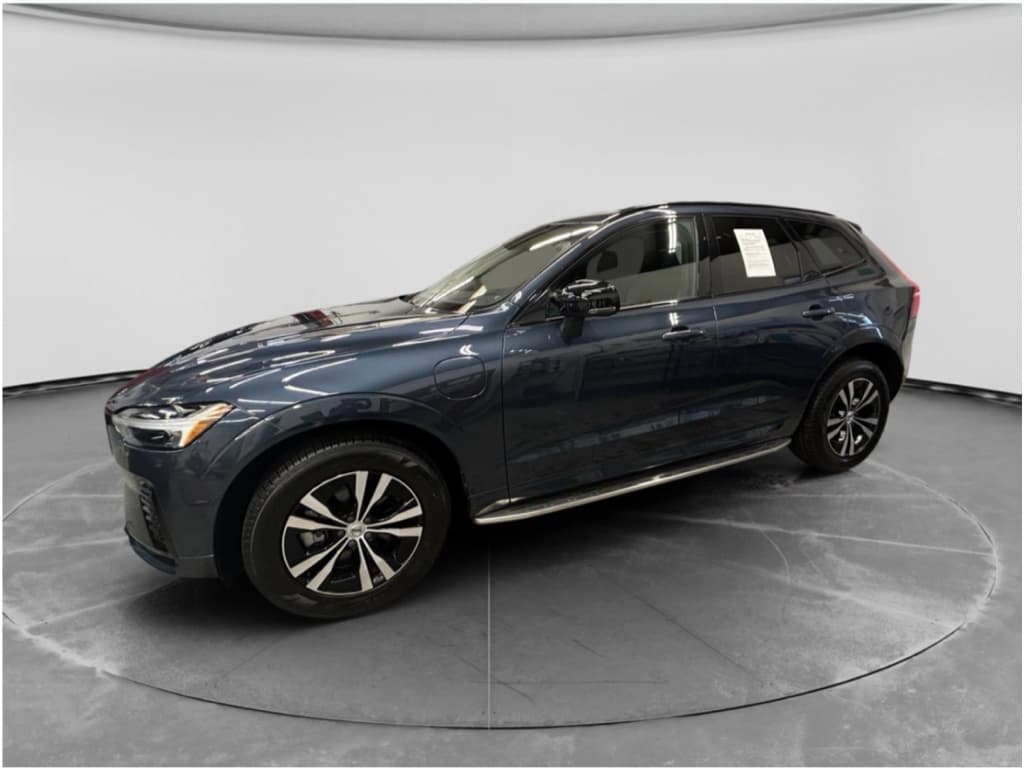
If you own or are shopping for a Volvo XC40 Recharge, the high‑voltage battery is the most expensive component in the vehicle, and the one most shoppers worry about. Understanding the XC40 Recharge battery warranty details is crucial whether you’re buying new, comparing it to competitors, or evaluating a used EV on a dealer lot.
Short answer
XC40 Recharge battery warranty at a glance
Volvo XC40 Recharge battery warranty snapshot (U.S.)
The exact numbers on your XC40’s warranty card may vary slightly by model year and market, but for U.S. buyers the pattern is consistent: an 8‑year high‑voltage battery warranty layered on top of a 4‑year/50,000‑mile bumper‑to‑bumper limited warranty and complimentary scheduled maintenance for the early years of ownership. That structure gives first and second owners a long runway where major battery defects and abnormal degradation should be covered.
How Volvo warranties an electric XC40 Recharge
Volvo publishes a standard warranty package for U.S. vehicles that applies to the XC40 Recharge, with EV‑specific add‑ons for the high‑voltage pack. When you see a late‑model XC40 Recharge advertised, you’re usually dealing with three overlapping pieces of coverage:
- New Vehicle Limited Warranty: 4 years or 50,000 miles, covering defects in materials or workmanship on most components.
- Powertrain warranty: Typically aligned at 4 years/50,000 miles on electric models, covering drive units and related components even though there’s no traditional engine.
- High‑voltage (HV) battery warranty: Generally 8 years from the in‑service date, with a mileage cap (commonly 100,000 miles in the U.S.) and specific terms around capacity loss.
Check your exact booklet
On top of the warranties, Volvo offers a separate Complimentary Factory Scheduled Maintenance program for fully electric models. For 2022–2025 BEVs in the U.S., that typically covers the first scheduled services over 4 years/40,000 miles; for 2026 models it’s trimmed to 2 years/20,000 miles. While that’s not a warranty, staying inside that maintenance schedule can help avoid disputes if a major battery claim ever arises.
High‑voltage battery warranty details
The high‑voltage battery in the XC40 Recharge is a large lithium‑ion pack integrated under the floor. It’s engineered to last the life of the vehicle, but Volvo backs that up with a dedicated HV battery warranty that sits on top of the general new‑car coverage.
- Term: Typically 8 years from the original in‑service date (when the vehicle was first delivered to a retail customer).
- Mileage cap: In most U.S. documentation, 100,000 miles is the standard cap for the HV battery warranty on XC40 Recharge models.
- What’s covered: Defects in materials or workmanship in the high‑voltage battery pack and, under newer policies, degradation beyond a specified capacity threshold during normal use.
- Who’s covered: Warranty coverage follows the vehicle, not the owner. If you buy a used XC40 Recharge in year three, you usually get the remaining years and miles of HV battery coverage, as long as the car hasn’t been excluded for other reasons.
Battery warranty vs. “wear and tear”

Battery degradation: what Volvo actually guarantees
Every lithium‑ion pack loses some capacity over time, that’s true for phones, laptops, and EVs. What matters for an XC40 Recharge is how much capacity loss triggers warranty action. Volvo’s U.S. warranty language references a minimum state of health (SOH) threshold, and more recent policy updates focus on a 70% capacity floor for EV batteries.
- If your XC40 Recharge battery’s usable capacity falls below the stated SOH threshold (often around 70%) during the 8‑year/100,000‑mile window, Volvo can repair or replace the pack.
- In many cases Volvo may use a refurbished battery rather than a brand‑new pack, as long as the replacement meets or exceeds the capacity that triggered your claim.
- Capacity is evaluated using Volvo’s own diagnostic tools. Dashboard range estimates by themselves aren’t enough, dealers read SOH data directly from the battery management system.
Degradation claims require data
For most owners who drive 10,000–15,000 miles a year and avoid extreme abuse, it’s uncommon to hit that 70% threshold within eight years. That’s why, in practice, the HV battery warranty is more of a safety net for rare defects than a guarantee that your range will feel brand‑new forever.
What can void or limit your XC40 battery warranty
High‑voltage battery warranties are generous, but they’re not unconditional. Like other automakers, Volvo builds in exclusions around improper use, neglect, and unauthorized repairs. If you’re buying used, or stretching a maintenance schedule, it’s worth knowing what can put coverage at risk.
Common factors that can threaten HV battery coverage
Most owners never run into these issues, but used shoppers should ask about them.
Physical or impact damage
Unauthorized modifications
Abuse and misuse
Ignoring required checks
Don’t assume every problem is “battery”
Buying a used XC40 Recharge: is the battery warranty still active?
This is where a lot of confusion hits the used market. The XC40 Recharge’s high‑voltage battery warranty is tied to the vehicle, not just the first owner. That means a 3‑year‑old XC40 Recharge with 30,000 miles typically still has about 5 years and 70,000 miles of HV battery coverage left, assuming it was put in service three years ago and has a standard 8‑year/100,000‑mile battery warranty.
- If you’re the second or third owner, you usually inherit the remaining HV battery warranty automatically; there’s no transfer fee.
- A separate Certified by Volvo (CPO) warranty can extend other coverage, but the HV battery terms still come from the original EV battery warranty.
- Gaps in general maintenance may not automatically kill the HV battery warranty, but they can complicate any large claim, especially if the car has been obviously neglected.
How Recharged helps on used XC40 Recharge purchases
Ready to find your next EV?
Browse VehiclesBecause the XC40 Recharge launched as a premium compact EV, many early cars now entering the used market still have several years of battery coverage left. The smart play is making sure you know exactly how much, and how it interacts with any dealer or CPO add‑ons you’re being offered.
How to verify remaining battery and new‑car warranty coverage
Whether you’re already driving an XC40 Recharge or eyeing one on a used lot, don’t guess about warranty coverage. You can confirm it with a few concrete steps before you commit.
Checklist: Confirming XC40 Recharge battery warranty before you buy
1. Get the full VIN and in‑service date
Ask the seller for the 17‑digit VIN and the original in‑service date, the day the first owner took delivery. That start date is what the 8‑year/100,000‑mile battery clock is counting from.
2. Call a Volvo retailer’s service department
Give the VIN to a Volvo dealer and ask them to confirm remaining New Vehicle Limited Warranty and high‑voltage battery warranty in years and miles. Ask if there are any recorded warranty restrictions or flags.
3. Request service history
Ideally, you want records of scheduled checks and any software updates. Gaps aren’t an automatic deal‑breaker, but a consistent service history supports smooth warranty claims later.
4. Ask for a battery health report
Some sellers, and platforms like Recharged, can provide a battery health or state‑of‑health summary. That won’t replace Volvo’s own diagnostics, but it gives you a reality check on range and degradation.
5. Inspect for impact or flood history
Frame damage, underbody strikes, or flood titles can all bring HV battery coverage into question. A clean title and inspection reduce the odds of a surprise denial down the line.
Use a digital buying experience to your advantage
Range vs. warranty: what’s normal battery loss?
Warranty documents talk in terms of state of health, but what you feel day‑to‑day is range. A new XC40 Recharge typically offers well over 200 miles of EPA‑rated range depending on configuration and model year. As the pack ages, that number will soften.
What usually counts as “normal”
- A small drop in range, often 5–10%, in the first couple of years as the battery settles.
- Slightly faster range loss if you routinely fast‑charge on road trips or drive in very hot or cold climates.
- Seasonal swings from winter temperatures or heavy HVAC use that come back when the weather changes.
When to start asking questions
- Real‑world range that’s consistently 25–30% lower than when the car was new, with no obvious cause.
- Sudden, step‑change drops in shown range after a software update or event, not gradual loss.
- Charging behavior that changes abruptly, very slow DC fast‑charging or early charge cut‑offs.
In these cases, a Volvo dealer can run a battery health check and compare SOH to the warranty threshold.
Cold weather is not degradation
Maintenance and charging habits that protect your warranty
You don’t have to baby an XC40 Recharge, but small habits can stretch real‑world range and keep you well within Volvo’s expectations for “normal” use, important if you ever need to lean on the HV battery warranty.
Owner habits that support battery health and warranty claims
These steps help both your range and your relationship with Volvo if something goes wrong.
Use Level 2 home charging
Avoid repeated 0% discharges
Don’t live at 100%
Follow basic service intervals
Monitor software updates
Watch your tires and alignment
XC40 Recharge battery warranty FAQs
Frequently asked questions about XC40 Recharge battery coverage
Key takeaways for XC40 Recharge owners and used shoppers
For Volvo XC40 Recharge drivers, the high‑voltage battery warranty is both a safety net and a negotiating tool. You’re typically covered for 8 years and up to around 100,000 miles against defects and excessive capacity loss, and that coverage follows the car through multiple owners. The flip side: the warranty doesn’t freeze your range where it was on day one, and it doesn’t cover every consequence of neglect, abuse, or flood damage.
If you’re shopping used, your best move is to verify remaining coverage by VIN, get a clear view of battery health, and understand how the previous owner treated the car. Platforms like Recharged were built with that transparency in mind, combining battery health diagnostics, warranty estimates, and market‑based pricing into one Recharged Score Report. Do that homework up front, and the XC40 Recharge’s battery warranty can shift from a lingering anxiety to a meaningful asset in your favor.