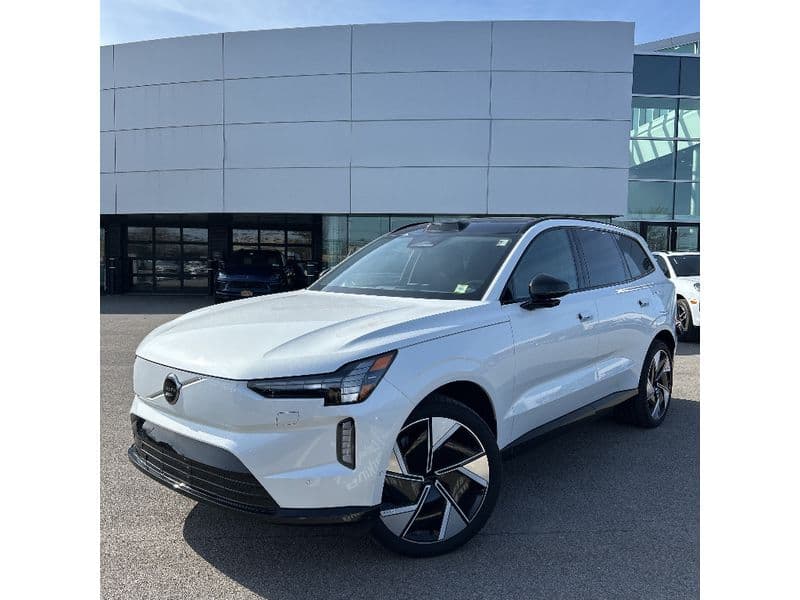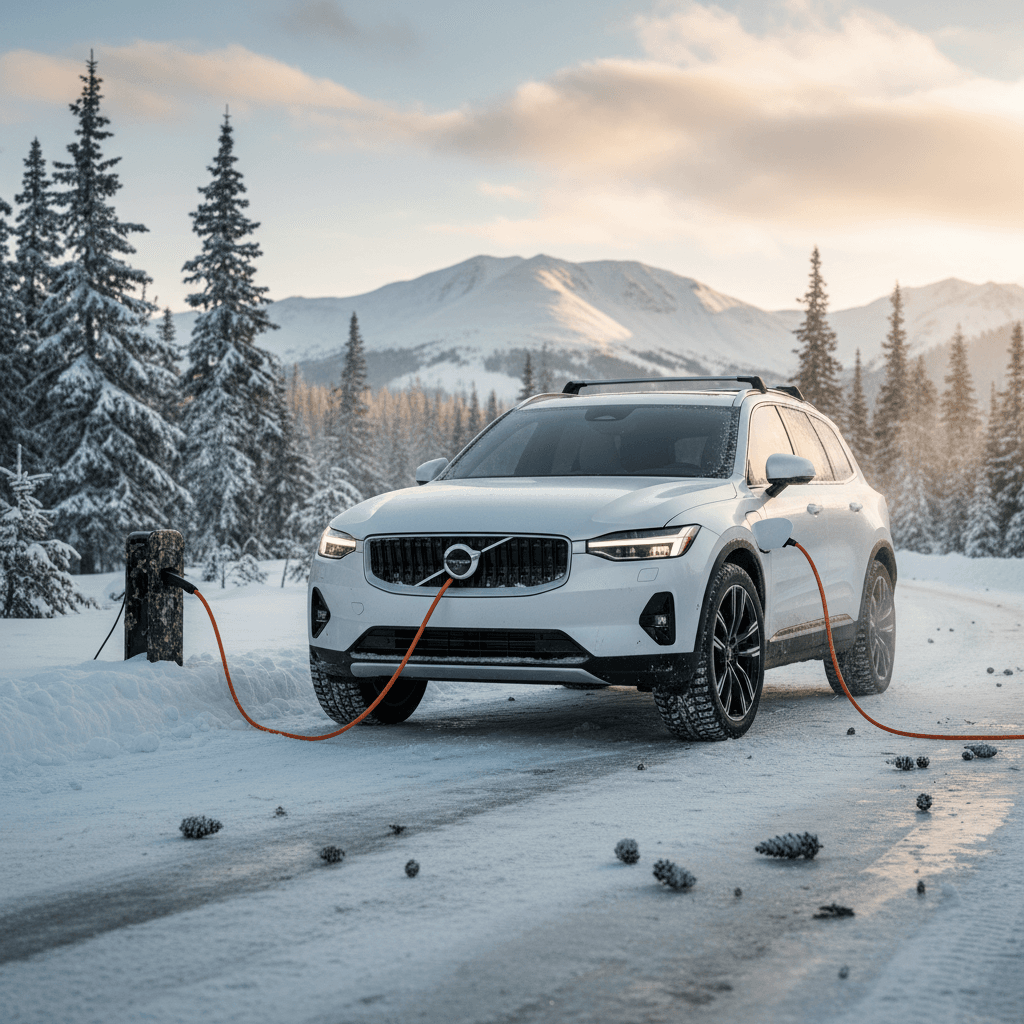
If you’re considering a Volvo EX90 and you live where winters are real, snow, ice, and long stretches below freezing, you’re probably wondering what the Volvo EX90 range in cold weather actually looks like. Official range numbers are great for brochures, but winter driving is a different story, especially for a big three‑row electric SUV.
Quick winter range snapshot
Volvo EX90 range basics vs winter reality
The Volvo EX90 is a large, three‑row electric SUV with a sizable battery pack and dual‑motor all‑wheel drive in U.S. trims. On paper, Volvo targets competitive range for the class, but there are three important differences between EPA-rated range and what you’ll see in January or February:
- EPA tests are done in controlled lab conditions, not at 10°F with slush on the road.
- Cabin heating for seven passengers draws a lot of power compared with a small sedan.
- Higher winter rolling resistance from cold tires and snow-covered pavement increases energy use.
Think of the window‑sticker range as a best‑case baseline for mild weather, mixed driving, and light HVAC use. In cold weather, you’re stacking several range‑robbing factors at the same time, most of them outside your control, so planning conservatively is key.
How much range you can realistically expect in winter
Highway speeds hurt most
How cold weather actually cuts Volvo EX90 range
Cold weather doesn’t just make the battery “worse.” It changes how the entire system in your EX90 behaves. Here are the main range killers and how they show up on the dash:
Main factors that reduce EX90 range in cold weather
Most winter range loss comes from a predictable set of causes.
Cold battery chemistry
At low temperatures, lithium‑ion cells can’t move energy as efficiently. Your EX90’s battery delivers less usable power until it warms up, and the car spends extra energy heating it.
Cabin & window heating
Defrost, seat heaters, steering‑wheel heat, and general cabin heating add a constant draw. Heating air uses significantly more energy than cooling in many conditions.
Road & tire resistance
Cold tires are stiffer, snow and slush add drag, and winter tires (if fitted) generally increase rolling resistance. All of that shows up as higher Wh/mi on your energy screen.
Higher aero drag
Cold air is denser. Combine that with a tall SUV profile and 70+ mph cruising, and the EX90 has to push much harder through the air than at 45–55 mph.
Short, frequent trips
If you make several short errands, the EX90 has to repeatedly warm the cabin and battery from a cold start. You burn energy in warm‑up without accumulating many miles.
Elevation & wind
Climbing hills, driving into a strong headwind, or crawling in messy traffic with traction control cutting in will all chip away at your winter range.
Watch Wh/mi, not just miles
Real‑world Volvo EX90 winter range examples
Exact numbers will vary by wheel size, load, and how Volvo finalizes software tuning, but you can use these example scenarios as a planning framework. Assume a healthy battery and all‑season or winter tires:
Example Volvo EX90 winter range scenarios
These are directional estimates meant to help you plan, not official Volvo data.
| Scenario | Conditions | Expected usable range | Planning advice |
|---|---|---|---|
| Suburban commute | 25°F, mix of 35–55 mph, some stop‑and‑go, preconditioned while plugged in | ~70–80% of rated range | Comfortably do your normal daily driving; charge at home overnight. |
| Highway trip | 20°F, steady 70–75 mph, family and cargo on board, no preconditioning | ~60–70% of rated range | Plan an extra DC fast‑charge stop or shorten the distance between stops. |
| Deep‑cold errands | 5–10°F, multiple 5–10 mile trips, car sits outside between drives | ~50–65% of rated range | Expect a big percentage hit; combine trips and preheat on the cord when possible. |
| Mild shoulder season | 40–50°F, varied speeds, light cabin heat | ~80–90% of rated range | Range feels close to EPA numbers; still plan conservatively on long drives. |
Adjust 5–10% either way based on your own driving style and conditions.
Why “percentage loss” looks worse on short drives
Winter features that help the EX90 keep its range
The Volvo EX90 comes with several technologies designed to make winter driving more efficient and comfortable. To get closer to the high end of those winter range estimates, you’ll want to lean on these features deliberately:
- Heat pump HVAC (where equipped) to move heat more efficiently instead of only using resistive heating.
- Battery preconditioning to warm the pack before fast charging or before you leave on a trip.
- Seat and steering‑wheel heaters so you can run cabin air at a slightly lower temperature.
- Eco or Range drive modes that soften throttle response and may dial back HVAC draw.
- Route‑aware navigation that can prep the battery for DC fast charging when you route to a station.
Use the grid, not the air
Best Volvo EX90 settings for cold weather driving
You don’t need to baby an EX90 in the winter, but a few setup changes can make a noticeable difference in both comfort and range. Here’s a simple winter configuration you can apply in a couple of minutes:
Cold‑weather setup checklist for your EX90
1. Enable departure preconditioning
In the Volvo app or on the center screen, schedule departures for workdays. This lets the EX90 warm the cabin and battery while it’s still plugged in, restoring range you’d otherwise spend on warm‑up.
2. Favor seat and wheel heat
Run seat and steering‑wheel heaters on medium and keep the main cabin temperature a notch lower. You’ll feel just as warm while using noticeably less energy.
3. Use an Eco/Range mode
When conditions allow, choose the most efficient drive mode. It typically softens throttle response and may cap peak HVAC draw, which stabilizes consumption at highway speeds.
4. Keep tires properly inflated
Cold snaps can drop tire pressures several PSI. Check pressures regularly; under‑inflation can eat a few percentage points of range and hurt winter traction.
5. Clear snow and ice fully
Brush snow off the roof, hood, and rear hatch. Extra weight and disrupted aerodynamics both hurt efficiency at speed, and snow sliding off can be a safety hazard.
6. Pre‑defrost windows
If the EX90 is plugged in, let it fully defrost windows before you leave, instead of blasting maximum defrost from the battery after you’re underway.
Don’t disable safety systems for range
Charging your Volvo EX90 in winter (home and DC fast)
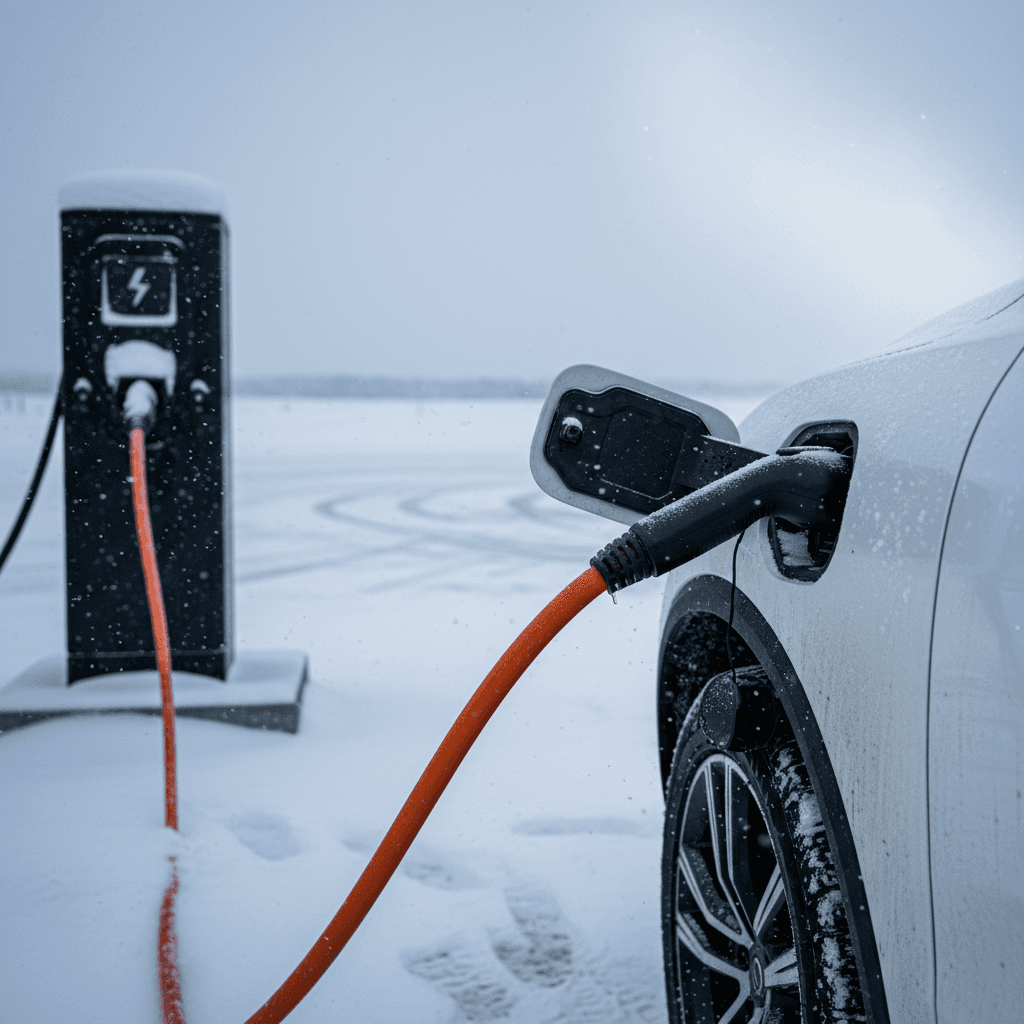
Charging behavior also changes when temperatures drop. The EX90’s software will protect the battery by reducing charge power when the pack is cold, which can surprise new EV owners at a DC fast charger in January.
Home charging in the cold
- Leave it plugged in whenever you can, especially overnight. The EX90 can manage pack temperature and be ready for preconditioning.
- Use scheduled charging so charging finishes close to departure time. A recently charged battery is warmer and more efficient.
- If you park outdoors, consider a proper Level 2 home charger to shorten winter charge times.
DC fast charging in winter
- Route to the fast charger via the built‑in navigation so the EX90 can precondition the battery on the way.
- Expect lower peak speeds when the pack is very cold; your first stop of the day may be slower than later ones.
- On long drives, arrive with a lower state of charge (10–20%) and charge only to 60–80% to minimize time at the charger.
Shorter, more frequent winter stops
Cold weather and long‑term battery health
Cold weather is tough on range day‑to‑day, but it’s generally easier on long‑term battery health than extreme heat. The biggest winter risks for an EX90 pack are fast‑charging or hard driving when the battery is still very cold.
- Avoid repeated DC fast‑charging from a cold start without preconditioning whenever possible.
- Don’t worry if the car limits regen or charge speed on frigid mornings, that’s the software protecting the pack.
- Keeping the EX90 in a garage, even an unheated one, reduces thermal stress swings.
- Aim to live between roughly 20–80% state of charge for daily use; save full charges for trips.
Battery health and resale value
What to look for in a used Volvo EX90 for winter
If you’re shopping the used market, winter performance should be part of your checklist, especially in snow‑belt states. A Volvo EX90 that’s been cared for properly will feel confident and predictable when the weather turns ugly.
Used EX90 winter‑readiness checklist
Questions to ask and items to inspect before you buy.
Battery & range history
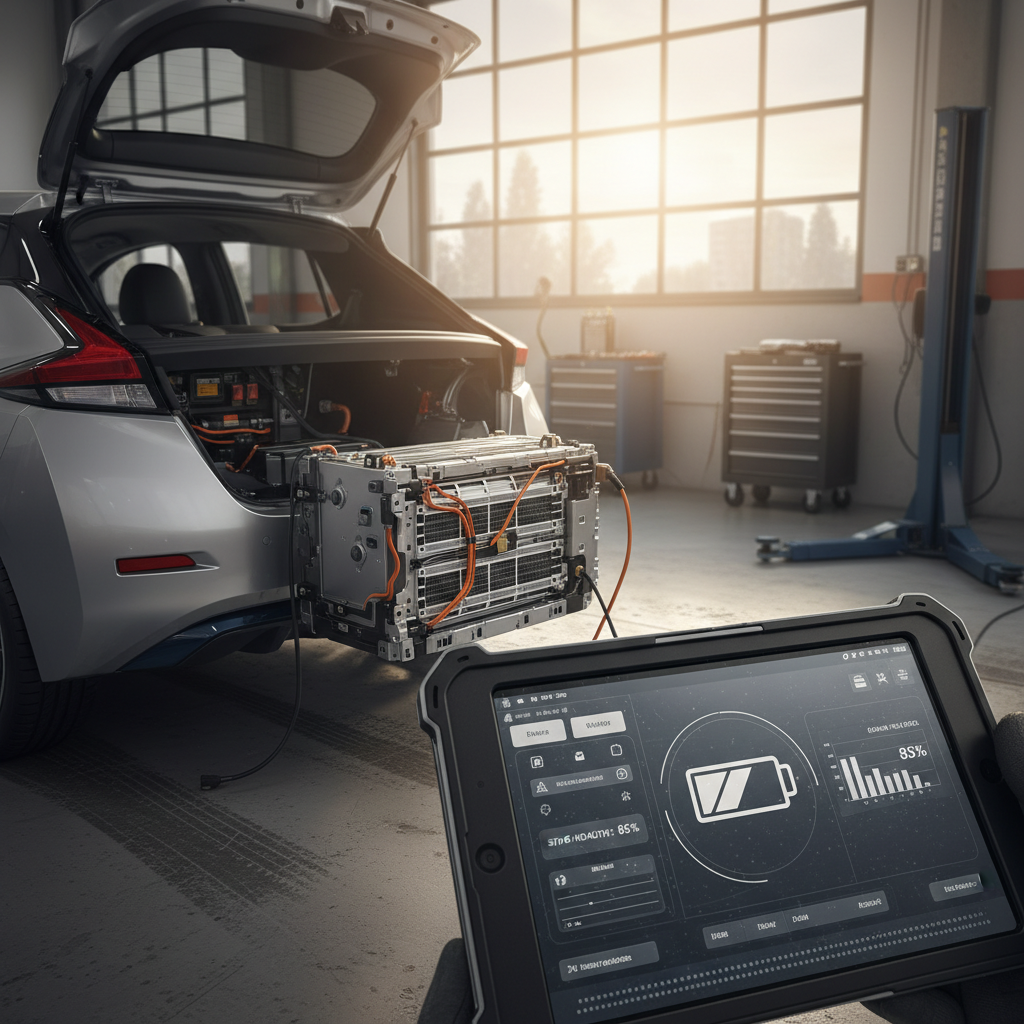
Ask how the EX90 has been charged: mostly home Level 2, or constant DC fast‑charging? Look for any signs of unusual degradation, such as the owner noticing a large drop in displayed miles at 100%.
On Recharged vehicles, the Recharged Score Report includes third‑party battery health diagnostics so you’re not guessing.
Wheels & winter tires
Check if a dedicated winter wheel/tire set is included. The right winter tires can transform cold‑weather confidence, even if they shave a few miles of range.
Software & features
Confirm that all over‑the‑air updates and winter‑specific features (preconditioning, battery heating, driver‑assist systems) are working as intended.
Storage history
Find out whether the EX90 was usually garaged or street‑parked. Regular garage storage reduces harsh freeze‑thaw cycles.
Test drive in the cold
If possible, test drive on a chilly day. Watch how quickly the cabin warms, how stable range estimates feel, and how traction control behaves on slick surfaces.
Total ownership picture
Factor in electricity rates, likely winter range, and any public charging you’ll need. Platforms like Recharged can help you estimate real‑world running costs for a used EX90 before you commit.
How Recharged can help
Ready to find your next EV?
Browse VehiclesVolvo EX90 cold weather FAQ
Common questions about Volvo EX90 range in cold weather
Key takeaways: Living with an EX90 in winter
The Volvo EX90 is built to handle real winters, but physics still applies. In freezing weather, expect to see something closer to 60–75% of the rated range on most days, with deeper cuts in extreme cold or on very short, heater‑heavy trips. That doesn’t make the EX90 a bad winter vehicle, it just means you have to plan around its true winter range, not the brochure number.
If you use preconditioning, lean on seat and wheel heaters, keep speeds reasonable, and plan your charging stops around winter‑friendly distances, the EX90 becomes a confident, comfortable all‑weather family hauler. And if you’re evaluating a used EX90, a battery‑health check, like the Recharged Score Report that comes with every vehicle on Recharged, will help you understand exactly how that winter range will look in your driveway, not just in a lab.