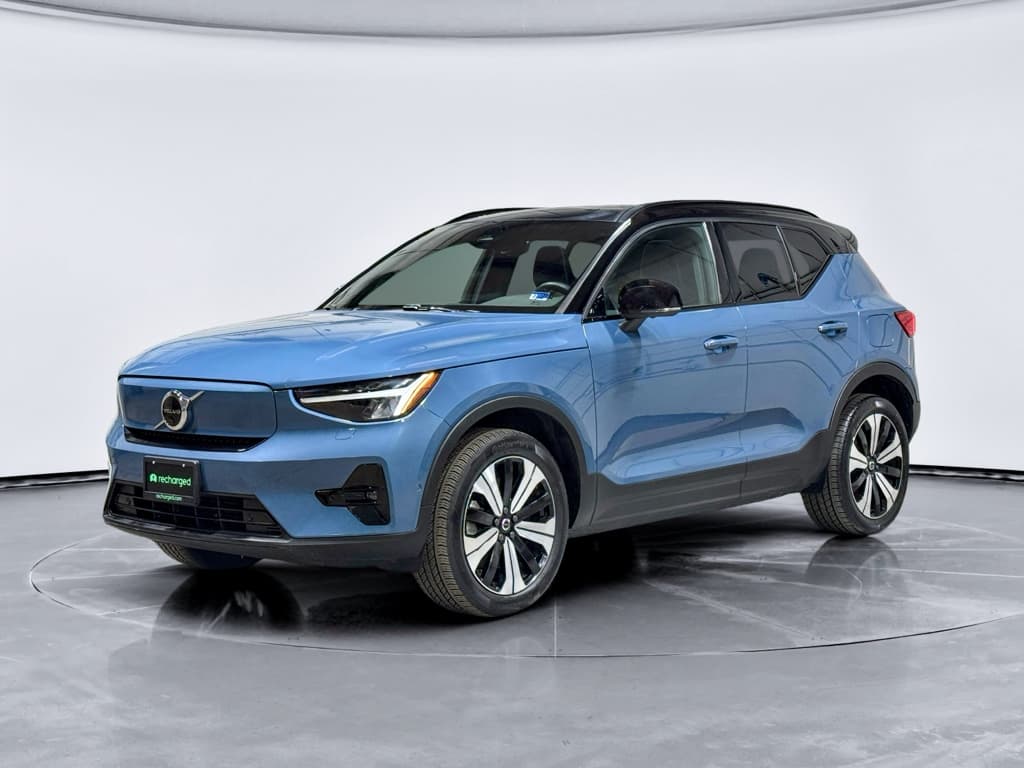
If you’re getting ready to sell a Volvo EX40 (or an earlier XC40 Recharge that’s been rebranded as the EX40), a generic used‑car checklist won’t cut it. Buyers care far more about battery health, charging behavior, and software than they do about oil changes, and the way you prepare and present your EX40 can swing the sale price by thousands of dollars.
Quick note on naming
Why a Volvo EX40 selling checklist matters
Volvo’s EX40 sits in a sweet spot: it’s a compact luxury EV SUV with usable range (up to around 260 miles depending on battery and motor), strong safety credentials, and a practical cabin. Those traits help resale, but like most early EVs, depreciation can still be steep if you show up unprepared. A structured selling checklist helps you prove battery health, reduce buyer risk, and justify a higher price, whether you trade it in, sell privately, or use an EV‑focused marketplace like Recharged.
Volvo EX40 resale and cost-to-own context
Know your EX40: what buyers care about most
1. Battery, range, and charging
- Usable range today vs when new (roughly 240–260 miles for many EX40 variants).
- How quickly it fast‑charges (peak kW and how long it holds close to that).
- Any history of battery or high‑voltage system repairs.
2. Software, safety, and daily livability
- That Google built‑in, driver‑assist, and safety systems work with no warnings.
- Noise, ride quality, and tire condition, especially at highway speeds.
- Charging habits (mostly DC fast charging vs home Level 2) and storage/parking conditions.
Translate EX40 features into buyer language
Volvo EX40 pre-sale checklist: quick overview
- Confirm your trim, battery, and motor configuration (Single Motor, Extended Range, Twin Motor, etc.).
- Pull battery and charging data (dash readouts, service reports, or a third‑party battery health report).
- Gather service history, recall documentation, and any high‑voltage repairs.
- Handle EV‑specific wear items: tires, 12V battery, wipers, cabin filter, alignment.
- Fix inexpensive cosmetic items and perform a thorough interior/exterior detail.
- Research current EX40 and XC40 Recharge pricing to set a realistic ask.
- Decide where to sell: trade‑in, private sale, or an EV‑only marketplace like Recharged.
- Build a transparent listing that answers EV‑specific questions up front.
- Prepare title, lien release, bill of sale, and state‑required EV/battery disclosures.
Step 1: Verify and document battery health
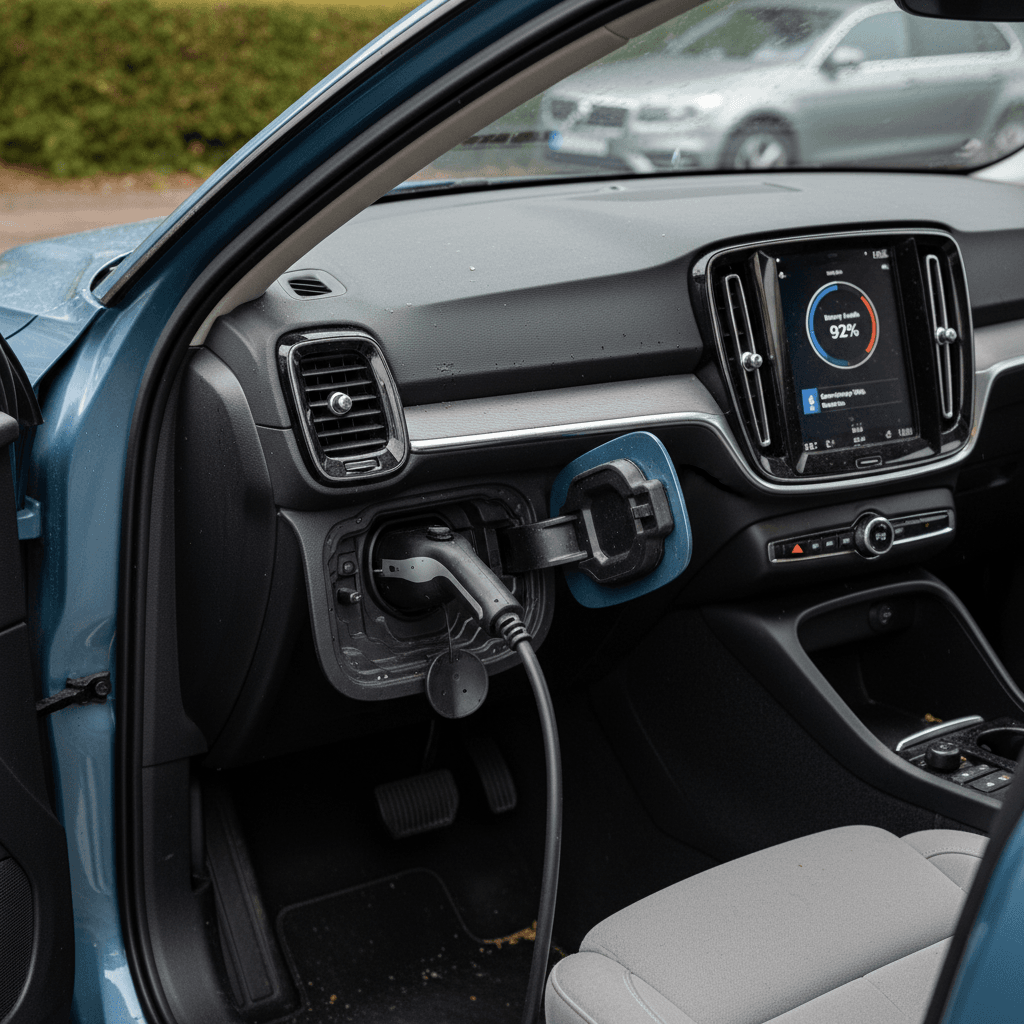
On an EV like the EX40, the traction battery is the single most valuable component. Buyers will happily pay more for proof that your pack is healthy and properly cared for. They’ll also walk away quickly if you can’t answer basic battery questions.
Battery-health checklist for Volvo EX40 sellers
Concrete steps you can take before you list the car
1. Capture real-world range
On a typical week, reset a trip meter at 100% and drive down to around 10–20% once or twice. Note:
- Average energy use (kWh/100 mi or mi/kWh).
- Estimated range on the dash vs miles actually driven.
You can share this with serious buyers to show that the range prediction isn’t hiding anything.
2. Document fast-charging behavior
If you have access to DC fast charging, do one session from around 10% to 70–80%:
- Snap a photo of peak kW on the charger screen.
- Note how long it took to add 60–70% charge.
You don’t need lab‑grade data; clear, real‑world numbers build confidence.
3. Get a formal battery report if possible
Ask a Volvo dealer or EV specialist if they can pull a battery state‑of‑health report, or use a marketplace like Recharged that includes a Recharged Score with verified battery diagnostics in every listing.
A third‑party report is one of the fastest ways to justify top‑of‑market pricing.
Don’t oversell your battery
Step 2: Service records and key maintenance items
Volvo’s maintenance schedule for the EX40 is lighter than a gas SUV, but buyers still want to see a clear paper trail. Think of your service records as a resume for the car, they show that you didn’t treat the EX40 as an experiment.
High-impact maintenance checks before selling a Volvo EX40
Focus on these items first; they’re the ones EV shoppers and appraisers tend to look at closely.
| Item | Why it matters to buyers | What to do before listing |
|---|---|---|
| Tires & alignment | Heavy EVs like the EX40 are hard on tires; uneven wear suggests suspension or alignment issues. | Ensure tread is legal and even; rotate or replace if needed and keep the receipt. |
| Brake inspection | EVs use regen, but sticking calipers or rusted rotors can still be a problem. | Have a shop check pads/rotors; address obvious pulsing, noises, or warning lights. |
| 12V battery | A weak 12V can cause random warnings and no‑start issues, even with a full high‑voltage pack. | Test and replace if marginal; a new 12V battery is a great selling point. |
| Software & recalls | Modern Volvos rely on OTA updates; outdated software or open recalls scare buyers. | Visit a Volvo dealer to apply outstanding recalls and major software updates. |
| HV system repairs | Any past high‑voltage repairs are material to a buyer’s decision and value. | Gather invoices and be prepared to explain what failed and how it was resolved. |
If you’re short on time or money, start with tires, software updates, and any open recalls.
Bundle your documents
Step 3: Cosmetic prep, detailing, and fixable flaws
Cosmetic prep on a Volvo EX40 is like staging a house. You’re not trying to hide anything; you’re helping buyers picture themselves owning the car. The good news: relatively small investments in cleaning and minor repair tend to bring outsized returns with EV shoppers, who are often tech‑oriented and detail‑focused.
EX40 cosmetic prep priorities
Focus on what buyers notice first
Deep interior clean
- Shampoo carpets and mats; wipe down all touchpoints.
- Clean the Google infotainment screen with proper microfiber.
- Remove personal data from profiles and Google accounts.
Exterior and wheels
- Professional wash, clay, and wax or a light polish.
- Refinish or touch up curb‑rashed wheels if cost‑effective.
- Address obvious dings or bumper scrapes under a few hundred dollars.
Photo-ready details
- Replace missing or broken trim pieces and key fob batteries.
- Repair cracked glass chips before they spread.
- Stage photos in good light with the car fully charged.
Where NOT to overspend
Step 4: Setting a smart price for your Volvo EX40
Pricing a used EX40 is trickier than pricing a gas XC40 because the market is still learning how to value battery age and fast‑charging performance. Start with the same tools you’d use for any car, then adjust for EV‑specific realities.
1. Start with the data
- Look up trade‑in and private‑party estimates for your year and mileage on major pricing sites.
- Search live listings for Volvo EX40 and XC40 Recharge within 250 miles.
- Note options: Twin Motor, Extended Range battery, Premium/Ultimate trims command more.
2. Adjust for EV-specific factors
- Battery documentation: Strong proof of health justifies pricing at or near the top of the range.
- Charging profile: A life of mostly home Level 2 charging is a plus; heavy fast‑charging use might warrant a discount.
- Software level: Fully updated Google built‑in and driver‑assist systems are table stakes for top dollar.
Use a tight price band
Step 5: Choose how to sell – trade-in vs private vs marketplace
Once your Volvo EX40 is ready, the next decision is how to sell it. Each path has its own balance of time, risk, and money.
Compare your Volvo EX40 selling options
Money isn’t the only variable, factor in your time and risk tolerance.
Dealer trade-in
Best for: Speed and simplicity
- Fastest way to dispose of the car, especially if you’re buying something else.
- Likely the lowest dollar amount, particularly on EVs that dealers know can be slow to move.
- May offer tax savings if your state taxes the price difference.
Private-party sale
Best for: Maximizing price
- Typically brings the highest sale price if you have good photos and documentation.
- Requires you to handle marketing, screening buyers, test drives, and paperwork.
- More risk if you’re not comfortable with large private transactions.
EV marketplace / Recharged
Best for: EV-savvy buyers and transparency
- Marketplaces like Recharged are built specifically for used EVs.
- Every vehicle gets a Recharged Score Report with verified battery health and fair‑market pricing.
- You can request financing, trade‑in, and even nationwide delivery help from EV specialists.
Where Recharged fits in
Step 6: Build a trustworthy Volvo EX40 listing
Volvo EX40 shoppers tend to be informed and cautious. They’ve heard horror stories about hidden battery problems and misrepresented range. Your listing should read like a pre‑emptive FAQ: honest, specific, and easy to verify.
Volvo EX40 listing checklist
Lead with the exact year, trim, and powertrain
Spell it out: “2024 Volvo EX40 Twin Motor Ultimate, 82‑kWh battery, all‑wheel drive.” This tells shoppers exactly where you sit in the lineup.
Include odometer, charging habits, and usage pattern
Mention current mileage, whether you primarily charged at home or on DC fast chargers, and whether the car did mostly commuting, urban driving, or long trips.
Disclose battery and charging information up front
Summarize your real‑world range (“typically ~230 miles at 70 mph”), fast‑charging behavior, and any battery health report or Recharged Score you have.
Show high-quality, honest photos
Include exterior, interior, close‑ups of wheels, cargo area, and any flaws. Don’t crop out scratches; circle them in one photo and note them in the description.
Mention remaining factory warranties
If your high‑voltage battery or basic vehicle warranty is still active, say so clearly and include the in‑service date and mileage limits.
Tell the story of ownership
A brief, honest narrative like “second owner, no accidents, garaged, mostly home‑charged” helps buyers feel they understand the car’s life so far.
Paperwork, title, tax, and EV-specific disclosures
The last thing you want is to lose a ready buyer because you weren’t prepared with the right documents. EVs add one extra wrinkle, battery health and high‑voltage system disclosures, but the basics still look familiar.
- Title (or lien payoff letter if you still owe money) and a properly completed bill of sale.
- Government‑issued ID for both parties and any state‑specific forms for odometer disclosure.
- Service records and recall letters, especially anything touching the battery or high‑voltage system.
- Charging equipment that came with the EX40 (portable Level 1/2 cable, wall‑mount details, adapters).
- Written description of battery status, including any third‑party report or Recharged Score, and clear notes about known issues (range loss, charging limitations, warning lights).
Be careful with promises
Volvo EX40 selling checklist – printable version
One-page Volvo EX40 selling checklist
Confirm vehicle details
Verify VIN, year, trim, motor/battery configuration, options, and factory warranty status.
Gather records
Collect title, registration, lien payoff info, service history, recall documents, and battery‑related repairs.
Assess battery health
Capture real‑world range, one recent fast‑charge session, and, if possible, a formal battery health or Recharged Score report.
Handle maintenance items
Inspect tires, brakes, 12V battery, wipers, lights, and software/recalls; fix safety‑relevant issues and obvious defects.
Detail and photograph
Deep clean inside and out, address small cosmetic flaws, then shoot well‑lit photos showing the whole car and any imperfections.
Research and set price
Use pricing tools and comparable EX40/XC40 Recharge listings, then choose a realistic target band and floor price you’ll accept.
Choose selling channel
Decide between dealer trade‑in, private sale, or an EV marketplace like Recharged that can handle battery diagnostics and buyer support.
Create listing and disclosures
Write an honest, detailed ad, attach documents and photos, and clearly disclose battery behavior, known issues, and what’s included in the sale.