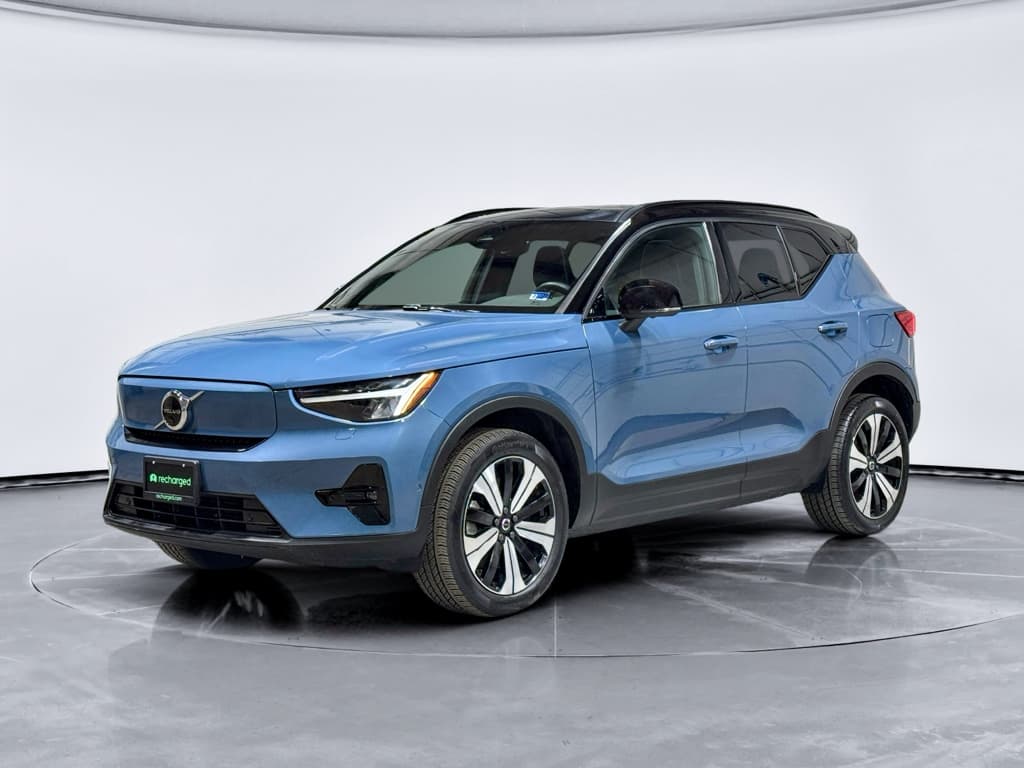
If you’re eyeing a Volvo EX30 in 2026, whether as a buyer, lessee, or current owner, the big question is simple: what will this small electric SUV actually be worth a few years down the road? The EX30 launches into the U.S. market with sharp pricing and strong reviews, but it’s also a brand‑new model in a segment where EV depreciation has been brutal. This 2026 Volvo EX30 resale value guide gives you a grounded view of how the numbers are likely to play out and what you can do to tilt them in your favor.
Context: a new EV in a fast‑moving market
Why Volvo EX30 resale value matters in 2026
Resale value isn’t just about bragging rights when you sell. It drives your total cost of ownership, the real dollars you lose to depreciation, whether you finance, pay cash, or lease. With EVs, that number can swing wildly based on incentives, rapid tech changes, and battery health. The EX30 is positioned as Volvo’s affordable gateway EV, but it’s also built in China for the U.S., won’t qualify for federal purchase tax credits when new, and faces stiff competition from Tesla, Hyundai, Kia and others. All of that shapes how the market will price a used EX30 in 2026 and beyond.
Volvo EX30 resale value at a glance (early 2026)
Quick Volvo EX30 resale value summary for 2026
- Modeling tools and early market data suggest a roughly 50–51% depreciation over 5 years for a typical Volvo EX30 on U.S. roads, broadly in line with other premium EVs of similar size.
- Compared with mainstream small EVs, the EX30 is likely to sit in the middle of the resale pack, not Tesla‑level strong, but better than some less‑known entries and early‑generation EVs.
- The first 12–24 months are likely to see the steepest drop, especially as incentives change and more supply hits the used market.
- Battery health, software stability, and accident history will create big spreads between “book value” and what individual EX30s actually fetch.
- In 2026, a clean, low‑mileage EX30 with a strong battery report should command a visible premium over one with heavy fast‑charging use, software issues, or spotty service records.
Don’t over‑index on MSRP
How the Volvo EX30 is positioned on price and demand
The EX30 comes to the U.S. as a subcompact premium electric SUV with power levels and tech that punch above its footprint. In practice, you’re cross‑shopping it against the Tesla Model Y, Hyundai Kona Electric, Kia Niro EV, and even some well‑equipped compact gas crossovers. U.S. pricing has evolved since Volvo first announced a low‑$30k headline figure; in the real world, most EX30s on the road in 2025–2026 are mid‑ to high‑$40,000 builds with Plus or Ultra equipment and, often, twin‑motor performance.
Tailwinds for EX30 demand
- Compelling performance for the price, especially twin‑motor versions.
- Premium interior feel versus mainstream rivals, with a distinct Scandinavian design story.
- Volvo’s brand equity around safety and comfort, which still resonates strongly in the used market.
Headwinds for EX30 demand
- Initial U.S. rollout delays and pricing adjustments eroded some early buzz.
- Assembly in China can complicate eligibility for some U.S. incentives, limiting new‑car value props.
- High EV competition and rapid improvements in range and charging tech could date the EX30 more quickly than a comparable gas SUV.
How this affects resale
3-, 5- and 10-year Volvo EX30 depreciation forecast
Because the EX30 is new, no one can hand you a perfect crystal ball. But we can triangulate from independent depreciation tools, other Volvo EVs, and broader 2026 EV market behavior to lay out a realistic range of outcomes. Think of these as baseline expectations for a typical, well‑maintained EX30 driven 12,000–13,000 miles per year in the U.S., with no major accidents and average charging habits.
Modeled Volvo EX30 resale value over time (typical build)
Approximate U.S. projections for a well‑kept Volvo EX30 with an initial transaction price around $45,000 in 2026 dollars. Real values will vary by trim, mileage, incentives, and battery health.
| Age | Odometer | Estimated value | Total depreciation | Notes |
|---|---|---|---|---|
| 1 year | ~12,000 mi | $36,000–$38,000 | ≈15–20% | Early drop as incentives and discounts on new models reset market pricing. |
| 3 years | ~36,000 mi | $29,000–$32,000 | ≈30–35% | Where many leases and first owners exit; condition and battery reports start to matter a lot. |
| 5 years | ~60,000 mi | $22,000–$25,000 | ≈48–52% | In line with independent forecasts that model around 51% depreciation over 5 years. |
| 10 years | 100,000+ mi | $10,000–$14,000 | ≈70–78% | Wide spread, dominated by battery health, service history, and how desirable older EVs look versus new tech. |
Use these numbers as directional guideposts, not promises. The spread between a “great” and “rough” EX30 could easily be $5,000+ at each milestone.
Important caveat
Factors that will move Volvo EX30 resale up or down
Key Volvo EX30 resale value drivers
Most of these are in your control, or at least worth understanding before you buy.
Battery & charging history
Biggest lever. Frequent DC fast‑charging, high annual mileage, and hot‑climate use all stress the pack. Cars that mostly AC charge at home and avoid extreme SoC swings typically show healthier batteries and better offers.
Software & reliability record
Early EX30 owners have reported software bugs and update frustrations in some markets. If Volvo stays on top of fixes and over‑the‑air updates, that can support resale. If glitches linger, buyers demand a discount.
Trim, options & wheels
Plus/Ultra trims and twin‑motor performance builds will start high but can also depreciate faster in dollars. Conservative colors and wheel sizes often fare better in the second‑hand market than niche specs.
Accident and repair history
EVs are expensive to repair. A clean Carfax and documentation from a Volvo‑approved body shop are critical. Poor repairs or structural damage can crater resale value, regardless of book prices.
Competitive landscape
If Tesla, Hyundai, or GM release more range for less money, or undercut subscription and financing costs, the EX30’s value proposition must adjust. The same is true if subsidized Chinese EVs arrive in larger numbers.
Incentives & policy
Shifts in U.S. federal and state incentives change the math overnight. If new‑car pricing effectively drops via credits, used prices tend to soften to keep the gap sensible.
Battery health: how much it matters to EX30 value
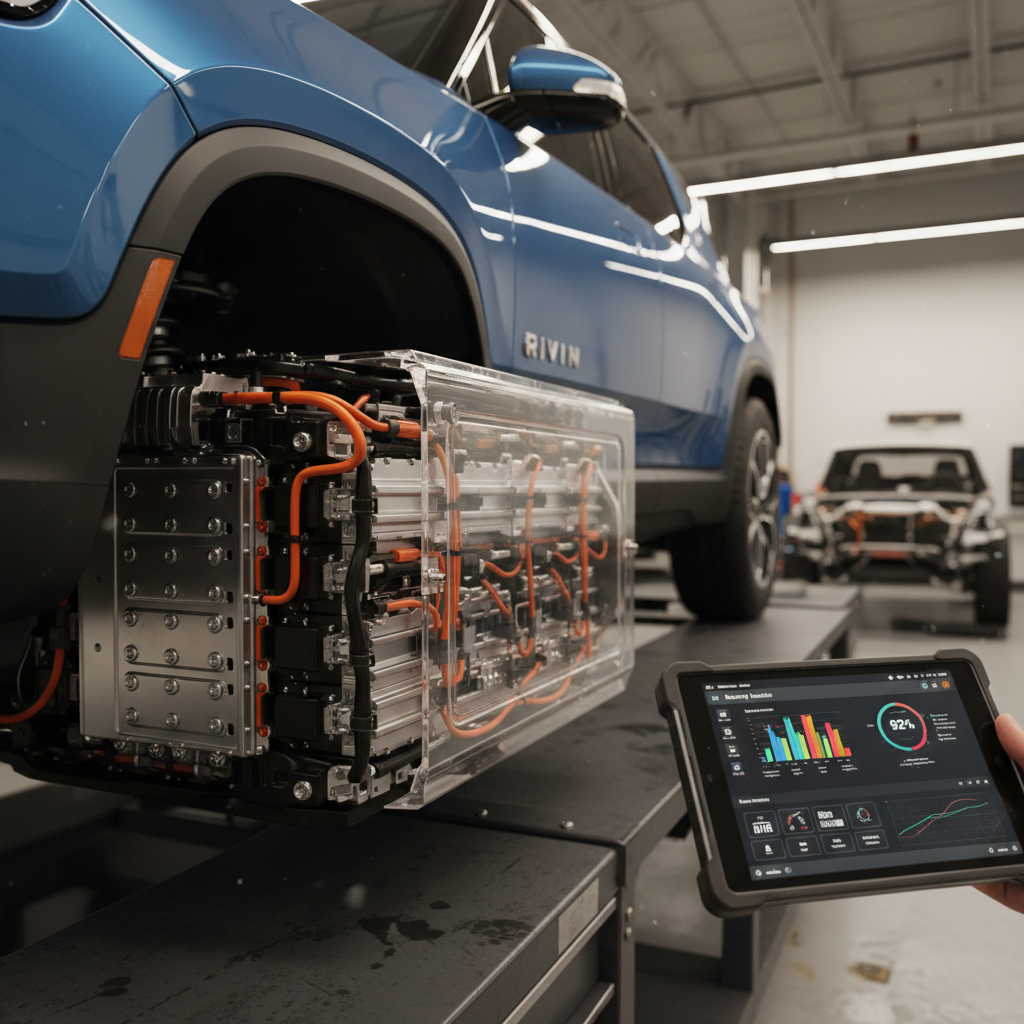
On any modern EV, but especially a compact crossover like the EX30, the traction battery is the asset. Even modest‑looking degradation can translate into a daily‑use headache for a second owner, and they know it. That’s why smart buyers and retailers now treat a battery report the way they’d treat a pre‑purchase inspection on a performance engine.
How Recharged approaches EX30 battery health
Ready to find your next EV?
Browse VehiclesHabits that protect EX30 battery value
Avoid living at 100% charge
Use charge limits for daily driving and only go to a full charge when you actually need the range. High state of charge for long periods accelerates degradation.
Favor Level 2 over DC fast charging
Fast charging is invaluable on road trips, but making it your daily habit adds thermal stress. A home Level 2 charger is gentler and usually cheaper per kWh.
Keep the car cool when possible
High temperatures are enemy number one for lithium‑ion chemistry. Garage parking or shaded parking where available helps long‑term health.
Update software and monitor alerts
Firmware updates often include battery management tweaks and bug fixes. Don’t ignore warning lights or range anomalies, get them documented and resolved.
Document everything
Service records, software update history, and any battery diagnostics you’ve had done all become evidence that your EX30 is a lower‑risk bet for the next owner.
Real-world used Volvo EX30 pricing patterns in 2026
By early 2026, the U.S. used EX30 market is still thin but starting to form patterns familiar from Europe and other early markets. The steepest discounts are appearing on higher‑spec, twin‑motor cars that were leased or sold near the top of the price ladder, especially if they’ve piled on miles quickly. Single‑motor cars with sensible specs and low mileage tend to track closer to the depreciation curve you’d expect for a small premium crossover.
- Lightly used demo or service‑loaner EX30s can show double‑digit percentage discounts off an equivalent new build, even with under 5,000 miles.
- Cars with reported crashes, visible cosmetic damage, or unresolved software complaints are already being discounted far more aggressively than mileage alone would justify.
- Buyers are putting real weight on battery reports and charging history; vehicles with heavy DC fast‑charge usage or unclear histories face noticeably lower offers.
- Regional volatility is high: markets with stronger Volvo dealer footprints and more EV‑savvy buyers are supporting firmer pricing than areas where EX30 awareness is still low.

Leasing vs. buying a Volvo EX30 with resale in mind
With an EV that’s early in its lifecycle and facing evolving incentives, your choice between leasing and buying isn’t just a financing question, it’s a risk‑sharing question. Leasing effectively outsources most of the residual‑value risk to the captive finance company. Buying concentrates that risk on you, but gives you more upside if the EX30 ages better than the spreadsheets expect.
When leasing a Volvo EX30 makes sense
- You’re worried about rapid tech improvements or policy changes making today’s EX30 feel old fast.
- Manufacturer or third‑party leases offer aggressive money factors and residuals that effectively bake in incentives.
- You like the idea of handing back the car in 2–3 years if software support or reliability disappoints.
When buying (or buying out a lease) can win
- You believe small premium EVs will hold value better than current models project once the market normalizes.
- You plan to own the EX30 for 7–10 years, getting enough use to dilute early depreciation.
- You’re confident in maintaining excellent battery and cosmetic condition, and want to capture that value later.
How Recharged can help either way
How to inspect a used Volvo EX30 for value
Shopping a used EX30 in 2026 is less about kicking tires and more about interrogating software and battery health. You still want a clean body and interior, but the most expensive surprises hide under the floor and in the car’s codebase. Here’s a practical checklist you can work through yourself, and where it makes sense, hand off to a specialist.
Used Volvo EX30 value inspection checklist
1. Pull a full history and battery report
Combine a traditional vehicle history report with a battery‑health readout. On Recharged vehicles, both are built into the Recharged Score so you can see degradation and charging behavior at a glance.
2. Test drive for software glitches
Verify basic functions, infotainment, driver‑assist, cameras, charging session start/stop, phone app connectivity. Inconsistent behavior today can be a resale drag later, even if future updates promise fixes.
3. Inspect tires, brakes and suspension
Heavier EVs eat wear items faster. Uneven tire wear, pulsing brakes, or suspension clunks can signal deferred maintenance or hard use that will weigh on value.
4. Check for crash and repair quality
Look for paint mismatch, overspray, panel gaps, and non‑OEM glass or lights. A structurally sound, well‑repaired car can still be a good purchase, but it must be priced accordingly.
5. Review charging hardware and cables
Ensure the charge port, door, and included cables are clean and undamaged. Replacing lost or damaged charging equipment isn’t cheap and should be reflected in the price.
6. Confirm warranty and service coverage
Understand how much of the battery, powertrain, and software support window is left. A car with years of factory battery coverage remaining is much easier to value than one nearing the edge.
When it makes sense to sell or trade your EX30
Timing a sale is part art, part economics. You can’t control everything, policy shock or a big mid‑cycle refresh will do what it does, but you can think about the EX30’s depreciation curve and your own needs in a structured way.
Smart timing plays for Volvo EX30 owners
Short‑term owners (0–3 years)
Consider listing or getting offers <strong>before your factory bumper‑to‑bumper warranty expires</strong>. That’s a psychological line in the sand for many buyers.
Watch for major software or range upgrades on newer model years; sell just before a big improvement launches if you’re worried about being left with “last year’s tech.”
If you’re leasing, compare real‑world offers (from Recharged and others) to your residual 3–6 months before lease‑end. Sometimes buying and re‑selling nets you cash; sometimes you’re better handing back the keys.
Medium‑term owners (3–6 years)
The EX30 depreciation curve tends to flatten somewhat after roughly year 3; <strong>any extra year you keep the car after that is cheaper</strong> in depreciation dollars than the first couple of years.
Plan ahead for big‑ticket maintenance items like tires and brakes. If your EX30 is due for $2,000+ of work, that may be the moment to compare repair versus trade‑in math.
If your range needs are growing, longer commute, more road trips, it may be better to exit sooner, while your EX30 still feels “enough” to the next owner.
Long‑term keepers (6–10+ years)
If you’re in this camp, you’re mostly <strong>using the car faster than it’s losing value</strong>; resale becomes a back‑burner concern.
The priority becomes preserving battery health and structural integrity so the car remains safe and usable, even if the market value falls into the low‑teens or below.
Still, it’s worth getting periodic offers from places like Recharged to make sure the car’s <strong>insurance value and loan payoff</strong> tick along with reality.
Trade‑in vs. consignment vs. private sale
Volvo EX30 resale value FAQ (2026)
Frequently asked questions about Volvo EX30 resale value
Key takeaways for Volvo EX30 owners and shoppers
The Volvo EX30 arrives in the U.S. as one of the most interesting small premium EVs of the decade, and that cuts both ways for resale. Its combination of design, safety story, and performance should keep it desirable on the used market, but it’s launching into a segment where EVs still tend to shed roughly half their value in the first 5 years. Your job as a buyer or owner is to decide how much of that risk you’re willing to carry and how proactively you’ll manage the things you can control.
If you want to take guesswork out of the equation, a data‑backed view of battery health and fair market pricing is the best starting point, especially for a brand‑new model like the EX30. That’s exactly what Recharged’s Score Report, expert EV guidance, and flexible selling options are built to deliver, whether you’re hunting for a used EX30, evaluating a lease buy‑out, or deciding if it’s finally time to trade up to your next EV.