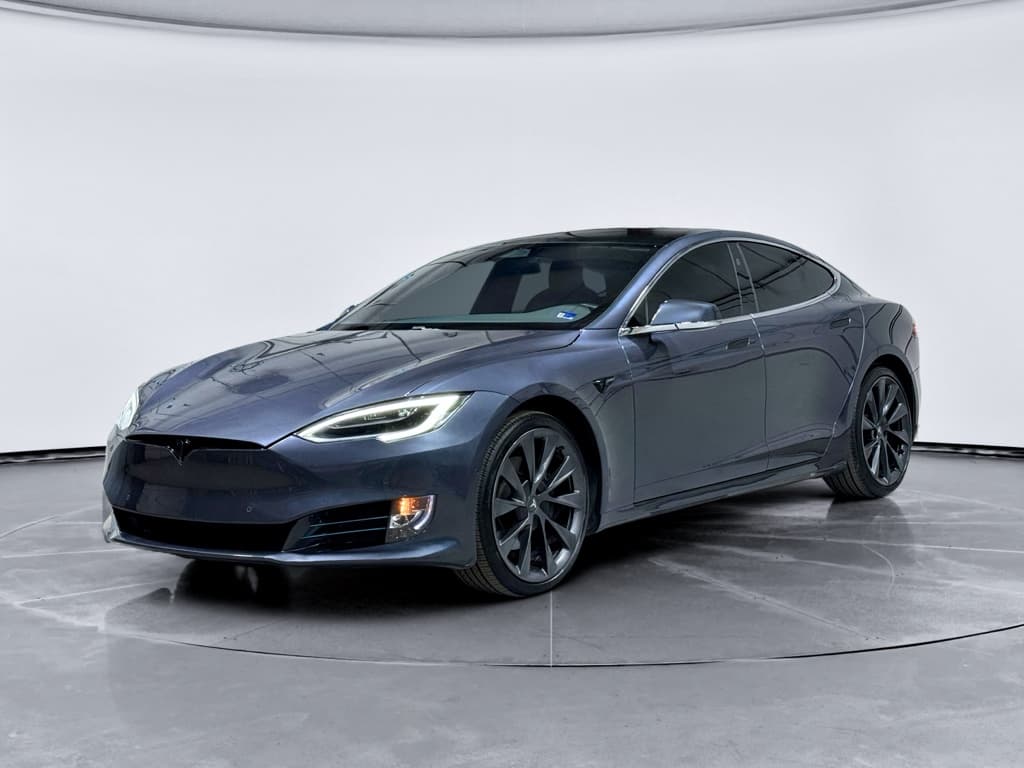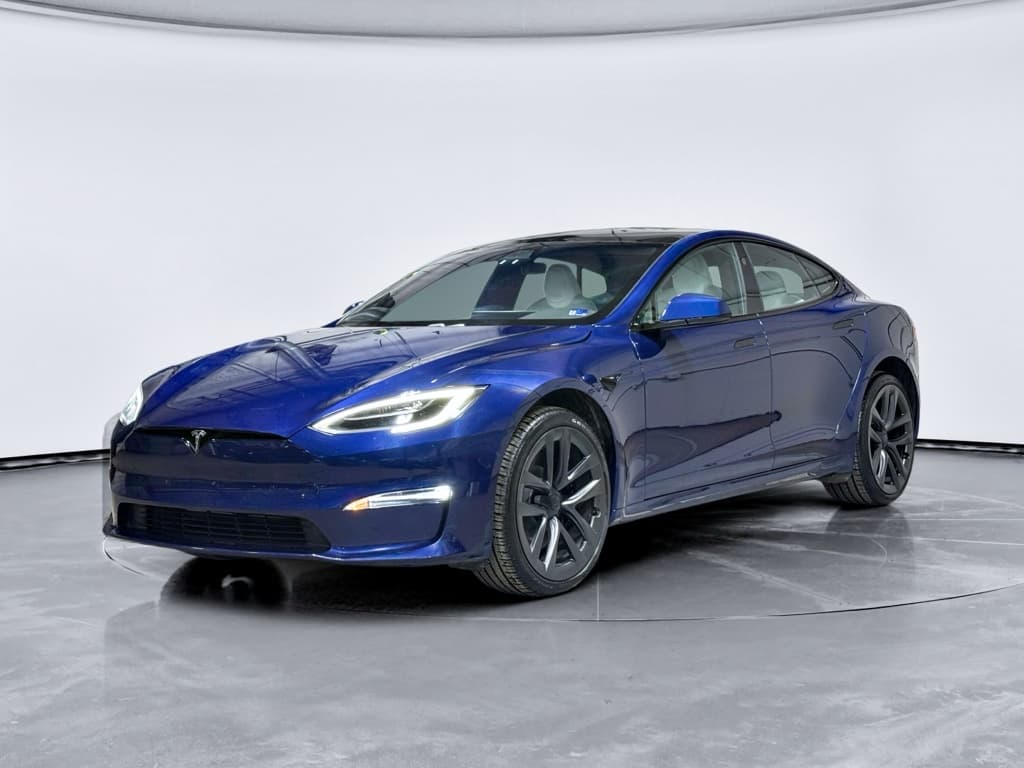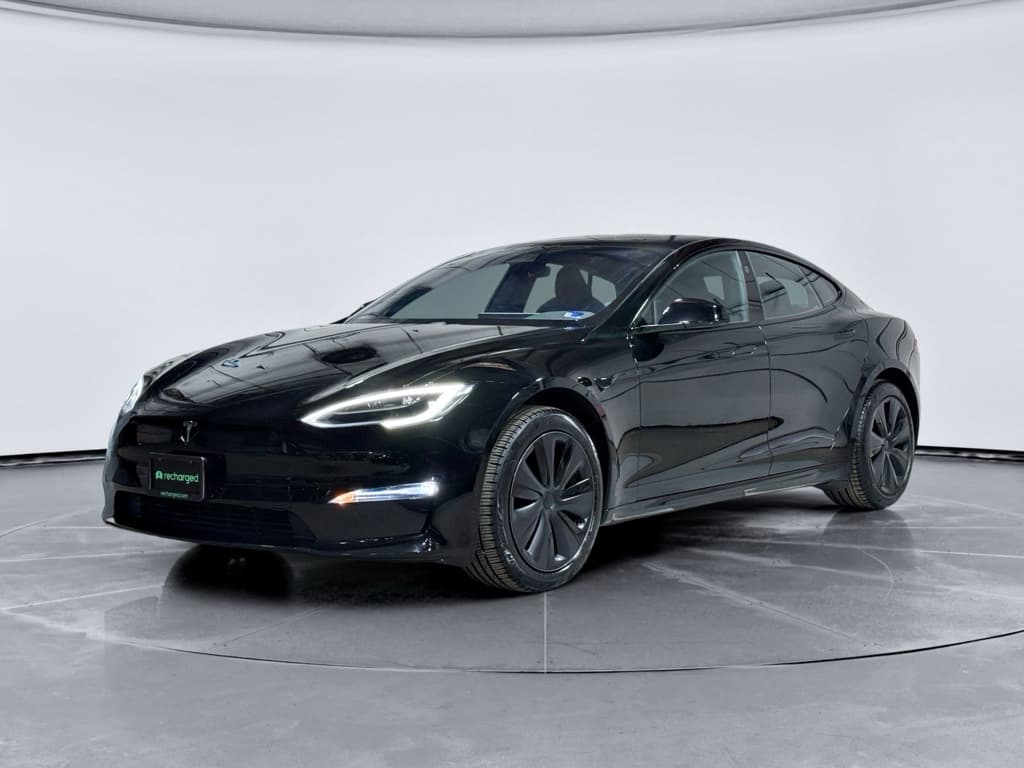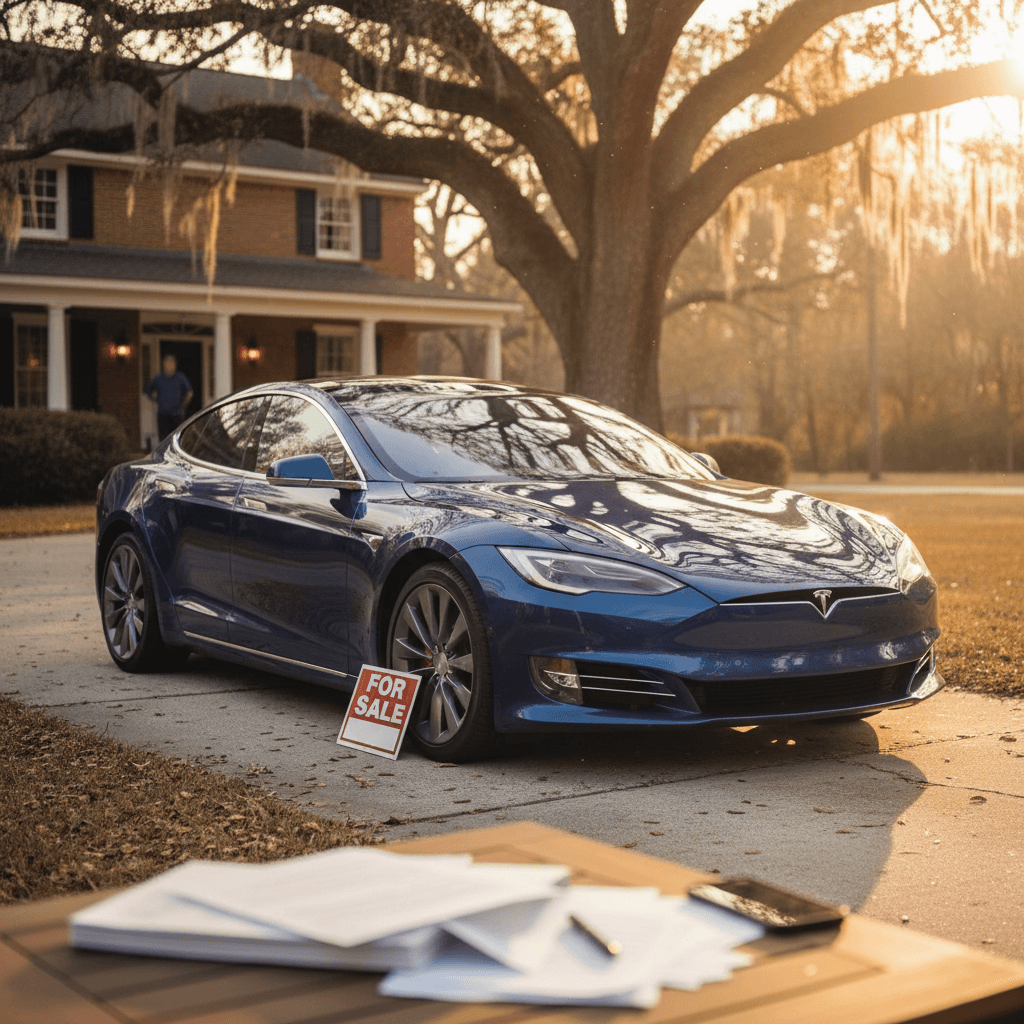
If you’re ready to sell a Tesla Model S in North Carolina, you’re in a strong position. Demand for used Teslas is still healthy across the state, but buyers are more cautious in 2026. They care about battery health, software features, and exactly how much they’ll owe in North Carolina’s taxes and fees. The better you prepare, the faster you can sell, and the more money you keep.
North Carolina EV market snapshot
Why selling a Tesla Model S in North Carolina is different
EV‑specific demand patterns
Demand for a used Tesla Model S is concentrated around metro areas, Charlotte, Raleigh–Durham, Greensboro–Winston‑Salem, and Asheville. Buyers in these regions tend to be more EV‑savvy, already have home charging, and understand Autopilot and over‑the‑air updates.
In rural parts of the state, interest is growing but thinner. That can affect how long your car sits on the market and whether you’re better off using a statewide marketplace instead of just local classifieds.
NC‑specific costs and rules
North Carolina handles vehicles a bit differently than some neighboring states:
- Buyers pay a Highway Use Tax (rather than a traditional sales tax) when they title and register the car.
- EVs carry an extra annual registration fee on top of standard plate costs, so savvy buyers factor that into what they’re willing to pay.
- There’s no statewide EV purchase rebate as of 2026, so buyers are shopping purely on price, condition, and battery health, your preparation really matters.
Used Tesla Model S market realities in 2026
Step 1: Know what your Tesla Model S is worth in North Carolina
Before you decide how to sell, you need a realistic price range. Used Tesla Model S values in North Carolina swing widely based on year, battery size, mileage, condition, and options like Autopilot or Full Self‑Driving (FSD). Local supply also matters, Charlotte and the Triangle generally see more Teslas and more price competition than smaller markets.
Key factors that drive Model S value in NC
Dial in these details before you list your car
Model year & trim
Later‑generation Model S sedans with the refreshed interior, longer range, and updated batteries naturally command more money. Earlier 2012–2015 cars often trade at a discount but can still sell quickly if clean and priced right.
Mileage & usage
Teslas handle mileage differently than gas cars, but buyers still look at the odometer. Highway‑heavy miles with documented service are easier to explain than short‑trip city use with no records.
Battery & software
Range at 100% charge, battery health documentation, and whether features like Enhanced Autopilot or FSD transfer all affect value. Clarify exactly what stays with the car under Tesla’s current policies.
Use multiple pricing benchmarks
Example price bands you might see in North Carolina
These are illustrative ranges to show how features and condition change value. Always check live listings before you price.
| Example Model S | Battery / Range | Mileage | Condition | Typical Asking Range (NC) |
|---|---|---|---|---|
| 2015 Model S 85D | ~260 mi EPA when new | 120k mi | Clean, older tech | $13,000–$20,000 |
| 2018 Model S 100D | ~335 mi EPA when new | 80k mi | Good, AP hardware 2+ | $22,000–$32,000 |
| 2021 Model S Long Range | ~405 mi EPA when new | 40k mi | Excellent, refreshed interior | $45,000–$60,000 |
| 2022 Model S Plaid | High‑performance trim | 30k mi | Excellent, performance buyer | $65,000–$80,000+ |
Use this as a starting point, not a promise, real prices move weekly.
Watch out for unrealistic online estimates
Step 2: Get your battery health documented
For most North Carolina buyers, battery health is the make‑or‑break question. A Model S with proven, healthy range will sell faster and closer to your asking price than one with vague assurances. You’ll want both basic, easy‑to‑understand data for casual shoppers and deeper diagnostics for serious EV buyers.
- Capture a full‑charge range screenshot from your Tesla screen or app and note the battery percentage.
- Export or photograph recent Service Center or independent shop reports showing battery and high‑voltage system status, if available.
- Keep records of any battery‑related warranty work, module replacements, or high‑voltage service.
- Be ready to explain your typical charging habits (home Level 2 vs. Supercharging, how often you charge to 100%, etc.).
What the Recharged Score adds

Step 3: Decide how to sell in North Carolina
Once you know what your Model S is realistically worth, you have to decide how to sell it. In North Carolina, your main options are a private sale, trading in at a dealer, getting an instant cash offer, or using a consignment‑style marketplace like Recharged that specializes in EVs.
Main ways to sell a Tesla Model S in NC
Weigh speed, effort, and potential profit
1. Private sale
Pros:
- Highest potential sale price if you market well and have strong battery documentation.
- Direct control over who buys your car and for how much.
Cons:
- You handle showings, test drives, screening buyers, and paperwork.
- More time pressure if you still owe on a loan or need funds for your next car quickly.
2. Trade‑in at a dealer
Pros:
- Fast and simple, especially if you’re buying another vehicle the same day.
- Dealers often handle payoff and DMV paperwork for you.
Cons:
- Offer is usually lower than a well‑executed private sale, especially for EVs.
- Not all NC dealers know how to value options like FSD or recent battery work.
3. Instant offer / online buyer
Pros:
- Quick quotes and pickup, sometimes in a few days.
- Less back‑and‑forth and no public listing required.
Cons:
- Pricing may be conservative, especially for older or niche trims.
- Condition adjustments after inspection can cut into the final amount.
4. Consignment with an EV specialist
Pros:
- Experts market the car, handle buyer questions, and manage paperwork.
- EV‑focused marketplaces like Recharged highlight battery health, range, and software the way Tesla shoppers expect.
Cons:
- A selling fee or commission applies, though net proceeds often still beat a direct trade‑in.
- You’ll coordinate vehicle drop‑off or inspection scheduling.
Where Recharged fits in
Step 4: Understand North Carolina taxes, fees, and paperwork
You don’t have to be a tax expert to sell a car in the Tar Heel State, but you should understand who pays what, and when. That way, you can answer buyer questions confidently and avoid surprises at the DMV.
Key North Carolina costs when selling a Tesla Model S
Most charges fall on the buyer, but they affect how your sale plays out.
| Item | Who Pays | When It’s Due | Why It Matters to Your Sale |
|---|---|---|---|
| Highway Use Tax (HUT) | Buyer | At title transfer | Buyers mentally add this to your asking price; it can limit how far they’ll stretch. |
| Title fee | Buyer | At DMV when titling | Modest cost, but buyers may ask you to discount if other fees pile up. |
| Annual EV registration surcharge | Buyer (future) | With each registration renewal | Reminds buyers that owning an EV in NC is slightly more expensive to register than a gas car. |
| Vehicle property tax | Buyer (future) | With annual Tag & Tax bill | New owner pays going forward; you’ll owe only through the end of your last registration period. |
| Lien payoff (if financed) | Seller | Before or at sale | Your lender holds the title until this is cleared; most buyers insist on a direct payoff. |
Numbers change periodically, always confirm exact fees with NCDMV or a local tag & tax office before finalizing a sale.
Don’t skip the title details
Paperwork you should have ready in NC
Clean North Carolina title (or payoff plan)
Have your title in hand, or a clear payoff letter from your lender that explains how the buyer or marketplace will complete the transaction and obtain the title.
Bill of sale
Even if not strictly required in every private transaction, a simple bill of sale that lists the VIN, sale price, date, and both parties’ info protects everyone.
Odometer disclosure
For newer Model S vehicles, you’ll need to disclose mileage on the title or on a separate federal odometer statement.
Valid registration & inspection
North Carolina requires safety inspections in most counties. A fresh, passing inspection and current registration make buyers more comfortable.
Maintenance & charging records
Service invoices, tire receipts, and home‑charging history show that you’ve treated the car, and its battery, well.
Step 5: Market your Tesla Model S to the right buyers
The most successful North Carolina sellers treat their used Model S like a high‑end product launch, not a random classified ad. That means strong photos, a clear story about the car’s life, and upfront answers to the questions serious EV buyers always ask.
Build a listing that answers objections
In your listing description, highlight:
- Battery health and range with specific numbers at a recent 90–100% charge.
- Charging habits (home charging vs. frequent DC fast charging).
- Any software features that stay with the car (Autopilot, FSD, premium connectivity).
- Accident history and any major repairs with dates and receipts.
- How the Tesla has been stored (garage vs. street, coastal vs. inland climate).
Where to advertise in North Carolina
To reach the best buyers, consider a mix of:
- EV‑focused marketplaces like Recharged that attract shoppers looking specifically for used Teslas with verified battery health.
- Regional listing sites and apps popular in Charlotte, Raleigh–Durham, and Greensboro.
- National platforms if you’re open to out‑of‑state buyers willing to register the car in North Carolina.
The more EV‑literate your audience, the less time you’ll spend explaining basics like Level 2 charging or over‑the‑air updates.
Photo angles that sell
Step 6: Handle test drives, payment, and delivery safely
Once your listing starts getting traction, you’ll be fielding messages, scheduling test drives, and negotiating. A little structure goes a long way toward keeping everyone safe, and keeping your time from getting wasted.
- Screen buyers with a few quick questions about how they plan to pay, where they’ll register the car, and whether they already own an EV.
- Meet in a safe, public location during daylight, many NC police departments and large shopping centers have recommended meetup areas.
- Ride along on test drives and set a clear route that includes highway, city streets, and some bumps or rougher pavement so the buyer can hear suspension and interior noises.
- For payment, prefer a cashier’s check verified at the issuing bank, a wire transfer arranged through your bank, or a transaction handled by a reputable marketplace. Avoid large peer‑to‑peer app transfers and personal checks.
- Don’t sign over the title or hand over the key cards or fobs until you’ve confirmed funds are cleared and final.
Avoid NC‑style title skipping
How Recharged helps NC owners sell a Tesla Model S
If you’d rather not juggle pricing, photos, test‑drive logistics, and title work yourself, Recharged is built to take the friction out of selling a used EV, especially a high‑tech car like the Tesla Model S.
Why Recharged works well for North Carolina Model S sellers
EV‑specific support from pricing to paperwork
Transparent, data‑driven pricing
Recharged benchmarks your Tesla Model S against live used‑EV markets, not just generic book values, so your asking price reflects actual buyer behavior across North Carolina and nearby states.
Recharged Score battery health report
Every vehicle sold through Recharged includes a Recharged Score Report with verified battery health and range. That independent documentation is exactly what EV‑savvy buyers in Charlotte, Raleigh, and beyond are looking for.
EV‑specialist guidance
Recharged’s EV specialists walk you through prep, help you position your car’s features clearly, and answer buyer questions about charging, software, and ownership costs so you don’t have to be the expert on every call.
Nationwide buyer reach & delivery
Your Model S isn’t limited to your ZIP code. Recharged can market it nationally and arrange nationwide delivery, while still handling North Carolina‑specific paperwork details.
Flexible selling paths
Choose an instant offer if you want to sell quickly, or a consignment‑style listing if you’re targeting maximum net proceeds. Recharged can also help structure a trade‑in toward another EV.
Fully digital experience + NC Experience Center
Complete most of the process online, or tap into Recharged’s Experience Center in Richmond, VA if you prefer in‑person support that’s still within reasonable reach for many North Carolina owners.
Ready to find your next EV?
Browse VehiclesSelling checklist for Tesla Model S owners in North Carolina
Your end‑to‑end Model S selling game plan
1. Confirm your title and payoff
Verify the Tesla is titled in your name, check for any liens, and request a payoff letter from your lender if you still have a loan.
2. Document battery health and range
Capture recent full‑charge range, gather any service reports, and consider a third‑party evaluation like the Recharged Score to share with buyers.
3. Gather service and charging records
Organize invoices, inspection reports, tire receipts, and any proof of regular home Level 2 charging instead of constant DC fast charging.
4. Deep‑clean and photograph the car
Detail the interior, wash and decontaminate the exterior, and shoot clear photos in good light that show all angles, the interior, and key screens.
5. Choose your selling channel
Decide whether to sell privately, trade in, take an instant offer, or work with an EV‑specialist marketplace like Recharged that handles marketing and buyer interactions.
6. Set a realistic asking price
Use local NC listings, national EV marketplaces, and at least one professional offer as guardrails so you don’t overprice or leave easy money on the table.
7. Prepare for test drives safely
Screen buyers, choose safe meeting spots, ride along, and have a standard test‑drive route ready to avoid awkward on‑the‑fly decisions.
8. Close with clean paperwork and secure funds
Confirm payment, complete title and odometer sections correctly, provide a bill of sale copy, and remove the car from your Tesla and insurance accounts.
FAQ: Selling a Tesla Model S in North Carolina
Frequently asked questions
Selling a Tesla Model S in North Carolina can be straightforward and profitable if you approach it methodically: understand your car’s value, document its battery health, pick the right selling channel, and respect the state’s tax and paperwork rules. Whether you choose a do‑it‑yourself private sale or lean on an EV‑specialist marketplace like Recharged, a little preparation now will pay off when the right buyer shows up, whether they’re in Charlotte, Raleigh, Wilmington, or halfway across the country.