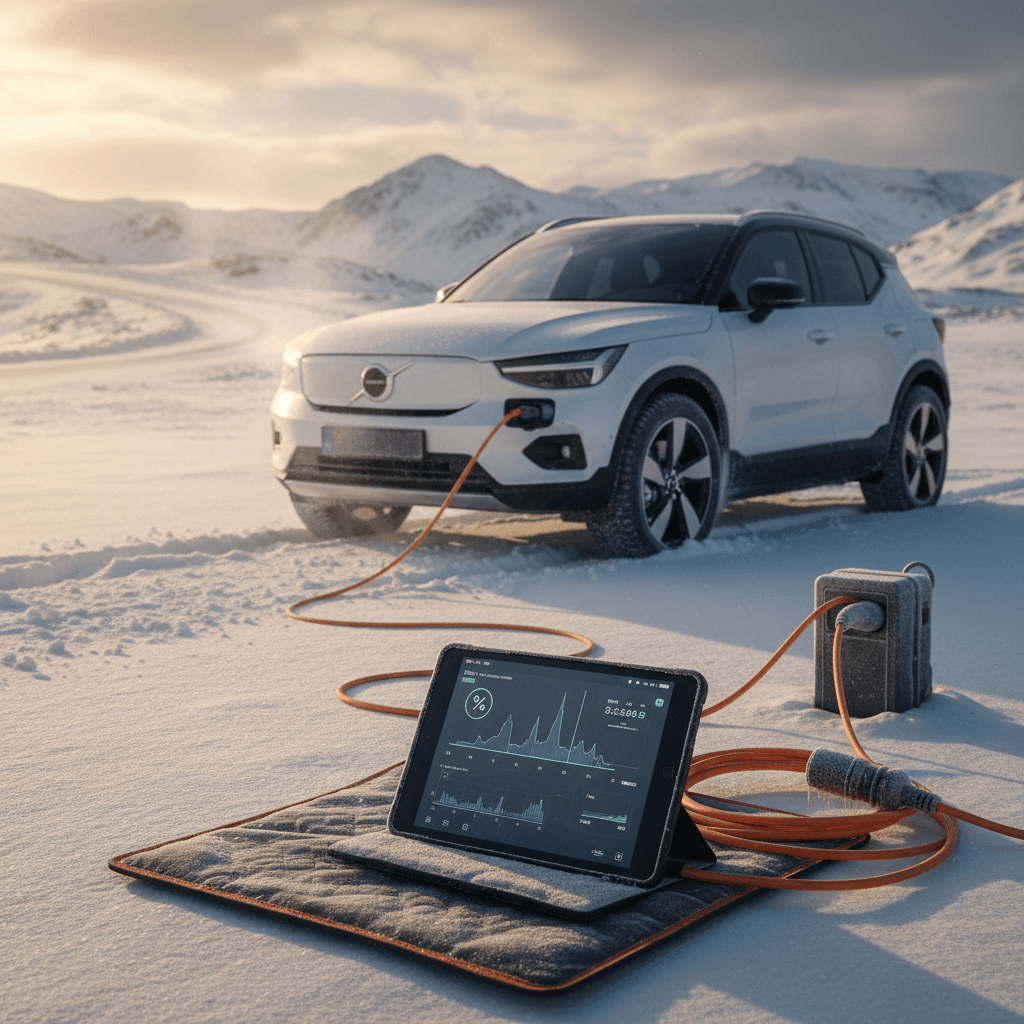
If you live where winter actually means snow, slush, and single‑digit temps, you’re smart to ask about Volvo EX30 winter range loss percentage. Official range numbers are measured in mild weather; what you care about is how far this small Volvo will really go on a cold January morning.
Quick answer
Volvo EX30 winter range loss at a glance
Volvo EX30 winter range snapshot
Those numbers put the EX30 in the better‑than‑average camp for winter range consistency, especially given its small footprint. It isn’t a hyper‑efficient outlier, but it also isn’t one of the EVs that fall off a cliff once the mercury dips.
How much winter range loss is normal for any EV?
Before we zoom in on the EX30, it helps to set expectations. Cold weather hurts every EV, not just Volvo’s. Battery chemistry slows down, the car has to spend energy heating both the pack and the cabin, and winter tires plus wet or snowy roads add rolling resistance.
- Large cross‑brand studies of EVs in North America and Europe typically find around 20% average winter range loss in freezing conditions compared with mild weather.
- Some models do better, shedding closer to 10–15%; others can lose 30–40% or more in severe cold or at high highway speeds.
- Short, stop‑and‑go trips in bitter cold are almost always worst‑case, because the heater never really gets to “coast.”
So when you see a 20–30% winter hit in an EX30, you’re looking at something that’s very much in the mainstream of current EV behavior. The useful question is less “Will it lose range?” and more “Does it lose more or less than similar small EV SUVs, and what can I do about it?”
Independent tests: Volvo EX30 winter range loss percentage
Several independent groups in cold‑weather countries have now put the EX30 through proper winter tests. One of the most respected is the Norwegian winter range test, which runs a big pack of new EVs on the same route in sub‑freezing weather until they hit zero.
Norwegian winter test: Volvo EX30 results
Summary of a large 2025 Norwegian winter range test where multiple EVs, including the EX30, were driven in the same cold‑weather conditions.
| Model | Official WLTP range (km) | Measured winter range (km) | Winter range loss (%) |
|---|---|---|---|
| Volvo EX30 | 472 | 371 | −21% |
| Hyundai Ioniq 5 | 546 | 436 | −20% |
| BMW i5 Touring | 497 | 392 | −21% |
| Peugeot e‑3008 | 510 | 347 | −32% |
The EX30’s winter range loss lands very close to the overall average in this benchmark test.
In that test, the EX30 covered about 371 km against a 472 km WLTP rating, roughly a 21% reduction. That’s effectively identical to well‑regarded EVs like the Ioniq 5 and BMW i5 in the same conditions, and much better than some crossovers that lost roughly a third of their rated range.
What this means in miles
Other long‑form winter tests and efficiency runs echo the same story: the EX30 doesn’t sit at the very top of the winter‑range leaderboard, but it clusters in that low‑20s percent loss band when driven at consistent speeds in real cold rather than lab conditions.
What Volvo EX30 owners report in winter
Spend a little time in Volvo EX30 owner forums and you’ll see two different winter stories. Long highway trips look fairly close to what the lab tests suggest. Short errands around town? That’s where frustration tends to spike.
Owner‑reported EX30 winter behavior
Patterns that keep showing up in real‑world stories
Highway trips
Owners running longer drives at steady speeds in temps just below freezing often report using 20–25% more energy than in mild weather, which lines up with the Norwegian data.
Short‑hop city driving
On a string of 5–10 mile errands with the cabin heating from cold each time, some drivers see 30–35% apparent loss, or more if they’re heavy on the heat and defrost.
Deep‑freeze extremes
In very low temps (around –20°C / –4°F and below), a few owners talk about range “tanking” into the 40%‑loss neighborhood, especially with winter tires, packed snow, and higher speeds all stacked together.
Don’t trust the first 5 minutes
It’s important to note that several owners who call the EX30’s winter range “atrocious” are describing lots of short trips in bitter cold. Put the car on a longer drive, with pre‑conditioning and Eco mode, and their own numbers tend to drop back into that mid‑20s percentage loss band.
Why the Volvo EX30 loses range in cold weather
The EX30 isn’t magical in winter, but it isn’t broken either. It’s following the same physics every EV does, with a few details that help and a few that hurt.
What helps the EX30 in winter
- Right‑sized battery – The pack is smaller than in big SUVs, so there’s less mass to keep warm and fewer losses from hauling extra cells you don’t need.
- Modern thermal management – The EX30 actively manages battery temperature, which helps both range and DC fast‑charge speeds once the pack is warm.
- Compact footprint – Less frontal area than a big SUV reduces aerodynamic drag, which is a major factor at highway speed in dense, cold air.
What hurts range in the EX30
- Boxy shape – Even though it’s small, the styling is fairly upright, which isn’t as slippery as a sleek sedan or coupe‑crossover.
- HVAC behavior – Multiple owners note that climate control can run aggressively; if you like a warm cabin, the heater will happily use a lot of energy.
- Short‑trip bias – As an urban‑friendly SUV, many EX30s spend their lives doing errands, which is the hardest use case for any EV in winter.
Heat pump vs. resistive heating
How temperature and driving pattern change your loss percentage
The same EX30 can look like a winter hero or a letdown depending on where you live and how you drive. Think of winter range loss as a sliding scale rather than a single magic number.
Typical Volvo EX30 winter range loss by scenario
Approximate loss bands you can expect based on temperature and drive pattern if your EX30 and battery are in good health.
| Scenario | Outside temp | Typical loss vs. mild weather | What it looks like day‑to‑day |
|---|---|---|---|
| Cool & damp commute | 32–45°F (0–7°C) | 10–20% | Mostly highway, moderate heat; you might see ~10% extra consumption on the trip computer. |
| Freezing mixed driving | 20–32°F (–7 to 0°C) | 20–30% | Suburbs plus some highway, using seat and wheel heat; range meter sits 20–25% lower than in spring. |
| Short errands in deep cold | Below 10°F (−12°C) | 30–40% | Lots of 3–10 mile trips, heavy use of defrost; predicted range feels like it’s melting. |
| Long highway run in real cold | 0–20°F (−18 to −7°C) | 25–35% | Continuous interstate driving on winter tires, heater working hard; you plan charging stops more carefully. |
These are ballpark figures, not promises, your results will vary with speed, wind, elevation, and how warm you keep the cabin.
Watch percentage, not just miles
How the EX30 compares to other small EV SUVs in winter
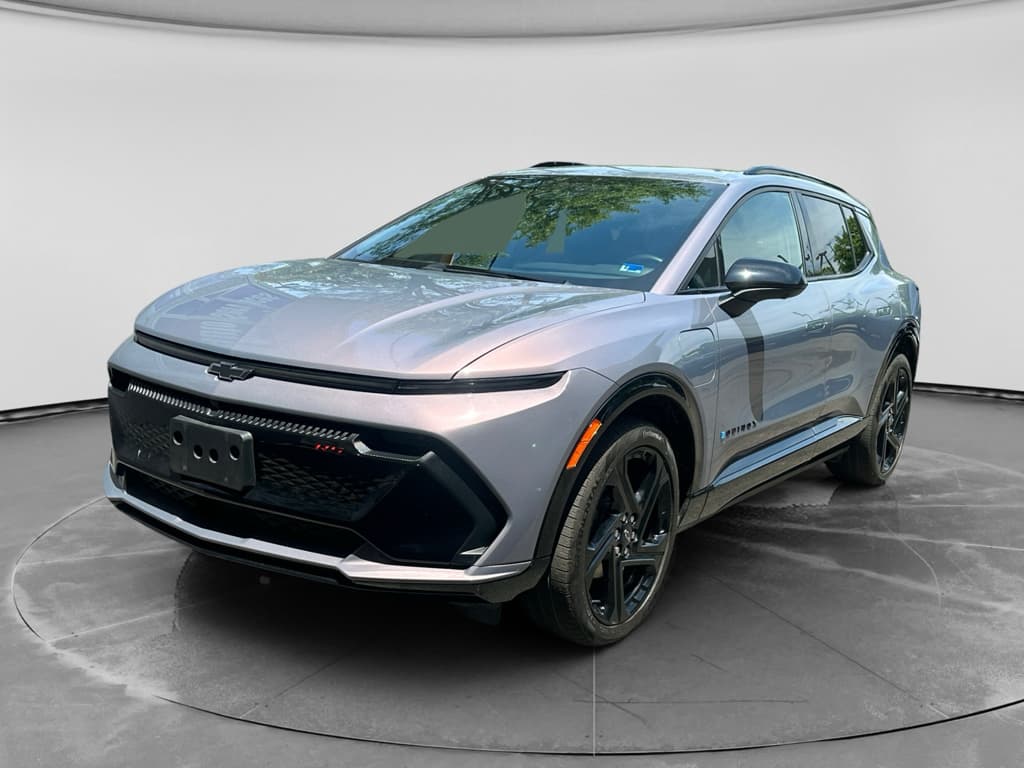
If you’re cross‑shopping the EX30 with other compact EV crossovers, Hyundai Kona Electric, Kia EV3/EV4, VW ID.4, Chevy Equinox EV, the big question is whether Volvo is an outlier in the cold.
Winter range comparison: EX30 vs. peers
Where the Volvo realistically sits among small EV SUVs
On par with efficient crossovers
In controlled winter testing, the EX30’s ~21% loss sits very close to efficient crossovers like the Hyundai Ioniq 5. It’s not a standout, but definitely not a laggard.
Better than some bigger EVs
Several larger crossovers and SUVs in the same tests lose closer to 30% or more in winter, partly because they haul more mass and have more frontal area.
Short‑trip penalty is universal
Where owners complain most, in short winter hops, the EX30 behaves a lot like other small EVs. If most of your driving is quick errands in sub‑freezing temps, any EV will feel range‑tight.
In other words: if you like the EX30’s size, design, and safety story, winter range probably shouldn’t be the deal‑breaker. It behaves like a modern, well‑engineered EV that happens to live inside a small, square‑shouldered body.
How to minimize winter range loss in your Volvo EX30
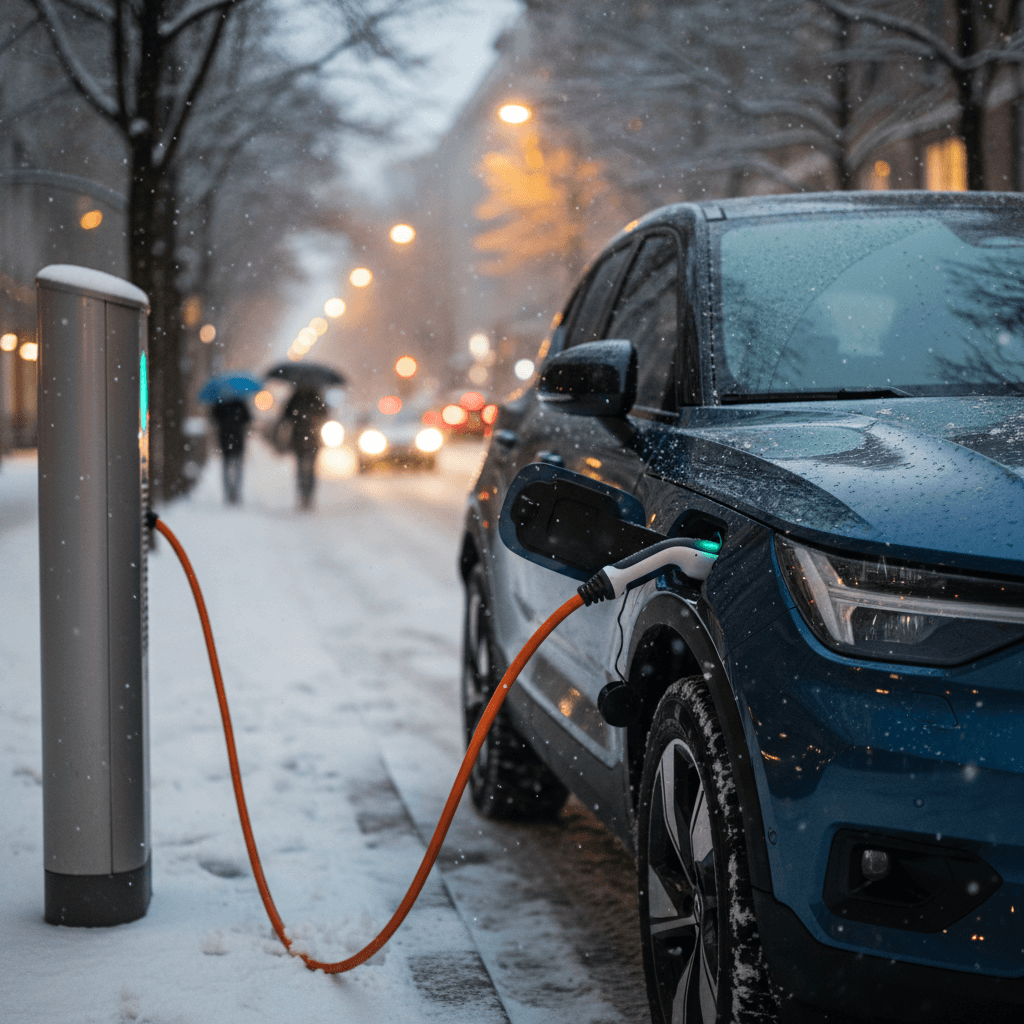
You can’t beat physics, but you can stack the deck in your favor. The EX30 gives you a solid toolkit for managing winter range, you just have to use it.
Practical steps to stretch EX30 winter range
1. Pre‑condition while plugged in
Use the Volvo app or in‑car scheduling to <strong>warm the cabin and battery before you leave</strong> while the car is still charging. You’ll start with a warm pack, better efficiency, and clear windows without burning driving range.
2. Rely on seat and wheel heaters
Heated seats and steering wheel use far less energy than blasting hot air. Set the cabin to a moderate temperature and let the localized heaters keep you comfortable.
3. Use Eco mode on cold days
Eco mode softens throttle response and tames HVAC aggressiveness. Many owners see noticeably steadier consumption in winter with Eco engaged on longer drives.
4. Avoid lots of short trips on a cold battery
If possible, <strong>combine errands into one longer trip</strong>. The heater’s warm‑up penalty hurts least when it’s spread over more miles.
5. Watch your speed on the highway
Cold, dense air and winter tires magnify the cost of high speeds. Rolling at 65 mph instead of 75 mph can save a surprising amount of energy in an EX30.
6. Keep tires properly inflated
Tire pressures drop with temperature. Under‑inflated winter tires jack up rolling resistance, which you’ll see immediately in your mi/kWh numbers.
Don’t skip battery warm‑up before fast charging
Shopping for a used Volvo EX30? Winter range checklist
If you’re considering a used Volvo EX30, especially in a cold‑weather state, it pays to think about winter range up front. The good news is that EV batteries age more slowly than many people fear, but how the car was used and charged still matters.
Used EX30 winter‑readiness checklist
Ask for a recent battery health report
A <strong>battery health scan</strong> will tell you how much capacity the pack has retained. At Recharged, every EV we list includes a <strong>Recharged Score Report</strong> with verified battery health, so you’re not guessing.
Review the previous owner’s climate
An EX30 that spent its life in a mild coastal city may see slightly less winter‑aging stress than one that sat outside unplugged through repeated deep‑freeze snaps.
Test‑drive in similar conditions
If you’re buying in winter, do a test drive with heat on, mixed roads, and watch <strong>energy consumption and predicted range</strong> instead of just trusting the window sticker.
Check for software updates
Volvo has been steadily refining climate control and drivability via software. Make sure the used EX30 is on current firmware; it can subtly improve winter behavior.
Inspect tires and wheels
A car sitting on aggressive studded or oversized winter tires will use more energy than one on efficient all‑seasons or aero‑optimized wheels.
How Recharged can help
Ready to find your next EV?
Browse VehiclesFAQ: Volvo EX30 winter range loss questions answered
Volvo EX30 winter range FAQ
Bottom line: Is the Volvo EX30 a good winter EV?
If you strip away the noise from scary screenshots and one‑off horror stories, the Volvo EX30 settles into a reassuring place: its winter range loss percentage is entirely normal for a modern small EV crossover. Around 20–30% loss in typical cold, a bit more in deep‑freeze stop‑and‑go, and solid behavior on longer highway runs once you learn to pre‑condition and tame the heater.
For everyday life in a cold‑weather climate, that means an EX30 can be a perfectly practical commuter and even a capable winter road‑tripper, as long as you plan based on real numbers instead of brochure promises. And if you’re eyeing a used EX30, pairing those expectations with a verified battery health report, like the Recharged Score you get on every EV at Recharged, takes the guesswork out of winter ownership.