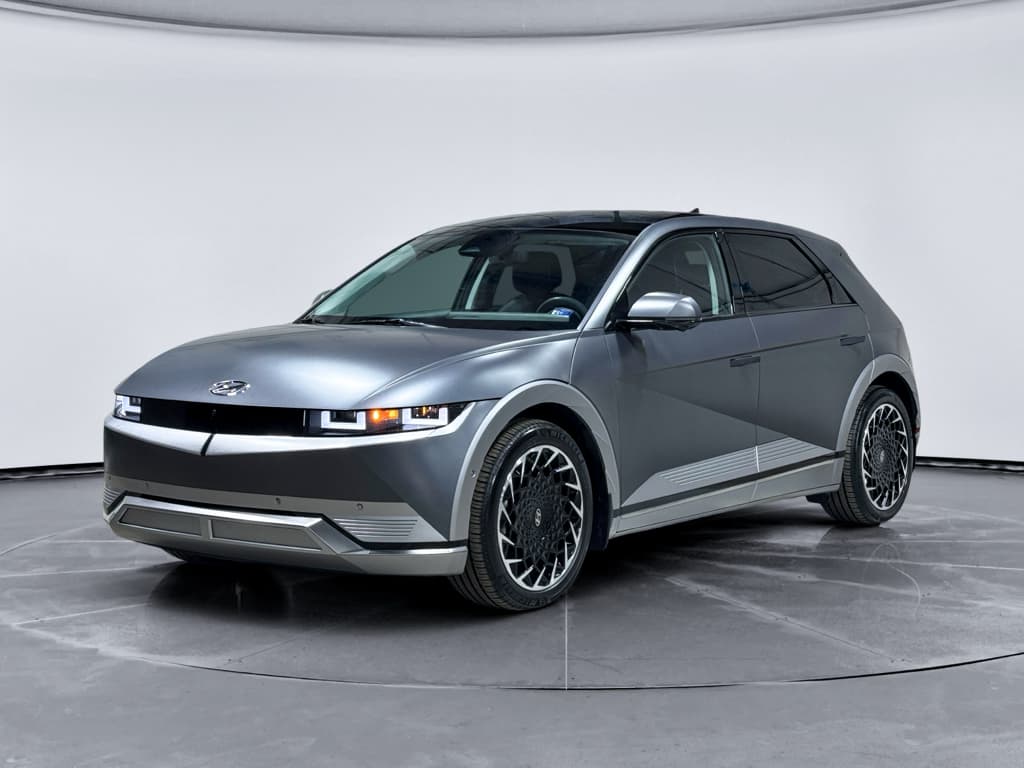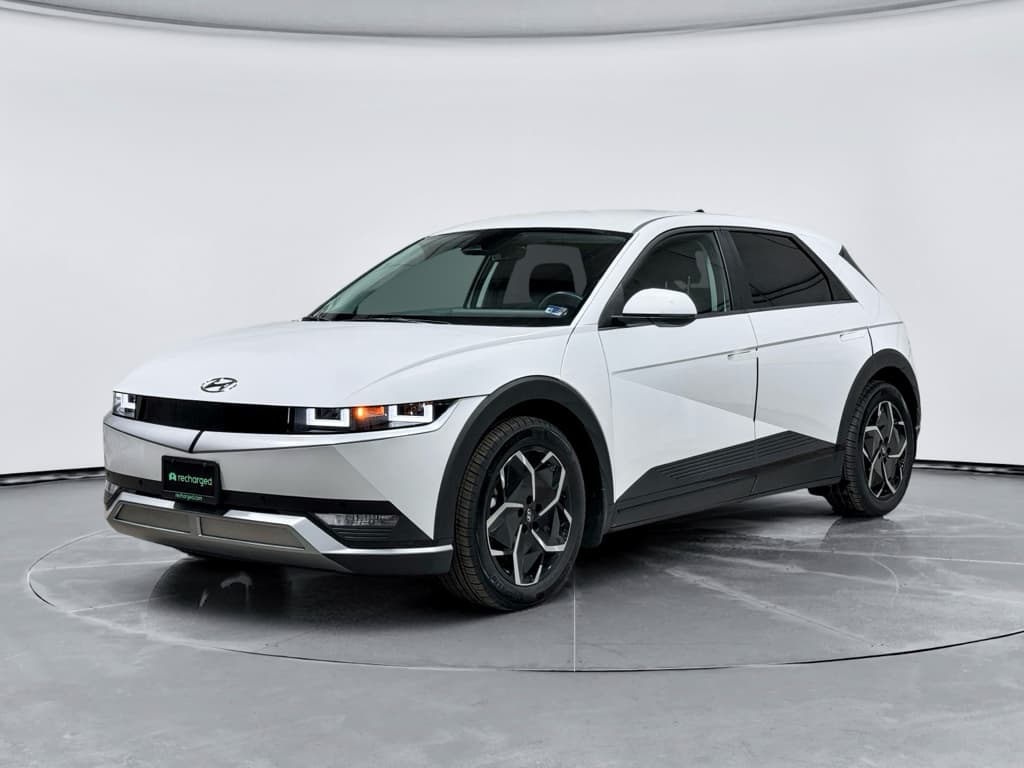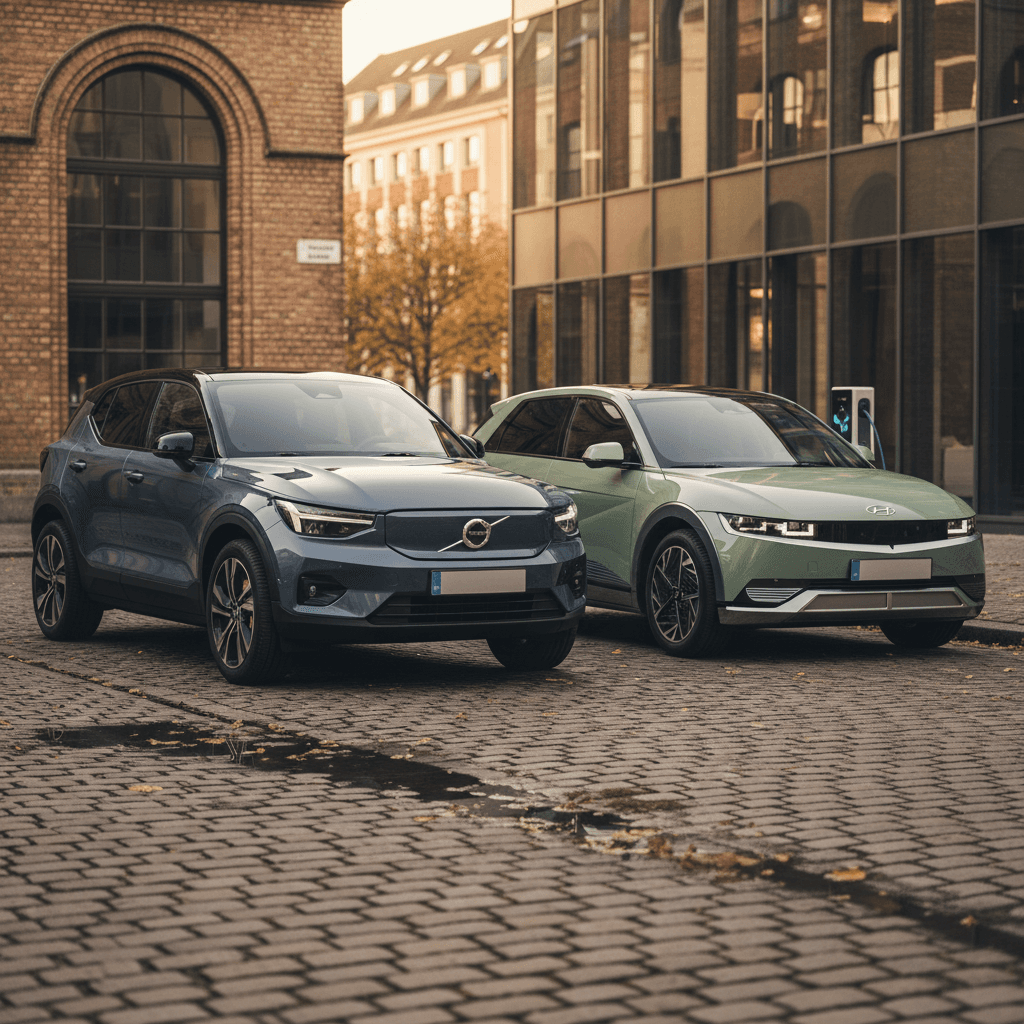
Torn between the Volvo EX30 vs Hyundai Ioniq 5? You’re not alone. These two electric crossovers share a plug and a mission, stylish, everyday EV transport, but they come from different planets. The EX30 is a tiny, punchy Swedish design object; the Ioniq 5 is a retro‑futurist family shuttle with more interior volume than some midsize SUVs. Choosing the right one comes down to how you actually live, drive, park, and road‑trip.
Two EVs, two very different missions
Volvo EX30 vs Ioniq 5: quick overview
Volvo EX30 vs Hyundai Ioniq 5: key specs at a glance
Headline differences for typical U.S. trims as of 2025–2026. Exact numbers vary by model year and configuration.
| Volvo EX30 | Hyundai Ioniq 5 | |
|---|---|---|
| Vehicle type | Subcompact electric SUV | Compact electric SUV (nearly midsize inside) |
| Typical new MSRP* | ~$36k–$48k | ~$43k–$60k depending on year/trim |
| Battery sizes (gross) | ~51 kWh / 69 kWh | ~58 kWh / 77.4 kWh (Long Range) |
| EPA range window | ~200–275 miles (trim‑dependent) | ~220–320 miles (trim‑, year‑, and drive‑type‑dependent) |
| Drivetrain | RWD or AWD (dual‑motor) | RWD or AWD (dual‑motor) |
| 0–60 mph (quickest versions) | Low‑3‑second range (Twin Motor Performance) | Mid‑4‑second range (dual‑motor Long Range) |
| DC fast‑charge peak | Around 150 kW | Up to ~235 kW on newer Long Range trims |
| Interior feel | Minimalist, high‑design, cozy | Airy, lounge‑like, very spacious |
| Best for | City dwellers, style‑first buyers, singles/couples | Families, road‑trippers, one‑car households |
Approximate U.S. specs and pricing; always confirm details for the specific car you’re considering, especially on the used market.
About the numbers
Pricing, incentives, and value
On price, these two don’t actually overlap as much as you might think. New, the Volvo EX30 is positioned as Volvo’s gateway EV, more budget‑friendly than its larger EX40 or EX90 siblings. The Hyundai Ioniq 5 plays in the next size class up, with pricing to match but a lot more metal and battery for your money.
New and used pricing: what to expect
Ballpark U.S. numbers; your market, trim, and incentives will shift the math.
Volvo EX30 pricing picture
New: Recent U.S. pricing puts the EX30’s base single‑motor model in the mid‑$30,000s, with well‑equipped and dual‑motor trims landing in the mid‑ to high‑$40,000s before incentives.
- Compact size keeps material and battery costs down.
- Luxury badge and safety tech keep it from feeling “budget.”
Used: As early EX30s hit the used market, expect aggressive depreciation, great if you’re buying, painful if you’re the first owner.
Hyundai Ioniq 5 pricing picture
New: Well‑equipped Ioniq 5 Long Range trims commonly sticker in the low‑ to mid‑$50,000s, with higher‑spec limited and performance‑oriented versions climbing higher.
- More sheetmetal and a bigger battery than the EX30.
- Hyundai badge, but very premium design and feel.
Used: Earlier model‑year Ioniq 5s are now showing up under many new‑EX30 prices, especially with higher mileage.
Don’t ignore used EV value
Incentives are another piece of the puzzle. Federal and state EV tax credits and rebates have been a moving target since 2023. Depending on where you live and whether you buy new or used, either car could qualify, or neither might. A lower‑MSRP EX30 might slip under certain price caps more easily; a lightly‑used Ioniq 5 might qualify as a used EV and unlock a different set of benefits. When you shop through Recharged, specialists can help you navigate which specific VINs may line up with today’s rules.
Size, space, and practicality
Here’s where the Volvo EX30 and Hyundai Ioniq 5 stop being rivals and start being different species. The EX30 is a subcompact SUV by any reasonable standard, closer in footprint to a Hyundai Kona Electric than to an Ioniq 5. The Hyundai, stretched over a long wheelbase skateboard, is one of the roomiest EVs this side of a full‑size SUV.
Volvo EX30: small on the outside, just‑enough inside
- Parking and city use: The EX30 is short, narrow, and easy to slot into tight urban spaces or older garages. If you parallel park every day, this matters more than any spec sheet number.
- Passenger space: Front occupants get a surprisingly airy cabin thanks to thin doors and a huge windshield. The rear bench is perfectly fine for kids or shorter adults, but taller passengers will know they’re in the back of a small SUV.
- Cargo: The cargo area is shaped usefully but modest in volume. Think grocery runs, strollers, and weekend bags, fine. Cross‑country moves, maybe not.
Hyundai Ioniq 5: a living room on wheels
- Cabin volume: With a flat floor, long wheelbase, and sliding rear seats, the Ioniq 5 feels nearly minivan‑sized inside. Adults can comfortably sit behind adults, which is not true of most subcompact EVs.
- Cargo flexibility: Rear seats that slide and recline let you trade legroom for luggage. With the seats down, it becomes a credible small‑SUV replacement for Costco runs and road trips.
- Everyday usability: Wide‑opening doors, generous rear headroom, and a more conventional seating height make it an easier family hauler or dog‑mobile than the EX30.
Car seats and kids
Range, charging, and road‑trip readiness
On paper, the Ioniq 5 wins the spec war with larger batteries and higher peak DC fast‑charge speeds. But the Volvo EX30 fights back with efficiency and a smaller, lighter package. The right choice depends on how far you actually drive and how often you leave your metro area.
Range and charging highlights
Real‑world vs brochure range
If your life is lived mostly within a 30‑mile radius, school, work, gym, Trader Joe’s, either car has more range than you’ll regularly use. The question becomes road‑trips. Here, the Ioniq 5’s stronger highway range and faster charging make a difference: you’ll stop less often, and those stops tend to be shorter. The EX30 can road‑trip, but it asks more patience and a little more planning.
Questions to answer before choosing on range alone
1. How often do you drive more than 150 miles in a day?
If the answer is “basically never,” the EX30’s smaller pack is probably enough, and you gain the benefits of a lighter, easier‑to‑park EV.
2. Do you have reliable home charging?
With a Level 2 charger at home, both cars can easily recover your daily driving overnight. Without home charging, the Ioniq 5’s faster DC rates can ease the pain of public‑charging life.
3. Is winter range a concern?
In cold climates, every EV loses range. Starting with a bigger battery (as in many Ioniq 5 trims) gives you more cushion for ski trips and cold‑weather errands.
4. How patient are you on road trips?
If you’re the “get there now” type, the Ioniq 5’s faster charging fits your temperament. If you’re fine using stops as actual breaks, the EX30 may suit you just fine.
Performance and driving feel
Both EVs do the standard electric‑car tricks, instant torque, quiet acceleration, one‑pedal driving modes, but they speak different dialects. The EX30 is the hot hatch of this duo; the Ioniq 5 is the long‑legged GT.
Volvo EX30: feisty and compact
- Acceleration: Even the single‑motor EX30 feels brisk around town. The dual‑motor Performance version, with power in the 400‑ish‑horse neighborhood, is startlingly quick, sports‑sedan fast in a tiny SUV shell.
- Ride and handling: Short wheelbase plus big wheels equals a more lively, sometimes busy ride on broken pavement. The upside is a car that darts through traffic and feels right at home in dense city driving.
- Character: The steering is light, the body small, the whole thing playful. If you enjoy driving, this is the one that feels like a grown‑up hot hatch with a Volvo badge.
Hyundai Ioniq 5: calm and confident
- Acceleration: The dual‑motor Ioniq 5 is plenty quick by any reasonable standard, but its size and tuning make it feel more serene than manic. Rear‑wheel‑drive Long Range trims hit a sweet spot of smooth, efficient thrust.
- Ride and stability: The longer wheelbase and extra mass give it a planted, almost luxury‑sedan composure at highway speeds. Rough surfaces are filtered rather than transmitted.
- Character: Less playful than the EX30 but less fatiguing on long days. Think grand‑touring crossover rather than city toy.
The fun‑to‑drive verdict
Tech, safety, and user experience
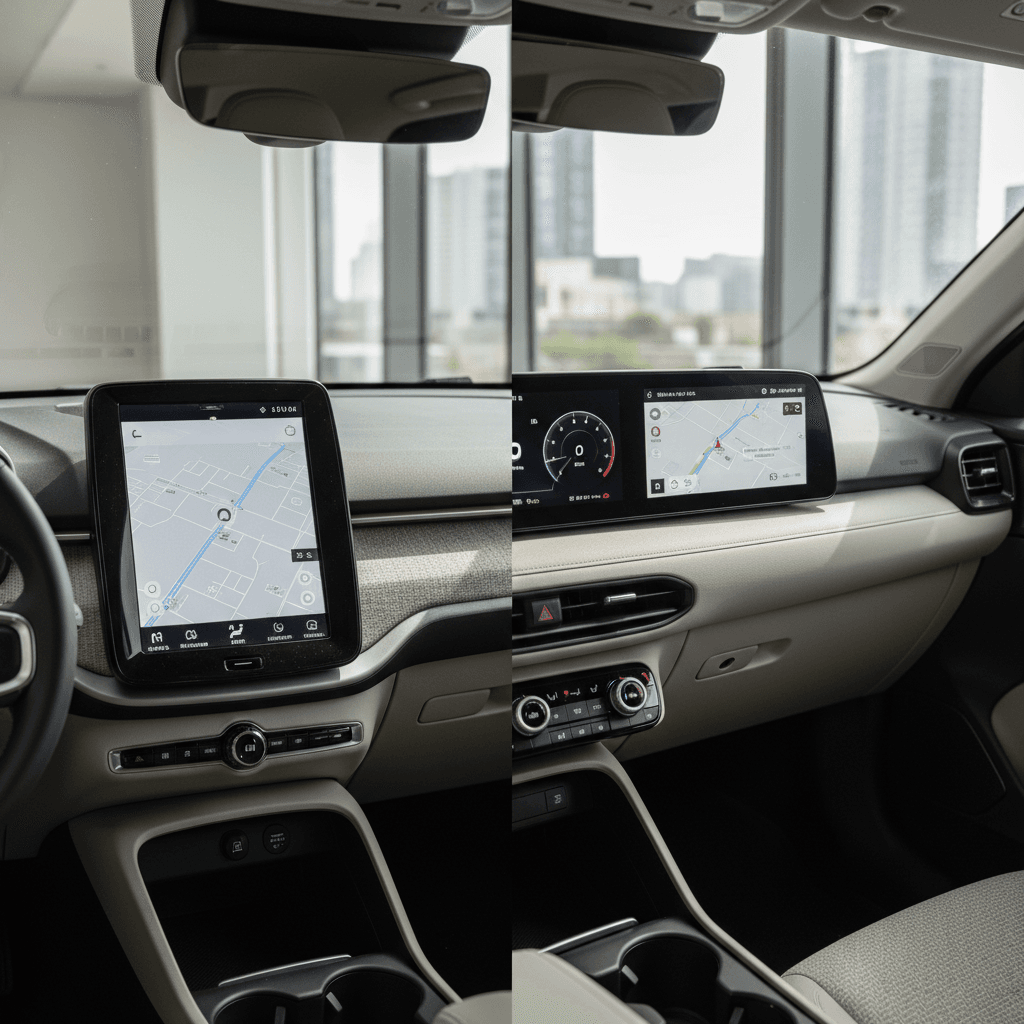
Both cars lean hard into screens and software, but they take opposite approaches. The EX30 is minimalist to a fault; the Ioniq 5 mixes big screens with a more conventional set of physical controls.
Interface philosophies: Scandinavian tablet vs digital living room
The way you interact with the car matters as much as kilowatts and cargo volume.
Volvo EX30: less is more (and sometimes less is…less)
- Single central screen: Most functions, including climate, drive modes, and even some basic info, live on a tall center touchscreen. The driver looks sideways for data more often than in traditional layouts.
- Google built‑in: Native Google Maps, Assistant, and Play Store make it feel like a giant Android tablet on wheels.
- Minimal physical controls: Clean design, but some owners find the lack of buttons frustrating for quick adjustments. You’ll want to live with the UI before you commit.
Hyundai Ioniq 5: digital but familiar
- Dual wide screens: A digital cluster and central touchscreen sit behind one glass panel, keeping key driving info in front of you.
- Physical controls where it counts: Real buttons and dials for climate and essential functions make the learning curve shorter, especially for less tech‑savvy drivers.
- Feature content: Depending on trim and year, you can find HUDs, 360‑degree cameras, highway‑driving assistants, and more, well tuned and generally easy to live with.
Driver‑assist caveat
On safety credentials, both brands bring strong reputations and high crash‑test performance where data is available. Volvo leans into its century‑long obsession with passive safety; Hyundai counters with excellent active‑safety tech for the money. For used buyers, what matters most is the exact spec of the car in front of you: does it have the latest camera and radar suite, blind‑spot monitoring, rear cross‑traffic alert, and a surround‑view camera? On Recharged, each listing’s Recharged Score highlights these equipment differences along with verified battery health.
Ownership experience: warranty, reliability, and depreciation
Ownership isn’t just about how the car drives; it’s about how it ages. Here, the Hyundai Ioniq 5 enjoys the advantage of time. It’s been on sale longer, its quirks are better documented, and Hyundai’s generous EV battery warranty is well known. The EX30 is newer, with fewer long‑term data points, and, as with many fresh platforms, early recalls and software updates are part of the story.
- Warranty: Hyundai typically offers one of the strongest battery and powertrain warranties in the business. Volvo’s coverage is competitive but not as headline‑grabbing on years and miles.
- Reliability picture: Early Ioniq 5s had some teething issues (software updates, 12‑volt batteries), but patterns are now visible. The EX30 is too new for a clear long‑term picture; you’re trading novelty and cutting‑edge design for a bit more uncertainty.
- Depreciation: Luxury‑branded subcompact EVs like the EX30 tend to shed dollars faster than practical family crossovers. That’s tough news for first owners and excellent news if you’re shopping used in a few years.
- Battery health: Both use modern liquid‑cooled packs designed to last well past 100,000 miles if cared for. How a specific car was charged and driven matters more than the badge on the nose. That’s why every Recharged vehicle includes a Recharged Score report with a battery‑health snapshot, charge‑cycle analysis, and pricing anchored to real‑world pack condition.
Why battery health matters more than model year
Which EV should you choose? Real‑world scenarios
Rather than crown one universal winner, it’s more useful to match each EV to the life it serves best. Here are a few common shopper profiles and which way the scales tend to tip.
Volvo EX30 vs Hyundai Ioniq 5 by use case
Pick the situation that sounds most like your life.
Urban dweller, tight parking, no kids
You live in a dense city, street‑park or share a cramped garage, and rarely carry more than one passenger.
Better fit: Volvo EX30. Its small footprint and quick reflexes make city driving easier and more fun. Range is ample for short hops, and you get a genuine premium feel without a giant vehicle to wrestle.
Growing family, one‑car household
You need one vehicle to do it all: daycare runs, Costco, road trips to see grandparents.
Better fit: Hyundai Ioniq 5. The extra space, range, and faster charging pay dividends every single day. It behaves more like a midsize SUV, just happens to run on electrons.
Frequent road‑tripper
You regularly log multi‑hundred‑mile days on interstates.
Better fit: Ioniq 5 in a long‑range trim. You stop less, charge faster, and spend hours in a more relaxed, airy cabin. The EX30 can do it, but you’ll be working around its smaller pack and shorter wheelbase comfort envelope.
Design‑led, eco‑minded commuter
You care about aesthetics and sustainability as much as spreadsheets.
Better fit: Volvo EX30. It wears its Scandinavian design and recycled materials on its sleeve. If you mostly commute and run errands, its smaller size and efficient pack are more virtue than compromise.
Value hunter shopping used
You want maximum EV for the money and are happy to skip "brand‑new" bragging rights.
Better fit: Often a used Ioniq 5. Early‑run Ioniq 5s now undercut many new EX30s, offering more room and range at similar prices. But keep an eye out for well‑priced EX30s as they age, depreciation can flip the script in a few years.
Apartment dweller relying on public charging
No home plug, lots of time on DC fast chargers.
Better fit: Ioniq 5. The ability to take higher charging power on modern 800‑volt hardware makes living on public infrastructure less painful. The EX30’s slower peak rates add minutes to every stop.
How Recharged can help you decide
Ready to find your next EV?
Browse VehiclesVolvo EX30 vs Hyundai Ioniq 5: FAQ
Common questions about Volvo EX30 vs Hyundai Ioniq 5
Bottom line: EX30 or Ioniq 5?
If you strip away the marketing, the decision is refreshingly simple. Want a small, stylish, premium‑feeling EV that makes the city feel smaller and the parking lots less hostile? That’s the Volvo EX30. Want an all‑rounder electric SUV that can replace a family crossover, do long trips without drama, and age into a flexible one‑car solution? That’s the Hyundai Ioniq 5.
The real magic trick is finding the right example of either car, at the right price, with the right battery health and equipment for your life. That’s where Recharged comes in. With transparent Recharged Score reports, EV‑savvy support, and nationwide delivery, you can browse used EX30s and Ioniq 5s from your couch, compare them apples‑to‑apples, and let the one that actually fits your life (and budget) rise to the top.