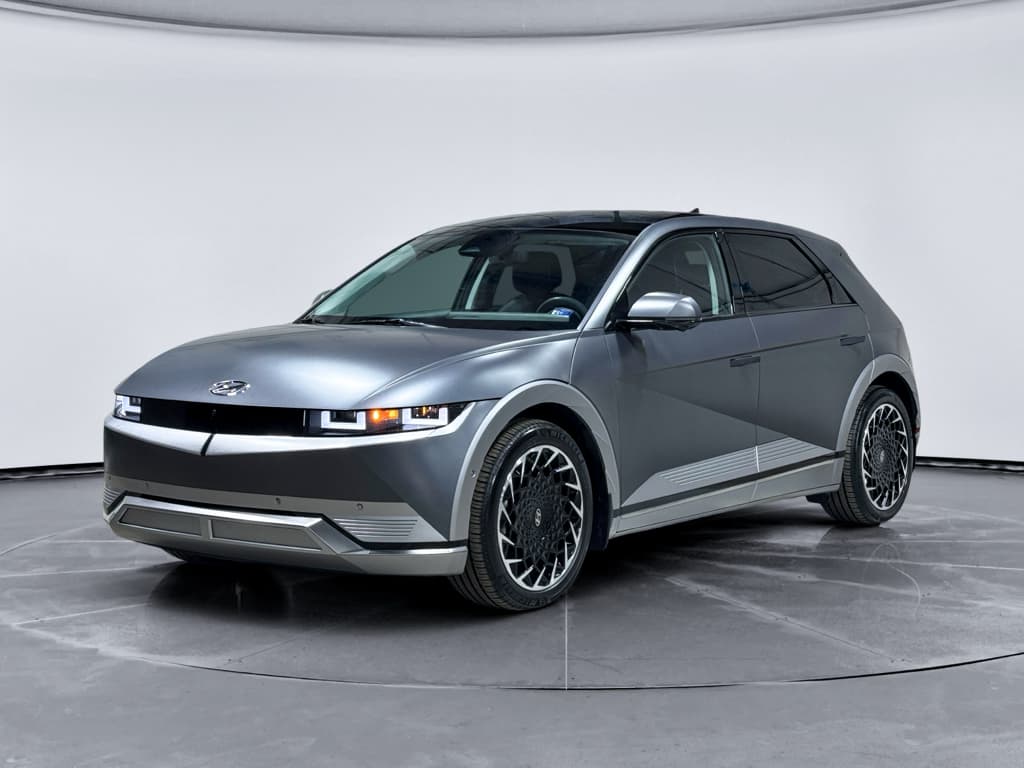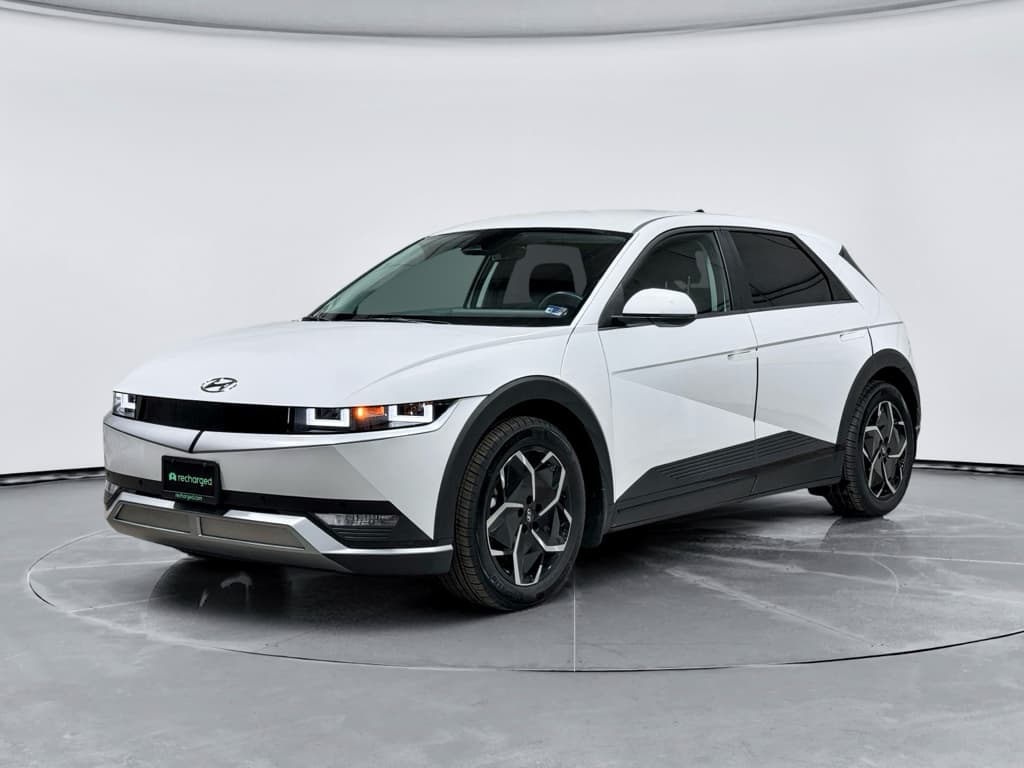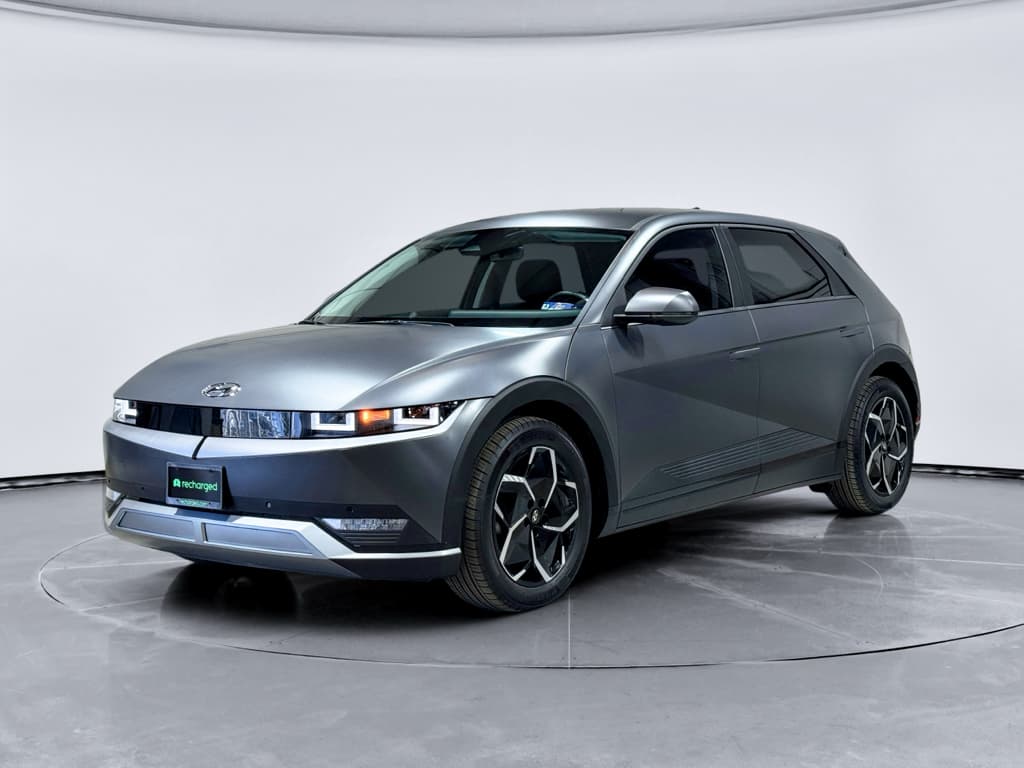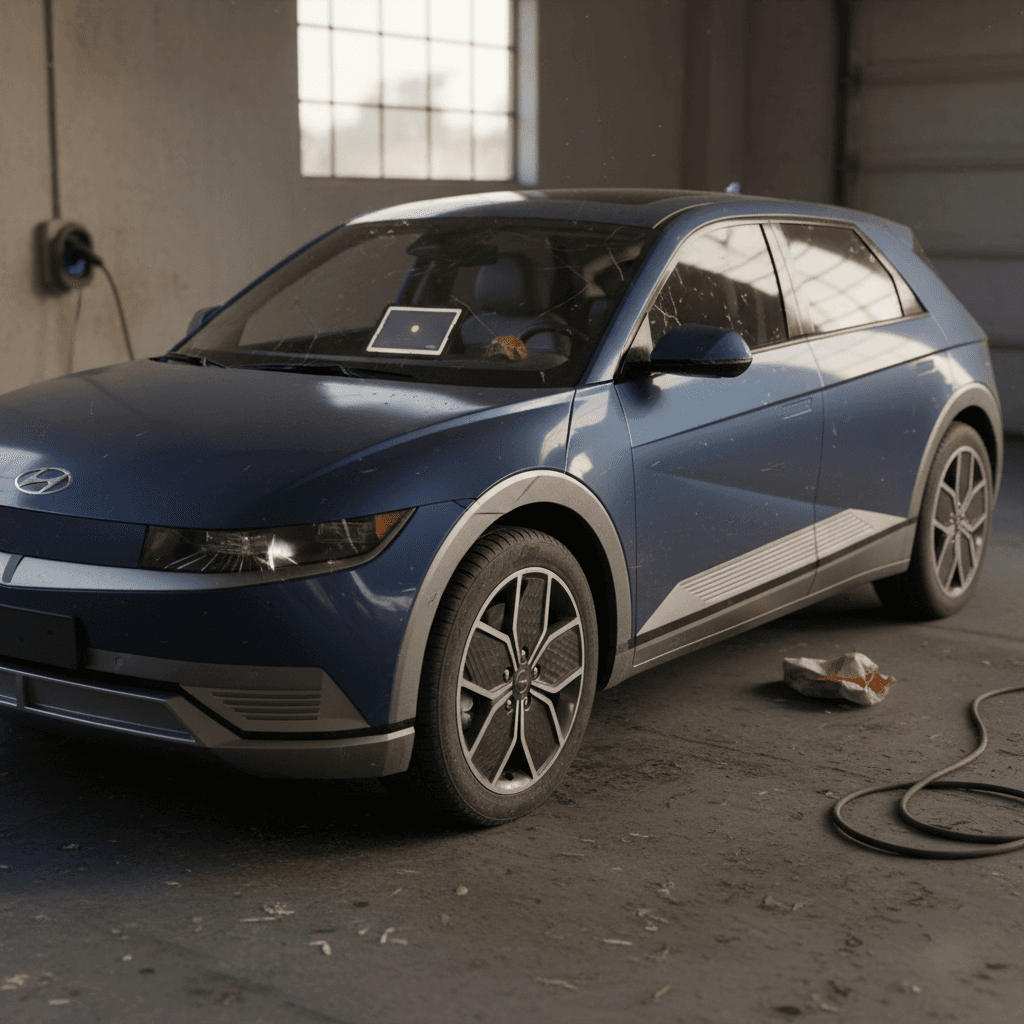
If you’re considering a 2022 Hyundai IONIQ 5, reliability is probably at the top of your list. The first model year of any new EV platform can be a mixed bag, and the IONIQ 5 is no exception: it delivers excellent efficiency and comfort, but it has also been the subject of high‑profile charging and electronics issues. This guide walks through real‑world 2022 Hyundai IONIQ 5 reliability, common problems, recalls, and what to check if you’re buying one used.
Quick take
2022 Hyundai IONIQ 5 reliability at a glance
2022 IONIQ 5 reliability snapshot
Put simply, the 2022 IONIQ 5 doesn’t have the bulletproof reputation of a Toyota hybrid, but it’s also not a disaster. The main reliability story centers on charging hardware, the Integrated Charging Control Unit (ICCU), and some electronics quirks. Once those are addressed, many owners report trouble‑free, high‑mileage driving.
Where the 2022 IONIQ 5 is strong, and where it isn’t
Reliability strengths
- Powertrain and battery pack have not shown widespread catastrophic failures.
- Simple single‑speed drivetrain avoids many traditional transmission problems.
- Good real‑world efficiency keeps operating costs low, especially if you home‑charge.
- Long EV component warranty gives a safety net for major issues.
Known weak spots
- ICCU failures causing 12‑volt battery drain and, in some cases, sudden loss of power.
- Charging port overheating and reduced Level 2 charging speeds at higher amperage.
- Random electronics glitches with infotainment and charge port doors.
- Early build quality niggles like rattles on rough roads and minor interior squeaks.
First‑year EV realities
Common 2022 Hyundai IONIQ 5 problems owners report
Owner reviews, forum posts, and complaint databases paint a consistent picture of 2022 IONIQ 5 trouble spots. Not every car will experience these, but they’re the themes you see again and again.
- ICCU failures and 12‑volt battery issues: Sudden loss of power, “Check EV system” warnings, dead 12‑volt batteries, and vehicles that won’t start or charge until the ICCU and 12‑volt battery are replaced.
- Home Level 2 charging interruptions: Charging sessions that stop and restart repeatedly, or fail altogether, often traced to overheating at higher amperage (40–48 amps).
- Charge port door problems: Charge door not opening reliably via voice command or tap, or sticking partially open/closed.
- Infotainment and electronics glitches: Frozen or black infotainment screens, Bluetooth quirks, USB ports dropping CarPlay/Android Auto connection.
- Suspension feel and rattles: Some owners note a busy, unsettled rear suspension over sharp bumps and occasional interior rattles on poor pavement.
Owner sentiment in context
ICCU failures and the 2024 recall: what it means
The most serious reliability story on the 2022 Hyundai IONIQ 5 involves the Integrated Charging Control Unit (ICCU). This component manages DC‑to‑DC conversion and charging for the 12‑volt system. When it fails, it can strand the vehicle or dramatically limit performance.
Drivers have reported symptoms like sudden loss of power while driving, “Stop vehicle and check power supply” warnings, and cars that won’t charge or power up. In many cases, the root cause is damage inside the ICCU that prevents proper charging of the 12‑volt battery.
Why the ICCU issue matters
In March 2024, Hyundai launched a recall campaign on roughly 98,000 IONIQ 5 and related E‑GMP EVs to inspect the ICCU and associated fuses, replace hardware where needed, and update software to reduce thermal and electrical stress during charging and driving. If you’re looking at a 2022 model, you want proof this recall work has been completed.
ICCU checklist for a used 2022 IONIQ 5
1. Run the VIN for open recalls
Ask the seller, or check yourself on NHTSA’s site, to confirm the ICCU recall and any related campaigns have been completed. Get documentation, not just a verbal assurance.
2. Look for ICCU replacement records
Ideally, you’ll see a dealer invoice showing ICCU and fuse inspection or replacement, plus a software update. This suggests the car has already had updated parts installed.
3. Ask about past “no‑start” events
Question the owner or dealer about any history of dead 12‑volt batteries, “Check EV system” warnings, or sudden loss of power. Frequent incidents are a red flag.
4. Test drive for confidence
On your test drive, look for warning lights, power loss, or strange charging behavior after a DC fast‑charge session. You shouldn’t see any EV system warnings.
Home charging and port overheating complaints
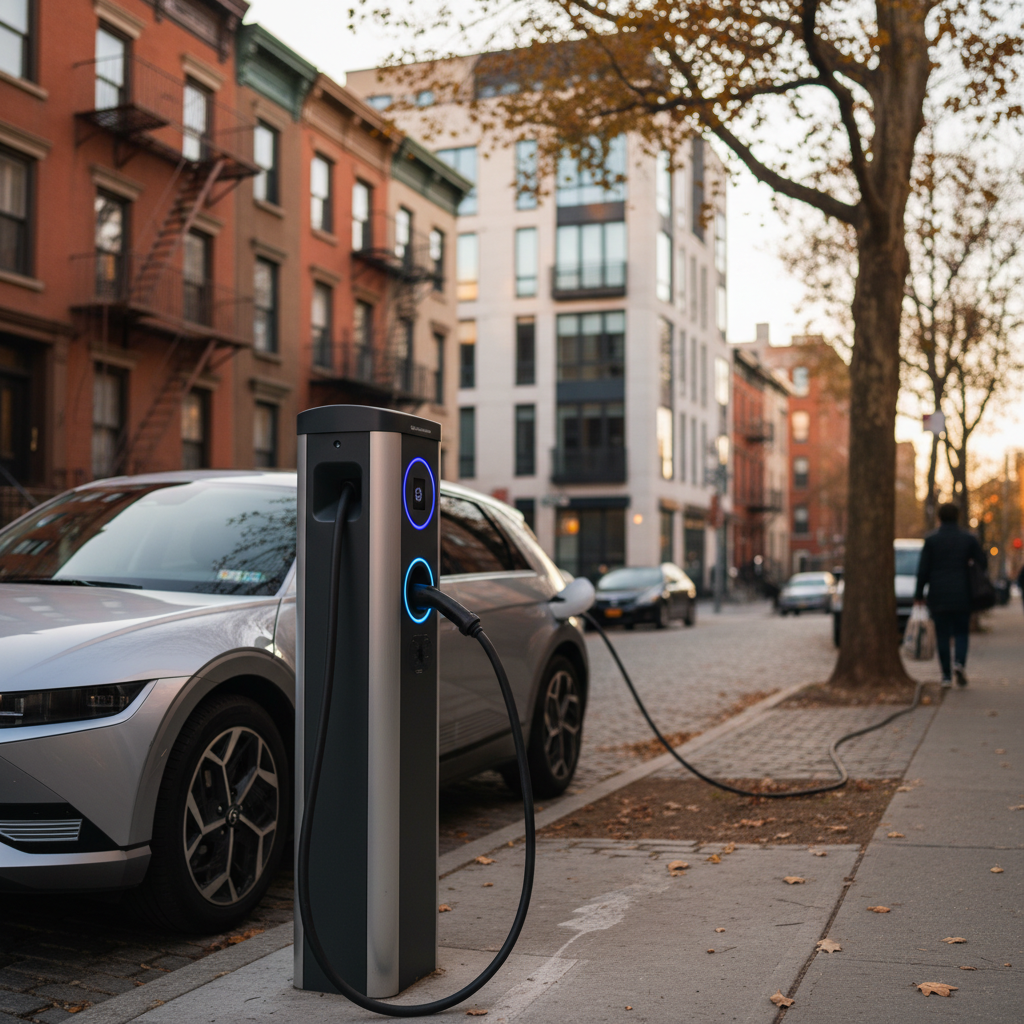
Another recurring reliability gripe with 2022 IONIQ 5s is charging port overheating during Level 2 home charging, especially at higher amperage (40–48 amps). Owners describe sessions that stop unexpectedly, restart, then fail again, sometimes accompanied by very hot charge ports and cables.
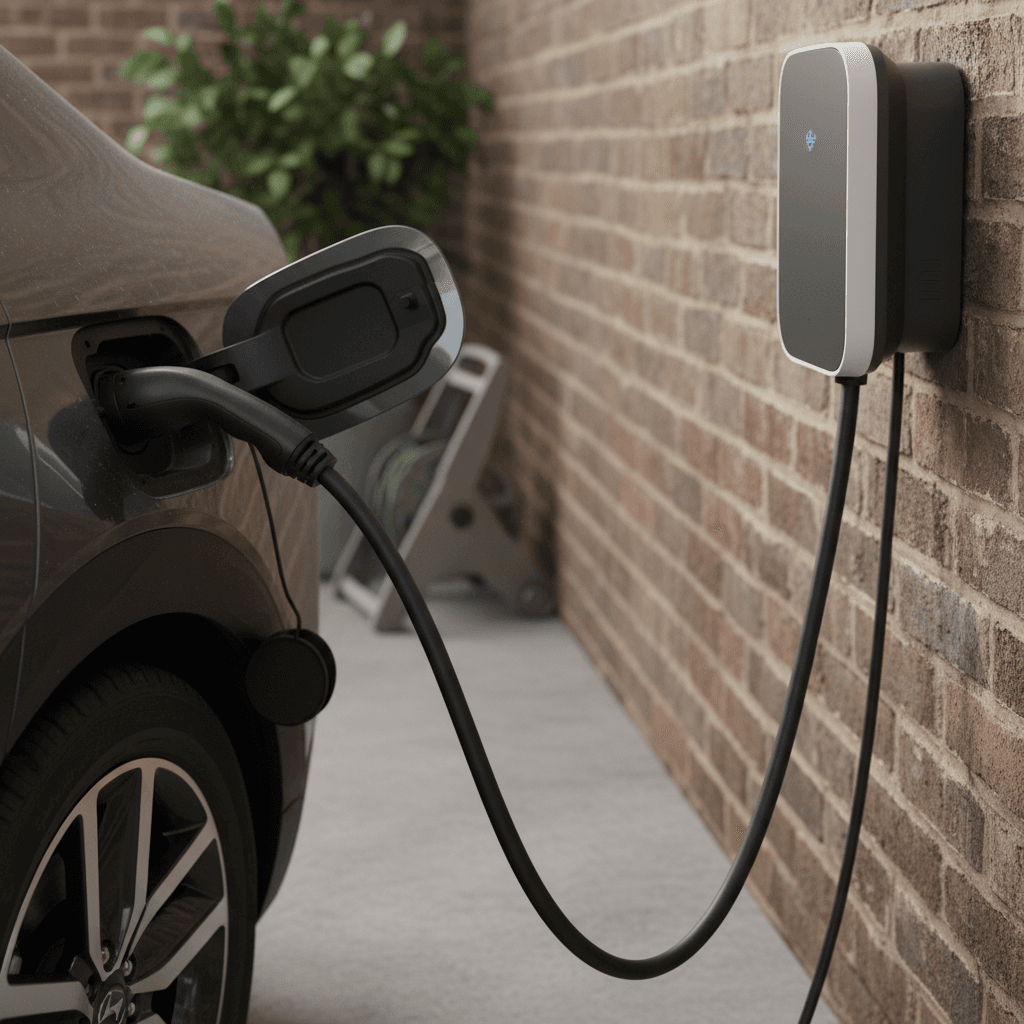
Hyundai’s interim solution in some cases has been a software update that reduces maximum AC charging current when the system detects high temperatures, essentially slowing charging to protect hardware. That keeps things safe but can frustrate owners who installed 40‑ or 48‑amp home EVSEs expecting faster recharge times.
Dialing back current as a workaround
- When evaluating a used 2022 IONIQ 5, ask how the previous owner charged, home Level 2, public DC fast charge, or a mix.
- If possible, charge the car at a 32–40 amp Level 2 station during your inspection and watch for interruptions or app alerts about charging stopping unexpectedly.
- Look for technical service bulletin (TSB) documentation related to AC charging or port overheating; it indicates the car has received the latest guidance from Hyundai.
Battery health, degradation, and long‑term durability
The heart of any used EV purchase is the traction battery. On that front, the 2022 IONIQ 5 has performed well so far. You don’t see large numbers of high‑mileage owners reporting severe degradation or pack replacements; most discuss modest range loss as the miles climb.
2022 IONIQ 5 battery durability so far
What long‑term drivers and data suggest
Moderate degradation
High‑mileage examples
Warranty safety net
Degradation vs. defects
Battery‑health checks for a used IONIQ 5
1. Verify range at high state of charge
On a test drive with the battery around 80–90%, compare the estimated range to EPA figures (about mid‑200‑mile range depending on trim and wheels). Modest variation is normal; extreme gaps may warrant a deeper look.
2. Review fast‑charging behavior
If you can, visit a DC fast charger and observe the charging curve. The car should ramp up quickly and then taper; repeated early throttling or errors may hint at thermal or software issues.
3. Ask about frequent 100% charges
Occasional 100% charges are fine, but storing the car at full charge for long periods can accelerate degradation. Long‑term owners who charge to around 80–90% daily often see better battery health.
4. Request service history
Look for any previous high‑voltage battery repairs or unusual diagnostics. Routine maintenance only is a good sign; repeated high‑voltage interventions call for extra caution.
Warranty coverage on a 2022 IONIQ 5
One reason many shoppers are comfortable with a used 2022 Hyundai IONIQ 5 is the generous warranty package Hyundai offers in the U.S. Even in 2026, many original‑owner cars still have years of coverage remaining.
Key 2022 Hyundai IONIQ 5 U.S. warranty terms
Always verify exact coverage by VIN, terms can vary by market and ownership status.
| Component | Typical coverage | What it means for a 2022 model in 2026* |
|---|---|---|
| Basic (bumper‑to‑bumper) | 5 years / 60,000 miles | Many 2022s are still within basic coverage if mileage is moderate. |
| Powertrain | 10 years / 100,000 miles | Covers electric motor and related drivetrain parts for original owner. |
| High‑voltage battery | 10 years / 100,000 miles | Protection against manufacturing defects; check transfer rules for second owners. |
| EV components | Often aligned with powertrain | Includes key electrified components; details can vary by region. |
Hyundai’s long EV warranties help offset some first‑year reliability concerns, especially on the battery and major electric components.
Used‑buyer caveat
How 2022 IONIQ 5 reliability compares with other EVs
Every EV has a personality when it comes to reliability. The 2022 IONIQ 5 sits in an interesting middle ground: it avoids some of the mechanical complexity of legacy brands’ first‑wave EVs, but its charging electronics have been more troublesome than many rivals’.
2022 IONIQ 5 vs other popular used EVs
High‑level reliability impressions for used‑EV shoppers
Vs. Tesla Model 3/Y
Vs. Nissan LEAF (2nd gen)
Vs. VW ID.4 / Kia EV6
The big picture
Shopping a used 2022 IONIQ 5: inspection checklist
When you’re buying any first‑year EV, the key is to separate well‑sorted examples from problem children. Here’s a focused checklist you can bring to a test drive or pre‑purchase inspection.
Used 2022 IONIQ 5 reliability checklist
1. Confirm all recalls and TSBs are complete
Ask for a printout from a Hyundai dealer service department showing <strong>no open recalls</strong>, including the ICCU campaign and any charging‑related software updates.
2. Scan the service history for patterns
A single ICCU replacement that’s been resolved isn’t a deal‑breaker. Multiple visits for no‑start events, repeated charging complaints, or unexplained electrical work are reasons to walk away.
3. Test both AC and DC charging
If possible, plug into a Level 2 charger at 32–40 amps and a DC fast charger. Watch for abrupt stops, errors, or warnings in the car and app. Stable sessions are what you want.
4. Check infotainment and ports
Cycle the infotainment system several times, use navigation, and test every USB port, Bluetooth, and smartphone projection. Random black screens or flaky USB connections are minor but annoying reliability issues.
5. Listen for rattles and suspension harshness
On your test drive, take a stretch of rough pavement at moderate speed. The car should feel composed with only minor noise, not crashing or thudding from the rear.
6. Verify remaining warranty
Use the in‑service date and mileage to estimate remaining coverage. For many 2022s, some basic warranty may have expired, but <strong>EV component and battery coverage</strong> often remain, especially for original owners.
How Recharged reduces your risk with a used IONIQ 5
Because the 2022 IONIQ 5’s main issues revolve around charging electronics, a surface‑level test drive isn’t always enough. That’s exactly the kind of situation where a data‑driven used‑EV marketplace like Recharged can help.
Buying a used IONIQ 5 through Recharged
How we help you avoid problem cars and focus on the good ones
Recharged Score battery diagnostics
Recall & history verification
Financing, trade‑in & delivery
Ready to find your next EV?
Browse VehiclesTalk to an EV specialist
Frequently asked questions about 2022 IONIQ 5 reliability
2022 Hyundai IONIQ 5 reliability FAQ
Bottom line: Is the 2022 Hyundai IONIQ 5 a good bet?
The 2022 Hyundai IONIQ 5 is not a perfect EV, but it is a compelling one. Its weaknesses are concentrated in a few well‑known areas, chiefly the ICCU and home‑charging hardware, rather than scattered randomly across the car. That’s actually good news for you as a used‑EV shopper, because it means you can target those areas during your research and inspection.
If you find a 2022 IONIQ 5 with all recalls complete, a clean service history, normal charging behavior, and remaining warranty coverage, you’re looking at a stylish, efficient, and comfortable EV that can serve faithfully for years. If, on the other hand, a car’s history is full of charging complaints and electrical gremlins, you’re wise to move on, there are plenty of better‑sorted examples out there.
Whichever path you choose, taking advantage of tools like the Recharged Score Report, expert EV guidance, and transparent history checks can turn 2022 Hyundai IONIQ 5 reliability from a worry into a manageable risk, so you can focus on enjoying the drive instead of fearing the dashboard lights.