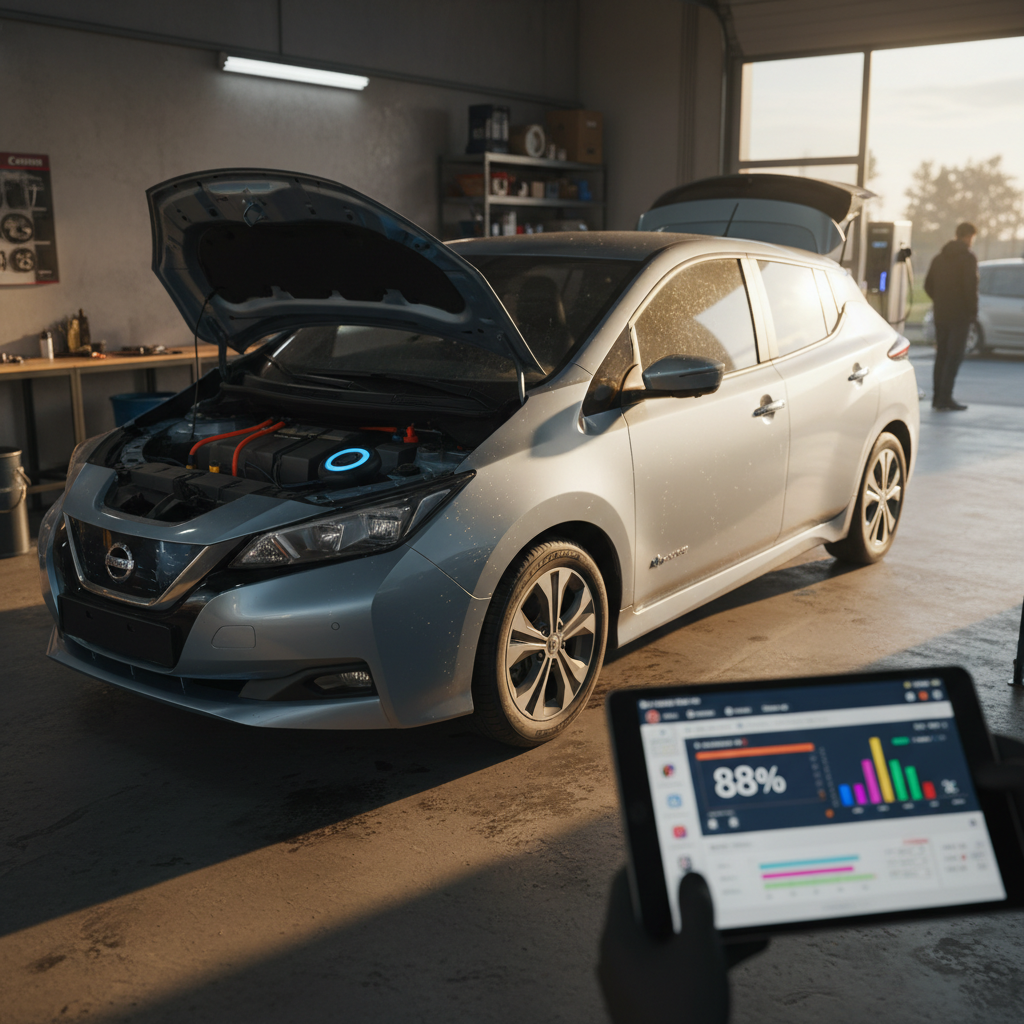
On paper, the Volvo EX30 maintenance schedule looks almost suspiciously simple. No oil changes, no spark plugs, no timing belts, just an occasional service visit and some software updates. The reality is nearly that easy, but there are still a few critical items and timelines you should know, especially if you’re planning to keep an EX30 long term or are shopping for a used one.
Quick take
Why the Volvo EX30 maintenance schedule matters
EVs like the EX30 are sold with a kind of halo: low maintenance, low hassle. That’s largely true, but ignoring the maintenance schedule can still cost you, just in different ways than with a gas SUV. Brake fluid that’s never changed, tires that are left to wear unevenly, or software that’s never updated can all chip away at the car’s refinement, safety, and resale value.
Volvo also ties parts of its warranty support to proper servicing. Sticking close to the official schedule protects your coverage and creates a paper trail that future buyers, including platforms like Recharged, will care about. A clean, documented history typically translates into a higher offer when it’s time to sell or trade.
EV bonus
Volvo EX30 maintenance schedule at a glance
Exact schedules can vary slightly by market and model year, but most modern Volvos, including the EX30, are set up around a service reminder that triggers about every 10,000 miles or 12 months, whichever comes first. Within that rhythm, some items recur more often and others are occasional, heavier services.
High‑level Volvo EX30 maintenance schedule (typical)
Approximate service rhythm for a Volvo EX30 used in normal conditions. Always confirm with your owner’s manual and your local Volvo retailer.
| Interval | Key Items | Notes |
|---|---|---|
| Every 10,000 miles / 12 months | Multi‑point inspection, tire rotation, software check, cabin filter inspection | Primary service cadence; may be covered during complimentary maintenance in early years |
| Every 20,000–30,000 miles | Cabin air filter replacement, more detailed chassis and brake inspection | Cabin filter timing can vary by climate and air quality |
| Every 2 years | Brake fluid inspection and likely replacement | Moisture‑absorbing brake fluid is a safety item; don’t skip it |
| Every 5 years / ~150,000 miles | Coolant condition check and possible exchange | EVs still use coolant for batteries and electronics |
| As needed | Tires, wiper blades, 12V battery, brake pads (rare if you mostly use regen) | Depends heavily on how and where you drive |
The EX30’s schedule is time‑based as much as mileage‑based, which matters if you drive low miles.
Always check your specific car
Detailed Volvo EX30 service intervals
Here’s how the EX30’s maintenance typically breaks down if you drive a fairly average American pattern of 10,000–12,000 miles per year. For simplicity, we’ll describe things in 10,000‑mile steps, but remember: Volvo cares just as much about time as mileage.
Every 10,000 miles or 12 months
- Tire rotation and tread/wear inspection
- Brake pads, rotors, and parking brake inspection
- Suspension and steering check
- Lighting, wiper, and safety‑system check
- Fluid level check (washer fluid, coolant circuits, brake fluid condition)
- Diagnostic scan and software check; apply updates if needed
- Cabin air filter inspected (and sometimes replaced in dusty or urban areas)
On an EX30, these visits are fast and mostly about inspection and software. Many owners will see the first couple of these services included as part of Volvo’s complimentary maintenance program, depending on the market and purchase date.
Every 20,000–30,000 miles
At this stage, technicians typically do more thorough checks of the chassis and climate system, and they’ll usually replace the cabin air (pollen) filter if it hasn’t been done already.
- Replace cabin air (pollen) filter
- Inspect high‑voltage battery cooling circuit and hoses
- Check 12V battery health
- Inspect underbody shields and corrosion points
- More detailed inspection of suspension bushings and joints
Every 2 years: brake fluid
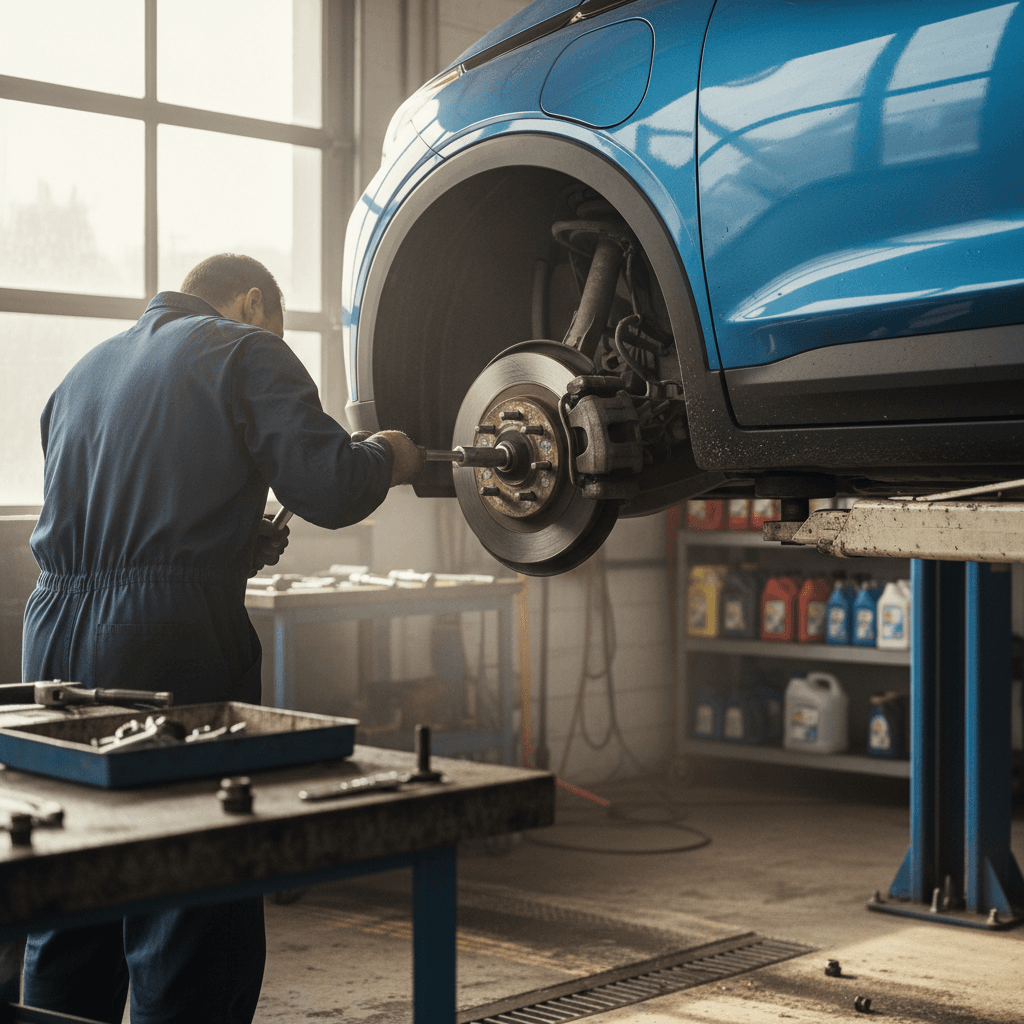
Regardless of mileage, Volvo and independent Volvo specialists typically recommend a brake fluid change about every 2 years. Brake fluid naturally absorbs moisture from the air over time, which can corrode internal components and reduce braking performance under hard use.
Don’t ignore brake fluid
Around 5 years / 150,000 miles: coolant
Even though the EX30 has no engine in the old‑fashioned sense, it still uses liquid coolant to manage the temperature of its battery pack, power electronics, and cabin heater/AC system. Modern long‑life coolant can go years between changes, but it doesn’t last forever.
A typical recommendation for Volvo’s G48‑type coolant is roughly every 5 years or 150,000 miles, with the actual timing based on condition tests during service. When that service does arrive, it’s worth using a shop that follows Volvo’s vacuum‑fill procedures to avoid trapped air in the system.
Anytime: tires, alignment, and wear items
The heaviest line item in EX30 maintenance isn’t buried in the service book at all, it’s tires. With instant torque and substantial weight for its size, the EX30 can be hard on rubber if you drive it like a hot hatch.
- Plan on front tire replacement roughly every 25,000–40,000 miles depending on driving style and tire type.
- High‑performance or winter tires generally wear faster than touring‑oriented all‑seasons.
- An annual or bi‑annual alignment check is cheap insurance against premature tire wear.
- Expect to replace wiper blades about once a year in four‑season climates.
Fluids, filters, and EV-specific maintenance items
Key Volvo EX30 maintenance items
More about the handful of components you actually need to think about.
Brake fluid
Changed about every 2 years, even on low‑miles cars. This keeps corrosion and moisture at bay and preserves braking performance when you really lean on the pedal.
Coolant
EV coolant protects the battery and electronics as much as it manages temperature. Expect a condition check every service and a full exchange roughly at the 5‑year mark.
Cabin air filter
This keeps pollen, dust, and road funk out of the minimalist EX30 cabin. Replacement timing varies, but every 20,000–30,000 miles or 1–2 years is common.
Fluids you don’t have
- Engine oil and oil filter
- Traditional automatic transmission fluid service
- Engine coolant passages, radiator hoses, thermostat
- Exhaust system components and catalytic converters
That’s a long list of things that can’t leak, can’t sludge, and can’t generate four‑figure repair bills.
Things that still matter
- Brake fluid and rubber hoses
- Coolant for the battery and electronics
- Tires, alignment, and suspension joints
- 12V battery health for starting the car’s control systems
The maintenance focus simply shifts from combustion hardware to chassis and safety hardware.
High-voltage system
Software updates and “digital” maintenance
The EX30 is a rolling smartphone with wheels, for better and for worse. Volvo pushes over‑the‑air (OTA) software updates that can tweak everything from charging behavior to driver‑assistance tuning. In the maintenance context, that means staying current is part of keeping the car healthy.
- OTA updates can refine energy management, which affects range and battery longevity.
- Some recalls or service campaigns are software‑only and can be handled at home.
- Dealer visits often include a software sweep to catch anything OTA didn’t handle.
- If you ignore updates, you may miss important drivability or safety improvements.
Set-and-forget updates
Real-world maintenance costs for the Volvo EX30
Because the EX30 is still relatively new, we don’t yet have decades of cost data. But early estimates and comparisons with other Volvo EVs suggest that routine maintenance costs are significantly lower than a comparable gas SUV, with the important caveat that tires and brakes can be pricier if you drive hard or pick big wheels.
Typical EX30 maintenance cost patterns (big picture)
Dealer service pricing varies widely by region. As a rough directional guide, U.S. owners can expect basic annual services (inspection, tire rotation, checks, and perhaps a cabin filter) to land in the low hundreds of dollars, with brake fluid and coolant services costing more in the years they occur. Independent Volvo specialists may charge less while still using OEM‑spec fluids and procedures.
Service menu vs. reality
EX30 maintenance vs a gas SUV: what you actually save
If you’re cross‑shopping the EX30 against a small turbocharged gas SUV, the maintenance math breaks in the EV’s favor almost every time. Over a five‑year horizon, you skip a dozen oil changes, several engine air filters, spark plugs, exhaust work, and a lot of transmission complexity.
Gas compact SUV (typical)
- Oil and filter every 5,000–7,500 miles
- Engine air filter every 15,000–30,000 miles
- Spark plugs and ignition service around 60,000–90,000 miles
- Transmission service, possible fluid and filter changes
- More heat‑related repairs as the vehicle ages
Volvo EX30
- No engine oil or spark plugs, ever
- Far fewer heat‑soaked components under the hood
- Brake wear dramatically reduced by regeneration
- Most visits are inspections, software, and tires
- Major powertrain covered by long EV warranty
Where the savings show up
Buying a used Volvo EX30: what to check in the maintenance history
Because the EX30 is so new, almost every example on the used market will be in its first owner’s honeymoon phase. That’s good news, but it also means you need to read between the lines of a short service history and a very tech‑forward car.
Used Volvo EX30 maintenance checklist
1. Confirm annual services were done on time
Look for at least one documented 10,000‑mile or 12‑month service per year of age, even if the mileage is low. Time matters for brake fluid and inspections.
2. Ask about software and recall updates
Has the owner kept the EX30 connected and accepted over‑the‑air updates? Dealer records should also show if any service campaigns or recalls have been completed.
3. Check tire condition and alignment history
Uneven tire wear on a low‑miles EX30 is a red flag. It can hint at aggressive driving, curb strikes, or neglected alignments.
4. Inspect brake condition and usage
Ideally, pads and rotors on a young EX30 should have plenty of life left. Deep grooves or heavy rust on the rotor faces can mean the hydraulic brakes aren’t being exercised enough.
5. Look for brake fluid documentation
On a two‑ to three‑year‑old EX30, you want at least one brake fluid change on record. If it’s missing, plan on doing it soon after purchase.
6. Get battery health verified
With Recharged, every used EX30 comes with a Recharged Score report that includes verified battery health, so you know how much usable capacity the pack still has before you buy.
Paper trails pay later
Practical tips to keep Volvo EX30 maintenance low
Five habits that pay off in EX30 ownership
Simple things you can do that matter more than memorizing the service book.
Rotate tires on schedule
Follow the 10,000‑mile or 12‑month rotation cadence. It keeps your range more consistent and prolongs tire life, especially on dual‑motor models.
Use regen, but not only regen
Strong regenerative braking is great, but occasionally doing a few firm stops from speed keeps the physical brakes clean and ready.
Don’t stretch the 2‑year fluid window
Brake fluid service isn’t sexy, but it’s cheap safety. Put a calendar reminder in your phone for the two‑year mark.
- Keep the car connected to Wi‑Fi where possible so big software updates download quickly.
- Wash the EX30 regularly, including the wheel arches, if you live in a road‑salt region.
- Use reputable independent Volvo specialists if you’re out of warranty and want to save on labor while keeping OEM‑level workmanship.
- If you’re buying used, prioritize cars with consistent service history and documented updates, even if they cost a bit more up front.
How Recharged fits in
Volvo EX30 maintenance FAQ
Common questions about Volvo EX30 maintenance
The bottom line on Volvo EX30 maintenance
The Volvo EX30’s maintenance schedule is refreshingly uneventful: one main visit a year, a brake fluid change every couple of years, the occasional coolant exchange, and a steady diet of tires. Compared with any gas‑powered rival, you’re spending more time driving and far less time thinking about what’s happening under the hood, because there is no hood, in the old sense.
If you’re already an EX30 owner, treat the schedule as a minimum, not a suggestion. Rotate the tires, change the fluids on time, keep the software current, and you’ll have a small SUV that feels as tight at year eight as it did at month eight. And if you’re hunting for a used EX30, platforms like Recharged can help you decode maintenance history, verify battery health with a Recharged Score report, line up financing, and even arrange nationwide delivery, so the only surprise is how little upkeep your EV actually needs.