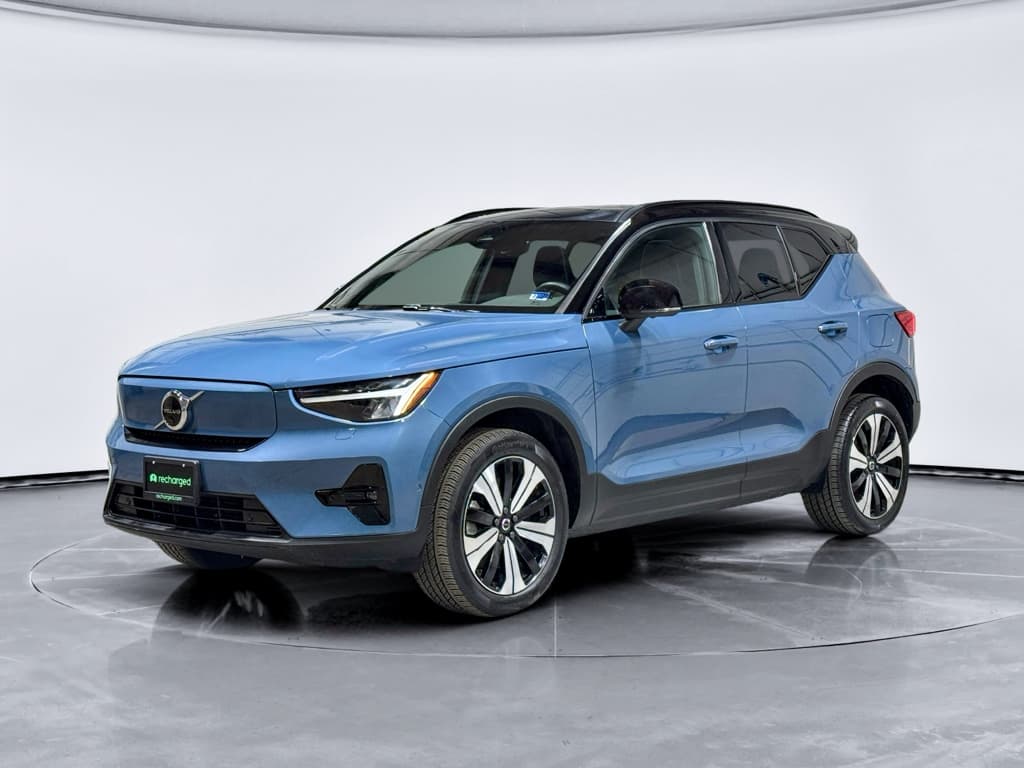
If you’re looking at a small premium EV in 2026, the **Volvo EX30 long term review 2026** question is simple: does this charming, fast little SUV still make sense once the new‑car smell wears off? Early buzz focused on its stunning design, low price, and big performance. A year or more in, owners are now reporting what it’s actually like to live with, good and bad.
Context: U.S. deliveries started late
Why a long-term Volvo EX30 review matters in 2026
On paper, the EX30 is a **dream spec sheet**: compact footprint, strong performance (especially Twin Motor), reasonable range, and a price tag that undercuts most luxury EVs. It’s also one of Volvo’s most sustainability‑focused models, with a relatively low lifecycle carbon footprint per mile thanks to an efficient platform and modest battery size.
But long‑term ownership is where the story gets interesting. Owners have praised the EX30 as a fun, efficient city and commuter car. At the same time, they’ve called out **buggy software, inconsistent dealer communication, and some early‑build quality niggles**. In this 2026 long‑term review, we’ll walk through how it performs after a year or more, how it compares against rivals, and what to watch for if you’re considering a new or used EX30.
Volvo EX30 long-term ownership snapshot (2026)
Volvo EX30 at a glance: specs that shape long-term ownership
Key Volvo EX30 specs for long-term owners
The basic hardware is the same story across model years; what’s changed most by 2026 is pricing, production location for U.S. cars, and software maturity.
| Item | Single Motor Extended Range | Twin Motor Performance |
|---|---|---|
| Drivetrain | RWD | AWD |
| Battery | ~64 kWh usable NMC | ~64 kWh usable NMC |
| EPA range (best‑case trims) | Up to ~275 miles | Low–mid 250s (depending on wheels) |
| 0–60 mph | ~5.1 seconds | ~3.4 seconds (quickest Volvo ever) |
| Max DC fast charge | Up to ~153 kW | Up to ~153 kW |
| On‑board AC charger | 11 kW (48A) | 11 kW (48A) |
U.S.‑spec 2025–2026 Volvo EX30 highlights relevant to daily use.
Spec tip: Single Motor usually makes more sense
Real-world range and charging after a year
On the spec sheet you’ll see **EPA figures up to the mid‑270‑mile range** for the most efficient EX30 variants. In day‑to‑day use, owners are seeing less, but still respectable numbers for a compact EV with a relatively small pack.
- City/suburban driving: 240–260 miles per charge is realistic in mild weather if you’re gentle with the accelerator.
- Mixed driving: Many long‑term drivers report 210–230 miles per charge in typical mixed commuting.
- Highway at 70–75 mph: Plan for ~190–215 miles between 100% and a comfortable 10–15% arrival.
- Cold weather: In freezing temps, some owners see range drop into the 160–190‑mile window, depending on pre‑conditioning and heater use.
Cold‑weather reality check
DC fast charging on road trips
The EX30 peaks at around **150 kW on a capable DC fast charger**, and when the battery is warm and pre‑conditioned, many owners see **20–80% in about 30–40 minutes**. That’s not class‑leading in 2026, but it’s workable on road trips if you treat charging stops as meal or rest breaks rather than splash‑and‑dash stops.
- The charging curve is front‑loaded: it climbs quickly to ~140–150 kW, then tapers.
- If you arrive at a charger with a cold battery, you’ll see much slower rates until it warms up.
- Pre‑conditioning before fast charging, especially when navigating to a charger, helps a lot.
- The relatively small pack means that, while you don’t go as far between stops, each 20–80% session adds a useful chunk of miles without a painfully long wait.
Home charging experience
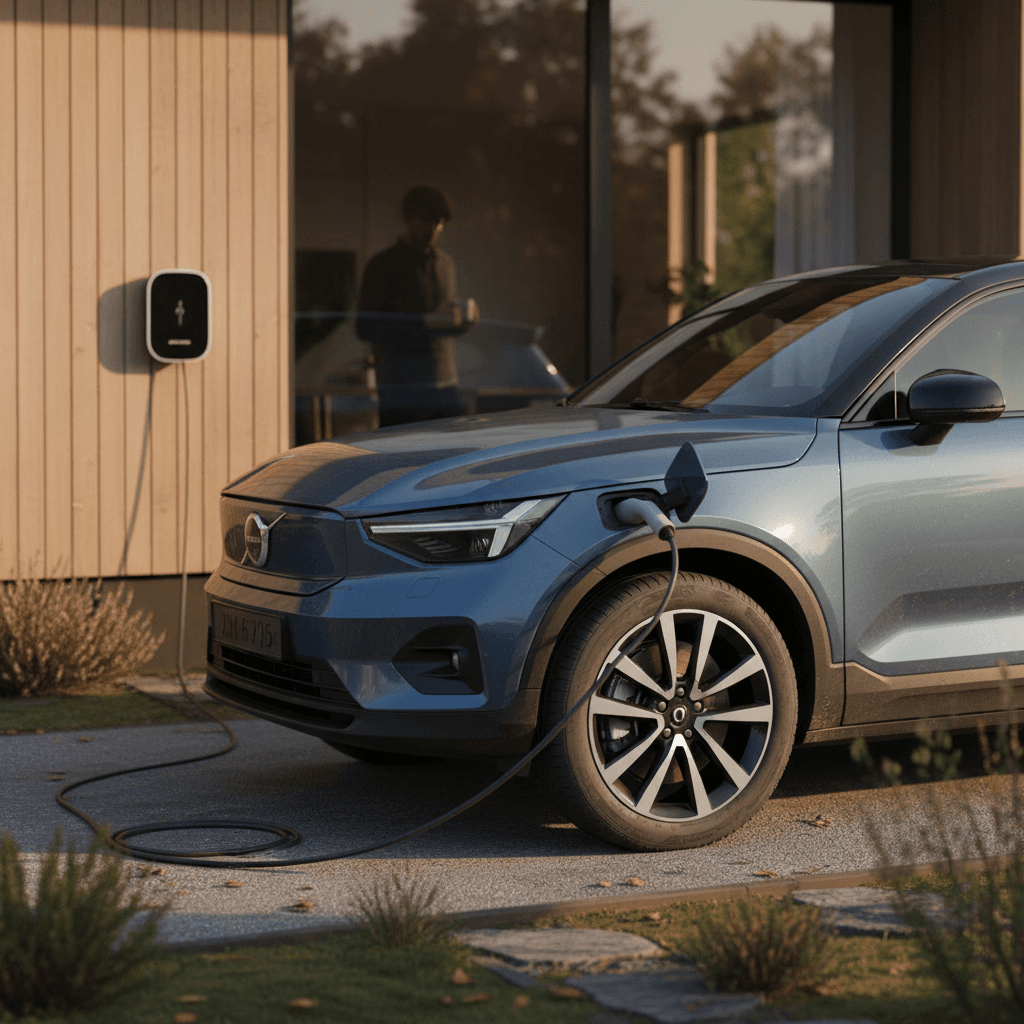
At home, the EX30 is easy to live with. With an **11 kW onboard charger**, a 40–48A Level 2 unit can comfortably **replenish a near‑empty battery overnight**. For most U.S. owners, that means you can plug in after dinner and wake up every morning with a “full tank” without stressing public infrastructure.
Pair it with the right home charger
Software and infotainment: the EX30’s biggest long-term wild card
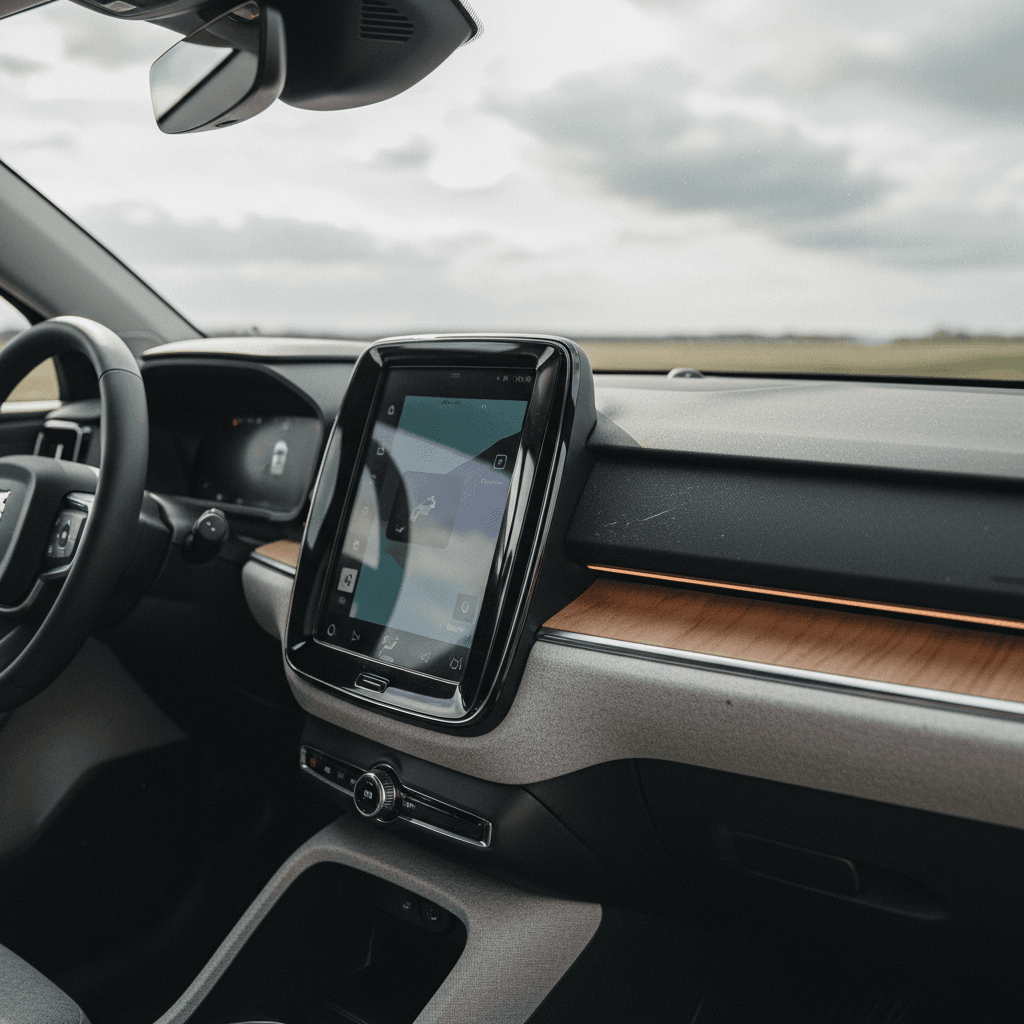
If there’s one theme that dominates **long‑term Volvo EX30 reviews in 2026**, it’s software. Volvo leaned heavily into a minimalist, Google‑based infotainment interface and over‑the‑air updates. The result: a cabin that looks clean and futuristic, but also depends heavily on that big center screen actually behaving.
The good
- Google built‑in (Maps, Assistant, Play) feels familiar and powerful.
- When it’s behaving, the UI is clean and quick to learn.
- Over‑the‑air updates have squashed many of the worst early bugs reported in late 2024–early 2025.
- Phone key works reliably for many owners after the latest rounds of updates.
The not‑so‑good
- Some 2024–early‑2025 builds suffered from freezes, black screens, or laggy UI, especially in cold weather.
- Glitches with driver‑assist warnings, phantom alerts, and spotty connectivity have been common complaint points.
- Updates roll out in waves, so two owners may be running different software with different behavior.
- Volvo’s app experience lags behind the best in the segment for speed and polish.
Test the software on your test drive
Comfort, practicality, and build quality
The EX30 is **small on the outside and cozy on the inside**. Long‑term, that’s either its charm or its limitation, depending on your lifestyle.
What EX30 owners like and dislike in daily use
A compact EV that works brilliantly for some households, and not at all for others.
Size & maneuverability
Owners love how easy the EX30 is to park and thread through tight city streets. If you’re downsizing from a larger SUV, this can feel refreshingly nimble.
Seat comfort
Volvo’s seats are generally supportive over long drives, but taller drivers may wish for more thigh support and a slightly lower seating position.
Cargo & space
Rear seat and cargo space are adequate for a couple or small family, but tight if you regularly haul bulky strollers, large dogs, or home‑improvement runs.
Material quality is mostly in line with what you’d expect from a modern Volvo, clever use of recycled plastics, interesting textures, and a Scandinavian feel. Some owners have reported **squeaks, buzzes, or minor trim misalignments** after thousands of miles, but there’s no widespread pattern of catastrophic interior wear so far.
Sustainability that actually shows up day‑to‑day
Reliability issues and recalls: what owners are reporting
In 2026 we have enough mileage under EX30 tires, particularly in Europe, to sketch a picture of long‑term reliability. The good news is that **core hardware (battery, motors, inverter) appears solid so far**. Most frustrations are centered on software, sensors, and communication rather than major drivetrain failures.
- Software instability: Infotainment freezes, lag, and weird driver‑assist behavior were common in early owner reports, especially on 2024 builds, but many have improved after successive OTA updates.
- Charging/network issues: A minority of owners have reported cars refusing to start some DC fast charges on specific networks until software patches were applied.
- Minor hardware niggles: Squeaks/rattles, tailgate alignment, window seals, and wind noise crop up in some long‑term reports, but not at crisis levels.
- Warranty support: Experiences vary by dealer. Some owners praise responsive fixes and fast loaners; others complain about wait times and poor communication. This is typical of a brand scaling up EV volume.
Check for completed recalls and campaign updates
Cost of ownership: pricing, depreciation, and incentives
Volvo pitched the EX30 as an **affordable entry into premium EV ownership**, but the pricing story has been bumpy, especially in the U.S., where tariffs and production shifts affected timing and trims.
2025–2026 Volvo EX30 U.S. pricing overview
Approximate MSRPs for recent model years; real‑world transaction prices vary by region and incentives.
| Model year / Trim | Approx. new MSRP incl. dest. | Typical real‑world pricing (2026) |
|---|---|---|
| 2025 Single Motor Extended Range Core | Mid‑$30Ks | Lightly used examples often in the low‑$30Ks |
| 2025 Twin Motor Performance Ultra | High‑$40Ks | Used examples typically in the low‑to‑mid‑$40Ks |
| 2026 Single Motor Extended Range (various trims) | Mid‑to‑upper‑$30Ks | Expect modest discounts or competitive leases, depending on region |
Use this as directional guidance, always check current pricing in your area.
Like most new EVs, the EX30 has **depreciated faster than comparable gas Volvos**, especially in markets where new‑car supply improved quickly. For a used‑EV shopper, that’s actually a plus: you can often get a very well‑equipped EX30 for far less than its original sticker.
Factor in incentives and used‑EV tax credits
How the Volvo EX30 compares to rivals long term
In 2026, the EX30 competes with small‑to‑mid‑size EV crossovers like the Hyundai Kona Electric, Kia Niro EV, Tesla Model Y RWD, and even some trims of the Hyundai Ioniq 5 and Kia EV6 that are being discounted or sold used. Long‑term, each of these has a different tradeoff profile.
Volvo EX30 vs key rivals: long-term ownership view
How the EX30 stacks up as a 3–5‑year proposition rather than a test‑drive snapshot.
| Model | Where EX30 is better | Where rival is better |
|---|---|---|
| Hyundai Kona Electric | More premium design, stronger performance, Volvo safety image | Better efficiency and range per kWh, simpler software, stronger dealer footprint in some regions |
| Kia Niro EV | More characterful, quicker, more upscale interior feel | More interior space and cargo room, often sharper pricing used |
| Tesla Model Y RWD | More compact and easier to park, more traditional luxury vibe, physical stalks and switches some prefer | Much stronger fast‑charging network integration, more range, quicker OTA cadence |
| Hyundai Ioniq 5 / Kia EV6 | Smaller outside, easier in tight cities, lower consumption at modest speeds | Ultrafast 800‑V DC charging, roomier interiors, increasingly aggressive pricing on the used market |
Generalized comparison; individual model‑year specs and pricing vary.
The EX30 is a niche specialist, not a do‑it‑all
Who the Volvo EX30 is (and isn’t) right for
Is the EX30 a good fit for you?
Match your use case to what the car actually does well.
Great fit if…
- You live in a city or dense suburb and value easy parking.
- Your normal driving is under ~80 miles a day, with occasional 200‑mile trips.
- You care about design, safety tech, and a premium feel more than raw space.
- You’re comfortable with a car that relies heavily on a central touchscreen.
Not ideal if…
- You routinely road‑trip 250+ miles in one shot with kids, pets, and gear.
- You need true compact‑SUV cargo volume or tow regularly.
- You’re extremely sensitive to software quirks and prefer lots of physical controls.
- Your nearest Volvo dealer is far away and has limited EV experience.
Buying a used Volvo EX30: key checks and how Recharged helps
A **used Volvo EX30 in 2026** can be a smart buy if you’re careful. You’re letting the original owner absorb the steepest depreciation while still getting modern safety tech, a fresh‑feeling interior, and plenty of remaining battery life. The key is separating well‑cared‑for cars with updated software from early examples that may have been frustrating enough to dump quickly.
Essential checks before you say yes to a used EX30
1. Confirm build date and software level
Earlier 2024 builds saw more software drama than later 2025–2026 cars. Ask for records showing the most recent software updates and make sure those are actually installed.
2. Review recall and campaign history
Get a dealer or seller printout showing that all applicable recalls and service campaigns are complete, especially anything related to high‑voltage systems, driver‑assist, or infotainment.
3. Inspect tires and wheels
The Twin Motor Performance’s extra power and weight can be hard on tires. Uneven wear can hint at suspension or alignment issues. Big‑wheel trims are more vulnerable to curb rash.
4. Test drive with a checklist
On your drive, specifically test adaptive cruise, lane‑keeping, navigation, phone key, climate control, and one‑pedal driving. Watch for glitches, lag, or warning messages.
5. Evaluate charging behavior
If possible, plug into both a Level 2 charger and a DC fast charger. Confirm charge rates are close to expected norms and that no error messages appear.
6. Get independent battery health data
Battery state‑of‑health is the most important hidden variable in a used EV. Instead of relying only on a dashboard guess, use a seller or platform that can show you real data.
How Recharged de‑risks a used EX30
Ready to find your next EV?
Browse VehiclesFAQ: Volvo EX30 long-term ownership questions answered
Volvo EX30 long-term FAQ (2026)
Bottom line: is the Volvo EX30 a smart buy in 2026?
Look past the launch‑cycle noise and the 2026 **Volvo EX30 long term review** story settles into focus: this is a **stylish, efficient, and enjoyable small EV** that shines as an everyday commuter and urban runabout. Its biggest liabilities are software maturity, interior space, and a range/charging profile that’s merely adequate rather than standout. If you expect it to replace a large, do‑everything family SUV, you’ll likely be disappointed. If you treat it as a compact premium EV with realistic expectations, it can be deeply satisfying to live with.
For buyers who prioritize design, safety, and city‑friendly size, and who are willing to spend a little extra time vetting software and service history, a **well‑chosen used EX30 can be a very smart purchase in 2026**. Shopping through a platform like Recharged, where you get independent battery health data, transparent pricing, and EV‑specialist guidance from test drive to trade‑in, helps you enjoy all the EX30’s charm while minimizing its early‑generation risks.