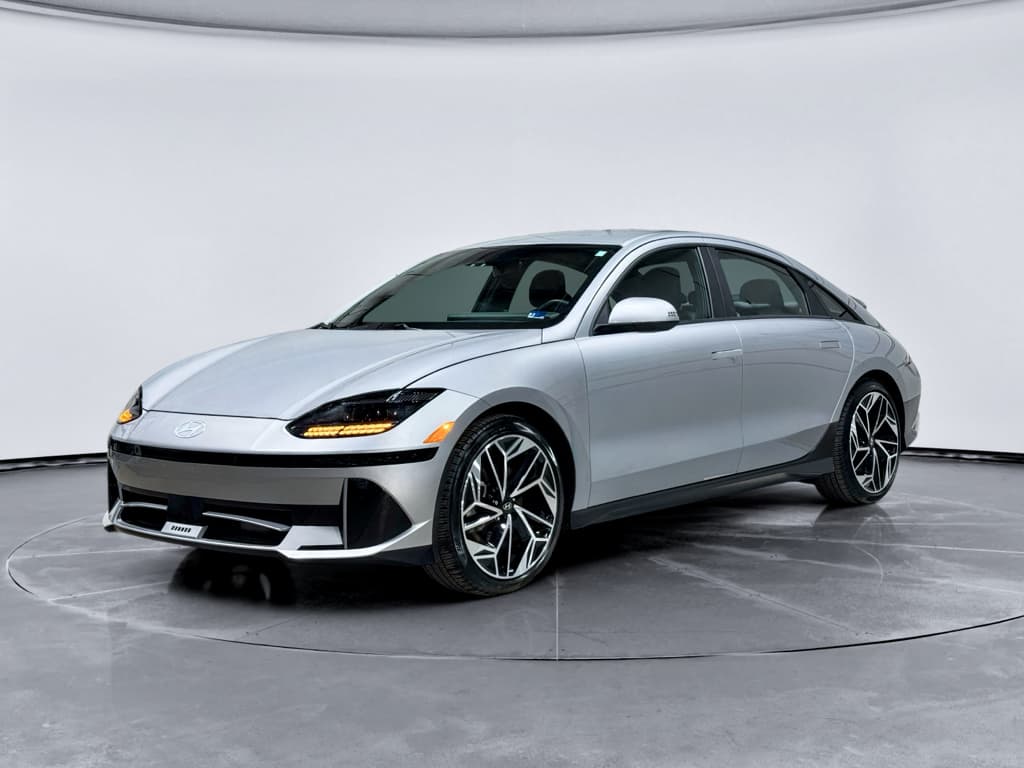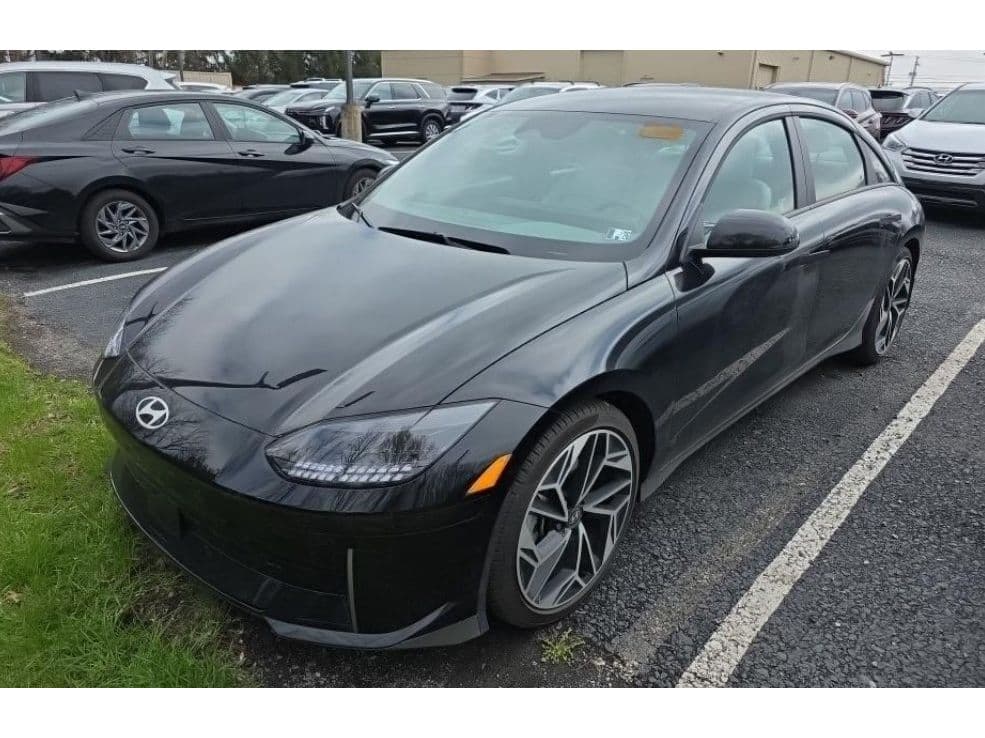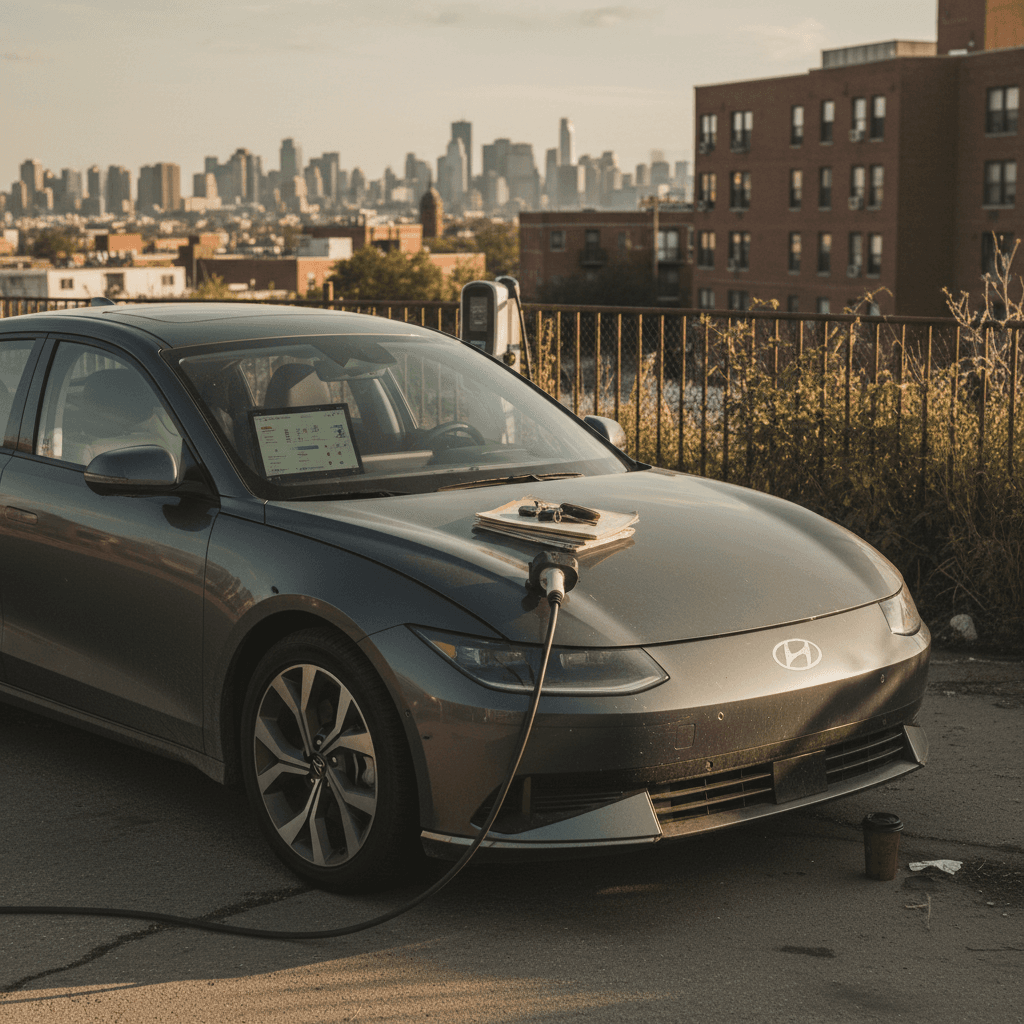
The Hyundai Ioniq 6 long term review 2026 story is simple: the car is a rolling wind-tunnel experiment that just happens to be one of the most efficient EVs you can buy. After a few years on U.S. roads, owners have piled on real miles, hit winter storms, dealt with charging networks and, yes, some recalls. If you’re eyeing a used Ioniq 6, you need to know how it actually ages, not how it looked on a glossy launch deck.
About this review
Ioniq 6 in 2026: What This Long-Term Review Covers
- How the Ioniq 6’s ultra‑slippery design and interior feel after years of daily use
- Real‑world range vs. the headline 361‑mile EPA number, including winter and highway driving
- Charging at home and on DC fast chargers, including America’s patchy non‑Tesla networks
- Battery health trends we see on used Ioniq 6s via diagnostics like the Recharged Score
- The elephant in the room: ICCU and 12‑volt issues, plus other recalls
- Depreciation and running costs vs. rivals like Tesla Model 3, Hyundai Ioniq 5 and Kia EV6
- Clear guidance on whether you should buy one used, and which trims to target or avoid
Quick Take: Ioniq 6 Long-Term Ownership Verdict
Hyundai Ioniq 6 Long-Term Scorecard (2026)
The short version
Design and comfort: living with the Streamliner
Photos don’t prepare you for the Ioniq 6 in person. It’s lower and longer than most crossovers you see at a DC fast charger, with a roofline drawn by someone who has watched too many 1930s streamliner films. The benefit of that teardrop shape is aerodynamic slipperiness and calm highway manners; the downside is rear headroom that can feel tight for tall adults and a trunk opening that’s more sedan than hatchback.
Long-Term Impressions: Cabin & Daily Usability
Where the Ioniq 6 delights, and where it annoys, after a few years
Cabin & Seating
The front seats stay comfortable on long drives, with a relaxed driving position and excellent visibility. The rear bench is fine for kids or shorter adults, but the low roof and rising beltline make it feel more cocoon than lounge.
Tech & Controls
The twin‑screen layout ages well, but Hyundai’s software is a mixed bag. Owners still complain about the navigation’s clumsy charger search and the lack of true one‑tap battery preconditioning for third‑party fast chargers.
Storage & Practicality
The trunk is deep rather than tall, and the frunk is token. If you’re coming from an SUV, you’ll notice the loss of vertical space, but for most commuting and grocery duty, the Ioniq 6 is entirely adequate.
Trim & wheel choice matters
Real-world range and efficiency after years of use
On paper, the Ioniq 6 is a range monster. Rear‑wheel‑drive SE Long Range models with the 77.4 kWh pack and 18‑inch wheels are rated around 361 miles of EPA range, while AWD and larger wheels drop that into the 270–300‑mile bracket. In our own testing of a 2024 SEL AWD on 20‑inch wheels, we recorded roughly 265 highway miles from full to empty at 70 mph, very close to its EPA figure, even after months in fleet use.
What owners see day to day
- Mild climates: RWD Long Range cars routinely deliver 4.0–4.5 mi/kWh around town, and 3.5–4.0 mi/kWh on highway commutes.
- Cold weather: In freezing conditions, owners report winter range dropping to ~220–260 miles depending on speed and wheel size.
- Heavy highway use: At 75–80 mph, expect real‑world range closer to 70–80% of the EPA rating, like most EVs.
Standard Range vs. Long Range
- The smaller 53 kWh “Standard Range” battery (mostly fleet/entry trims) is rated around 240 miles, which feels tight for road‑trip duty.
- The 77.4 kWh pack is the sweet spot, giving enough buffer for weather, degradation and chargers that only deliver 150 kW.
- On the used market, Long Range cars are more desirable and will likely hold value better.
Don’t buy the headline number
Charging experience: home, public and road trips
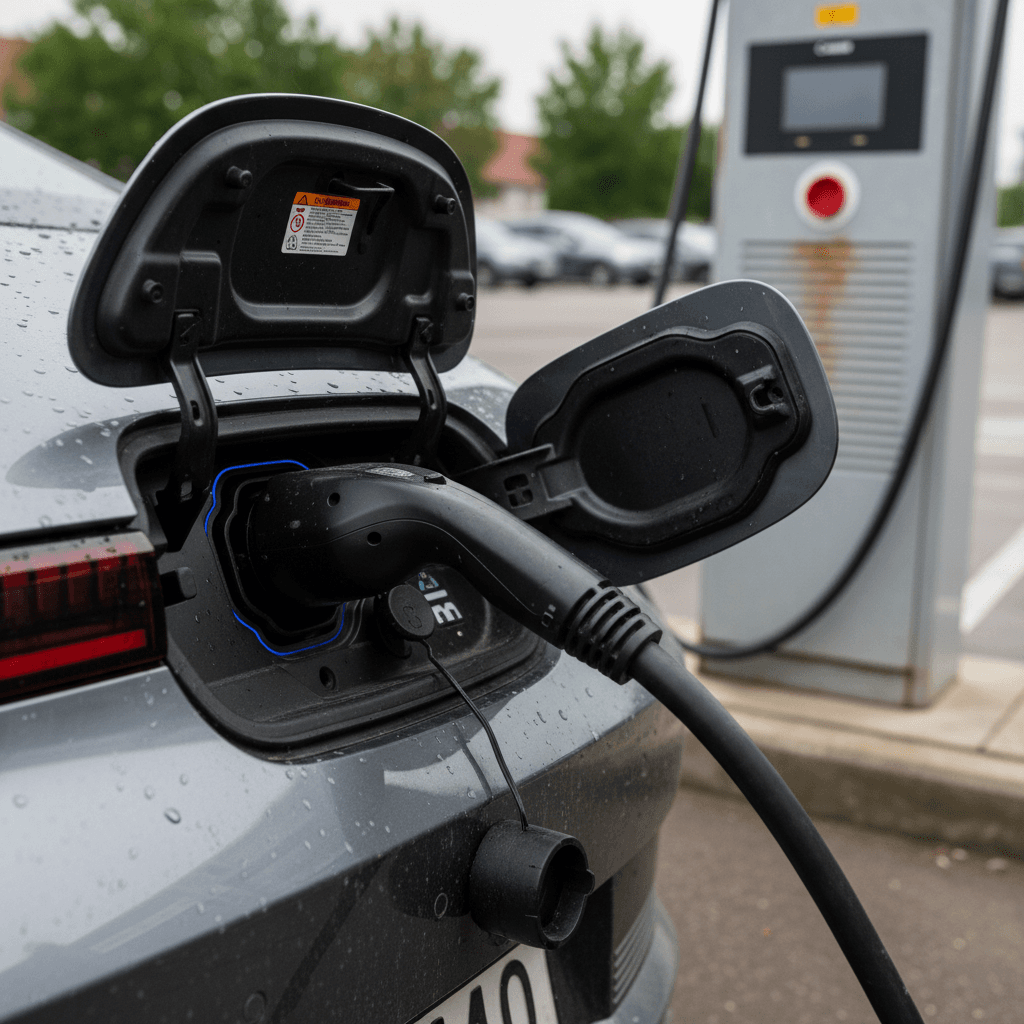
On a good charger, the Ioniq 6 is a road‑trip weapon. Like its E‑GMP cousins (Ioniq 5, Kia EV6), it uses an 800‑volt architecture and a 77.4 kWh pack that can go from 10–80% in roughly 18–20 minutes under ideal conditions. That’s sports‑car‑quick by EV standards, and it’s one of the reasons efficiency nerds love this car.
How the Ioniq 6 Charges in the Real World
What owners report after thousands of miles
Home Charging
On a 48‑amp Level 2 charger, you’re adding 30–35 miles of range per hour. Overnight, the car easily recovers a long commute, and the built‑in scheduler plays nicely with off‑peak utility rates.
Public DC Fast Charging
When the station is healthy and the battery is warm, 220+ kW peaks are common, tapering smartly as the pack fills. The bigger problem isn’t the car, it’s unreliable third‑party networks and inconsistent station maintenance.
Road-Trip Reality
Owners who road‑trip regularly report a split verdict: the car itself is efficient and quick to charge, but clumsy onboard navigation, flaky station data and limited battery pre‑conditioning can turn some trips into planning exercises.
Where the charging experience stumbles
Battery health and degradation: what we see on used cars
Under the floor, the Ioniq 6 shares its basic battery tech with the Ioniq 5 and Kia EV6: a 77.4 kWh lithium‑ion pack with an 8‑year/100,000‑mile warranty on battery defects in the U.S. By 2026, early 2023 cars are already three years into that lifecycle, and the first wave of lease returns is rolling into the used market.
Degradation trends so far
- Well‑cared‑for Long Range cars typically show single‑digit percentage losses in usable capacity after 2–3 years and 25,000–40,000 miles.
- Cars that live on DC fast chargers or see constant 100% charging can show noticeably more loss in range and slower fast‑charge curves.
- Extreme heat markets (Southwest, Southeast) are tougher on packs; look more carefully at battery health there.
How Recharged evaluates packs
Every Ioniq 6 we sell comes with a Recharged Score Report that includes verified battery diagnostics: state of health, charge cycle patterns and charging‑speed behavior.
- We compare current usable capacity to the original 77.4 kWh spec.
- We test DC fast‑charge behavior to spot weak cells or thermal issues.
- We flag cars that show abuse patterns, like constant 100% DC fast charging.
Buying tip: prioritize pack health over model year
Reliability, recalls and the ICCU question mark
Here’s where the Ioniq 6’s record is mixed. The underlying E‑GMP platform has proven fundamentally sound, but a cluster of electronics issues has haunted early cars, particularly involving the ICCU (Integrated Charging Control Unit) and 12‑volt system. The symptoms are familiar to owners: warning lights, reduced or no charging, or a car that simply decides not to wake up one morning.
Known Long-Term Issues Reported on the Ioniq 6
Not every car will experience these problems, but you should know the patterns before you buy used.
| Issue | Symptoms | Model years most affected | What to check when buying |
|---|---|---|---|
| ICCU / charging module faults | Car won’t DC fast charge, sudden fault codes, limited charging or no start | Primarily early 2023–2024 builds | Confirm all ICCU‑related recalls were done; review warranty repairs and ask about recent charging behavior. |
| 12‑volt battery drain | Car dead after sitting, requires jump despite healthy main pack | 2023–2025 | Look for 12‑volt battery replacement history and software updates that address parasitic drain. |
| Instrument cluster software bug | Digital cluster going blank or rebooting while driving | Select 2025–2026 cars | Confirm the car received the latest instrument cluster software recall/update. |
| Charge‑port door issues | Charge‑port door not latching or detaching | 2023–2025 | Visually inspect the charge‑port door and ask if any related recall work has been performed. |
Always check recall completion and service history on any used Ioniq 6.
Don’t ignore ICCU history
Ownership costs and depreciation by 2026
Because the Ioniq 6 launched into a crowded EV moment, with tax credits in flux and Tesla repeatedly cutting prices, its resale values have softened more than Hyundai might like. For used buyers, that’s good news. By 2026, many 2023–2024 Ioniq 6 Long Range cars sit well below their original $45,000–$55,000 stickers, often overlapping with far shorter‑range EVs and even some plug‑in hybrids.
Where the Ioniq 6 Saves You Money
And where it doesn’t
Energy Costs
Thanks to stellar efficiency, the Ioniq 6 can sip as little as 25 kWh/100 miles in mixed driving. On typical residential electricity rates, that undercuts even hybrid sedans on per‑mile energy cost.
Maintenance
No oil changes, no transmission fluid, and long‑life brake pads thanks to strong regeneration. You’re mostly looking at tires, cabin filters and the occasional alignment, plus whatever software updates Hyundai issues.
Depreciation
Early‑run EV sedans always take a hit as incentives and technology move quickly. The upside: in 2026 you can buy an Ioniq 6 with serious range and charging speed for far less than a new one.
How Recharged handles pricing
Ioniq 6 vs rivals as a used buy in 2026
Ioniq 6 vs Tesla Model 3
- Range: Comparable on paper in Long Range trims, though Tesla’s Supercharger integration still makes trip planning easier.
- Comfort: Ioniq 6 rides softer and quieter; the Model 3 feels more agile but also more brittle on rough roads.
- Charging: Tesla wins on ecosystem, Ioniq 6 wins on raw charging speed when both are on a strong DC network.
- Interior vibe: Hyundai’s cabin feels more conventional and approachable; Tesla’s is minimalist to a fault for some buyers.
Ioniq 6 vs Ioniq 5 / Kia EV6
- Practicality: Ioniq 5 and EV6 are easier family cars with hatch openings and more cargo height.
- Efficiency: The Ioniq 6’s slipperier shape pays off in lower consumption and extra highway range.
- Driving feel: All three share similar powertrains; the 6 feels a bit more planted and serene at speed.
- Used pricing: In many markets, you can choose between a slightly older hatch (Ioniq 5/EV6) or a newer sedan (Ioniq 6) at the same money, your lifestyle decides.
Who the Ioniq 6 suits best in 2026
Checklist: what to look for on a used Ioniq 6
Pre-Purchase Checklist for a Used Hyundai Ioniq 6
1. Confirm it’s a Long Range model (if you need range)
Look for the 77.4 kWh battery and EPA ranges in the high‑200s to 300s. Standard Range cars are fine for city duty but can feel constrained on road trips.
2. Pull battery health data, not just odometer
Ask for a recent battery health report like the <strong>Recharged Score</strong>: usable capacity vs original, DC fast‑charge performance and any signs of thermal throttling.
3. Check ICCU and charging‑system recall history
Verify that all ICCU and high‑voltage charging‑related recalls and software updates have been completed. A dealer printout or digital service record is your friend here.
4. Test DC fast charging before you buy
If possible, do a brief DC fast‑charge session from ~20–60%. You’re looking for stable power delivery and charge‑rates that match what other owners see at similar stations.
5. Inspect the charge‑port door and seals
Open and close the charge‑port door several times, and look for damage or misalignment. Make sure the port itself is clean and corrosion‑free.
6. Evaluate tires, brakes and alignment
Uneven tire wear or steering pull may indicate alignment issues or curb damage. Regenerative braking means physical brakes often look great, but have them checked anyway.
7. Sit in the back seat and check headroom
The sloping roof is real. If you’ll regularly carry tall rear passengers, have them sit back there before you commit; some families find it too tight.
8. Confirm charging cable and accessories are included
Make sure the mobile charging cord, any adapters, and cargo cover (where equipped) are present, replacing them later can be surprisingly expensive.
FAQ: Hyundai Ioniq 6 long-term questions answered
Frequently Asked Questions About Long-Term Ioniq 6 Ownership
Bottom line: should you buy an Ioniq 6 in 2026?
If you’re shopping the used EV market in 2026, the Hyundai Ioniq 6 deserves a spot on your very short list. Its combination of sleek aerodynamics, outstanding efficiency, genuinely quick DC fast charging and a calm, comfortable ride make it one of the most satisfying electric sedans to live with. The caveat is that you can’t treat it like an appliance: you need to pay attention to recall history, charging behavior and battery health before you sign anything.
The good news is that the market is on your side. Depreciation has turned the Ioniq 6 into a quietly excellent value, and there are enough examples on the road now that you can cherry‑pick the best ones. If you’d like that homework done for you, Recharged can help you find an Ioniq 6 with a verified Recharged Score, transparent pricing and EV‑specialist guidance from first click to delivery. Get the right car, with the right battery, and the Ioniq 6 will reward you for years with serene, aero‑smooth electric miles.