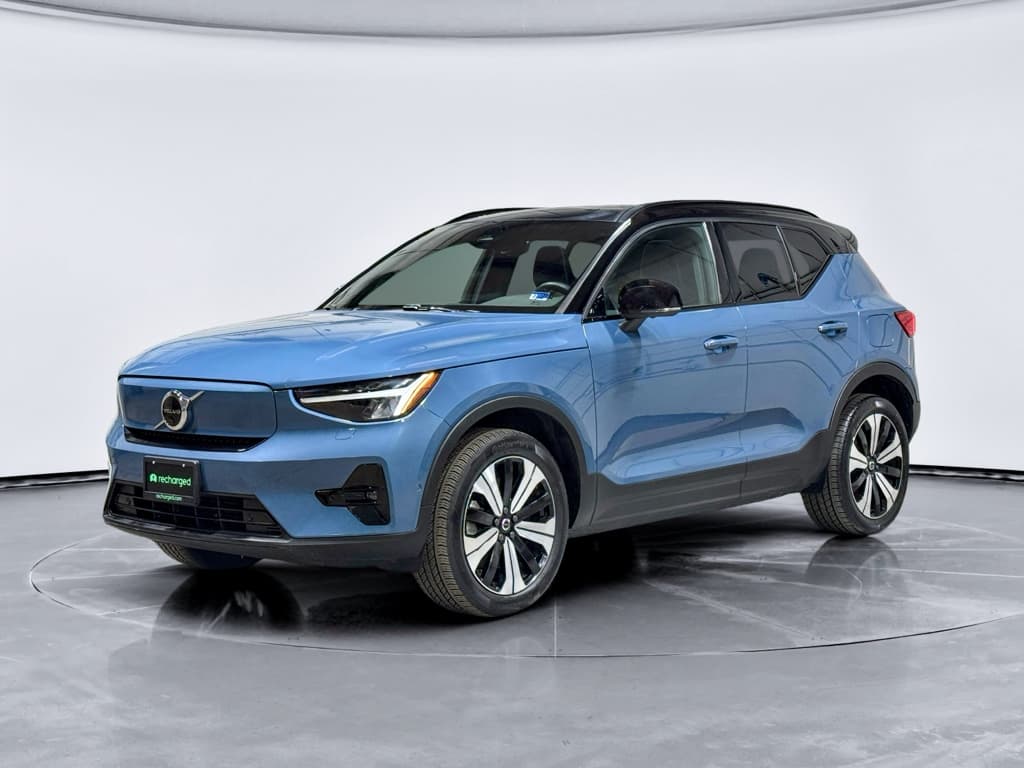
If you’re shopping for a Volvo EX30, you’ve probably noticed that the **insurance cost per month** can swing from “pretty reasonable” to “wait, is that right?” depending on where you live, your driving record, and whether the car is new or used. Let’s break down what EX30 owners in the U.S. can realistically expect to pay, why the numbers look the way they do, and how to nudge your quote down before you sign anything.
Quick answer
Average Volvo EX30 insurance cost per month
Volvo EX30 insurance at a glance (U.S., 2025–2026 quotes)
There isn’t yet a decades‑long dataset for the Volvo EX30, but we can triangulate from model‑specific insurance tools and broader Volvo and EV data. One large insurance estimator pegs the **EX30 at about $2,438 per year, or roughly $203 per month, for full coverage** for a typical driver. That’s right in line with what many early EX30 owners are reporting in online communities and with agents.
At the same time, Volvo as a brand tends to sit **slightly above the national average** for insurance. Recent industry surveys put **average Volvo insurance around the mid‑$200s per month**, versus roughly the low‑$200s for the average U.S. vehicle. Layer in the fact that EX30 is a new, fully electric, relatively expensive‑to‑repair compact SUV, and it’s not surprising to see premiums cluster in that $170–$260 window.
State and ZIP code matter more than model averages
How EX30 insurance compares to other Volvos and EVs
Versus other Volvos
- Brand average: Recent analyses show Volvo models as a whole costing more to insure than the typical U.S. vehicle, with averages in the mid‑$2,000s per year.
- Larger Volvos (XC60, EX90): Heavier, more expensive SUVs tend to sit higher than the EX30, often into the mid‑$200s per month.
- EX30 position: As Volvo’s smallest and least expensive EV, EX30 insurance is typically below big flagships but above older, cheaper Volvos.
Versus other EVs and small SUVs
- EVs overall: Several 2024–2025 studies still show EVs costing noticeably more to insure than comparable gas cars, thanks to higher repair and battery‑related costs.
- Compact SUV class: AAA’s cost‑of‑ownership work puts small/compact SUVs’ average insurance around the mid‑$100s per month for mainstream models.
- EX30 reality: Expect EX30 to run **somewhat higher than a mainstream compact gas SUV**, but often similar to other premium compact EVs.
In short, the Volvo EX30 generally **doesn’t sit in the bargain bin for insurance**, but it isn’t wildly out of line, either. It behaves like what it is: a premium, safety‑focused, fully electric small SUV that’s inexpensive to buy *for a Volvo*, but still complex and pricey to repair compared with a basic gas crossover.
Key factors that change your monthly rate
The biggest levers on your EX30 insurance cost per month
Same Volvo EX30, very different bill depending on your profile
Driver profile
Age, driving history, and credit (where allowed) are three of the biggest drivers.
- Young drivers and those with recent at‑fault crashes can see premiums jump 50% or more.
- Clean‑record, middle‑aged drivers often land near the lower end of the EX30 range.
Location & use
Insurers price for risk on your specific roads.
- Dense urban ZIP codes and high‑theft areas tend to push EX30 coverage well above $250 per month.
- Rural or suburban areas with lower claim frequency can shave $40–$60 per month off.
Vehicle & coverage choices
How you set up the policy around your EX30 matters.
- Higher liability limits and low deductibles raise monthly cost.
- Dropping extras like rental reimbursement or gap coverage can trim the bill, but not always wisely.
- Annual mileage and commute: Higher miles and heavy commuting usually mean higher risk and premiums.
- Garaging and anti‑theft: Parking in a secure garage and using factory anti‑theft systems can help, especially in high‑theft markets.
- EV‑specific repair costs: Battery packs, aluminum structures, and advanced sensors make modern EV repairs expensive, and insurers bake those costs into your rate.
- Telematics and usage‑based programs: Safe‑driving apps can cut 10–30% off premiums for good drivers, though not every carrier supports every EV yet.
Don’t forget multi‑policy discounts
Realistic Volvo EX30 monthly insurance examples
To make the numbers concrete, here are simplified, realistic examples of what EX30 owners might see. These are **illustrative, not quotes**, but they reflect how carriers typically price risk in 2025–2026.
Sample Volvo EX30 insurance scenarios (full coverage)
Assumes 2025–2026 model year Volvo EX30 in the U.S., 12,000 miles/year. Actual quotes will vary by insurer.
| Driver & location | Vehicle & coverage | Estimated yearly cost | Approx. per month |
|---|---|---|---|
| 35‑year‑old, clean record, low‑risk suburb | 2025 EX30 Single Motor, $500 deductibles, strong liability limits | $1,900–$2,200 | $160–$185 |
| 45‑year‑old, clean record, high‑cost coastal city | 2025 EX30 Single Motor, $500 deductibles, robust liability and comprehensive | $2,600–$3,200 | $215–$270 |
| 28‑year‑old, 1 recent at‑fault crash, mid‑sized city | 2025 EX30 Twin Motor Performance, low deductibles | $3,200–$3,900 | $265–$325 |
| 55‑year‑old, excellent record, small town | Used EX30, slightly higher deductibles, multi‑policy discount | $1,600–$1,900 | $135–$160 |
Use these examples as a directional guide when you compare your own quotes.
Liability‑only vs. full coverage
Ways to reduce your Volvo EX30 insurance bill
High‑impact moves to lower EX30 insurance cost per month
Focus on changes that move the needle without leaving you under‑insured
1. Right‑size your coverage
- Match liability limits to your assets and risk tolerance, don’t default to state minimums, but don’t massively overshoot without a reason.
- Consider raising comprehensive/collision deductibles from $500 to $1,000 if you can comfortably handle a larger out‑of‑pocket repair.
2. Shop across EV‑friendly carriers
- Some insurers price EVs aggressively because they want those customers; others still surcharge EVs heavily.
- Gather quotes from at least **three** carriers that actively advertise EV experience or telematics programs.
3. Use telematics where it makes sense
- Safe‑driving apps that track braking, speed, and time of day can unlock meaningful discounts for cautious EX30 drivers.
- Avoid them if you consistently drive at risky hours or speeds, the score can cut both ways.
4. Optimize how you store and use the car
- Parking in a locked garage, installing security cameras, or using built‑in anti‑theft helps in theft‑prone areas.
- Accurately report your annual mileage and commute distance; over‑estimating means you’re paying for risk you don’t pose.
Where a used EX30 can help
Does buying a used Volvo EX30 lower insurance?
Insurers care about what it costs to fix or total your car today, not what it cost new. When you choose a **used Volvo EX30**, its lower market value may translate into a modest break on collision and comprehensive premiums, especially after the first few model years have taken their initial depreciation hit.
From a total‑cost‑of‑ownership perspective, pairing a used EX30 with a fair purchase price and a smart insurance setup can put your **monthly all‑in cost much closer to a mainstream compact SUV**, even though you’re driving a premium electric Volvo.
That’s where a marketplace like Recharged can help. Every used EV on the platform includes a Recharged Score Report with verified battery health and fair‑market pricing. When you understand how much life is left in the pack and what the car is truly worth, you and your insurer can size coverage more confidently instead of guessing from new‑car MSRPs.
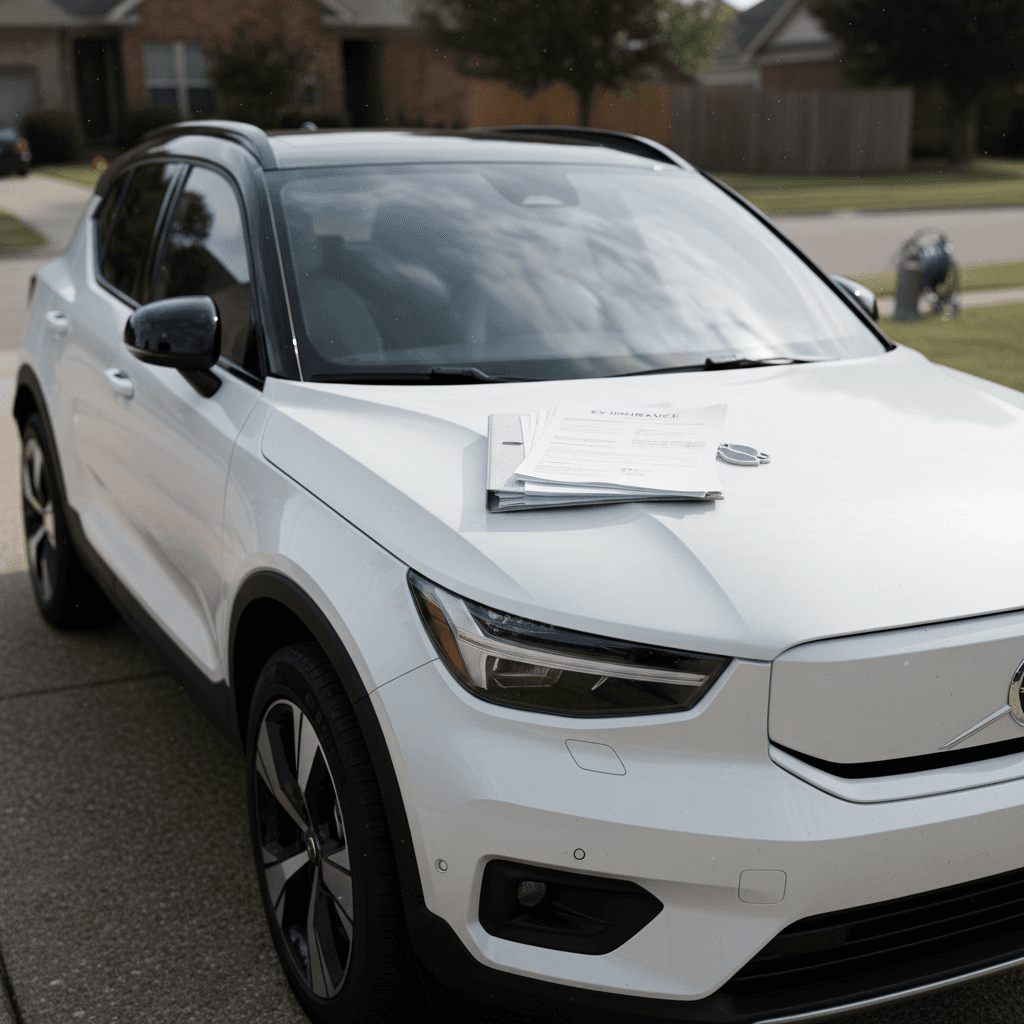
Insurance and the Volvo EX30’s safety story
One of the EX30’s biggest selling points is its safety pedigree. Volvo designed the EX30 around the same philosophy that’s made the brand synonymous with crash protection, and early test data backs that up: Europe’s independent Euro NCAP program awarded the EX30 a **maximum five‑star rating**, noting strong occupant protection and advanced driver‑assistance systems.
- Comprehensive airbag coverage and a rigid safety cage designed around the compact EV platform.
- Advanced driver‑assist systems (ADAS) such as automatic emergency braking, lane‑keeping support, and speed‑assist functions.
- Strong crash‑test performance as an impact partner in front and side collisions, which matters in multi‑vehicle crashes.
How this impacts your premiums
Checklist before you get a Volvo EX30 quote
Volvo EX30 insurance prep checklist
1. Decide on new vs. used EX30
Think through whether a **used EX30** better fits your budget. A lower purchase price and slightly lower comprehensive/collision costs can noticeably change your monthly outlay.
2. Pick realistic deductibles
Run the math on $500 vs. $1,000 deductibles. Ask yourself: “Could I comfortably pay this out of pocket tomorrow?” Choose a number that balances premium savings and peace of mind.
3. Gather your driving history
Have dates of any tickets or at‑fault crashes handy. Different insurers weigh violations differently, and you’ll get more accurate online quotes if your info is precise.
4. Know your annual mileage and parking
Estimate how many miles you’ll actually put on the EX30 and where it sleeps at night (street, driveway, or garage). These details directly feed the rating formulas.
5. Get at least three quotes
Aim for carriers that actively talk about EVs or offer telematics discounts. Pricing on new electric models can vary wildly from one underwriter to the next.
6. Compare total monthly cost, not just insurance
Look at <strong>payment + insurance + charging</strong> together. A slightly higher insurance bill may still pencil out if your EX30 deal, electricity costs, and maintenance look favorable, especially on a well‑priced used model from a marketplace like Recharged.
FAQ: Volvo EX30 insurance costs
Frequently asked questions about Volvo EX30 insurance cost per month
Bottom line on Volvo EX30 insurance per month
Put simply, most drivers should expect **Volvo EX30 insurance costs per month** to land in the **high‑hundreds to mid‑two‑hundreds for full coverage**, with state, driving record, and coverage limits doing most of the heavy lifting. The EX30’s strong safety story works in your favor, while its status as a new, premium EV keeps it from being a rock‑bottom insurance play, at least for now.
If you’re trying to make the numbers work, focus less on chasing a single “perfect” premium and more on **optimizing the whole package**: new vs. used EX30, fair purchase price, realistic deductibles, and a carrier that understands EVs. Shopping a **used EX30 with a Recharged Score battery‑health report** can trim both your payment and the collision/comprehensive portion of your policy, helping your monthly budget look a lot friendlier without giving up the safety and tech that drew you to the EX30 in the first place.