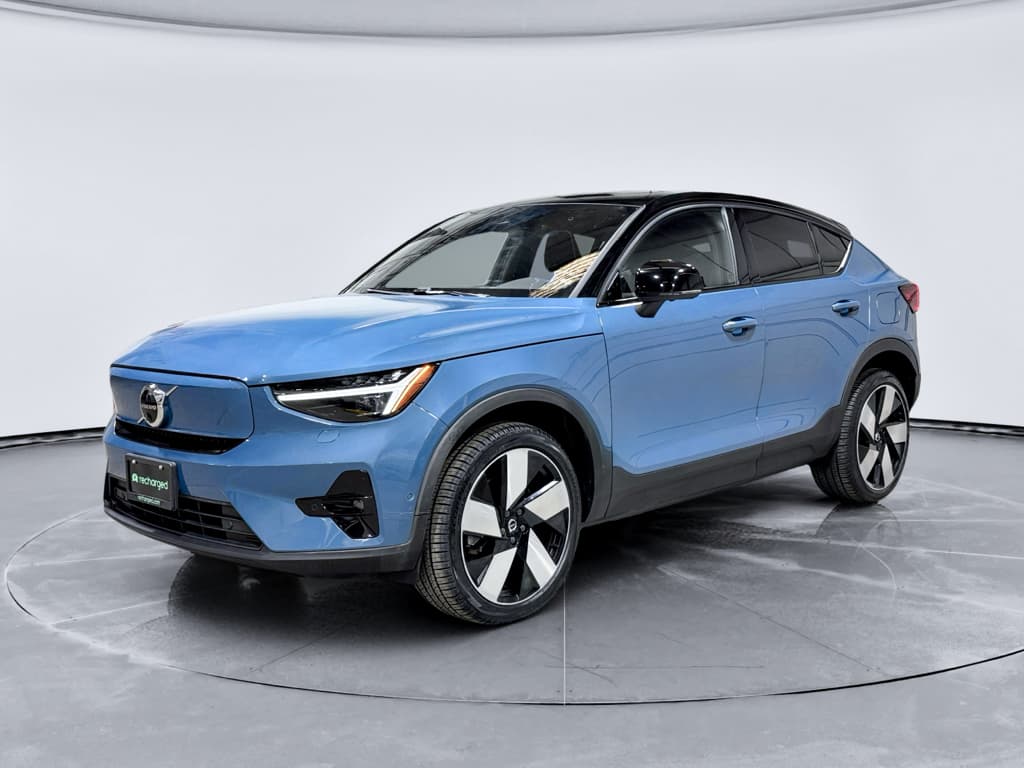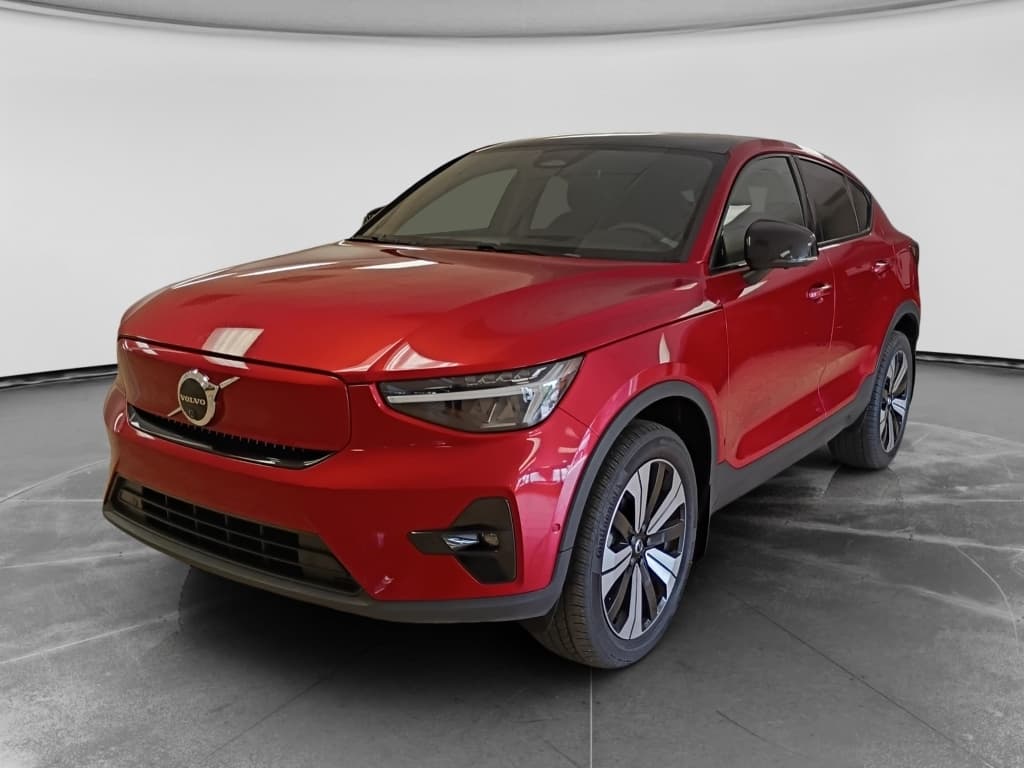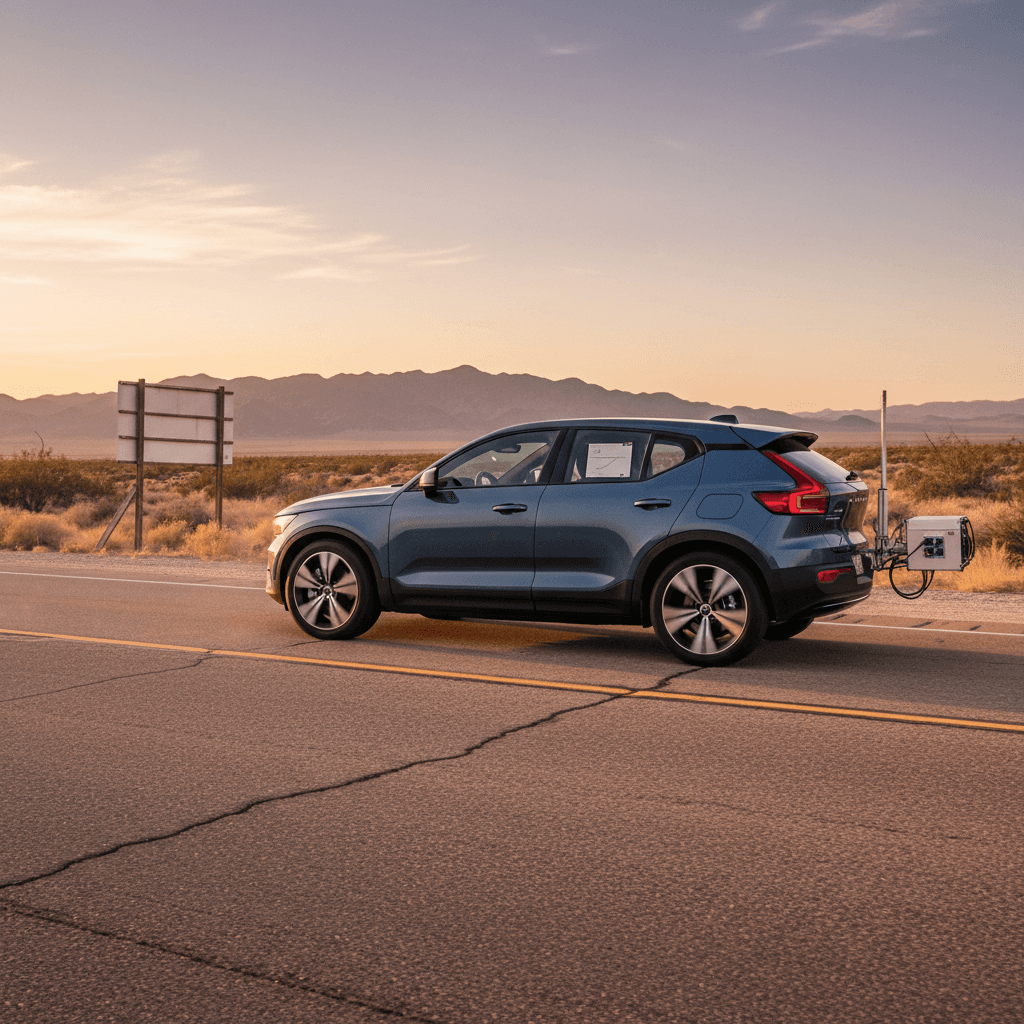
If you’re eyeing a Volvo C40 Recharge, you’ve probably noticed the impressive EPA range numbers, up to 297 miles on paper. But what most shoppers really want to know is: what is the Volvo C40 Recharge real-world range on the highway, cruising at 65–75 mph with luggage, passengers, and maybe some bad weather in the mix?
Highway range in one paragraph
Volvo C40 Recharge range basics: EPA vs reality
For model years 2024–2025, Volvo reworked the C40 Recharge with more efficient motors and, on some trims, a slightly larger battery. The headline figures look great on a spec sheet:
EPA-rated range for recent Volvo C40 Recharge models
Those numbers come from controlled lab tests. They’re excellent for comparing EVs on a level playing field, but they’re not a promise of what you’ll see at 70 mph in real‑world conditions. On the highway, wind and aero drag dominate, and even small changes in speed or temperature can eat into your range.
Key point on EPA range
Real-world highway range by trim and battery
Let’s translate specs into real road‑trip numbers. We’ll focus on the updated 2024+ C40 Recharge, but the same logic applies if you’re looking at a 2022–2023 model on the used market (just knock a bit more off the top for the older, less efficient drivetrain).
Highway range expectations by C40 Recharge trim
Assuming 65–70 mph, mild weather, and starting near 100% charge
Single Motor RWD (82 kWh pack)
EPA combined: ~297 miles
EPA highway: ~265 miles equivalent
- Real-world at 65–70 mph: ~210–230 miles before you’re getting nervous.
- Comfortable planning buffer: Plan around 180–200 miles between fast‑charge stops.
- Best use case: Longer highway legs, warmer climates, efficient drivers.
Twin Motor AWD (75–79 kWh usable)
EPA combined: ~257 miles
EPA highway: low‑ to mid‑230s estimated
- Real-world at 65–70 mph: typically 190–210 miles.
- Independent test at 70 mph: MotorTrend recorded just ~172 miles in a steady‑70‑mph road‑trip test, a big drop from the EPA figure.
- Comfortable planning buffer: Use 160–180 miles as your normal leg length.
How older C40s compare
Real‑world owner reports back this up. Many C40 drivers averaging around 28–36 kWh per 100 miles over long ownership see highway legs in the 170–200‑mile range, especially in mixed climates and at U.S. interstate speeds. That consumption is a bit higher than the optimistic EPA lab numbers, and the range follows suit.
Why highway range is usually lower than EPA ratings
If the combined EPA range is 257–297 miles, why do you so often end up planning for 160–210 miles on the highway? Three big reasons:
- Aero drag grows with speed. The faster you go, the more energy you spend just pushing air out of the way. Jumping from 65 mph to 75 mph can easily cost you 10–15% of your range in a crossover like the C40.
- EPA tests mix city and highway. The official range number comes from a blend of city and highway cycles, then adjusted. City driving includes a lot of slowing and coasting, where EVs shine. A pure highway slog is tougher.
- The test doesn’t match your conditions. Lab tests don’t include strong headwinds, steep grades, rooftop boxes, or winter heaters running full blast. All of that lives in the real world, and it all costs energy.
Lab cycle vs. real highway
The EPA highway cycle averages lower speeds than you probably see on a real road trip. It includes periods of light acceleration and deceleration and doesn’t sit at 75 mph for hours. That’s why a magazine’s 70‑mph constant‑speed test often lands well below the EPA sticker, as it did with the C40 Recharge.
Battery buffer and driver comfort
You also don’t want to arrive at a charger at 0%. Most drivers are comfortable using 70–80% of the pack, not 100%. If your C40 RWD has an effective highway range of 230 miles from 100% to near‑empty, your practical planning range using 80% of the battery is closer to 180–190 miles.
Use percentage, not just miles
How speed, weather, and driving style change your range
Once you’re out on the highway, three variables have outsized impact on your real‑world Volvo C40 Recharge highway range: speed, temperature, and technique.
Biggest factors that shrink (or stretch) C40 highway range
Small changes can mean 30–50 miles of difference on a full charge
Speed
- 65 mph vs 75 mph: At 75 mph, aero drag jumps dramatically, often costing 10–15% of your usable range.
- Sweet spot: For most C40s, the efficiency sweet spot is in the 60–68 mph window.
Temperature & climate use
- Cold weather: Below freezing, expect 20–35% less range from cabin heating, battery warming, and thicker air.
- Hot weather: A/C uses energy too, though usually less dramatic than winter heat.
Driving style & load
- Heavy right foot: Repeated full‑throttle merges and passing will shave miles off quickly.
- Cargo & aero: Bikes on the roof or a cargo box can cost another 10–20% at highway speeds.
Cold highway drives hit hardest
Owner data backs this up: long‑term averages in the high‑20s to mid‑30s kWh/100 miles are common in mixed climates and driving styles. Translate that to an ~75–79 kWh usable battery, and you land right in the real‑world range bands above.
Planning a highway road trip in a C40 Recharge
So how do you turn all this into a simple plan for a weekend getaway or a cross‑state run? Here’s a practical, highway‑focused playbook you can follow in any C40 Recharge, new or used.
C40 Recharge highway trip checklist
1. Know your trim and battery
Look up whether your C40 is single‑motor RWD or twin‑motor AWD, and which battery it has. The newer RWD extended‑range cars can realistically stretch farther between stops than the older AWD models.
2. Use 70–80% of the pack for planning
For stress‑free trips, avoid running from 100% to 0%. Plan around using 70–80% of the battery for each leg. That’s the number you should match to your expected miles.
3. Set a realistic leg length
In mild weather, most C40 drivers are happiest with 150–190‑mile legs in AWD and 170–210‑mile legs in RWD. Shorten that by 20–30% in winter or at 75+ mph.
4. Pre‑condition before hopping on the highway
If your C40 and charger support it, pre‑heat or pre‑cool the cabin while plugged in. In winter, pre‑conditioning the battery ahead of a DC fast‑charge stop also cuts charging time and preserves range.
5. Keep cruise speed in the sweet spot
If you’re not in a rush, try setting cruise around 65–68 mph. You’ll likely gain 20–30 extra miles per charge versus hammering along at 75 mph, and you’ll arrive much less stressed.
6. Use an EV‑savvy route planner
Apps that understand charging stops (A Better Routeplanner, PlugShare, etc.) make it far easier to line up chargers with your realistic range, not the optimistic EPA number.

Charging strategy: turning range into stress-free stops
Range is only half the story. The other half is how quickly you can recover it. The updated C40 Recharge supports up to 150–200 kW DC fast charging, depending on year and trim, which is more than enough to make 150–190‑mile legs very livable.
Highway charging expectations for a Volvo C40 Recharge
Approximate DC fast‑charging behavior for trip planning (actual times vary by charger, temperature, and battery state).
| Battery state | Typical DC fast-charge time | Miles added (RWD) | Miles added (AWD) |
|---|---|---|---|
| 10% → 60% | ~20–25 minutes | ~120–140 mi | ~100–120 mi |
| 10% → 80% | ~27–30 minutes | ~150–170 mi | ~130–150 mi |
| 30% → 80% | ~20 minutes | ~110–130 mi | ~90–110 mi |
Use these numbers as planning tools, not promises.
Short, frequent fast charges win
If you’re buying a used C40 Recharge, this is where a transparent battery‑health report really matters. At Recharged, every vehicle comes with a Recharged Score Report that includes battery diagnostics, so you’re not guessing how much usable capacity is left when you’re planning those 150‑mile legs.
Used Volvo C40 Recharge: what to ask about range
The C40 Recharge is an appealing used EV: stylish, safe, and quick. But because its road‑trip range sits mid‑pack rather than at the head of the class, you want to go in with eyes open, especially if highway driving is a big part of your life.
Range questions to ask when shopping a used C40 Recharge
1. Which model year and drivetrain is it?
A 2024+ RWD extended‑range C40 will go farther at 70 mph than an early 2022 AWD car. Ask the seller (or dealer) to confirm the exact trim and battery spec.
2. What’s the long-term consumption?
In the car’s trip computer or connected app, look at lifetime kWh/100 mi. Numbers in the high‑20s to low‑30s are typical; mid‑30s or higher suggest a lot of high‑speed or cold‑weather driving.
3. How does it charge on DC fast chargers?
If possible, observe a DC session. A healthy pack should still climb quickly through the mid‑SOC range. Very slow or inconsistent fast‑charging can be a red flag you’ll feel on road trips.
4. Has the battery been professionally evaluated?
With a used EV, a third‑party battery‑health check is worth its weight in gold. On Recharged, every used EV includes a Recharged Score battery health report so you can see remaining capacity, not just mileage, before you buy.
5. Does the seller overpromise on range?
If someone insists their C40 "easily does 300 miles on the highway," be cautious. That’s beyond what most independent tests and owner experiences support, especially at U.S. interstate speeds.
Why a transparent range picture matters
FAQ: Volvo C40 Recharge real-world highway range
Frequently asked questions about C40 Recharge highway range
Bottom line: is the C40 Recharge a good highway cruiser?
The Volvo C40 Recharge doesn’t chase headline range numbers the way some competitors do, and that shows up on the highway. In steady real‑world use, you’re usually looking at roughly 190–210 miles per highway leg in the newest RWD cars and a bit less in the older AWD versions before you’ll want to plug in. What you get in return is a refined, safe, and quick electric crossover that feels very Scandinavian in its honesty: it’s happiest when you treat range and charging as part of the rhythm of the trip, not as a high‑stakes gamble.
If that sounds like your style, planned stops, realistic expectations, and a focus on comfort, the C40 Recharge can be an excellent highway partner. And if you’re shopping used, working with a seller that puts battery health, range, and pricing transparency front and center, like Recharged does with its Recharged Score Report and EV‑specialist support, turns those range questions into confident, well‑planned miles.