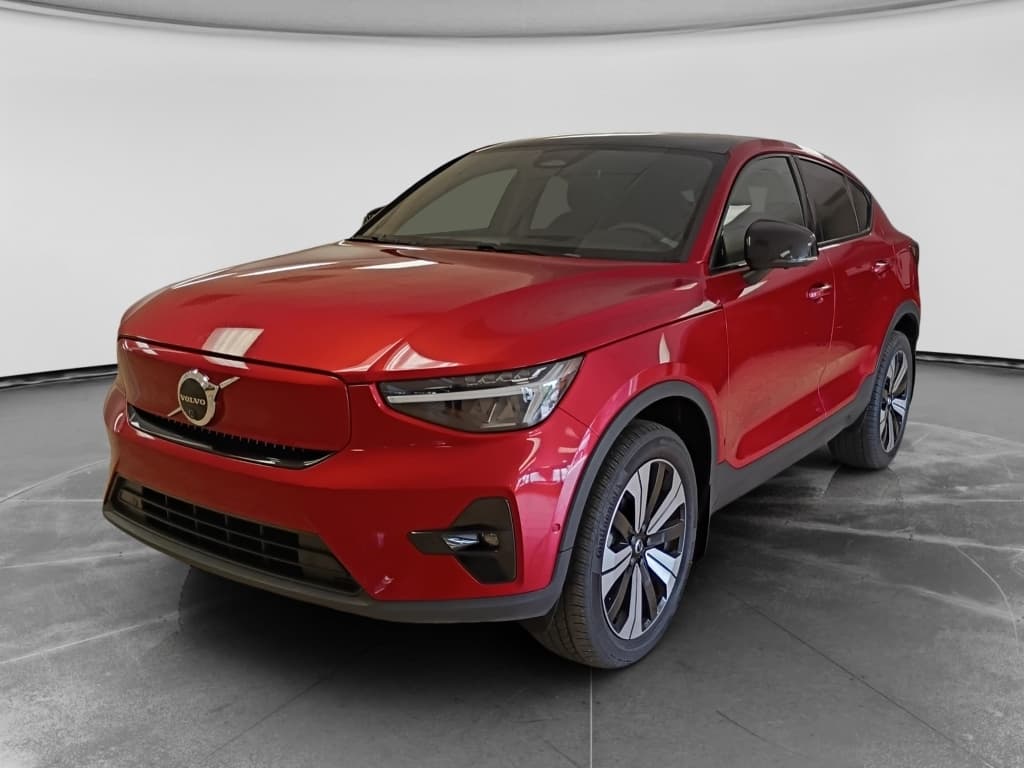
If you’re shopping for a Volvo C40 Recharge, new or used, insurance cost is a big piece of the total ownership puzzle. EV premiums have been volatile, and headlines about electric cars costing more to insure haven’t made things clearer. This guide breaks down what drivers typically pay to insure a C40 Recharge in 2026, why EV insurance is different, and how to keep your rate in check, especially if you buy a used C40 through a battery‑verified marketplace like Recharged.
Key takeaway up front
Volvo C40 Recharge insurance cost overview
Volvo C40 Recharge insurance at a glance (2026)
About the numbers in this guide
How much does Volvo C40 Recharge insurance cost in 2026?
Let’s tackle the core question: what does it actually cost to insure a Volvo C40 Recharge right now?
Estimated annual insurance cost for Volvo C40 Recharge (2026)
Approximate full-coverage premiums for typical U.S. drivers. Your rate may be lower or higher based on your profile and state.
| Driver profile & situation | Approx. annual premium | Approx. monthly cost | Notes |
|---|---|---|---|
| Very safe driver, low-cost state, 40s, clean record | $1,400–$1,700 | $115–$140 | Best‑case scenario for a C40 Recharge; strong credit and high deductibles. |
| Average driver, suburban area, mixed driving | $1,700–$2,200 | $140–$185 | Where many C40 drivers will land with solid but not perfect profiles. |
| Younger driver (under 30) or dense urban area | $2,200–$2,800+ | $185–$235+ | Age and traffic density can push EV insurance up quickly. |
| High‑risk (recent at‑fault accident or tickets) | $2,800–$3,500+ | $235–$290+ | EV repair costs magnify surcharges for high‑risk drivers. |
These ranges assume full coverage, average credit, and 12,000 miles per year. High‑risk drivers or high‑cost states can be well above the high end.
One large Insurify study of EV insurance found that, on average, EV drivers pay around $4,000 per year nationwide, roughly 40–50% more than gas drivers. At the same time, more recent analyses show EV premiums converging downward, with many drivers now seeing averages closer to $2,200–$2,400 per year, within about 10–20% of comparable gas cars. The C40 Recharge, as a relatively expensive, premium compact SUV, tends to sit slightly below the most expensive EVs (like a Tesla Model X) but above mass‑market models like a Chevy Bolt or Nissan Leaf.
Use quotes, not averages
Why EVs, and the C40 Recharge, often cost more to insure
If the C40 Recharge is compact and packed with safety tech, why doesn’t that automatically make it cheap to insure? The short answer: claims cost, not just crash risk, drives premiums.
Three main reasons EVs cost more to insure
The C40 Recharge is affected by the same dynamics that shape broader EV insurance trends.
Expensive battery & electronics
Huge battery packs, complex power electronics, and integrated body structures make many EVs costly to repair or total after a collision. Even modest impacts can reach a high share of the car’s value.
Specialized repair networks
Fewer shops are certified to work safely on high‑voltage systems, so labor rates and repair times are higher. That translates directly into higher claim payouts for insurers.
Limited long-term data
EVs are still a small slice of the fleet. Insurers have less historical data about real‑world repair costs and severity, so they price in extra margin for uncertainty, especially on newer models like the C40 Recharge.
But EVs crash less often
Multiple studies show EVs tend to have fewer at‑fault crashes per mile, in part because they’re newer and pack advanced driver‑assistance systems. For the C40 Recharge, that means insurers see fewer claims, but each claim still costs more to fix.
Why that matters for a Volvo C40
The C40 Recharge combines Volvo’s safety reputation with modern EV repair economics. The safety tech helps discount your rate; the complex EV structure and premium parts pull it the other way. Your final premium is where those forces meet, plus your personal risk factors.
Safety ratings: how the C40’s tech can lower your premium
Volvo has built its brand around safety, and the C40 Recharge benefits directly from that DNA. For insurers, strong crash performance and robust active‑safety technology are key reasons to discount risk, especially when combined with careful drivers.
- The C40 Recharge comes standard with forward collision warning and automatic emergency braking, earning top "Superior" ratings in vehicle‑to‑vehicle crash‑avoidance tests on early model years.
- Pedestrian detection with automatic braking scores "Advanced" or better, reducing the likelihood and severity of some of the most expensive claims.
- Volvo layers in lane‑keeping assist, blind‑spot monitoring, and other ADAS features that can further cut crash frequency, especially in urban driving.
How safety features convert into lower premiums

The biggest factors that shape your C40 Recharge insurance rate
Beyond the vehicle itself, insurers mainly price your C40 Recharge policy around who you are, where you drive, and how you use the car. Here are the variables that typically move the needle the most.
Top C40 Recharge insurance pricing factors
Most of these apply to any car, but the stakes are higher when each claim is expensive.
Location & garaging
Dense urban ZIP codes or regions with high theft and crash rates will push premiums up, regardless of EV or gas. Rural or suburban areas with lower claim frequency price better.
Driver age & record
Drivers under 30 or with recent at‑fault accidents, DUIs, or multiple speeding tickets will see steep surcharges, which are magnified by EV repair costs.
Annual mileage & usage
The more miles you drive, the more exposure an insurer carries. Commuting every day into a congested city is riskier than low‑mileage weekend use.
Coverage limits & deductibles
Choosing higher liability limits and low deductibles gives you better protection but raises your bill. On a higher‑value EV like a C40, skimping on coverage is rarely wise.
Ownership & household profile
Bundling with home or renters insurance, insuring multiple vehicles, and maintaining strong credit (where allowed) can unlock meaningful multi‑policy and loyalty discounts.
Telematics & driving behavior
Usage‑based programs that track speed, braking, and time of day can lower premiums if you consistently drive gently and avoid late‑night or high‑risk patterns.
Where the C40 Recharge helps you
10 ways to lower your Volvo C40 Recharge insurance cost
You can’t change that the C40 Recharge is a premium EV, but you have a lot of control over how much you actually pay to insure it. Think of this as your playbook.
Practical tactics to cut your C40 Recharge premium
1. Shop at least three quotes
Start with quotes from a mainstream carrier, an EV‑focused insurer, and any company that partners directly with Volvo. Rates for EVs vary widely between carriers, so the first quote is rarely the best.
2. Tune your deductibles and limits
Raising comprehensive and collision deductibles from, say, $500 to $1,000 can noticeably lower your bill. Just be sure you can comfortably pay that amount out of pocket after an incident.
3. Use telematics if you’re a calm driver
If you brake smoothly, avoid late‑night trips, and stick to the speed limit, usage‑based insurance can <strong>shave double‑digit percentages</strong> off your C40 premium over time.
4. Take advantage of EV and safety discounts
Ask every insurer about <strong>EV‑specific, low‑mileage, and advanced safety feature discounts</strong>. Many carriers now have EV programs that aren’t automatically applied unless you ask.
5. Keep your annual mileage realistic
When you quote, don’t overestimate your miles. If you’re buying a C40 Recharge as a second car or primarily for commuting, your annual mileage may be lower than you think.
6. Bundle policies and add eligible drivers
Bundling auto with home or renters insurance, or adding a second vehicle from the same household, often unlocks 10–25% savings, especially for households with strong credit and clean records.
7. Improve your credit profile (where allowed)
In most U.S. states, insurers factor credit into pricing. Paying down revolving debt and avoiding late payments can help reduce premiums over the medium term.
8. Avoid small claims when you can
On an EV with expensive parts, it’s tempting to claim every ding. But <strong>filing lots of small claims can raise your long‑term premium</strong> more than simply paying out of pocket for minor cosmetic work.
9. Ask about OEM vs aftermarket parts
Some policies default to aftermarket parts in repairs. Given the complexity of EV structures, you may want OEM‑parts coverage, even if it raises the premium slightly, then shop for the best carrier price on that configuration.
10. If you’re buying used, choose a battery‑verified car
A used C40 Recharge with <strong>documented battery health and no accident history</strong> is easier to insure competitively. Marketplaces like Recharged provide a Recharged Score report with verified battery diagnostics, which can help avoid surprises that might otherwise lead to claims.
Leverage your purchase process
Insuring a used Volvo C40 Recharge: what’s different?
By 2026, a growing share of C40 Recharges on the road are used 2022–2024 models. Insuring a used EV is a little different from insuring a brand‑new one, and that can work in your favor if you shop carefully.
Where used C40s can be cheaper to insure
- Lower vehicle value means total losses cost insurers less, which can lead to lower comprehensive and collision premiums than on a brand‑new C40.
- Insurers gain more real‑world repair data over time, which can reduce the "uncertainty premium" baked into early quotes for brand‑new models.
- Some carriers offer mileage‑based programs that favor second‑owner, lower‑usage EVs.
Where used C40s can be trickier
- Undisclosed previous damage or poor repairs can raise claim risk, and your premium once insurers see your VIN history.
- Battery health varies. A pack that’s been abused (fast‑charged constantly, overheated, or run to 0% often) can raise the odds of costly failures.
- Insurers may look closely at salvage or rebuilt titles, often charging much more, or refusing comprehensive/collision entirely.
How Recharged fits in
How C40 Recharge insurance compares to other EVs and gas SUVs
To understand whether the C40 Recharge is expensive to insure, you need to compare it to similar vehicles, not just the whole EV market.
Volvo C40 Recharge vs similar vehicles: insurance positioning
Approximate national full‑coverage averages, assuming similar drivers and locations.
| Vehicle | Type | Relative insurance cost vs C40 | Comments |
|---|---|---|---|
| Volvo C40 Recharge | EV compact SUV | Baseline | Premium EV with strong safety tech and moderate performance. |
| Tesla Model Y Long Range | EV compact SUV | Slightly higher | Higher repair costs and theft rates in some markets often keep Y premiums above C40. |
| Audi Q4 e‑tron | EV compact SUV | Similar | Comparable pricing and safety equipment; insurer appetite varies by brand. |
| Chevy Bolt EUV | EV subcompact | Lower | Cheaper vehicle and parts; typically hundreds less per year to insure. |
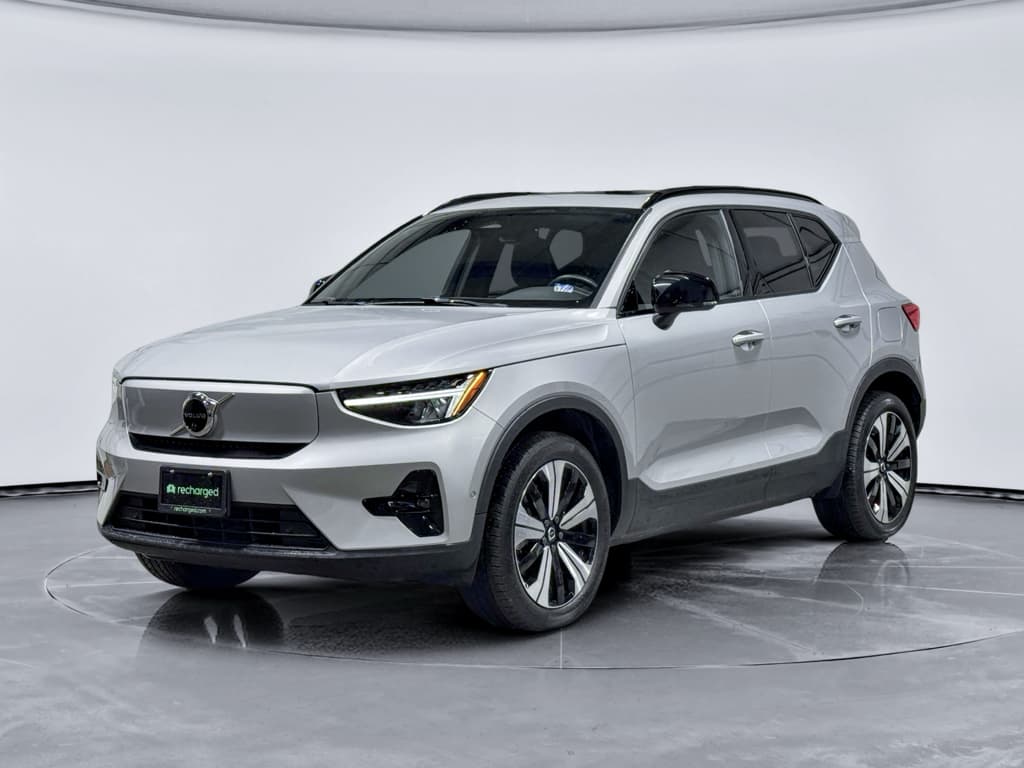
| Volvo XC40 (gas) | Gas compact SUV | Lower | Lower repair costs and more repair capacity keep premiums below the C40 by ~10–20% in many regions. |
| BMW X1 (gas) | Gas compact SUV | Similar–slightly lower | Premium gas SUV; sometimes on par with the C40, sometimes a bit cheaper depending on market. |
These are directional comparisons, not quoted rates. Always compare real quotes in your ZIP code.
The big picture
Recalls, repairs, and how insurers see Volvo EV risk
One under‑discussed part of EV insurance is how recalls and software issues shape perceived risk. Volvo, like every automaker, has had to manage high‑profile software and safety recalls on its EVs, including the C40 Recharge.
In 2025, Volvo issued an urgent recall and "do not drive" warning for certain EV and plug‑in models, including some C40s, due to a rare scenario where prolonged regenerative braking could lead to a loss of friction braking. Software updates largely addressed the issue, but insurers pay attention when a model appears in such headlines.
Why staying current on recalls matters
- Check your Volvo app and the NHTSA recall tool regularly for open campaigns on your VIN.
- Keep service records and recall completion documentation, this can smooth claim handling after an incident.
- If you’re buying used, confirm that all recalls are completed before delivery; reputable platforms and dealers should be able to show this in writing.
FAQ: Volvo C40 Recharge insurance costs
Frequently asked questions about C40 Recharge insurance
Bottom line: is C40 Recharge insurance a dealbreaker?
When you zoom out, Volvo C40 Recharge insurance cost is a consideration, not a dealbreaker. You should expect to pay somewhat more than you would for a comparable gas compact SUV, but in most markets the difference is measured in the low hundreds of dollars per year, not thousands, especially as EV insurance pricing normalizes.
If you like the C40’s design, Volvo’s safety reputation, and the smoothness of an EV drivetrain, you can usually make the insurance math work by shopping quotes carefully, embracing telematics if you’re a safe driver, and buying a C40 with transparent history and battery health. That last piece is where a specialist marketplace like Recharged matters: by pairing a fair purchase price with a verified battery and a guided digital buying process, it helps keep your total cost of ownership, insurance included, predictable.
Before you commit, line up a few real quotes for the specific C40 Recharge you’re eyeing, plug those numbers into your monthly budget, and compare them with alternatives like a Tesla Model Y or Volvo XC40. If the premium fits your comfort zone, you’ll be getting a distinctive, safe, and future‑forward compact SUV whose long‑term ownership story is increasingly competitive, especially on the used market.