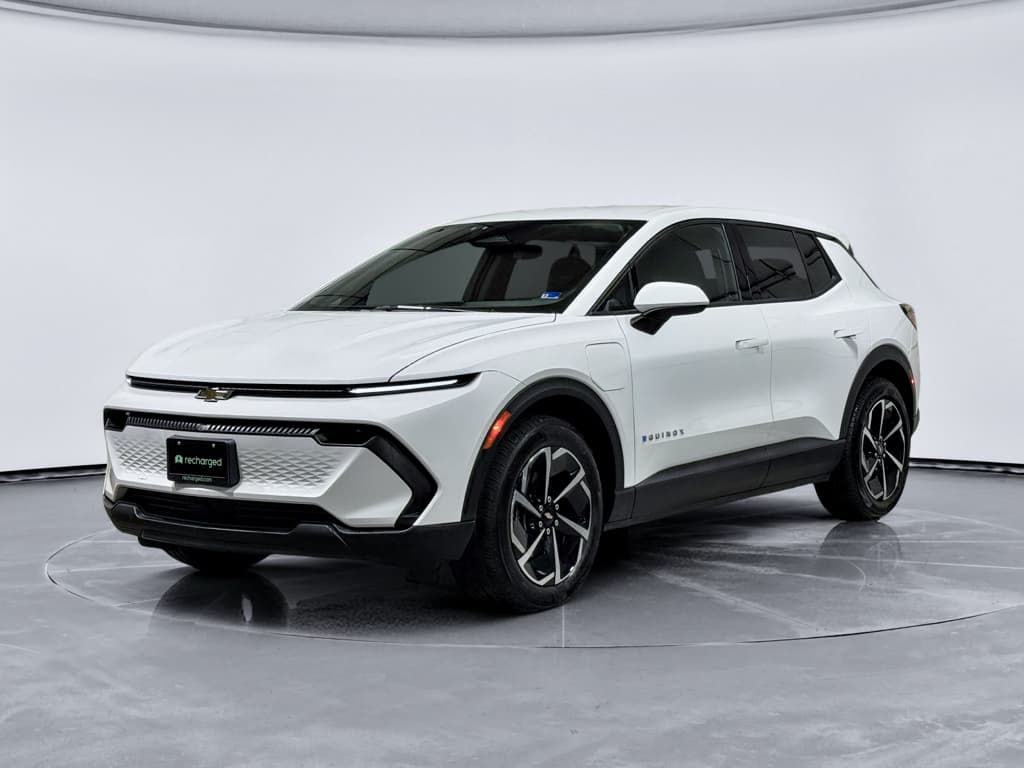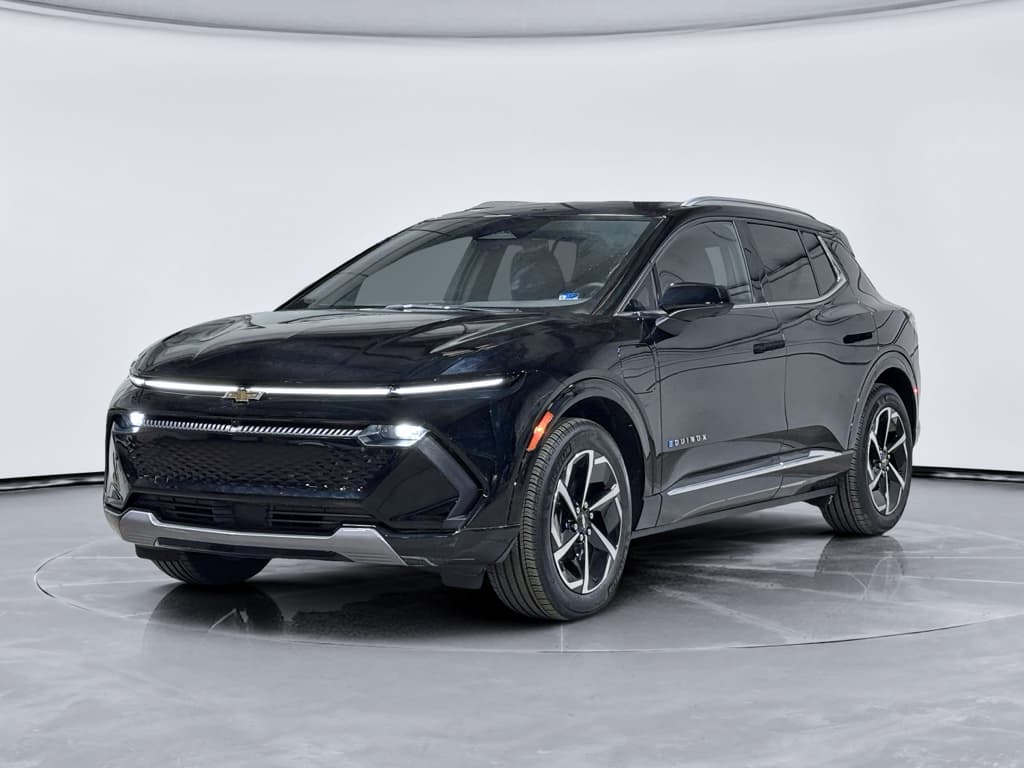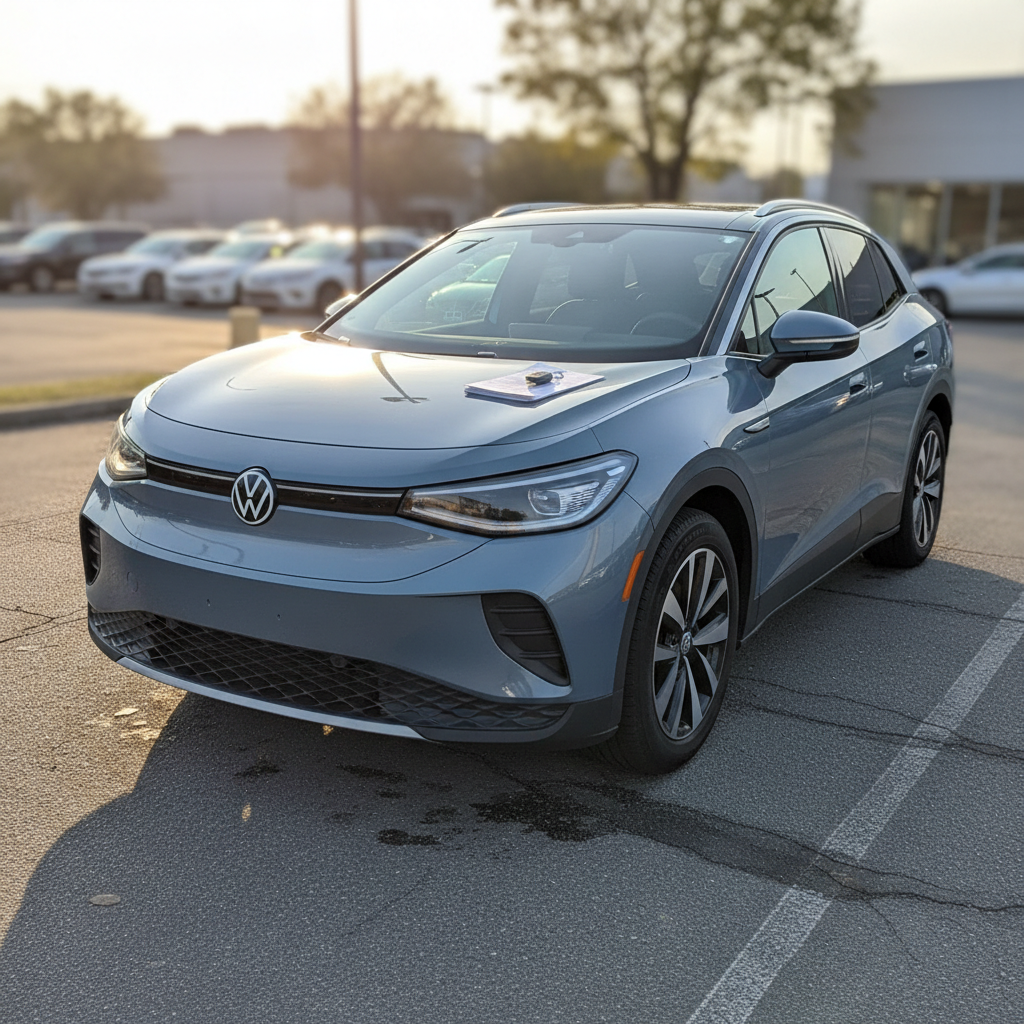
If you’ve heard someone mention a “Volt car” and pictured something vaguely electric but weren’t sure what it was, you’re not alone. Most of the time, they’re talking about the Chevrolet Volt, a clever plug‑in hybrid that can drive on electricity for daily trips but still has a gas engine for longer drives. In this guide, you’ll learn exactly what a Volt car is, how it compares to other EVs, and what to look for if you’re shopping for a used one in 2025.
Quick definition
What people mean by a “Volt car”
The Chevy Volt is a plug‑in hybrid electric vehicle (PHEV). That means it has both a battery and electric motor for all‑electric driving and a gasoline engine that works as a generator when the battery runs low. Unlike a regular hybrid, you plug the Volt in to charge it, usually overnight at home, and it can cover most commutes on electricity alone.
- Sold in the U.S. and Canada from 2011–2019 model years
- Roughly 35–53 miles of electric‑only range depending on year and conditions
- Gas engine gives total range of 300+ miles when the battery is empty
- Charges on standard Level 1 (120V) or Level 2 (240V) AC; no DC fast‑charging
- Body style: compact hatchback with four seats (Gen 1) or quasi‑sedan (Gen 2)
Think of it this way
Chevy Volt car at a glance: years, range and trim basics
Chevy Volt quick stats
Volt car generations and key differences
Use this to quickly understand how the Volt evolved over time and which years might fit you best.
| Generation | Model years | Electric range (EPA) | Seats | Notes |
|---|---|---|---|---|
| Gen 1 | 2011–2012 | ~35 mi | 4 | First Volt, smaller battery, slightly lower range |
| Gen 1 | 2013–2015 | ~38 mi | 4 | Battery chemistry tweaks, small efficiency improvements |
| Gen 2 | 2016–2018 | 53 mi | 5 (middle perch) | Redesigned drivetrain, more electric range, improved interior tech |
| Gen 2 | 2019 | 53 mi | 5 (middle perch) | Final year; some feature and charging updates |
Model‑year ranges and headline specs for the Chevrolet Volt.
Both generations of the Volt car deliver enough all‑electric range for many commutes, but Gen 2 (2016–2019) is the sweet spot if you want more EV miles, better infotainment, and slightly more rear‑seat practicality. Gen 1 models can be excellent values if you’re okay with four seats and older tech.
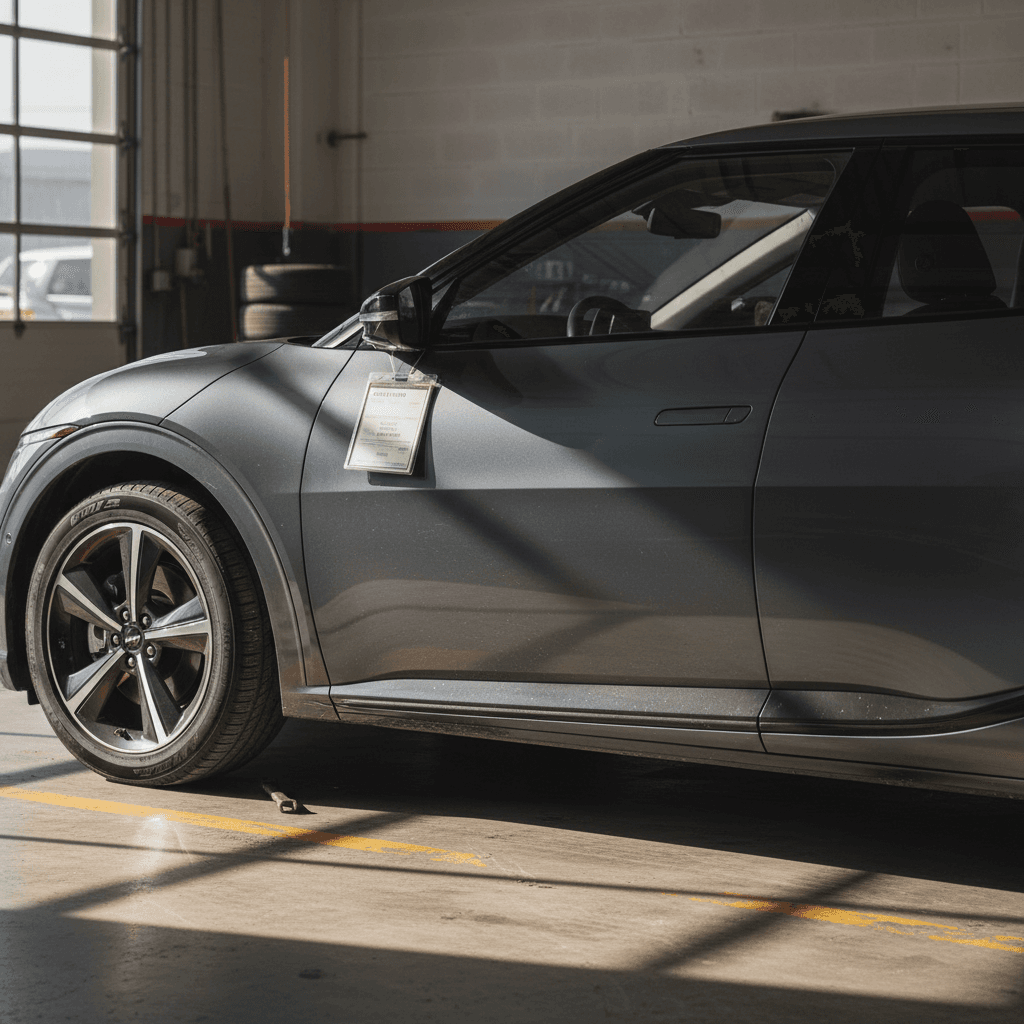
Volt car vs. Chevy Bolt: don’t mix them up
Volt (with a V)
- Plug‑in hybrid – battery + gas generator
- Electric range: 35–53 miles
- Total range: 300+ miles with gas tank
- Refueling: Plug in at home + regular gas pumps
- Model years: 2011–2019, now discontinued
Bolt (with a B)
- All‑electric – no gasoline engine
- Electric range: about 250+ miles, depending on year
- Total range: limited only by charging stops
- Refueling: AC charging + DC fast‑charging
- Model years: 2017–2023 (first gen), new Bolt returning for 2027
Watch the used‑car listing wording
Battery life & reliability: how long a Volt really lasts
The big question for any used Volt car is: how long does the battery last? The short answer, based on years of owner data, is that most Volts have held up impressively well, especially Gen 2 cars. It’s now common to see 2016–2018 Volts with 100,000–170,000 miles still delivering roughly 40–50 miles of electric range per charge.
What we know about Volt battery durability
Real‑world experience from long‑term owners and techs.
Conservative battery use
High‑mileage survivors
The new challenge: parts
The hard reality on pack failures
- Gen 1 (2011–2015) batteries are now a decade or more old; some show modest capacity loss, others still perform surprisingly well.
- Gen 2 (2016–2019) batteries generally show less degradation so far, and many owners report only a small drop in usable range at 100k+ miles.
- Because the Volt still has a gas engine, a slightly degraded battery is annoying, but not a deal‑breaker, if the price reflects it.
- The bigger risk is a sudden pack failure combined with limited parts availability, which can effectively sideline the car.
“I have a 2014 Volt with close to 200,000 miles that’s basically been a trouble‑free commuter. I fill up maybe once a month.”
Real‑world ownership costs for a Volt car
On paper, a Volt car looks like a simple way to cut fuel bills without going fully electric. In day‑to‑day life, that mostly holds true, especially if you plug in at home and keep your trips within the electric range. But you’ll want to budget realistically for both conventional maintenance and EV‑specific items.
Typical cost buckets for a Volt car
Where your money actually goes after you buy.
Fuel & electricity
- Electricity: Many owners spend the equivalent of $1–$2 per “gallon” driving on electricity, depending on local utility rates.
- Gasoline: If you mostly commute on battery, expect to visit the gas station far less often than with a regular car.
Maintenance & repairs
- Routine items (tires, brake fluid, cabin filter) are similar to other compact cars.
- Brakes often last longer thanks to regen.
- Big‑ticket risks are the high‑voltage battery or charging hardware, rare, but expensive if they fail out of warranty.
Use the gas engine occasionally
How much a used Volt car costs in 2025
Used prices move with the broader EV and fuel market, but by late 2025 the Volt car typically sits in a sweet spot: cheaper than most newer long‑range EVs, yet more capable, and often more efficient, than older gas compacts.
Typical 2025 price ranges for used Chevy Volts
Ballpark asking prices you might see at dealers or online marketplaces in the U.S. Your local market may be higher or lower.
| Generation & condition | Miles | Typical asking range* | What you’re getting |
|---|---|---|---|
| Gen 1, higher miles (2011–2013) | 120k–180k+$ | $6,000–$10,000 | Older tech but still useful EV range; great commuter if battery tests well. |
| Gen 1, cleaner examples (2014–2015) | 80k–130k | $9,000–$13,000 | Later tweaks and often better care histories; good value if records are solid. |
| Gen 2 early (2016–2017) | 80k–140k | $12,000–$17,000 | More range, better efficiency, and upgraded interior technology. |
| Gen 2 late (2018–2019) | 40k–100k | $16,000–$23,000 | Newest Volts on the road with the most battery life ahead, priced accordingly. |
Approximate retail price ranges for common Volt configurations in 2025.
About these numbers
How to inspect a used Volt before you buy
Because a Volt car blends EV and gas powertrain tech, a good pre‑purchase inspection is non‑negotiable, especially now that the newest examples are six years old. You want to understand both the state of the high‑voltage battery and the overall mechanical condition.
Used Volt car inspection checklist
1. Verify model year, generation and options
Confirm you’re actually looking at a Volt (not a Bolt), and note whether it’s Gen 1 or Gen 2. Check for options like advanced safety features, heated seats, and DC fast‑charge (Bolt only).
2. Check electric range on a full charge
Ask the seller to fully charge the car. Look at the estimated electric range on the dash in mild weather. Numbers in the 30s for Gen 1 and 40s–50s for Gen 2 are typical when the battery is healthy and temps are moderate.
3. Scan for warning lights and messages
On the test drive, watch for check‑engine lights, battery warnings, or “reduced propulsion” messages. Walk away from any car with unresolved high‑voltage or charging system alerts unless the seller is repairing them first.
4. Listen to the gas engine
Force the car into Hold or Mountain mode (Gen 1) or run the battery down on Gen 2 to let the engine start. Listen for rough running, abnormal vibrations, or exhaust smells that could hint at underlying issues.
5. Review charging history and equipment
Ask how often the car was plugged in, whether it lived in extreme heat or cold, and whether the owner used a Level 2 home charger. Confirm that the original portable charger (or equivalent) is included and works.
6. Get a hybrid‑savvy inspection
A general pre‑purchase inspection is good; a shop that understands EVs and hybrids is better. They can check coolant circuits, high‑voltage components, and software updates that ordinary shops might miss.
Don’t skip a battery‑health check
How Recharged checks Volt battery health
If you’re looking at a Volt car through Recharged, you’ll see more than just photos and a price. Every vehicle we list includes a Recharged Score Report, our battery‑focused health snapshot, so you’re not guessing about the most expensive component on the car.
What’s in a Recharged Score for a Volt car
Transparency that’s hard to get from a typical listing.
Battery diagnostics
History & pricing context
Support from EV specialists
Ready to find your next EV?
Browse VehiclesWhy this matters for a Volt
Is a Volt car right for you, or should you go full EV?
A Volt car isn’t the newest or flashiest electrified option anymore, but for the right driver it’s still a fantastic tool. The trick is being honest about your daily use, charging situation, and long‑term plans.
When a Volt car makes sense (and when it doesn’t)
Great fit for a Volt car
You have a daily round‑trip commute under ~40–50 miles and can plug in at home or work.
You want to slash fuel use but aren’t ready to rely 100% on public charging for road trips.
You live in an area with cold winters and like having a gas backup when range drops in freezing weather.
You prefer a compact car that still drives and feels familiar, no learning curve of a pure EV’s charging network.
Maybe skip the Volt and go full EV
You have reliable Level 2 charging at home and mostly drive in a radius where DC fast‑chargers are plentiful.
You want a vehicle that can use modern fast‑charging networks (the Volt cannot DC fast‑charge).
You want more interior space or a crossover body style than the Volt offers.
You’re comfortable with newer EV tech and want the lowest possible running costs without any gas at all.
Try a Volt as a stepping stone
Volt car FAQ
Frequently asked questions about Volt cars
A decade after its debut, the Chevrolet Volt still makes a lot of sense as a practical, budget‑friendly bridge between gasoline and full EV life. If you understand what a Volt car is, and you’re careful about battery health, pricing, and inspection, it can deliver years of low‑stress, low‑fuel driving. And if you’d rather skip the guesswork, browsing Volt and other used EV listings on Recharged gives you the reassurance of expert diagnostics, fair pricing, and support from people who live and breathe electric vehicles.