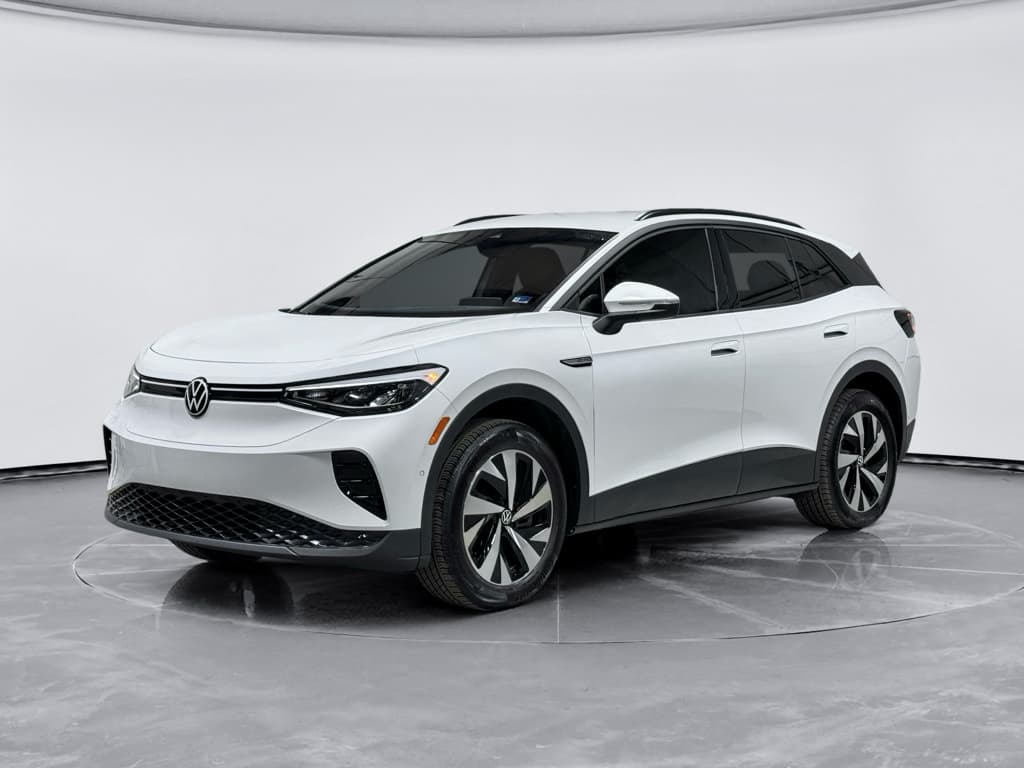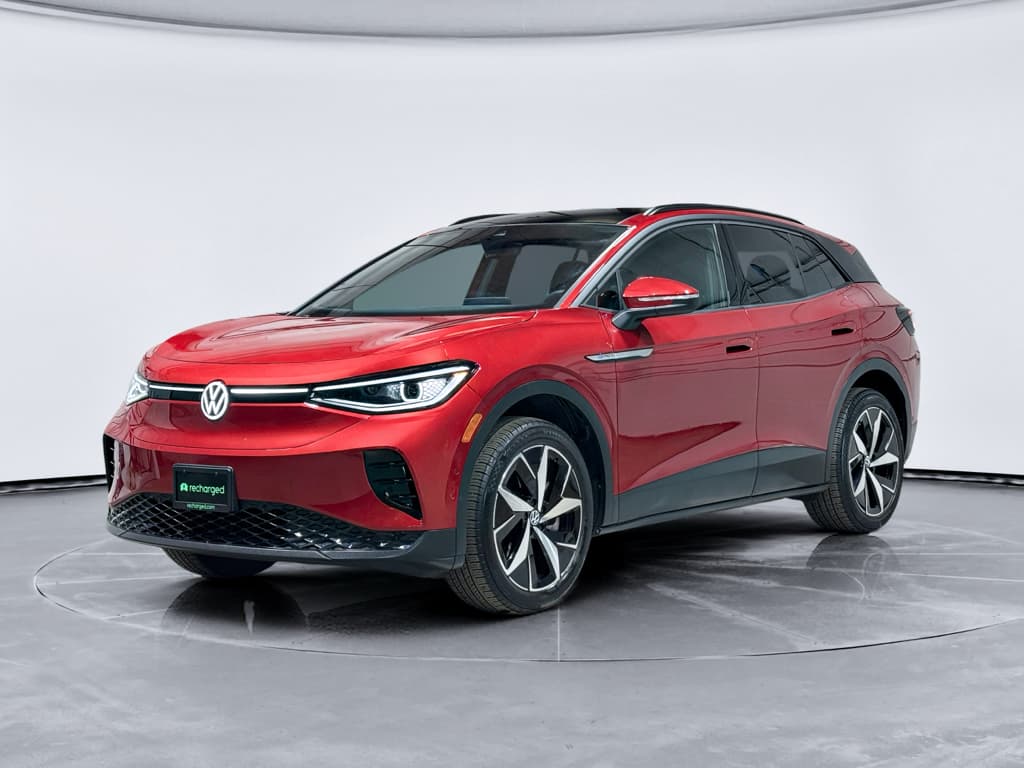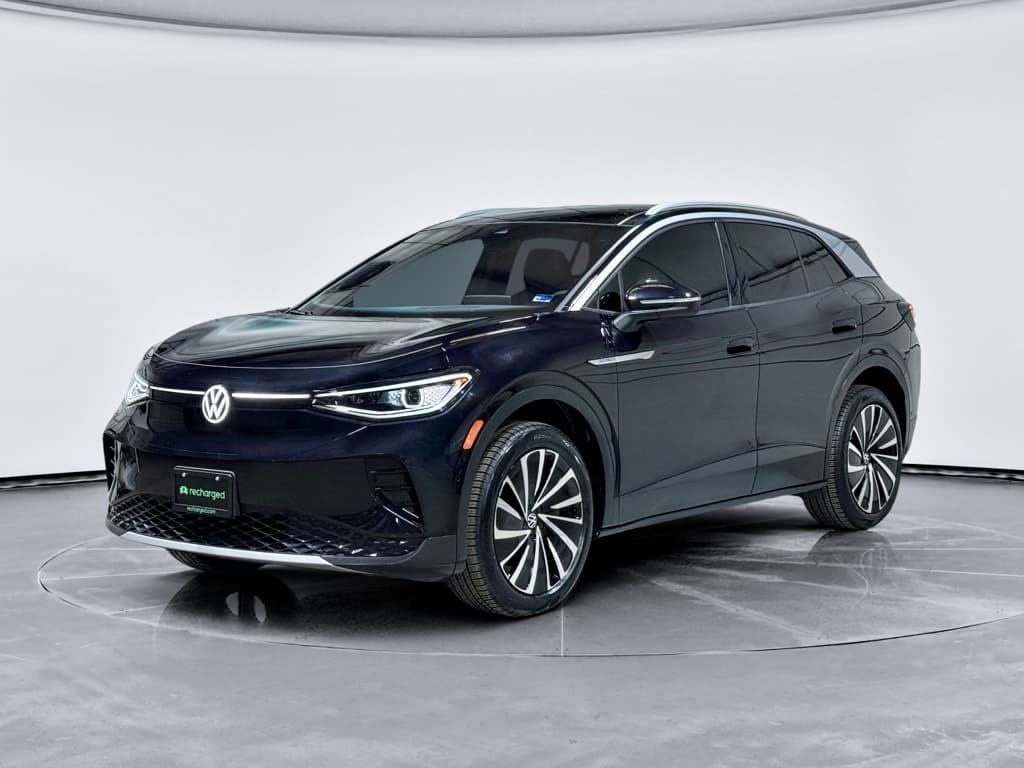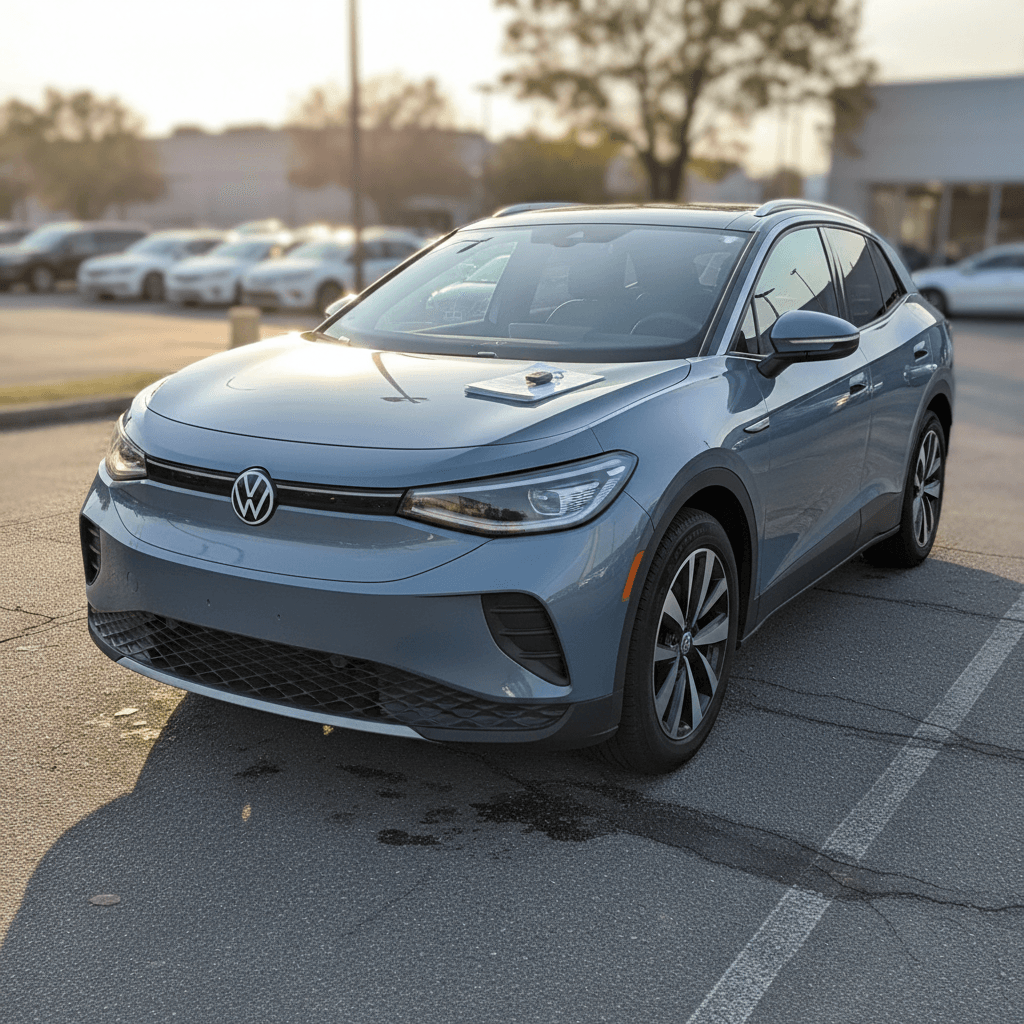
If you’re shopping the used EV market and want a practical electric SUV, the 2025 Volkswagen ID.4 should be on your list. It pairs compact‑crossover practicality with improved powertrains and software over early ID.4 models, and those upgrades matter a lot once these vehicles start showing up on the used market in late 2025 and 2026. This 2025 Volkswagen ID.4 review focuses specifically on what it’s like to buy one used, from range and charging to reliability, pricing, and what to look for before you sign.
Model year timing
Overview: 2025 ID.4 as a Used Buy
2025 Volkswagen ID.4: Quick Used‑Buyer Stats
Think of the 2025 ID.4 as an electric counterpart to a Tiguan or RAV4: a compact family crossover with a comfortable ride, lots of space, and calm highway manners. For used shoppers, the appeal is simple: you’re getting a much more mature ID.4 than the 2021–2022 launch years, with updated motors, revised software and a more intuitive infotainment layout, but without the brand‑new‑car price tag.
Bottom‑line verdict
What’s New on the 2025 ID.4 vs Earlier Years
If you’re cross‑shopping used ID.4s from several years, it’s worth understanding what makes the 2025 model different. Volkswagen has been refining this platform almost every year, especially in North America.
Key 2025 ID.4 Updates That Matter When Buying Used
Why a 2025 can be worth the premium over a 2021–2023 ID.4
Stronger rear motor on 82 kWh models
Later‑build ID.4s with the larger 82 kWh pack use VW’s newer APP 550 rear motor. It delivers more power and better efficiency than the earlier APP 310 unit, especially noticeable in highway passing and on‑ramps.
Revised infotainment and controls
2025 models benefit from a larger, clearer center display and backlit touch sliders that are easier to use at night, plus updated software that generally runs smoother than early ID.4 versions.
More standard safety & driver assist
Expect a full active‑safety suite standard, adaptive cruise, lane‑centering, automatic emergency braking, plus incremental tuning updates that make assists feel more natural than on 2021–2022 cars.
Watch build dates and equipment
Powertrains, Range, and Efficiency in the Real World
The 2025 ID.4 lineup in North America centers around rear‑wheel‑drive and optional all‑wheel‑drive versions with two battery sizes. For used shoppers, range and efficiency are big pieces of the puzzle, especially if you’re relying on this as a primary family vehicle.
2025 Volkswagen ID.4: Approximate EPA Range by Configuration
Exact figures vary slightly by trim and wheel size, but this gives you a realistic ballpark for a healthy battery.
| Configuration | Battery (usable) | Drive | Estimated EPA range |
|---|---|---|---|
| Standard battery RWD | ~58 kWh | RWD | Around 206–220 miles |
| Standard battery AWD | ~58 kWh | AWD | Around 190–200 miles |
| Pro / large battery RWD | ~77–82 kWh | RWD | Up to about 291 miles |
| Pro / large battery AWD | ~77–82 kWh | AWD | Around 260–270 miles |
Use this as a reference when you compare a used ID.4’s displayed range to what it delivered when new.
Quick way to sanity‑check range on a test drive
Real‑world range for commuters
If you’re driving 30–60 miles per day at mixed city and highway speeds, any 2025 ID.4 configuration is workable. Even the smaller‑battery RWD version leaves a large daily buffer, and you can typically charge at home to 70–80% instead of topping off to 100% every night.
Many ID.4 owners report that even after tens of thousands of miles, their usable daily range comfortably covers a full workday plus errands, especially when they plug in at home or work.
Range on road trips
For long‑distance driving, the larger‑battery Pro trims offer a much nicer experience. In real use, you’re planning around 180–230 miles between fast‑charge stops, depending on weather, speed, and load. AWD trims shave a bit off range but give you better traction in snow.
If you live in a cold climate, factor in a 15–30% winter hit to range from heater use and lower battery efficiency, which is typical for EVs, not just the ID.4.
Charging Experience: Home and Road Trips
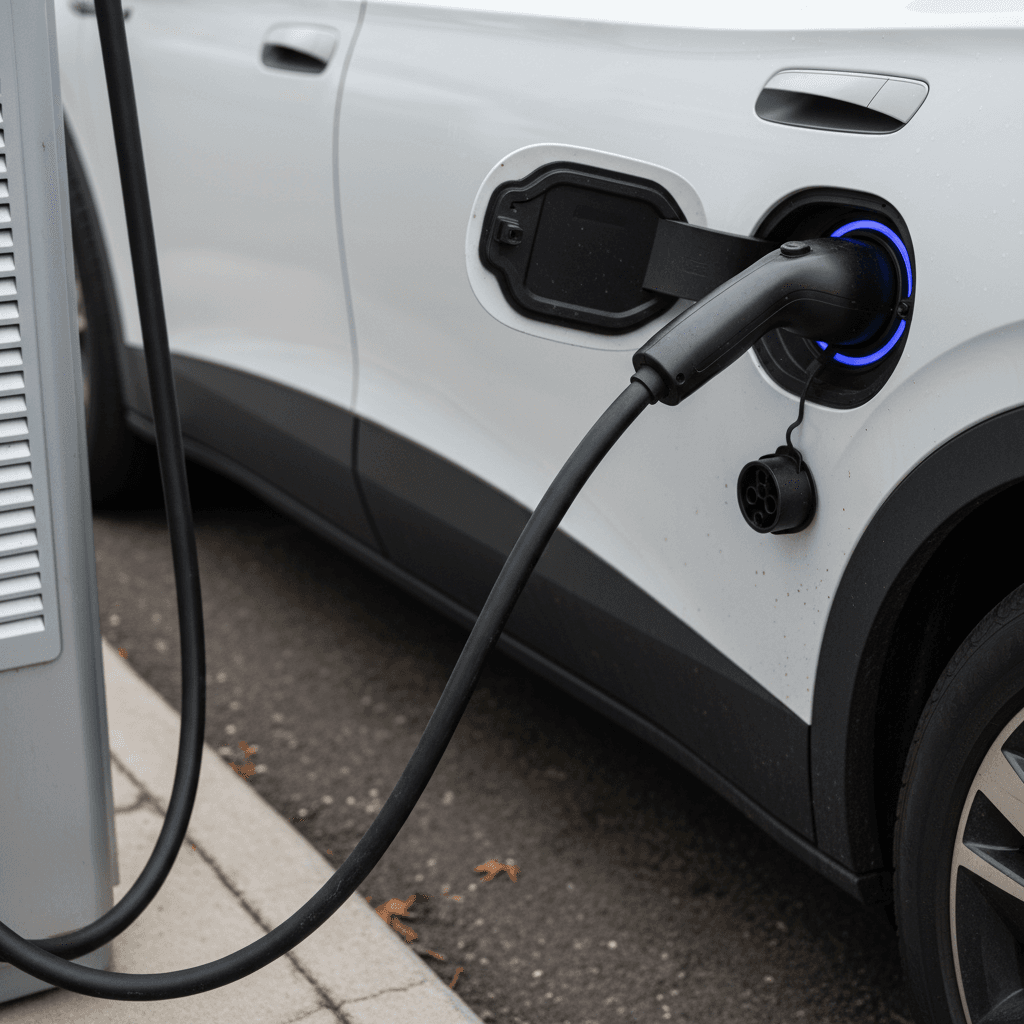
Charging is where daily life with a used 2025 ID.4 will either feel effortless, or frustrating, depending on your setup. The good news: the ID.4 supports solid DC fast‑charging speeds for its class and works well with common public networks when the stations themselves behave.
Charging a Used 2025 ID.4: What to Expect
Home, public Level 2, and DC fast charging in plain English
Home Level 2 (240V)
With a 40‑amp Level 2 charger at home, expect roughly 25–30 miles of range added per hour on a larger‑battery ID.4. An overnight session easily fills the pack from a typical 20–80% daily window.
Make sure your panel and outlet are sized correctly; if you’re buying used through Recharged, our EV specialists can help you plan home charging and equipment.
Public Level 2
Think of mall or workplace chargers as range top‑offs, not full refills. They’re fine for adding 30–60 miles while you shop or work but too slow to rely on exclusively for road trips.
For apartment dwellers, a workplace or nearby public Level 2 station can make ID.4 ownership easy, as long as availability is decent.
DC Fast Charging
On a healthy 2025 ID.4 pack, peak DC rates over 150 kW are typical at compatible stations. In real life, you’re looking at roughly 30–35 minutes to go from 10% to 80% on a good fast charger.
As with any EV, battery temperature, station quality, and your starting state of charge all influence how fast the curve actually looks.
Don’t live off DC fast charging
Interior, Tech, and Everyday Comfort
Inside, the 2025 ID.4 feels like a modern VW: clean design, good materials in higher trims, and a layout that prioritizes space over drama. The cabin is one of the reasons families gravitate toward this EV, especially on the used market where you’re price‑sensitive but still want something that feels current.
Space, seats, and cargo
- Roomy front and rear rows: Adults can sit comfortably behind adults, and the flat EV floor makes the middle rear seat more usable than in many gas SUVs.
- Cargo space: There’s plenty of room for strollers, groceries or camping gear, even though there’s no front trunk.
- Ride quality: Tuned for comfort, not sport. The ID.4 feels planted and quiet on the highway, which matters on long commutes.
Infotainment and controls
- Larger center screen: 2025 models bring a big, bright display that’s easier to read and use than early software versions.
- Backlit sliders: A small but meaningful change, climate and volume controls are less frustrating at night.
- Still some learning curve: Menus can be deep, and occasional lag or quirks are common complaints in owner forums.
What owners tend to like and dislike
Reliability, Battery Health, and Recalls
Reliability is the question that hangs over any used EV, especially one that was an early entrant in its segment. With the ID.4, you need to separate two things: the underlying battery and drive hardware, and the software/connectivity layer on top.
- Battery and drive unit: So far, the ID.4’s high‑voltage hardware has held up reasonably well in most real‑world reports. Like any EV, you’ll see some range loss after many miles, but catastrophic pack failures and motor replacements are not widespread trends.
- Software and electronics: This is where most owner frustrations live, infotainment freezes, slow boot‑ups, glitchy Car‑Net connectivity, and the occasional warning light that disappears after a restart or software update.
- Recalls and campaigns: Earlier ID.4 model years saw several software and high‑voltage‑system–related recalls and service campaigns. A 2025 ID.4 may still have open software or battery‑system updates, depending on when the prior owner last visited a dealer.
Non‑negotiable step: VIN recall check
Understanding ID.4 Battery Health on a Used 2025
What’s normal, what’s a red flag, and how Recharged helps
What "normal" degradation looks like
Across modern EVs, including the ID.4’s battery family, it’s common to see single‑digit percentage loss of usable capacity over the first few years, then a slower decline over time. A lightly used 2025 ID.4 with under 30,000 miles should still be very close to its original range in typical conditions.
How the Recharged Score protects you
Every ID.4 sold on Recharged comes with a Recharged Score battery health report that uses scan data and diagnostic testing to verify real pack health, not just dash‑estimated range. That gives you objective insight into degradation, charging history, and overall high‑voltage system condition.
Used 2025 ID.4 Pricing and Depreciation
Because the 2025 ID.4 is still relatively new, pricing is in flux as more examples hit the used market. But we can already see a clear pattern: ID.4s have depreciated faster than comparable gas crossovers and some competing EVs, which is actually good news if you’re buying used rather than selling.
Where Used 2025 ID.4 Pricing Typically Lands
Approximate early used‑market ranges in the U.S. for clean‑title vehicles with average mileage and no major accident history.
| Trim / configuration | Odometer ballpark | Typical asking range |
|---|---|---|
| Standard battery RWD | 10,000–25,000 miles | $30,000–$34,000 |
| Standard battery AWD | 10,000–25,000 miles | $32,000–$36,000 |
| Pro / large battery RWD | 10,000–25,000 miles | $33,000–$38,000 |
| Pro / large battery AWD | 10,000–25,000 miles | $35,000–$40,000+ |
Local incentives, battery size, AWD, and condition can all move a specific vehicle above or below these bands.
Why depreciation can be your friend here
How the 2025 ID.4 Compares to Other Used EV SUVs
When you shop for a used 2025 ID.4, you’re almost certainly seeing it alongside other compact EV crossovers: Tesla Model Y, Hyundai Ioniq 5, Kia EV6, Toyota bZ4X, and maybe Chevrolet Blazer EV or Equinox EV depending on availability in your area. Here’s how the ID.4 typically stacks up for used buyers.
Used 2025 ID.4 vs Popular Used EV Rivals
Strengths and trade‑offs versus other compact electric SUVs
Tesla Model Y
Pros vs ID.4: Longer range in many trims, denser fast‑charging network, snappier performance, slicker software.
Cons vs ID.4: Harsher ride, more minimalist interior that some don’t love, pricing often higher on the used market for similar age/miles.
Hyundai Ioniq 5 / Kia EV6
Pros vs ID.4: Ultra‑fast 800‑V charging, striking design, strong efficiency, often more engaging to drive.
Cons vs ID.4: Less traditional SUV feel, some owners report availability issues for parts and EV‑trained technicians depending on region.
Toyota bZ4X & other entries
Pros vs ID.4: Toyota brand reputation, improving range on newer builds, simple cabin.
Cons vs ID.4: Earlier range and charging compromises, fewer used examples, and in some cases a less refined ride and interior.
Where the used 2025 ID.4 shines
Inspection Checklist for a Used 2025 ID.4
When you’re standing on the lot or scrolling a listing, it’s easy to get distracted by colors and wheels. Use this focused checklist to evaluate a used 2025 ID.4 like a pro. If you buy through Recharged, our team handles most of this for you and packages the findings into an easy‑to‑read Recharged Score report.
Used 2025 Volkswagen ID.4 Pre‑Purchase Checklist
1. Confirm exact trim, battery, and drivetrain
Use the VIN, build sheet, or original window sticker to verify whether you’re looking at the standard‑battery or Pro (larger‑battery) ID.4, and whether it’s rear‑ or all‑wheel‑drive. Range and performance depend heavily on this.
2. Check software and recall status
Ask for a printout from a VW dealer showing completed recalls and software updates. You want all high‑voltage and infotainment campaigns up to date before you take delivery.
3. Evaluate displayed range vs. original
Fully charge the car and compare the indicated range to the EPA figure for that configuration. A meaningful gap might be normal (cold weather, past driving style) or could hint at battery degradation. A Recharged Score battery health test removes the guesswork.
4. Inspect charging behavior
If possible, plug into both Level 2 and DC fast charging during your test. Watch for errors, unusually slow charge rates, or charging sessions that randomly stop, these could point to connector, on‑board charger, or software issues.
5. Scan for warning lights and glitches
On the test drive, watch for persistent warning lights, repeated messages about the electrical system, or frozen infotainment. A one‑time quirk happens; repeat issues are a red flag.
6. Look underneath and around the pack
Have a technician inspect the underbody shielding around the battery for signs of impact, off‑road damage, or poor prior repairs. EV battery structural damage is expensive to fix and should be a deal‑breaker unless properly documented.
7. Review service and charging history
Service records showing regular maintenance and a mix of home and public charging are reassuring. A history of near‑daily DC fast charging isn’t automatically a no‑go, but it should make you pay closer attention to battery health data.
Is a Used 2025 Volkswagen ID.4 Right for You?
Best fit buyers
- Suburban commuters driving 30–80 miles a day who can charge at home, and want something that feels like a familiar compact SUV.
- Families who prioritize space, safety tech, and ride comfort over 0–60 bragging rights.
- Budget‑conscious EV adopters who want a newer‑tech EV but don’t want to pay new‑car prices or take the steepest depreciation hit themselves.
Who should probably look elsewhere
- Drivers who road‑trip every weekend and want the absolute fastest DC fast‑charging stops available today.
- Shoppers who strongly prefer minimalist, ultra‑techy cabins, those folks may feel more at home in a Tesla or Hyundai/Kia EV.
- Buyers who don’t have consistent access to overnight Level 2 charging and will rely almost entirely on public infrastructure.
Viewed through a used‑car lens, the 2025 Volkswagen ID.4 is a compelling package: a comfortable, spacious compact SUV with solid range, maturing software, and meaningful hardware improvements over early ID.4s. As more examples roll off lease, the value equation should only improve. If you pair careful inspection with objective battery health data, like the Recharged Score report you get when you shop through Recharged, a used 2025 ID.4 can be a smart, lower‑risk way to step into EV ownership.