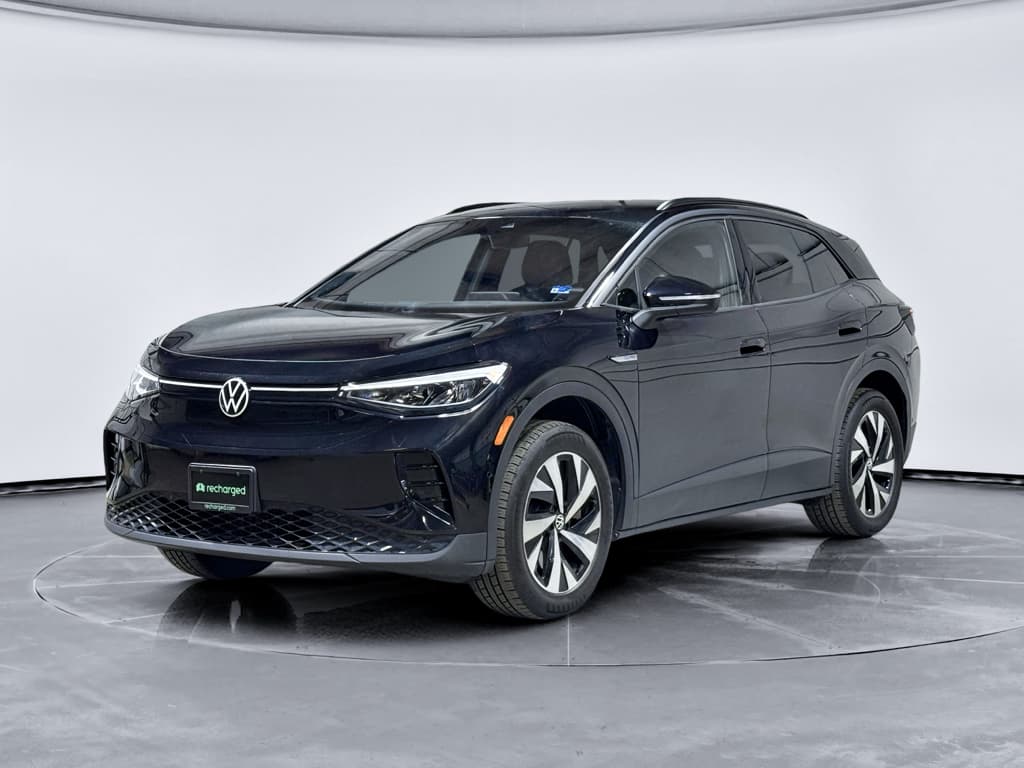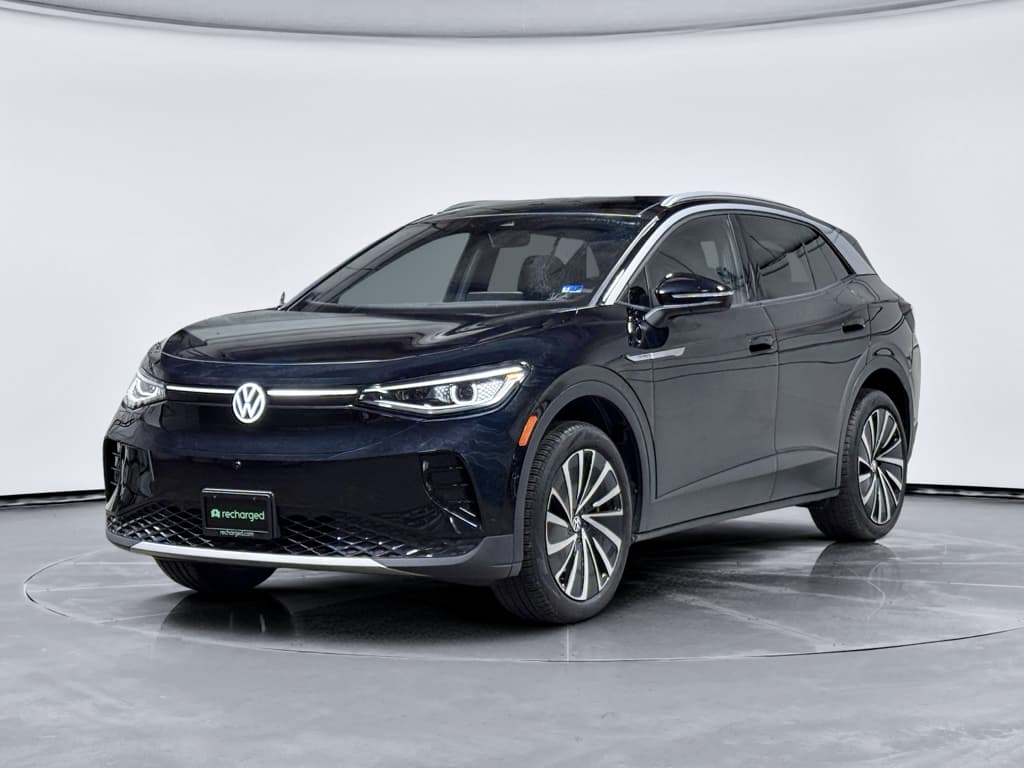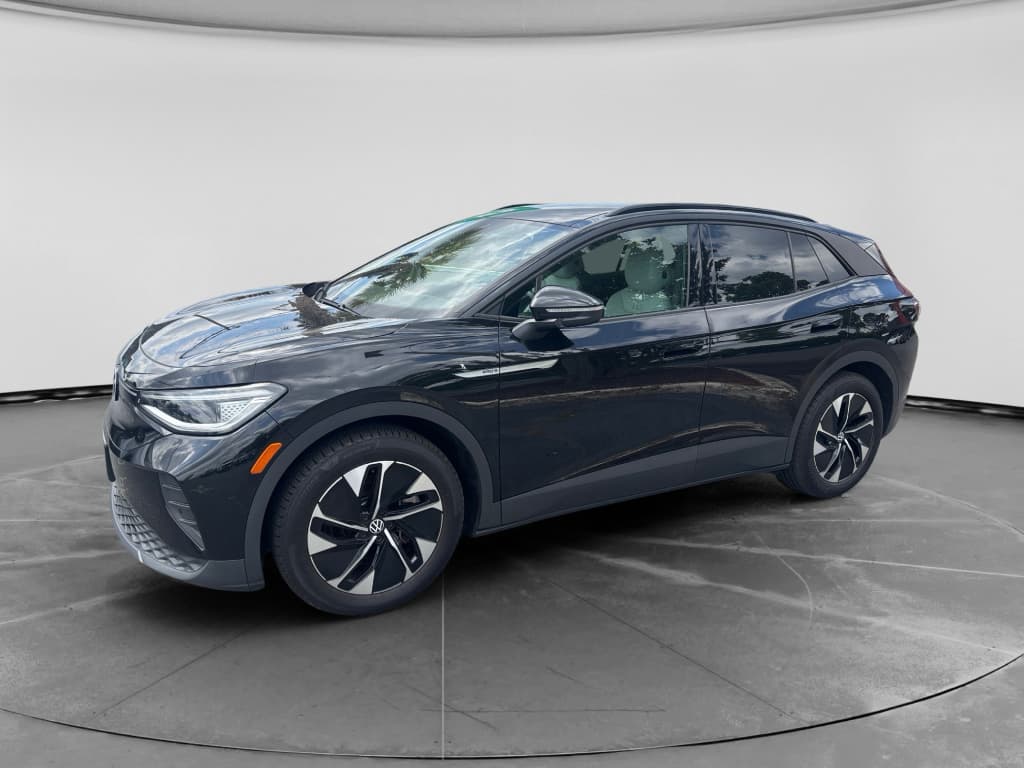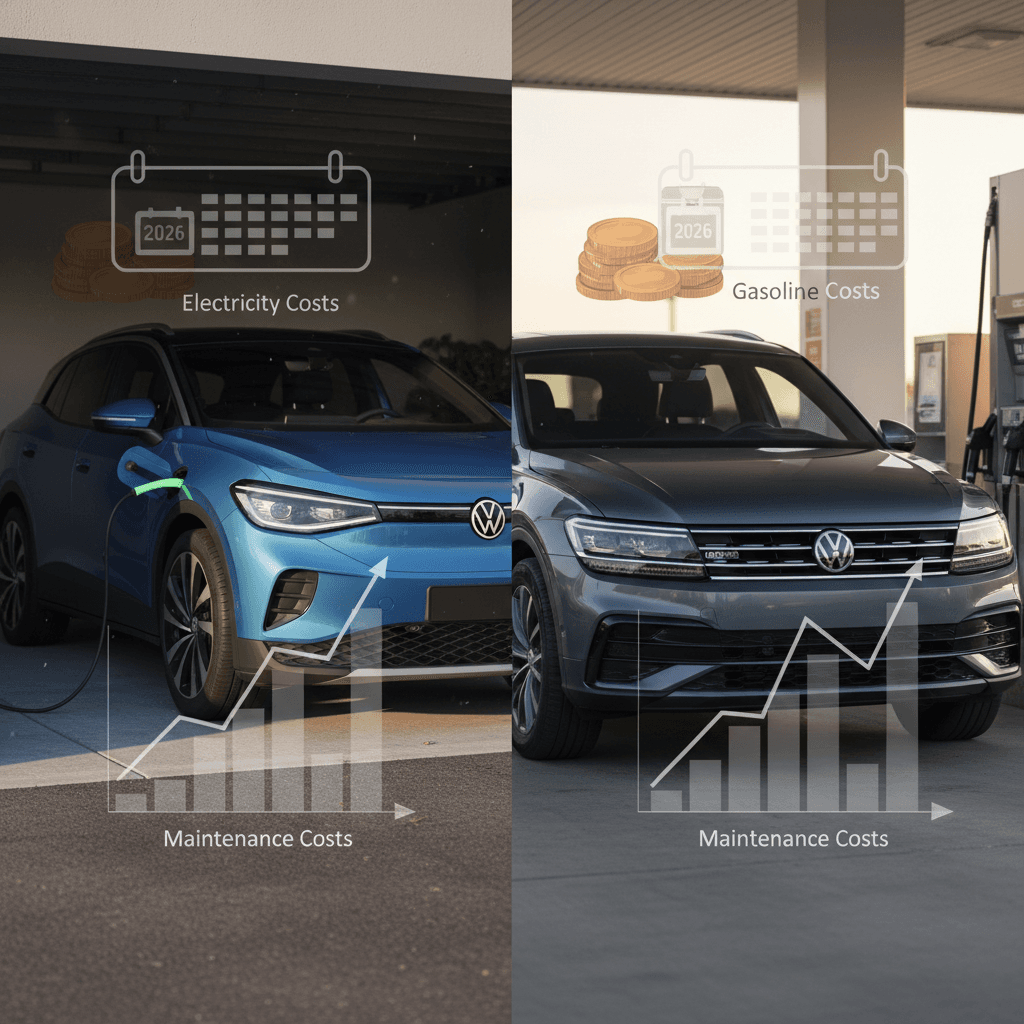
If you’re cross‑shopping a **Volkswagen ID.4 vs Volkswagen Tiguan in 2026**, you’re really asking one question: will going electric actually save me money, or is a familiar gas Tiguan still the cheaper play? The two are almost the same size and brand, but their cost structures couldn’t be more different.
Same shape, very different running costs
Why compare the VW ID.4 and Tiguan in 2026?
Volkswagen designed the **ID.4** to be its electric counterpart to the **Tiguan**, a family‑friendly compact SUV with enough space for kids, cargo, and commuting. In 2026, both are widely available new and used in the U.S., and prices for earlier model‑year ID.4s have fallen enough that they now compete directly with late‑model Tiguans on monthly cost.
- Similar size and interior space (2‑row compact SUVs; some Tiguans offer a small 3rd row).
- Overlapping price brackets on the used market, especially for 2021–2023 ID.4s vs 2019–2022 Tiguans.
- Different powertrains: ID.4 is fully electric; Tiguan uses a turbocharged gasoline engine.
- Different incentive landscape: ID.4 may qualify for federal and state EV incentives when bought used; Tiguan does not.
Think like a CFO, not just a shopper
Volkswagen ID.4 vs Tiguan: headline cost takeaways
ID.4 vs Tiguan cost snapshot for a typical U.S. driver
Key 2026 reality check
Purchase price and incentives in 2026
New pricing ballpark (2024–2025 model years)
Approximate new‑vehicle MSRPs (U.S., as of 2025 model year)
These are ballpark starting MSRPs before destination, options, or dealer markups. Exact pricing will vary by trim and location.
| Model | Typical 2025 starting MSRP | Powertrain | Notes |
|---|---|---|---|
| Volkswagen ID.4 (Pro RWD, 77 kWh) | ≈$46,500 | Battery electric | Larger‑battery trims carry higher MSRPs; some configurations may qualify for federal tax credits depending on final IRS rules. |
| Volkswagen Tiguan (2025) | ≈$30,900 | Gasoline | Base FWD model; AWD and higher trims push transaction prices into mid‑$30Ks. |
New pricing helps set expectations, but many 2026 shoppers will be looking at 2–4‑year‑old examples where depreciation and incentives matter more.
On paper, a new ID.4 still costs **substantially more** than a new Tiguan. But by 2026, a lot of buyers aren’t shopping brand‑new, they’re choosing between **used ID.4s that have already taken a big depreciation hit** and comparatively younger Tiguans that hold value a bit better.
Used‑market reality in 2026
Used Volkswagen ID.4 (2021–2023)
- Early ID.4s have seen sharp depreciation, in part because of rapid EV tech upgrades and shifting incentives.
- In many U.S. markets, you’ll see 2021–2022 ID.4s advertised in the **mid‑$20Ks to low‑$30Ks**, depending on miles and battery size.
- Battery warranty is typically **8 years/100,000 miles**, so most used ID.4s on the market in 2026 still have warranty coverage on the pack.
Used Volkswagen Tiguan (2020–2023)
- Compact gas SUVs have had **steady demand**, keeping prices relatively firm.
- Comparable‑age Tiguans often list in a **similar $20K–$30K band**, especially for well‑equipped SE/SEL trims.
- No EV tax credits to offset the price, but financing terms can be slightly better at some lenders for mainstream gas models.
Used pricing can narrow, or erase, the upfront gap
Federal and state incentives (including used EVs)
- **New ID.4**: Many 2024–2025 ID.4 configurations have been on and off the list for the U.S. federal **Clean Vehicle Credit** (up to $7,500). For 2026 shoppers looking at leftover inventory, dealer participation in **point‑of‑sale credits** can materially lower your price; the Tiguan never qualifies.
- **Used ID.4**: The U.S. **used clean vehicle credit** (up to $4,000, subject to price caps and income limits) can make a 2–4‑year‑old ID.4 hundreds of dollars cheaper per year over a 5‑year loan term.
- **State and utility incentives**: Some states and utilities add extra rebates or low‑rate financing for EVs or home charging equipment. Gas Tiguans typically don’t see these perks.
Run the numbers on a per‑month basis
Energy costs: electricity vs gasoline
Real‑world efficiency
Typical efficiency: ID.4 vs Tiguan
These are representative figures for popular trims; exact numbers vary by model year, battery, drivetrain, and driving conditions.
| Model | Energy use (combined) | What that means in plain English |
|---|---|---|
| VW ID.4 (RWD, larger battery) | ≈105–110 MPGe (≈3.0–3.2 mi/kWh) | Roughly 30–33 kWh of electricity per 100 miles driven in mixed use. |
| VW Tiguan (gas) | ≈26–30 mpg combined | Expect about 3.3–3.8 gallons of gas per 100 miles in real‑world driving. |
Even if the ID.4 isn’t the most efficient EV on the market, its energy cost per mile is usually much lower than a gasoline Tiguan’s.
MPGe is a bit abstract, but the takeaway is simple: **electric miles are usually cheaper miles**, even after you factor in higher electricity rates in some regions.
Illustrative 2026 fuel vs electricity costs
Example: 12,000 miles/year, 5‑year ownership
1. Assumptions for the Tiguan
• 28 mpg combined • $3.75/gal average gasoline price over 5 years Annual fuel cost: 12,000 ÷ 28 × $3.75 ≈ **$1,607**. Five‑year fuel cost: ≈ **$8,000**.
2. Assumptions for the ID.4
• 3.0 mi/kWh in mixed driving • $0.16/kWh blended home electricity rate (after fees and taxes) Annual electricity cost: 12,000 ÷ 3.0 × $0.16 ≈ **$640**. Five‑year electricity cost: ≈ **$3,200**.
3. Annual and 5‑year gap
Under these assumptions, an ID.4 saves roughly **$1,000/year** in energy vs a Tiguan, or about **$4,800–$5,000** over five years. If gas prices spike or your electricity is cheaper (e.g., off‑peak TOU rates), the gap widens.
Highway‑heavy drivers: mind the range and charging curve
Maintenance and repairs: where EVs usually win
Volkswagen’s own prepaid‑maintenance pricing gives a rough sense of how **scheduled service costs** differ between the ID.4 and Tiguan. In Canadian pricing for 2026 plans, multi‑year maintenance packages for the ID.4 are hundreds of dollars cheaper than for a comparable Tiguan, even before you factor in surprise repairs.
Why ID.4 maintenance tends to cost less than Tiguan
Fewer moving parts and no engine mean fewer regular service items.
No oil or transmission service
Less brake wear
Simpler scheduled service
Volkswagen’s own maintenance plans tell the story
Unscheduled repairs are harder to predict. Today’s EVs have fewer mechanical failure points but more software and electronics. The **ID.4’s battery is covered by a long factory warranty**, but out‑of‑warranty infotainment, charge‑port, or thermal‑management fixes can still be expensive. The Tiguan, by contrast, faces traditional ICE risks: turbo, cooling system, fuel system, and transmission issues as it ages.
Battery replacement fear vs reality
Insurance, fees, and taxes
Insurance premiums can be a toss‑up. In many markets, **ID.4 premiums run slightly higher** than equivalent Tiguans because of higher vehicle value and more expensive body electronics, while in others the difference nearly disappears once you factor in safety features and driver profiles.
- **Registration and property taxes** in some states scale with vehicle value, so a newer, more expensive ID.4 may cost more annually than an older Tiguan. As ID.4 values fall on the used market, this gap shrinks.
- Some states and cities offer **reduced registration fees, HOV access, or other perks** for EVs that effectively offset small insurance or fee differences.
- Parking costs may be lower in some downtowns that offer **discounted or free charging** compared with standard paid parking for gas vehicles.
Get real quotes based on VINs
Depreciation and resale value
Depreciation is where EV economics get messy. Early ID.4s have already experienced **steep value drops**, partly because new EV prices have been volatile and partly because tax credits effectively lower the cost of new cars. The Tiguan, by contrast, has followed the more predictable depreciation curve of a mainstream compact SUV.
How depreciation cuts both ways
Bad news if you bought new, good news if you’re buying used.
ID.4: Steep early drop, then opportunity
Tiguan: Slower, steadier curve
Look at total dollars lost, not just percentages
5‑year total cost of ownership: sample scenario
To ground all of this, here’s a simplified 5‑year TCO comparison for a typical U.S. driver in 2026, choosing between a **used 2022 ID.4** and a **used 2022 Tiguan SE**. These aren’t quotes; they’re directional numbers to help you think about the trade‑offs.
Illustrative 5‑year cost comparison (used 2022 ID.4 vs 2022 Tiguan)
Assumptions: 12,000 miles/year, average U.S. gas and electricity prices, owner has access to home Level 2 charging, and both vehicles are out of basic bumper‑to‑bumper warranty by year 5.
| Cost category (5‑year) | Used 2022 VW ID.4 | Used 2022 VW Tiguan | Notes |
|---|---|---|---|
| Purchase price (transaction) | $27,000 | $25,000 | Representative of mid‑trim, average‑mileage examples in many U.S. markets. |
| Incentives | −$4,000 (used EV credit, if eligible) | $0 | If you qualify, the used clean‑vehicle credit effectively makes the ID.4’s net price ≈$23,000. |
| Net financed price | $23,000 | $25,000 | ID.4 starts slightly cheaper here after incentives. |
| Energy (fuel/electricity) | ≈$3,200 | ≈$8,000 | From earlier 5‑year 12,000‑mile/year example. |
| Scheduled maintenance | ≈$1,000–$1,300 | ≈$1,800–$2,200 | Based on relative VW prepaid‑maintenance pricing and typical ICE vs EV service differences. |
| Unscheduled repairs | Hard to predict; budget ≈$1,500 | Budget ≈$2,000 | Actual results vary; ID.4 benefits from battery warranty, Tiguan faces ICE‑type repairs. |
| Insurance & fees | Slightly higher insurance, slightly lower fuel taxes | Slightly lower insurance, standard fuel taxes | Assumed roughly a wash over 5 years for this example. |
| Estimated resale after 5 yrs | $10,000–$13,000 | $9,000–$12,000 | Highly market‑dependent; EV values may be more volatile than ICE. |
The ID.4 often carries a higher sticker but can claw back thousands in running‑cost savings, especially if you can capture used‑EV incentives.
Under these assumptions, the **ID.4 often ends up a few thousand dollars cheaper to own over five years** than a similar‑vintage Tiguan, even if you give the Tiguan the benefit of the doubt on depreciation. If you can’t claim the used‑EV credit, or if you pay high public‑fast‑charging rates instead of mostly home charging, that gap shrinks, and in extreme cases, the Tiguan can come out ahead.
Your mileage will literally vary
Which one actually fits your life?
ID.4 vs Tiguan: which type of driver wins where?
Match the SUV to your daily reality, not just to a spreadsheet.
When an ID.4 makes more financial sense
- You have **reliable home or workplace charging** and won’t rely on DC fast charging except for occasional trips.
- You drive **10,000–15,000+ miles/year**, so fuel savings matter.
- You can qualify for **federal and state EV incentives**, especially on a used ID.4.
- You’re comfortable with some EV‑specific quirks (public charger learning curve, software updates).
When a Tiguan still pencils out
- You **can’t install home charging** (e.g., complex condo/HOA situation) and local public charging is limited or expensive.
- You drive relatively **few miles** each year, so fuel is a small part of your budget.
- You prioritize **road‑trip flexibility** with quick, ubiquitous refueling and minimal route planning.
- You plan to keep the vehicle a **short time** and care more about simplicity than long‑term fuel savings.
Test your real‑world routine
How Recharged fits into this decision
Because the **Volkswagen ID.4 vs Volkswagen Tiguan cost comparison** comes down to real‑world usage and vehicle condition, buying the right individual car matters more than picking the right model on paper. That’s where Recharged comes in.
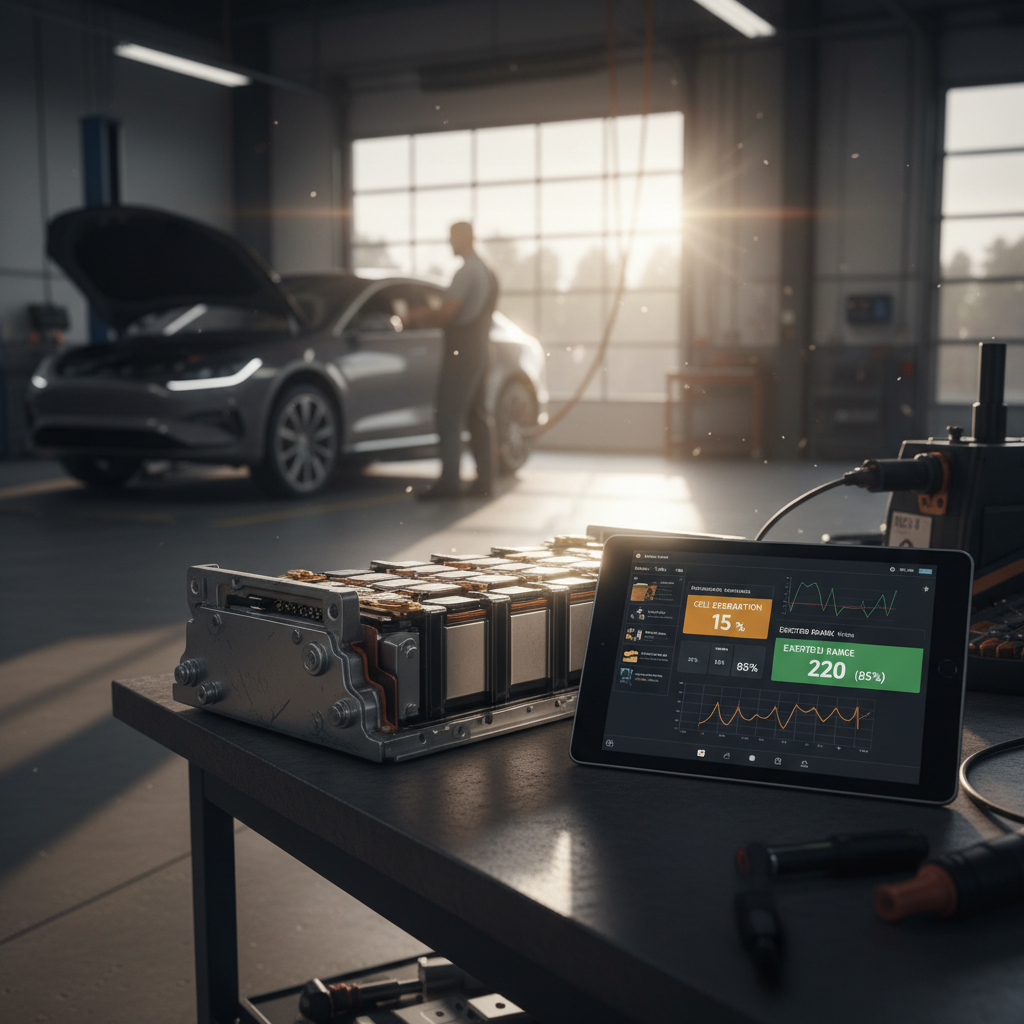
- Every used EV on Recharged comes with a **Recharged Score Report** that includes **verified battery health**, so you’re not guessing about degradation on a used ID.4.
- Our pricing tools benchmark vehicles against **fair market value**, helping you see whether that ID.4’s steep depreciation already happened, or if a Tiguan is overpriced for its mileage.
- You can **trade in or get an instant offer** on your current car (gas or EV) and put that equity toward either an ID.4 or another SUV.
- If you’re EV‑curious but not sure, our EV specialists can walk through **your actual commute, charging options, and budget** and build a personalized cost comparison.
- We offer **financing and nationwide delivery**, plus an Experience Center in Richmond, VA, if you’d rather see and drive an EV in person first.
Make the numbers work before you make the leap
Ready to find your next EV?
Browse VehiclesFAQ: Volkswagen ID.4 vs Volkswagen Tiguan costs
Common questions about ID.4 vs Tiguan costs in 2026
In 2026, the simple “EVs are more expensive” narrative doesn’t really hold up when you put a **Volkswagen ID.4** next to a **Volkswagen Tiguan** and follow the money over 5–6 years. For many drivers with home charging, the ID.4 quietly undercuts the Tiguan on total cost of ownership, even if the window sticker looks higher on day one. The right answer for you comes down to charging access, mileage, incentives, and the specific vehicles in front of you, which is exactly what tools like the **Recharged Score Report** and EV‑savvy support are designed to untangle.