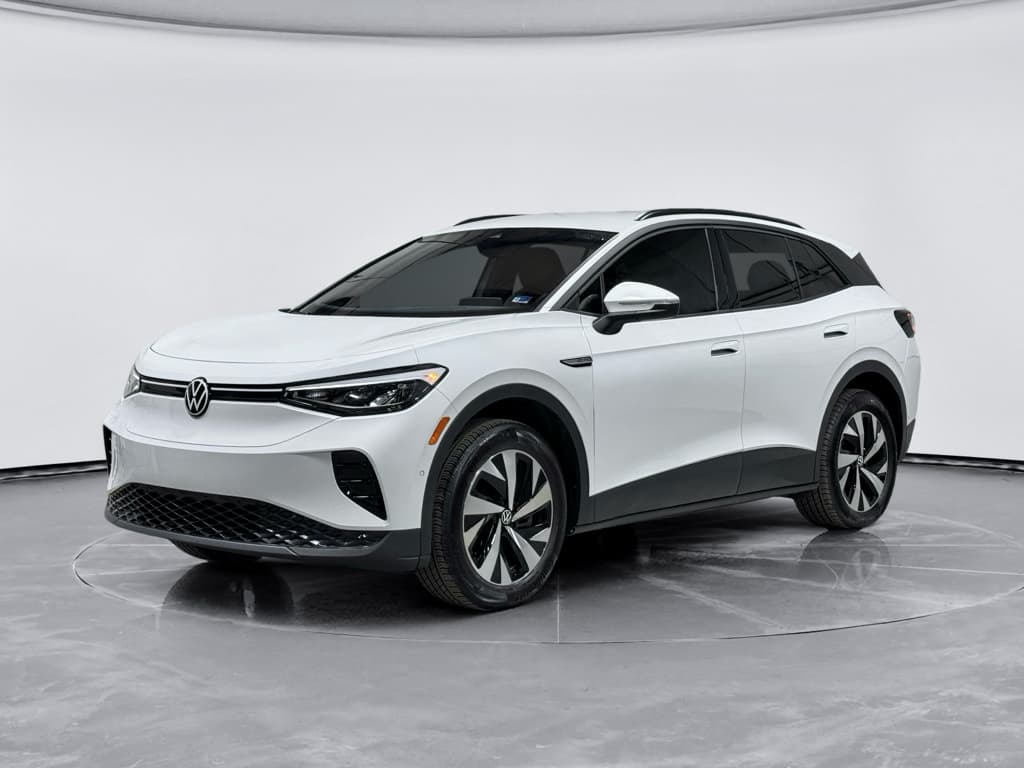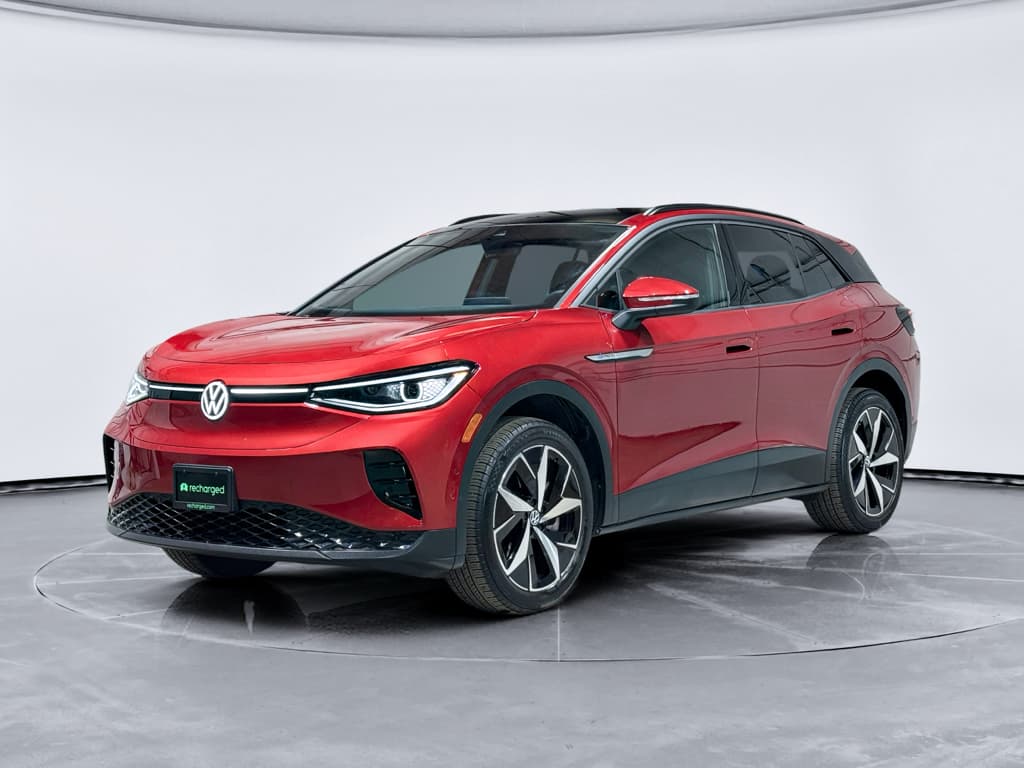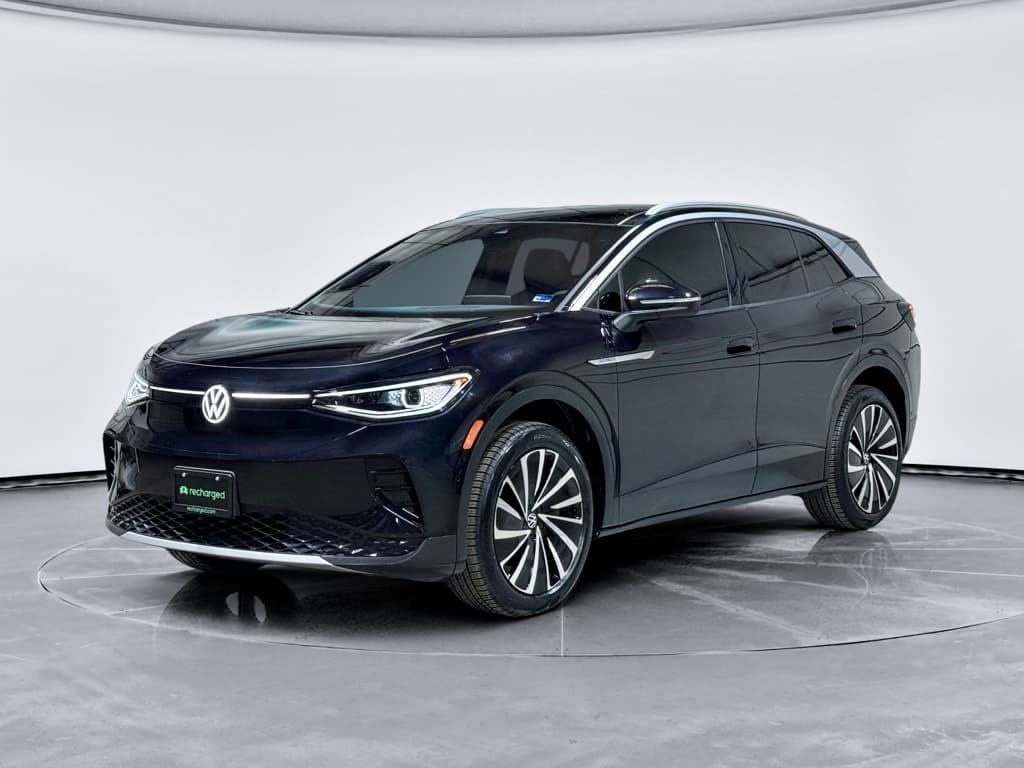
If you own a Volkswagen ID.4 or you’re thinking about buying one used, tire costs are one of the biggest ongoing expenses you’ll face. Between the ID.4’s weight, torque, and larger wheel options, tire replacement cost can surprise new EV owners. This guide breaks down what Volkswagen ID.4 drivers in the U.S. actually pay for new tires, how wheel size affects that bill, and how to save money without sacrificing safety or range.
Quick takeaway
Volkswagen ID.4 tire replacement cost at a glance
Typical Volkswagen ID.4 tire replacement ranges (2025, U.S.)
These ranges assume quality all‑season or EV‑appropriate tires on an SUV/crossover like the ID.4. Industry data for 2025 puts typical compact‑SUV tire sets in the $580–$1,160 window installed, and the ID.4 usually lands in the middle to upper half of that because of its heavier EV curb weight and larger wheel options.
Dealer prices run higher
ID.4 tire sizes and why they matter for cost
Before you can pin down your Volkswagen ID.4 tire replacement cost, you need to know which tire size you’re dealing with. The ID.4 uses several different wheel and tire setups depending on year and trim, and some have a staggered setup (different front and rear sizes) that limits your choices and raises prices.
Common Volkswagen ID.4 wheel and tire sizes (U.S. & Canada)
These are the OEM sizes you’ll see most often on 2021–2025 ID.4 models. Always confirm your exact size on the driver’s door jamb sticker or owner’s manual before ordering tires.
| Wheel size | Axle setup | Typical tire sizes | Notes for cost |
|---|---|---|---|
| 18-inch | Square (same front/rear) | 235/60R18 | Least expensive to replace; many mainstream SUV tire options. |
| 19-inch | Staggered on many trims | 235/55R19 (front), 255/50R19 (rear) | More expensive than 18"; staggered sizes reduce rotation options and tire choice. |
| 20-inch | Often staggered | 235/50R20 (front), 255/45R20 (rear) | Very common on Pro S/Statement trims; higher prices, fewer EV‑rated options. |
| 21-inch | Staggered | 235/45R21 (front), 255/40R21 (rear) | Most expensive to replace; performance‑oriented, limited selection and higher wear. |
Staggered setups (different front and rear sizes) typically cost more and offer fewer tire model choices.
How to confirm your ID.4 tire size
The jump from 18" to 21" doesn’t sound huge, but for an EV crossover those extra inches add up fast in real dollars. Larger, wider, higher‑load tires take more material and are often positioned as premium or performance products, which is why an ID.4 on 21" wheels can cost 30–50% more to re‑tire than the same vehicle on 18" wheels.
How much should you budget for ID.4 tire replacement?
Let’s get more specific. Here’s a realistic breakdown of Volkswagen ID.4 tire replacement cost in the U.S. in 2025, assuming you’re buying a full set of four tires.
Typical ID.4 tire replacement ranges by wheel size & quality tier
Approximate out‑the‑door prices for four tires, including mounting, balancing, and disposal at a tire shop or warehouse club.
18–19" wheels
- Budget brands: ~$550–$750
- Mid‑range (e.g., General, Kumho, Cooper): ~$700–$950
- Premium (e.g., Michelin, Continental, Pirelli): ~$900–$1,150
20" wheels (235/50R20, 255/45R20)
- Budget: ~$700–$900
- Mid‑range: ~$850–$1,150
- Premium or EV‑specific: ~$1,050–$1,350
21" wheels (235/45R21, 255/40R21)
- Budget (limited): ~$800–$1,050
- Mid‑range: ~$1,000–$1,300
- Premium/ultra‑high‑performance: ~$1,200–$1,500
Labor typically adds $20–$40 per tire for mounting, balancing, new valve stems, and tire disposal. Taxes and road‑hazard warranties can tack on another $60–$150 depending on your state and which bundle you choose.
Quick budgeting rule
Dealer vs tire shop vs wholesale: where ID.4 owners save the most
Where you buy has almost as much impact on Volkswagen ID.4 tire replacement cost as which brand you choose. The same exact tire can vary by hundreds of dollars once you factor in markup, installation, and add‑ons.
Volkswagen dealership
- Pros: OEM‑approved tires, familiarity with ID.4, can bundle with other service.
- Cons: Often the highest price; fewer brand options; upsell pressure on alignments and add‑ons.
- Typical bill: $1,100–$1,600+ for four tires on 20–21" wheels.
Independent tire shop
- Pros: Wide brand selection, competitive pricing, experienced with SUVs and EVs.
- Cons: You must verify load rating and EV suitability yourself.
- Typical bill: $750–$1,250 for a set of four, depending on wheel size and brand.
Warehouse club / online + local install
- Pros: Strong pricing, frequent promotions, road‑hazard included, good for planning ahead.
- Cons: Booking lead time; narrower brand mix than a specialty shop.
- Typical bill: $700–$1,150, often the best value for mainstream all‑seasons.
Watch the fine print on "free tires for life"
How long Volkswagen ID.4 tires last and when to replace them
Cost is only half the story. You also need to understand how long ID.4 tires typically last so you can plan ahead. EVs tend to be heavier than comparable gas SUVs, and that extra weight, plus instant torque, can eat through tires faster if you’re not careful.
- Many ID.4 owners on 20" staggered tires report 20,000–30,000 miles before replacement, especially if the car sees a lot of highway or spirited driving.
- Drivers on 18" or 19" wheels with more sidewall and conservative driving can sometimes see 30,000–40,000 miles from a set.
- Ultra‑high‑performance summer tires, or cheap budget tires, may wear out more quickly than high‑quality all‑season or EV‑specific models.
Don’t run EV tires past the wear bars
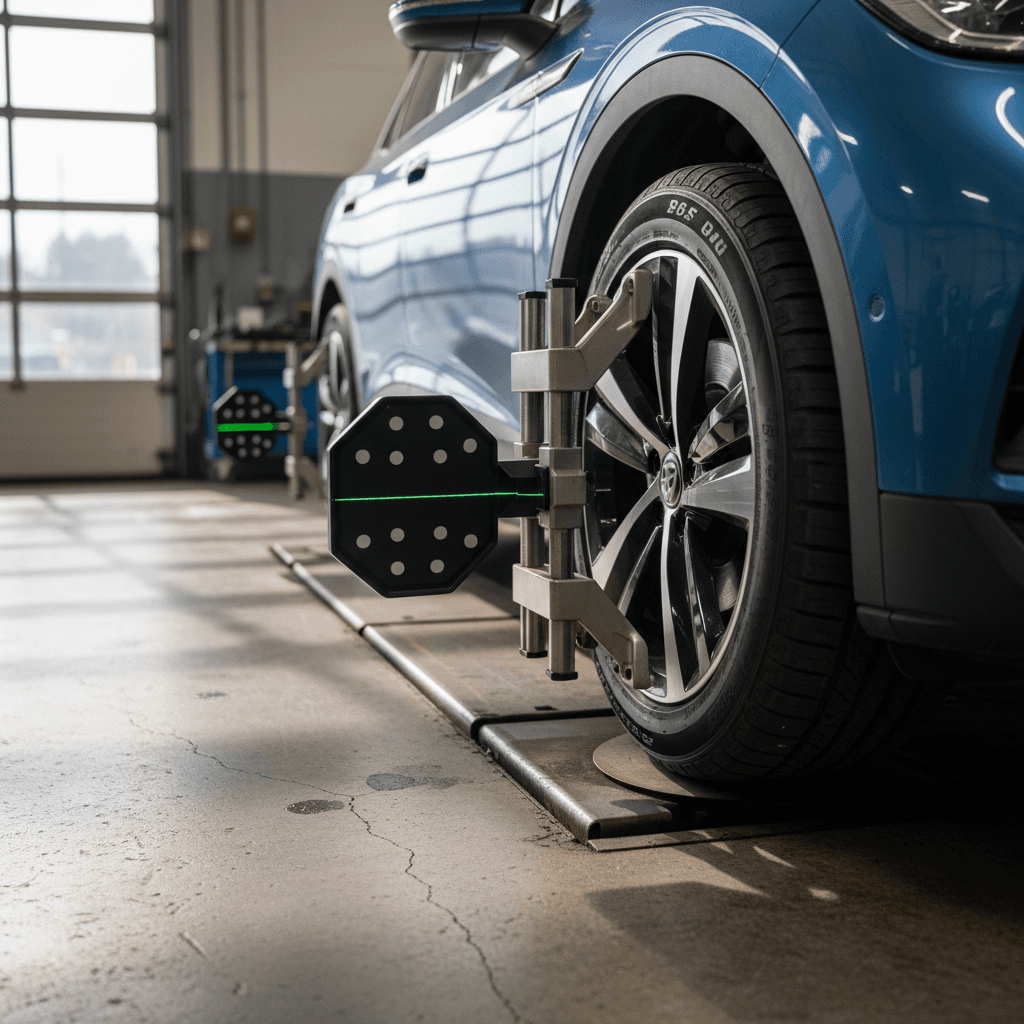
Beyond tread depth, you should plan to replace your ID.4’s tires when you notice uneven wear, cupping, vibration, or sidewall damage. An alignment check at each tire replacement, and anytime you hit a major pothole or curb, will help you get full life from your new set.
5 signs your ID.4 needs new tires
1. Tread depth at or below 4/32"
Use a tread‑depth gauge or the penny test. At that point wet‑weather and snow traction drop quickly on a heavy EV.
2. Noticeable loss of range in bad weather
If your ID.4 feels nervous or slides sooner in the rain than it used to, worn or hardened tires are often the culprit.
3. Vibration or pull at highway speeds
This can indicate tire imbalance, internal damage, or alignment issues. A shop can tell you if a tire is safe to keep running.
4. Visible sidewall cracks, bulges, or cords
Any structural damage to the sidewall is a reason for immediate replacement. Don’t wait on this, especially with EV weights.
5. Age over 6 years
Even if tread looks okay, rubber hardens over time. If your tires are six years old or more, ask a professional to inspect them.
7 ways to lower your Volkswagen ID.4 tire bill
You can’t change the fact that an ID.4 is a relatively heavy compact SUV, but you can absolutely influence what you pay at replacement. Here are practical ways to trim your Volkswagen ID.4 tire replacement cost without compromising safety.
Smart strategies to save on ID.4 tires
Mix and match these tactics to save hundreds over the life of your EV.
1. Consider downsizing when you replace wheels
2. Move from staggered to square
3. Shop promotions and bundles
4. Keep alignment in spec
5. Set realistic tire expectations
6. Use online retailers with local installers
Maintenance that pays off
EV‑specific tire tips for the ID.4
EV tires aren’t just marketing. The ID.4’s mass and instant torque mean you should pay attention to a few details that might not matter as much on a lighter gas crossover.
- Load index and XL rating: Make sure replacement tires match or exceed the ID.4’s original load index (often 104–107) and use XL (extra load) where specified. Underrated tires can overheat and wear rapidly.
- Rolling resistance: Low‑rolling‑resistance or EV‑specific tires can help you maintain range, especially in mixed city/highway use. Ultra‑sticky performance rubber improves grip but may cost you efficiency.
- Noise ratings: The cabin of an electric SUV is quiet, so tire noise stands out. Look for tires explicitly rated for low noise if you value refinement on long drives.
- Seasonal needs: If you see real winter, a dedicated set of winter tires on 18" or 19" wheels can protect your primary set from cold‑weather abuse and potholes while delivering far better traction.
Winter wheel‑and‑tire packages
Tire costs and used Volkswagen ID.4 ownership
If you’re shopping for a used Volkswagen ID.4, tires are an easy place to overlook several hundred, or even a thousand, dollars of near‑term expense. That’s especially true on higher‑trim models with 20" or 21" wheels.
Questions to ask when buying used
- How old are the tires? Check the DOT date code on the sidewall; anything older than five years is nearing the end of its safe life.
- What’s the tread depth? If the tires are already at 4/32", you’ll be paying for replacements soon.
- Are all four tires matching? Mixed brands or models can impact traction, stability systems, and wear.
- Any record of alignments or rotations? Regular care suggests you’ll see better life out of the current set.
How Recharged helps you avoid surprises
Every used EV sold through Recharged includes a Recharged Score Report that looks beyond battery health to give you a clear view of wear items like tires. You’ll see tread depth, tire age, and whether replacements are likely in the near future, so you can factor a potential $800–$1,200 tire bill into your total cost of ownership before you buy.
If you’re trading in an ID.4 with brand‑new tires, that can also support your vehicle’s value when you request an instant offer or consignment evaluation.
Volkswagen ID.4 tire replacement FAQ
Common questions about Volkswagen ID.4 tire costs
Bottom line: what Volkswagen ID.4 tire replacement really costs
Tires won’t make or break your decision to own a Volkswagen ID.4, but they are a meaningful part of the total cost of ownership, especially on higher‑trim models with 20" or 21" wheels. In today’s market, most owners will pay somewhere between $650 and $1,400 for a full tire replacement, depending on wheel size, brand, and where they buy. Treat that as a scheduled expense every 20,000–35,000 miles and you’ll be prepared when the time comes.
If you’re shopping for a used ID.4, factoring in tire condition up front can help you avoid a surprise four‑figure bill shortly after purchase. Recharged builds that reality into every Recharged Score Report, pairing verified battery health with honest wear‑and‑tear details like tire life and alignment history. That way, you’re not just buying an EV, you’re buying into predictable, transparent ownership.