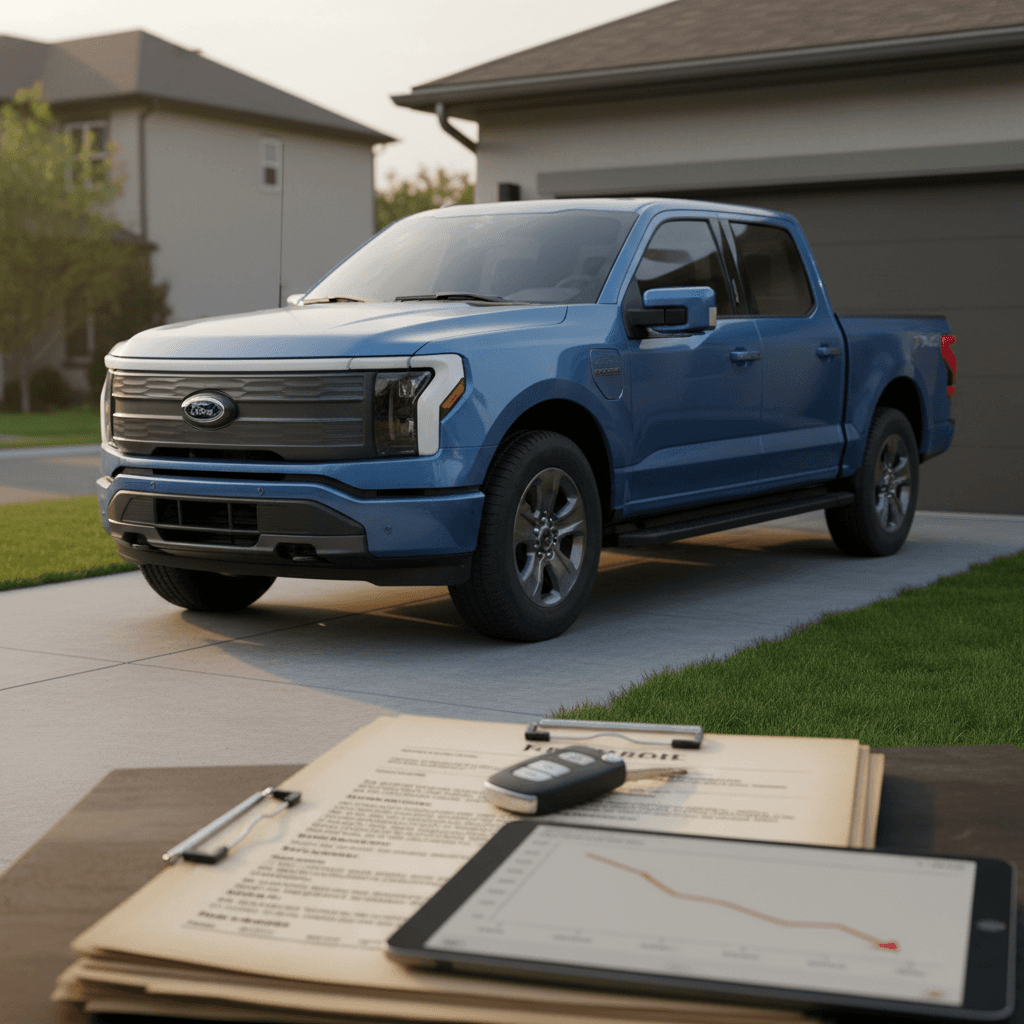
If you own a Ford F-150 Lightning, 2026 may be the year you finally ask, “What is this truck really worth now?” Early buyers paid eye-watering MSRPs, then watched Ford slash prices, pile on incentives, and ultimately wind down production of the all-electric Lightning. This guide walks you through Ford F-150 Lightning resale value in 2026 so you can decide whether to keep, trade, or sell your truck with clear eyes instead of guesswork.
2026 is a turning-point year
The 2026 resale picture for the F-150 Lightning
Ford F-150 Lightning resale at a glance (2026)
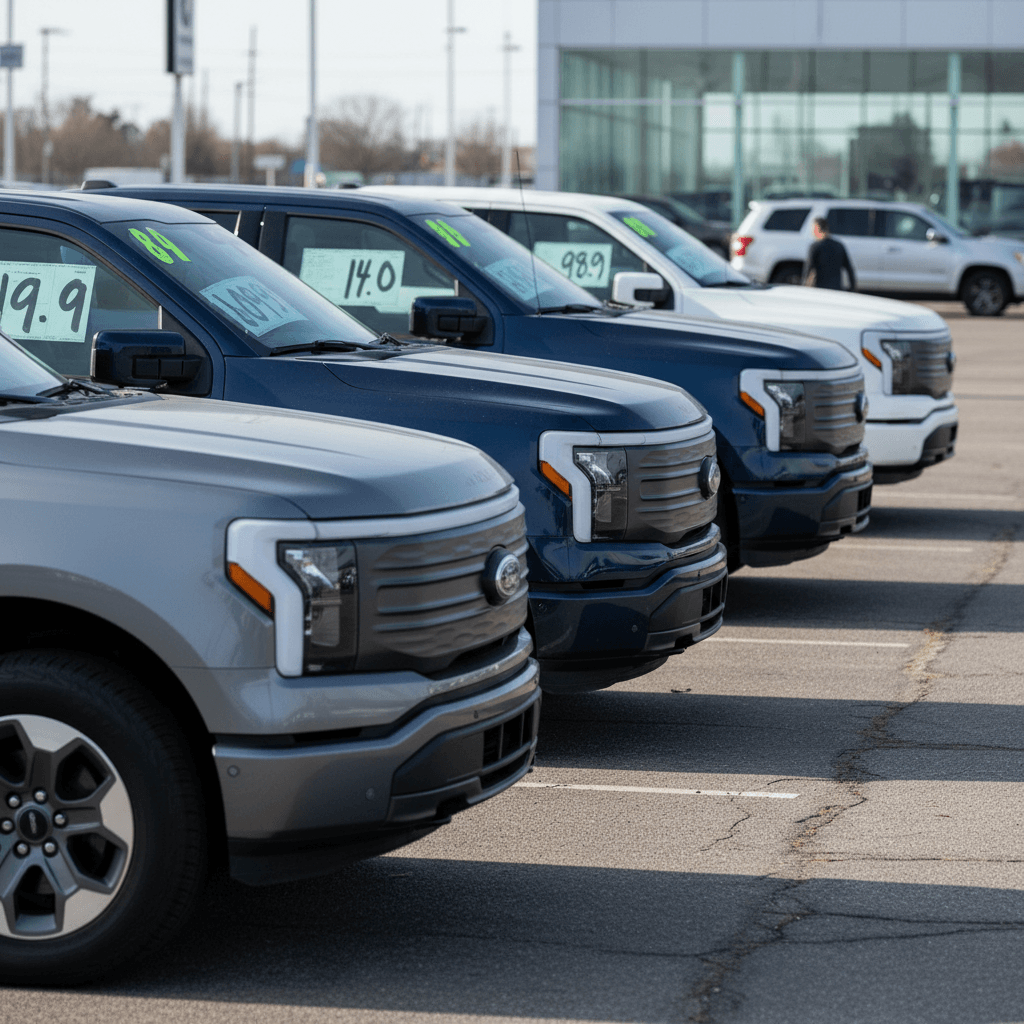
On paper, the F-150 Lightning’s resale story is a contradiction. Some valuation guides even handed it resale awards early on, while real‑world owners saw steep early depreciation as Ford discounting and incentives undercut original window stickers. By 2026, that free‑fall has slowed. Used prices have stabilized into a more predictable curve, but where you land on it depends heavily on when you bought, which trim and battery you have, and how you plan to sell.
Beware the “MSRP illusion”
How we got here: price cuts, incentives, and demand swings
2022–2023: The hype peak
- Early production and long waitlists pushed transaction prices close to or even above MSRP.
- Many buyers paid for pricey trims, Platinum and loaded Lariats, before serious competition arrived.
- Gas prices were high and EV enthusiasm was strong, which propped up values briefly.
2024–2025: Reality check
- Ford cut Lightning production targets and leaned into discounts and dealer incentives.
- Other electric and hybrid trucks came on strong, diluting the Lightning’s halo.
- By late 2025 Ford decided to end the current all‑electric Lightning, planning a range‑extended successor instead. That announcement reset buyer expectations again.
Layer in the changing federal EV credit rules and you get a choppy resale story. At various points, some trims qualified for the full new‑EV credit, some lost eligibility, and by late 2025 federal purchase incentives for both new and used EVs had started to phase out or vanish. That matters in 2026, because buyers no longer get a big tax break to offset your asking price, meaning your truck now has to stand on its own value.
What your F-150 Lightning might be worth in 2026
Used prices vary by region and condition, but by early 2026 there are clear bands where most trucks fall. Think of these as directional ranges for clean, average‑mileage examples, not quotes for your particular VIN.
Illustrative 2026 value ranges for used F-150 Lightnings
Approximate private‑party price bands in early 2026 for well‑kept trucks with typical mileage. Your actual value depends on condition, options, mileage, battery health, and local demand.
| Model year & trim | Typical mileage (2026) | Illustrative price band | Notes |
|---|---|---|---|
| 2022 Pro / XLT SR | 30,000–50,000 mi | $32,000–$42,000 | Fleet‑spec and lower‑range trucks; work use and visible wear can drag these lower. |
| 2022–2023 XLT ER / Flash | 20,000–45,000 mi | $40,000–$52,000 | Sweet spot for many buyers: extended range without luxury‑trim premiums. |
| 2023–2024 Lariat ER | 15,000–40,000 mi | $45,000–$58,000 | Heavier options and nicer interiors help, but only if condition is excellent. |
| 2023–2024 Platinum | 10,000–30,000 mi | $55,000–$68,000 | Top trims hold a bigger absolute dollar figure but still reflect strong early‑year depreciation. |
| Low‑mileage 2024 demo/loaner | Under 15,000 mi | $42,000–$60,000 | Values jump around depending on how dealers titled these trucks and what incentives were used. |
These are guideposts, not offers. Use them as a starting point before getting a VIN‑specific valuation.
Use guides as guardrails, not gospel
Trim, battery, and options: what really moves value
What buyers pay up for on a used Lightning
Not every option dollar comes back at resale time. Here’s what matters most in 2026.
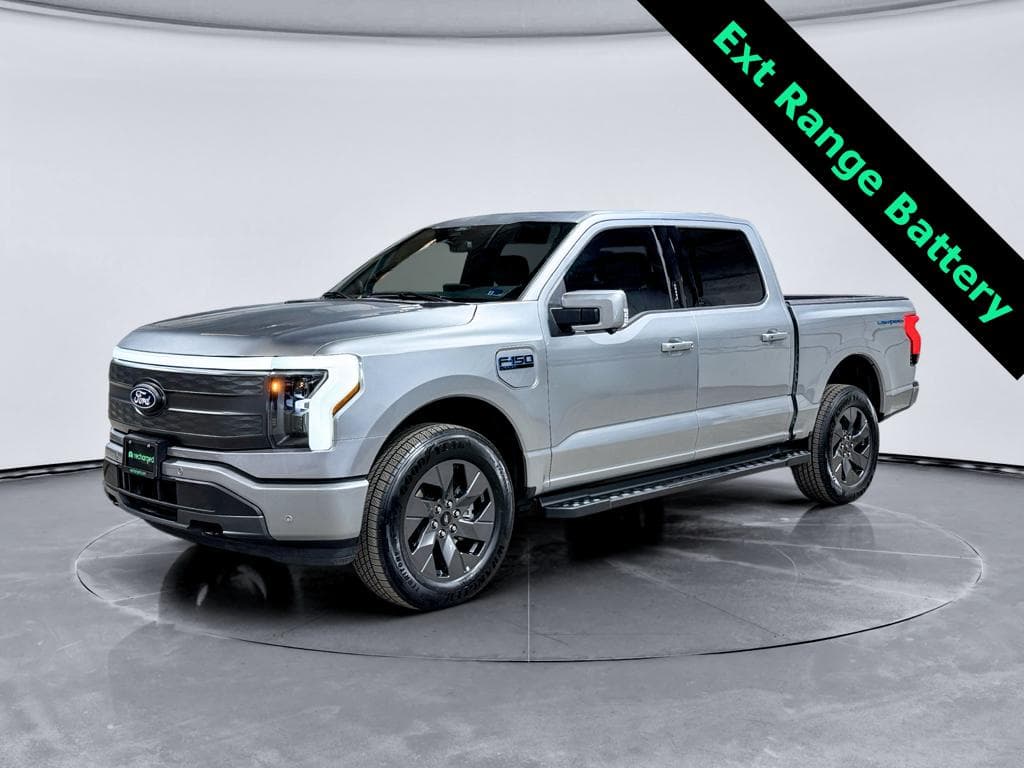
Extended‑range battery (ER)
In 2026, used truck shoppers care more about usable range and towing headroom than they did in 2022. ER trucks typically list and sell for noticeably more than standard‑range versions, especially in colder climates or truck‑heavy regions.
XLT / Flash sweet spot
Mid‑level trims like XLT ER and Flash often hit the best value curve. They have the tech and range buyers want without expensive luxury options that don’t fully pay back used.
Towing & cold‑weather packages
Packages that improve towing, add all‑terrain capability, or help in cold weather (like heat pumps and heated accessories) make your truck easier to sell in northern and mountain markets.
Features that usually help resale
- Extended‑range battery on any trim.
- Tow, Max Trailer, and off‑road packages with documented use and no abuse.
- Tech and safety packages (BlueCruise, 360° camera, premium audio) when they still function properly and are active.
- Neutral colors and clean, non‑smoker interiors.
Features that rarely return their cost
- Very high‑end wheels and appearance packages with curb rash or peeling finishes.
- Dealer add‑ons like wheel locks, paint sealant, or expensive bed accessories.
- Heavy aftermarket lifts or oversized tires that hurt range and ride.
- Cosmetic mods that narrow your buyer pool (wild wraps, loud graphics).
How battery health affects Ford Lightning resale value
For any used EV, battery health is the new odometer. A clean Carfax and low mileage are still important, but savvy 2026 buyers want proof that the Lightning’s big battery pack is aging gracefully. Even small differences in state of health can move prices up or down.
- Most first‑gen Lightnings are still within warranty in 2026, which provides a safety net, but buyers still discount trucks with signs of abuse or fast‑charging every day.
- A healthy pack with documented charging habits and service history helps your truck sell faster and closer to asking price.
- Trucks that towed heavy loads frequently, lived in extreme heat, or DC fast‑charged constantly may show more degradation and attract more cautious offers.
What’s in a Recharged Score for the Lightning
Market forces that could shift values next
Thinking about holding your Lightning a year or two longer? You’re not just betting on your truck, you’re betting on the whole EV truck segment. A few big forces will steer values through the rest of 2026 and beyond.
Key 2026 forces shaping Lightning resale
These are the headwinds and tailwinds to watch.
Ford’s pivot away from pure‑EV trucks
With the current Lightning discontinued in favor of hybrid and range‑extended trucks, used examples become orphans of a short production run. That can cut both ways, limited‑run vehicles sometimes hold value better, but parts costs and psychological "orphan" fears can push in the opposite direction.
Gas and electricity prices
If fuel prices spike again, the Lightning’s low operating cost versus a gas F-150 starts to matter more, supporting used values. If gas stays cheap and electricity costs climb, the operating‑cost advantage narrows and some buyers may rethink a full‑EV work truck.
Policy and incentives
Many of the richest federal EV credits that helped support Lightning pricing have already sunset or been scaled back by late 2025. In 2026, don’t expect tax policy to rescue resale values. Values will be set mostly by real demand, not rebates.
The risk of chasing the market down
Getting an offer: trade-in versus selling your Lightning yourself
You’ve seen the value bands; now comes the hard part: turning those into a real number someone will write a check for. In 2026, you have three main paths, traditional dealer trade‑in, online instant‑offer buyers, and specialist EV marketplaces.
Dealer trade‑in
- Pros: Fast, simple, one‑stop transaction if you’re buying something else from the same store.
- Cons: Dealers often treat the Lightning like a regular F-150 with an asterisk, building in extra caution for unknown battery health and soft EV demand.
- Best for: Owners who value convenience over squeezing every last dollar out of the truck.
Specialist EV marketplace (like Recharged)
- Pros: Buyers come specifically for EVs, and Recharged backs every truck with a Recharged Score battery report and fair‑market pricing data.
- Cons: May take a bit more time than dropping it at a local dealer, especially if you pursue a consignment or marketplace listing instead of an instant offer.
- Best for: Owners who want a data‑driven valuation and access to national EV‑savvy shoppers.
Where Recharged fits in
Pricing strategy: how to price a used F-150 Lightning in 2026
Pricing a used Lightning feels trickier than a gas F‑150 because there’s less history and more emotion. The key is to ignore the noise, what you paid, what your neighbor says it’s worth, and work from the numbers in front of you.
Smart pricing steps for your Lightning
1. Start with multiple value sources
Pull trade‑in and private‑party estimates from at least two major valuation tools plus a specialist EV source. Treat them as a range, not a verdict.
2. Search real listings that actually move
Look for Lightnings similar to yours that show as "sold" or have disappeared from listings after a short time. Active but aging listings are often overpriced.
3. Adjust for your truck’s story
Low mileage, clean history, and documented charging habits justify the top of the range. Heavy towing, lots of DC fast‑charging, or cosmetic damage push you toward the bottom.
4. Decide your speed vs. price trade
If you need to sell fast, undercut comparable listings by a small but noticeable margin. If you have time, price in the middle of the pack and be ready to negotiate.
5. Revisit after 30 days
If solid buyers aren’t biting after a month, the market is giving you feedback. Drop the price in clear, deliberate steps rather than tiny, weekly tweaks no one notices.
How Recharged evaluates F-150 Lightning resale value
At Recharged, the Lightning isn’t just another line in a pricing table. We treat it as what it is: a groundbreaking but imperfect first‑generation electric pickup with a complicated market history. That’s why every Lightning we buy, sell, or list comes with a Recharged Score Report that digs well beyond the odometer.
Inside a Recharged Lightning valuation
Four pillars we use to build a fair number.
Vehicle history
Title status, accident history, recall status, and how the truck was used (personal vs. fleet, off‑road, heavy towing).
Battery & charging
Pack health, fast‑charge vs. home‑charge balance, thermal history, and how the truck’s real‑world range compares to similar Lightnings.
Market comps
Live nationwide listings, recent auction results, and regional demand patterns for different trims and model years.
Fair‑market positioning
We place your truck in a band that makes sense for both sides, attractive to buyers, and transparent and data‑backed for you as the seller.
Ready to find your next EV?
Browse VehiclesThinking about trading for another EV?
Checklist: steps to maximize your Lightning’s resale value
Do this before you list or trade your Lightning
Document everything you can
Gather service records, software update receipts, accessory invoices, and charging history screenshots. A thick, organized folder builds trust.
Get a battery health report
Whether through Recharged or another EV‑savvy shop, a clear battery health snapshot reassures buyers and can justify a stronger asking price.
Fix the easy stuff first
Repair curb rash on wheels, address obvious dings, replace cracked glass, and handle any dashboard warning lights before anyone appraises the truck.
Detail inside and out
A professional detail, especially on a work truck, pays off. Clean, odor‑free interiors matter even more to EV buyers who expect a near‑new feel.
Be honest about towing and use
If you towed regularly or used the truck for work, say so, and show that you maintained it accordingly. Surprises kill deals; honesty keeps them alive.
Shop your offer
Get at least one dealer trade‑in quote, one online instant offer, and one EV‑focused valuation (like Recharged). Knowing the spread helps you pick the right path.
FAQ: Ford F-150 Lightning resale value in 2026
Frequently asked questions
Bottom line: should you keep or sell your Lightning in 2026?
The Ford F-150 Lightning’s resale story has been anything but boring. Early hype, sharp price cuts, shifting incentives, and now the end of production have all left owners wondering if they’re driving a future classic, a cautionary tale, or something in between. In 2026, the smartest move is to ignore the drama and focus on fundamentals: what your truck is objectively worth today, how it fits your life, and whether another vehicle would serve you better.
If your Lightning still does exactly what you need, range, towing, hauling, home backup power, and you’re not itching for a hybrid or range‑extended replacement, keeping it and enjoying the low running costs can be a very rational choice. If you’re staring at a payment that feels heavy, or your needs have changed, now is a good time to study the forecast, get a Recharged Score valuation, and compare instant offers, trade‑in options, and marketplace listings.
Either way, don’t fly blind. Use the ranges and strategies in this 2026 Ford F-150 Lightning resale value guide as your compass, then let real offers, and your own plans for the next few years, tell you whether it’s time to double down on your Lightning or cash out and plug into something new.