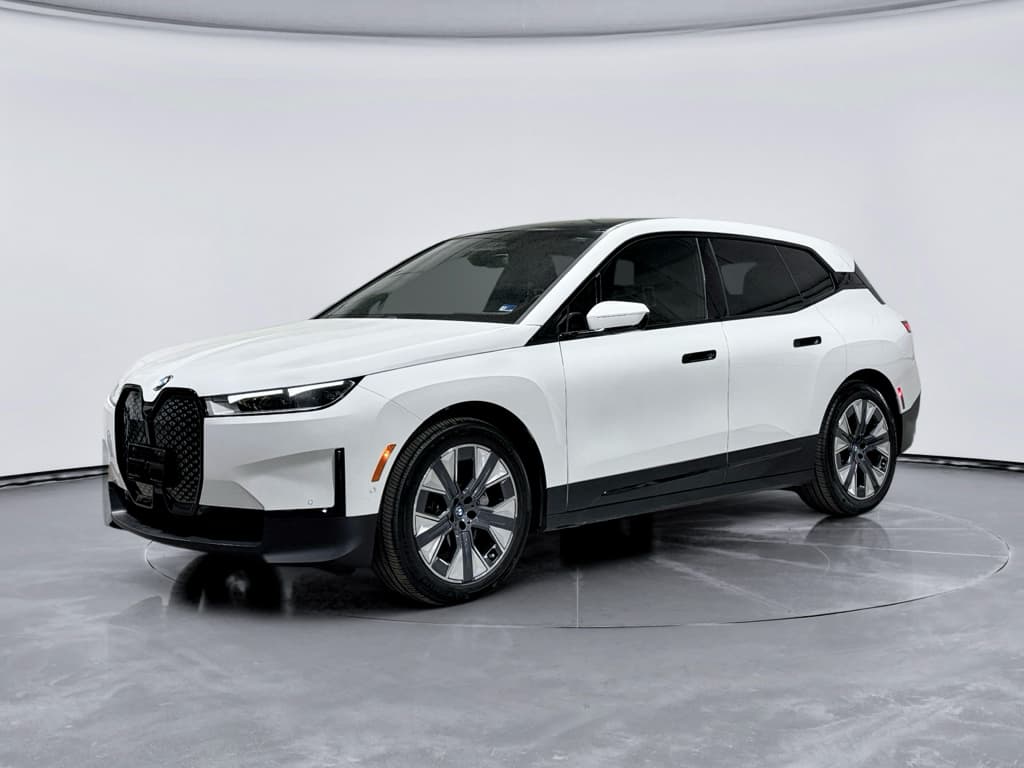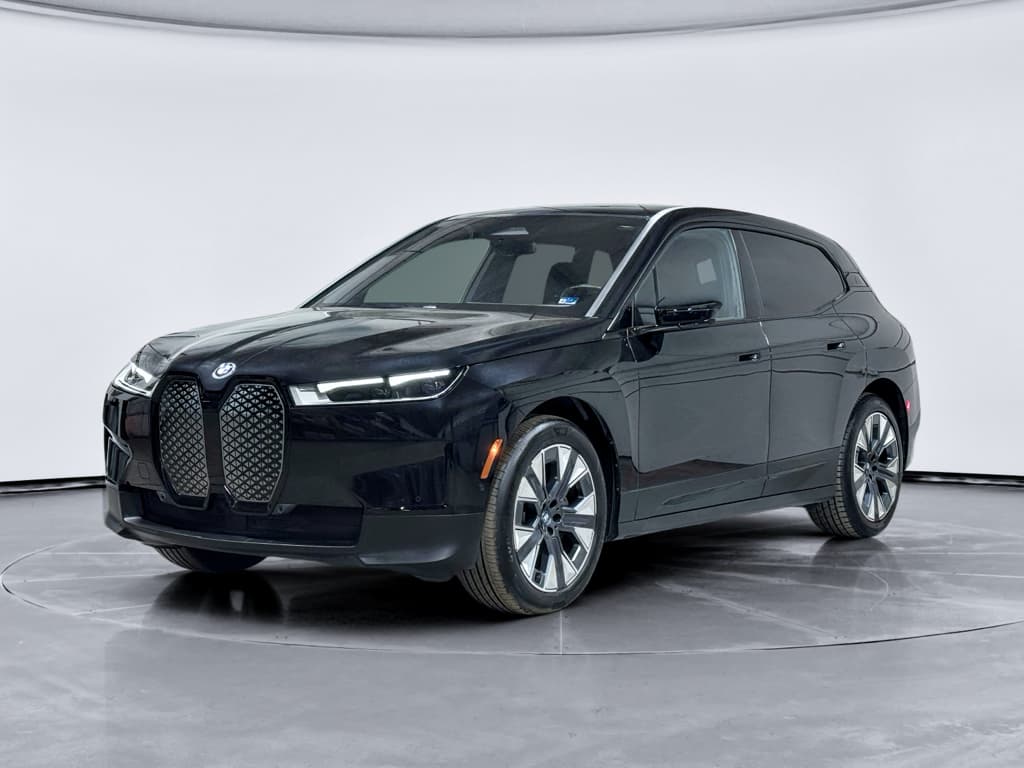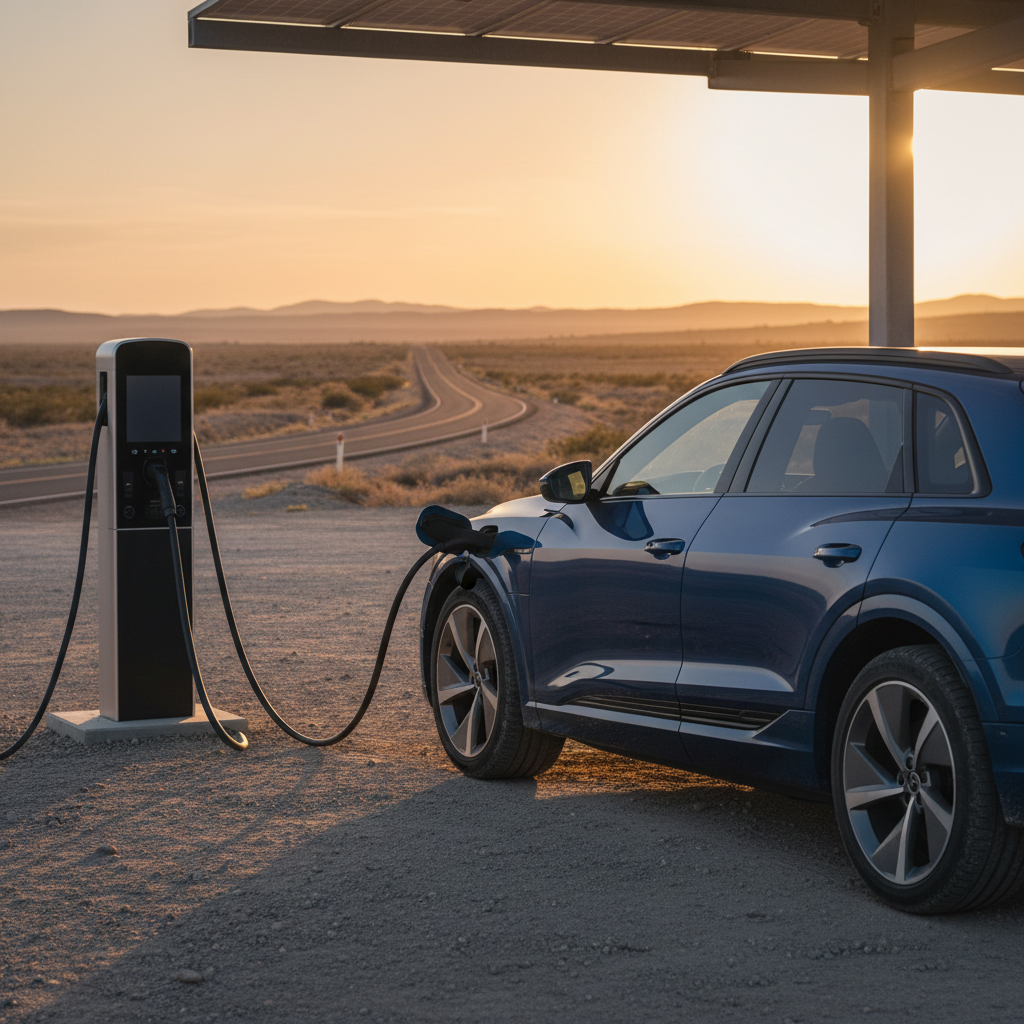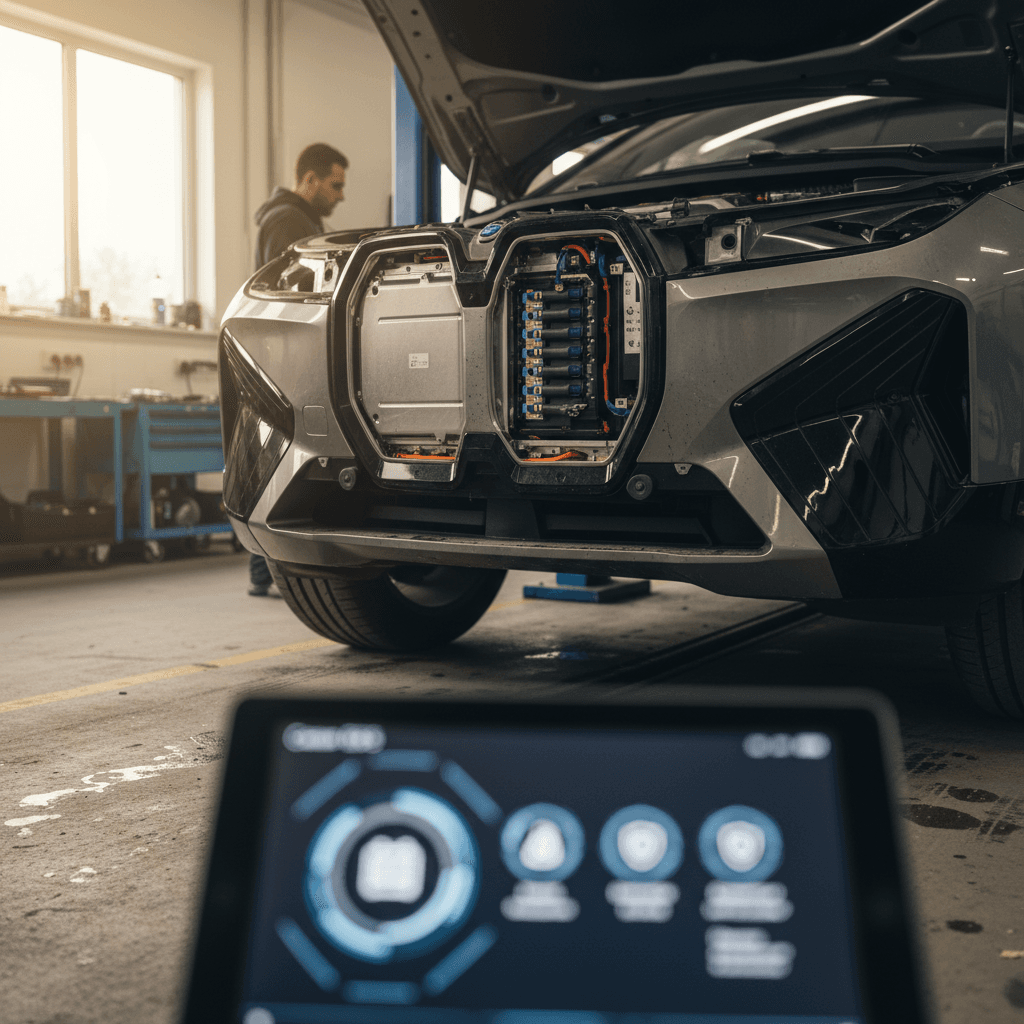
If you’re shopping a BMW iX, you’re really shopping its battery. It’s the single most expensive component in the car, and naturally the question is: what does the BMW iX battery warranty actually cover? Between the 4‑year new‑vehicle warranty, the 8‑year high‑voltage warranty, CARB rules, and new capacity‑loss guarantees, the fine print can feel like a law school exam.
Short answer
BMW iX battery warranty at a glance
Core BMW iX warranty numbers
The BMW iX sits under the same basic umbrella as other modern BMW EVs: a 4‑year / 50,000‑mile New Vehicle Limited Warranty paired with a dedicated high‑voltage (HV) battery warranty that runs 8 years / 100,000 miles from the original in‑service date. That HV coverage focuses on defects in materials or workmanship, and on some model years, excessive capacity loss as well.
Model year matters
How long the BMW iX battery warranty lasts
BMW doesn’t reinvent the wheel for the iX; it largely follows the pattern it uses on the i4 and i5. Here’s the time‑and‑miles picture most U.S. shoppers will actually live with:
BMW iX core warranty timelines (U.S.)
Approximate coverage periods for a U.S.‑market BMW iX. Always confirm your specific vehicle’s booklet for exact terms.
| Coverage type | What it applies to | Length (time) | Length (miles) |
|---|---|---|---|
| New Vehicle Limited Warranty | Most components: electronics, motors, HVAC, suspension, interior trim, etc. | 4 years | 50,000 miles |
| High‑Voltage Battery Defect Warranty | HV battery pack assembly (cells, modules, housing, internal BMS hardware) for defects in materials/workmanship. | 8 years | 100,000 miles |
| Roadside Assistance (typical) | Towing, lockout, flat‑tire help; not a repair warranty. | 4 years | Unlimited miles |
| Rust Perforation | Body rust that perforates from the inside out. | 12 years | Unlimited miles |
Coverage starts on the original in‑service date (first retail sale, demo, or company car use) and the earlier of years or miles wins.
Those 8 years and 100,000 miles are not on top of the 4/50 new‑vehicle warranty, they run in parallel. Think of the new‑vehicle warranty as the broad umbrella, and the HV battery warranty as a longer, narrower umbrella that stays open just over the battery once the general coverage times out.
The countdown never pauses
What the BMW iX battery warranty actually covers
Under the high‑voltage battery warranty, BMW is promising two broad things: that the hardware won’t be defective, and, on many late‑model EVs, that the capacity won’t fall below a certain State of Health (SoH) threshold before the time/mileage limit.
Two pillars of BMW iX battery coverage
Defects in hardware and (on many newer EVs) excessive capacity loss.
1. Defects in materials or workmanship
This is the traditional warranty promise. If the high‑voltage battery assembly has a manufacturing defect, not damage from outside causes, BMW will repair or replace it.
- Cracked or leaking modules due to internal faults.
- Internal contactor or relay failures.
- Defective internal battery sensors or wiring harnesses.
- Battery pack housing defects that weren’t caused by impact or corrosion from neglect.
The key word here is defect, not wear‑and‑tear or abuse.
2. Excessive capacity loss (SoH)
Modern BMW EVs, including the iX, layer on a capacity‑loss protection: if the pack’s State of Health drops below a specified percentage before 8 years / 100,000 miles, BMW can repair or replace components to restore capacity above that line.
On recent BMW EVs, that threshold is typically around 70–75% SoH. The exact figure and test procedure live in the warranty booklet and dealer diagnostic systems.
In practice, most iX battery warranty work you’ll ever hear about falls into one of three buckets: a module replaced under defect warranty, a full pack replacement for a confirmed internal failure, or a capacity‑loss case where the car’s measured SoH has slipped below the contractual floor.
What isn’t covered: common misunderstandings
The piece that trips people up is the gap between disappointing and defective. The warranty is there for genuine failures, not every outcome you might wish for in year seven.
- Normal, gradual range loss above the capacity‑loss threshold. Losing, say, 10–20% range over many years is expected and not automatically a warranty event.
- Damage from accidents or road impacts, a battery pierced by road debris, curb strikes, or off‑roading mishaps typically falls under insurance, not warranty.
- Water intrusion from flooding or driving through deep standing water, unless BMW confirms it resulted from a covered defect in sealing.
- Aftermarket modifications to cooling systems, pack mounting, or high‑voltage wiring, which can void coverage related to those changes.
- Abuse and neglect, like repeatedly ignoring critical warnings, bypassing cooling protections, or using unauthorized repairs.
Fast‑charging isn’t “abuse”
CARB states vs non‑CARB: how coverage changes
If your iX was first sold and registered in a so‑called CARB state (California and a group of states that adopt California emissions rules), the HV battery can enjoy longer coverage as an emissions component. That’s because regulators treat the battery as part of the car’s emissions system, the cleaner it runs, the happier they are.
Non‑CARB state iX
- Standard BMW New Vehicle Limited Warranty: 4 yrs / 50,000 mi.
- HV battery defects warranty: typically 8 yrs / 100,000 mi.
- Capacity‑loss coverage: often written into the HV battery terms, but still within that 8/100 envelope.
- No extra legal emissions warranty beyond federal minimums.
CARB‑state iX
- Same 4 yrs / 50,000 mi new‑vehicle warranty.
- Additional emissions warranty on designated components, including the HV battery and related electronics.
- On some plug‑in and EV models, that can stretch up to 10 yrs / 150,000 mi for the traction battery as an emissions device.
- Exact terms vary by model year and state, so you must read the emissions warranty pages for the specific VIN.
Check where it was first registered
BMW iX capacity loss warranty and State of Health
Capacity‑loss coverage is where EV warranties have quietly grown up. BMW, like other OEMs, now talks about the battery’s State of Health (SoH), a percentage measure of usable capacity relative to when the pack was new. Instead of promising you’ll never lose range (impossible), they draw a line in the sand.
How BMW thinks about iX battery capacity
1. The pack will age
Every lithium‑ion pack loses some capacity over time. BMW’s warranty acknowledges this is normal; the promise only kicks in if the pack ages <em>faster than they consider acceptable</em>.
2. BMW defines a floor
For recent BMW EVs, that floor is typically around <strong>70–75% SoH</strong>. If your iX drops below that level within the time/mile window, it’s a potential warranty event, not before.
3. SoH is BMW’s number, not yours
You can estimate SoH with third‑party apps, but for warranty purposes, BMW relies on <strong>its own diagnostic tests</strong>. Your screenshot is a conversation starter, not the final verdict.
4. Fixes may be surgical
If one module has drifted badly, BMW may replace that module instead of the entire pack, as long as doing so restores capacity above the warranty threshold.
5. Driving habits still matter
Lots of DC fast charging, high‑speed driving, and hot‑climate use can nudge SoH down faster, even if it never crosses the warranty line. The warranty protects you from defects, not from all consequences of your lifestyle.
Use the iX’s own SoH display
New vs used BMW iX: how the battery warranty transfers
The good news: BMW’s HV battery warranty is tied to the car, not the first owner. If you buy a used iX that’s still within the 8‑year / 100,000‑mile window (or the longer CARB emissions window, where applicable), you inherit the remaining coverage.
BMW iX battery warranty by purchase scenario
How coverage usually looks whether you buy new, used, or BMW Certified.
New iX from a BMW dealer
Simple case:
- Full 4 yrs / 50k mi new‑vehicle warranty.
- Full 8 yrs / 100k mi HV battery warranty (or longer CARB coverage where applicable).
- Option to add extended service contracts for non‑battery items.
Used iX, non‑certified
Buying from an independent dealer or private seller:
- You get whatever remains of the original warranties by time and miles.
- No reset or extension, but BMW still honors valid claims.
- You’re responsible for proving in‑service date and mileage; service advisors can look this up.
BMW Certified Pre‑Owned iX
CPO adds a separate limited warranty after 4 yrs / 50k mi, typically for 1 year with unlimited miles, and in some programs longer.
The HV battery warranty term doesn’t reset, but CPO rules may include their own State of Health minimums and extra inspections, which is good news if you’re nervous about degradation.
Where Recharged fits in
Ready to find your next EV?
Browse VehiclesHow BMW verifies a battery warranty claim
Let’s say your range has fallen off a cliff, or the car is throwing high‑voltage fault codes. How does BMW decide whether you’re inside the lines of the warranty, or on your own nickel?
Typical steps in a BMW iX battery warranty evaluation
1. Confirm warranty eligibility
The dealer checks your iX’s in‑service date, mileage, and the exact warranty booklet associated with your VIN. They’ll verify whether you’re under the 4/50, the 8/100 HV window, and, in CARB states, any extended emissions coverage.
2. Read fault codes and freeze‑frame data
Technicians pull DTCs (diagnostic trouble codes) from the HV system. Persistent cell‑voltage imbalance, isolation faults, or internal failures are much stronger warranty candidates than a one‑off fast‑charging error.
3. Run BMW’s official battery test
To judge capacity loss, the dealer runs a <strong>factory‑approved HV battery capacity test</strong>. This may involve controlled charging/discharging cycles and temperature‑controlled measurement. BMW’s test result, not a consumer app, is what counts.
4. Rule out external damage
They’ll inspect the pack housing and underbody for impact damage, flood exposure, or signs of non‑authorized repairs. If they find evidence of accident damage or modifications, warranty coverage can get complicated fast.
5. Repair or replace to spec
If the pack fails the defect or capacity criteria, BMW will typically authorize replacing affected modules or, in more severe cases, the entire pack. The replacement part continues under whatever warranty balance remains, not a fresh 8‑year term.
Documentation is your friend
Real‑world strategy: should the warranty scare you?
BMW’s iX battery warranty is not wildly generous, but it’s also not the villain of the story. It broadly matches the EV pack coverage you’ll see from Tesla, Mercedes‑Benz, Audi, and Hyundai–Kia. The bigger swing factor in your ownership costs won’t be a mysterious pack failure at year nine; it’ll be the condition of the specific iX you buy and how you use it.
If you’re buying new
- Plan to enjoy the car with effectively full coverage on almost everything for the first 4 years / 50k miles.
- Assume the HV battery is very unlikely to cause drama in that window unless there’s a clear defect.
- Think realistically about how long you tend to keep cars. If you usually swap out in 5–6 years, you’ll spend almost your entire tenure inside the HV warranty anyway.
If you’re buying used
- Focus on current battery health, not just years and miles left. A 5‑year‑old iX at 82% SoH is a very different asset from one at 69%.
- Use tools like the Recharged Score to see measured battery State of Health rather than guessing from dash range alone.
- Price in the risk: a cheap iX with vague battery history isn’t really cheap if you’re the one who discovers a marginal pack after the warranty expires.
Leverage financing and protection together
BMW iX battery warranty FAQ
Frequently asked questions about the BMW iX battery warranty
Bottom line on the BMW iX battery warranty
The BMW iX battery warranty is neither stingy nor heroic. It’s a solid, middle‑lane promise: 8 years / 100,000 miles of defect coverage on the high‑voltage pack, with added capacity‑loss protection and, in many CARB‑state cases, even longer emissions‑driven guarantees. The real trick for you as a buyer is separating the legal safety net from the lived reality of a specific car: its State of Health, previous charging habits, and local climate.
If you’re buying new, that warranty window is so wide you’re more likely to get bored of the iX’s lounge‑like interior before the battery gives you significant grief. If you’re buying used, the move is to insist on data: documented remaining warranty, objective SoH measurements, and a seller willing to be transparent. That’s exactly why Recharged bakes verified battery health into every listing and backs it with specialist support, financing, and nationwide delivery. A big EV like the iX deserves a big‑picture view of its battery; once you have that, the warranty becomes what it should be, reassurance, not a roll of the dice.