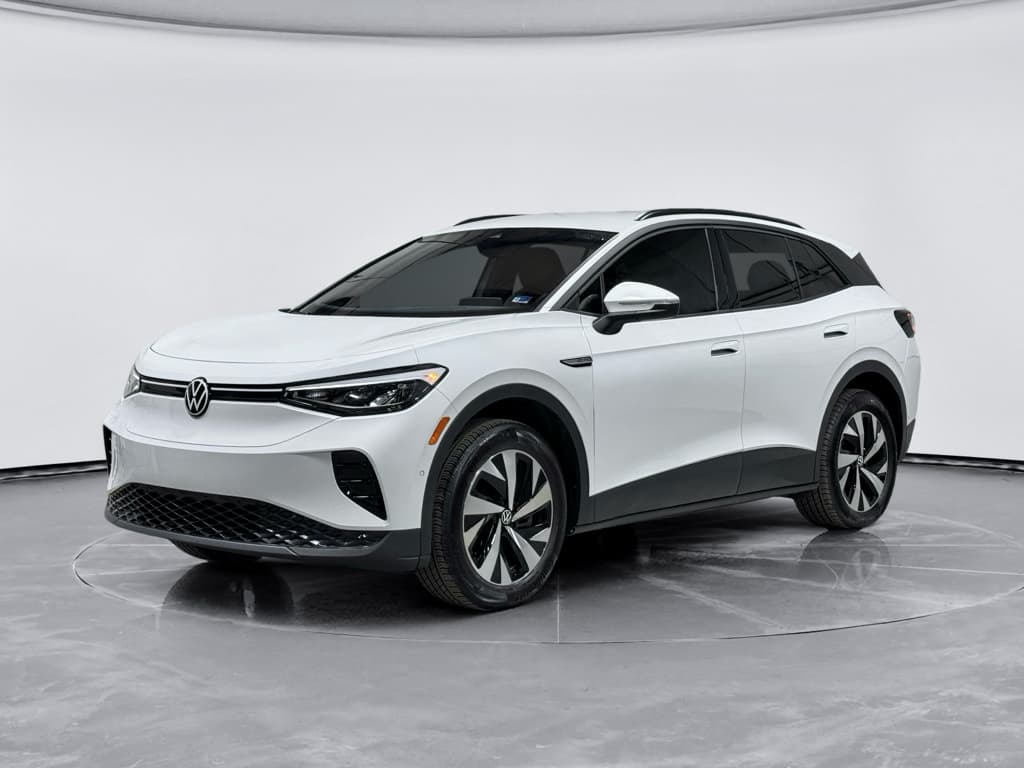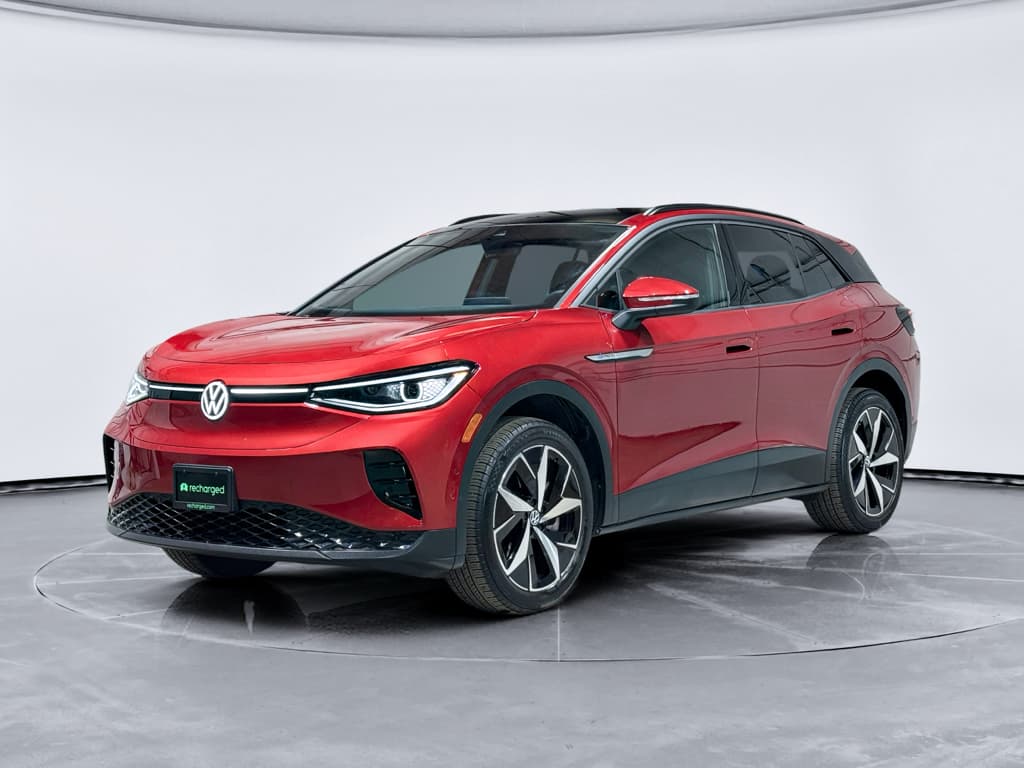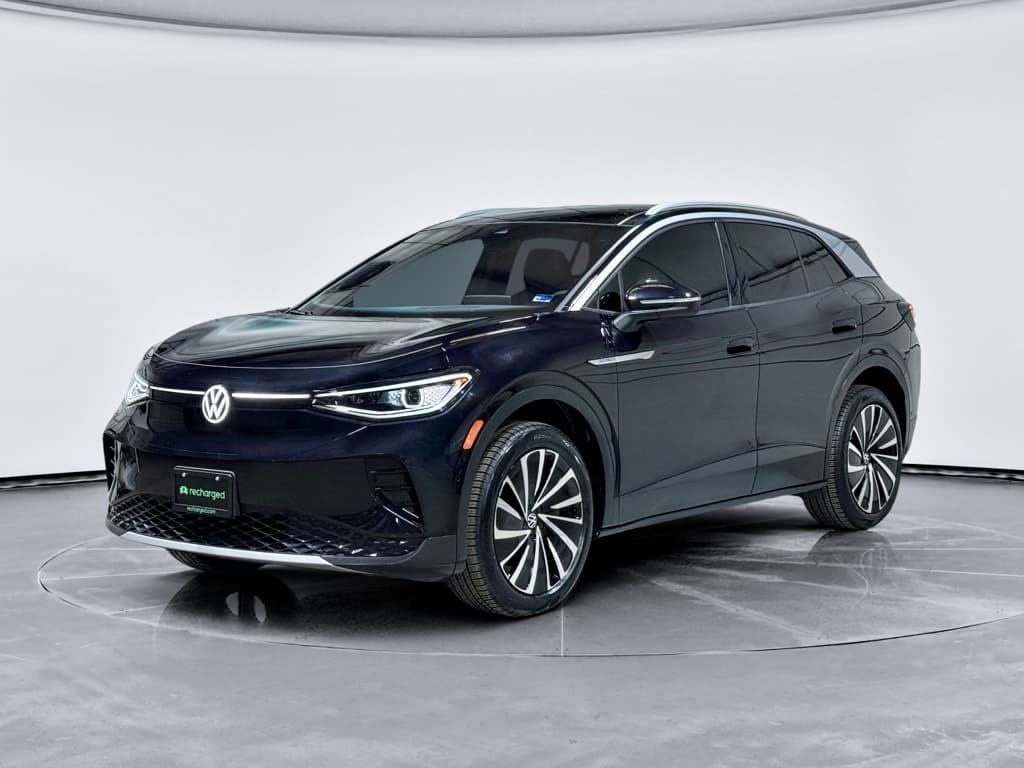
If you own a Volkswagen ID.4, 2026 is a turning point. Early cars are rolling off lease, more used inventory is hitting the market, and EV prices have deflated from the pandemic bubble. That’s great if you’re buying, unsettling if you’re selling. This 2026 Volkswagen ID.4 resale value guide walks you through what your ID.4 is realistically worth, how depreciation works on this model, and what you can do right now to protect every last dollar of value.
Context: EVs are still depreciating faster than gas cars
Why Volkswagen ID.4 resale value matters in 2026
Resale value is where the optimistic EPA range stickers and slick marketing meet reality. You might love how your ID.4 drives, but the total cost of ownership is dominated by what happens when you sell it. In a world where EV incentives changed in 2025 and new‑car prices jumped around, understanding resale is how you avoid being the last one holding the bag.
Volkswagen ID.4 value snapshot for 2026
These aren’t theoretical spreadsheet numbers. They’re what you feel when you try to trade your 2021 Pro S on a new car and the dealer’s offer makes your eyebrows climb into the A‑pillars. The good news is that the ID.4’s value story is surprisingly rational: consistent, predictable, and very sensitive to spec, mileage, and condition.
How the VW ID.4 depreciates from 2021–2025
The ID.4 launched into a market that has already changed several times. Early cars were constrained and expensive; later, EV demand cooled, incentives shifted, and values corrected. By 2026 we finally have a clear picture of how this compact SUV actually ages in the used market.
Typical Volkswagen ID.4 depreciation in 2026
Approximate private‑party value retention versus original MSRP for U.S.‑market ID.4s, assuming average mileage and clean condition.
| Age of ID.4 in 2026 | Model years | Approx. value vs. original MSRP | Market notes |
|---|---|---|---|
| 1–2 years old | 2024–2025 | ~70–75% | Newest hardware, higher MSRP; values supported by battery warranty and demand for long‑range EV SUVs. |
| 3–4 years old | 2022–2023 | ~55–65% | Sweet spot for value buyers; many off‑lease cars, noticeable but not catastrophic EV‑typical depreciation. |
| 5 years old | 2021 | ~35–40% | First‑year quirks, shorter real‑world range vs. newer EVs; still appealing with intact battery warranty. |
| 6+ years old | 2020 (EU only) | ~30–35% | Early‑build cars; in the U.S. you’re mostly looking at 2021+ vehicles. |
Percentages are directional, not appraisals. Your specific vehicle may sit above or below these ranges.
Don’t anchor on pandemic‑era prices
Most analyses put the ID.4’s 5‑year depreciation around 60–63%. That’s steeper than many gas crossovers, but par for the course among non‑Tesla EVs. The upside: because the fall from new has already happened, a well‑bought used ID.4 in 2026 can be a relative bargain for second owners.
Resale value by trim, battery size, and drivetrain
Volkswagen did what Volkswagen does: lots of trims, small differences, and confusing badging. The used‑market penalty for that is that only a few configurations are truly sought after. The rest sell, but they don’t start bidding wars.
How key ID.4 configurations age in value
Which versions hold their own in the 2026 used market?
Pro / Pro S (82 kWh RWD)
Resale grade: B+
- Decent real‑world range and power.
- Simple rear‑drive layout appeals to commuters.
- Good mix of features vs. price; easy to sell if priced right.
AWD Pro / Pro S
Resale grade: A−
- Extra traction and power = broader appeal in snow states.
- Higher original MSRP, but used buyers will pay a bit more.
- Best combination of performance and practicality.
Standard / 58 kWh variants
Resale grade: C+
- Lower range hurts desirability in 2026.
- Often the cheapest way into an ID.4.
- Expect deeper discounts vs. long‑range trims.
Small battery vs. big battery on resale
Interior packages and cosmetic options matter, but not like powertrain. A Pro S with the right color and wheel combo might sell a bit faster, but the market is far more sensitive to range, drivetrain, and charging performance than to panoramic roofs and ambient lighting.
Factors that help or hurt your ID.4’s value
Things that help your ID.4’s resale value
- Battery health documentation showing strong state of health and fast‑charging behavior.
- Low to average mileage for age, think 10,000–13,000 miles a year, not 20,000.
- Clean service history with software updates and recalls handled promptly.
- Home charging history instead of exclusive DC fast‑charging use.
- Desirable spec: larger battery, AWD in cold‑weather states.
Things that drag your ID.4’s value down
- Accident history, especially airbag deployment or structural repairs.
- Heavy DC fast‑charging use without documentation of good battery health.
- Out‑of‑warranty status, especially on the high‑voltage battery.
- Cosmetic neglect: curb‑rashed wheels, worn interior, stains, smoke.
- Weird option mixes (base battery with big wheels, for example) that hurt range.
Battery warranty is your silent salesman
How much your Volkswagen ID.4 is worth in 2026
No single table can tell you what your specific car is worth, that requires looking at mileage, options, local demand, and current listings. But you can use some ballpark bands to sanity‑check offers and set expectations before you talk to a dealer or list it yourself.
Typical 2026 value ranges for U.S. Volkswagen ID.4s
High‑level private‑party price bands for clean, average‑mileage ID.4s in 2026. Local markets can and do deviate.
| Model year & type in 2026 | Approx. mileage | Typical private‑party range | What this usually buys you |
|---|---|---|---|
| 2025 Pro / Pro S (82 kWh) | <20,000 miles | $35,000–$42,000 | Near‑new hardware, long range, lots of warranty left. |
| 2023–2024 AWD Pro / Pro S | 20,000–40,000 miles | $28,000–$35,000 | Well‑equipped, winter‑friendly trims with strong demand. |
| 2022 Pro / Pro S (RWD) | 30,000–50,000 miles | $23,000–$29,000 | Core of the used ID.4 market: practical, well‑known quantity. |
| 2021 Pro / 1st Edition | 40,000–70,000 miles | $19,000–$24,000 | Early cars; good values if battery health checks out. |
| 2021–2023 Standard / 58 kWh | 30,000–60,000 miles | $17,000–$22,000 | Shorter‑range versions that appeal mainly on price. |
These are directional ranges, not offers. Use them as a starting point, then cross‑check with live listings and, ideally, a Recharged Score Report.
Trade‑in vs. private‑party: mind the gap
If you want something more precise than educated guesswork, a platform like Recharged can help anchor reality. We look at live market data, your exact VIN and options, true battery health, and your local demand to build a Recharged Score and pricing recommendations before you ever field a lowball offer.
How to maximize your ID.4 resale price
Pre‑sale checklist to boost your ID.4’s value
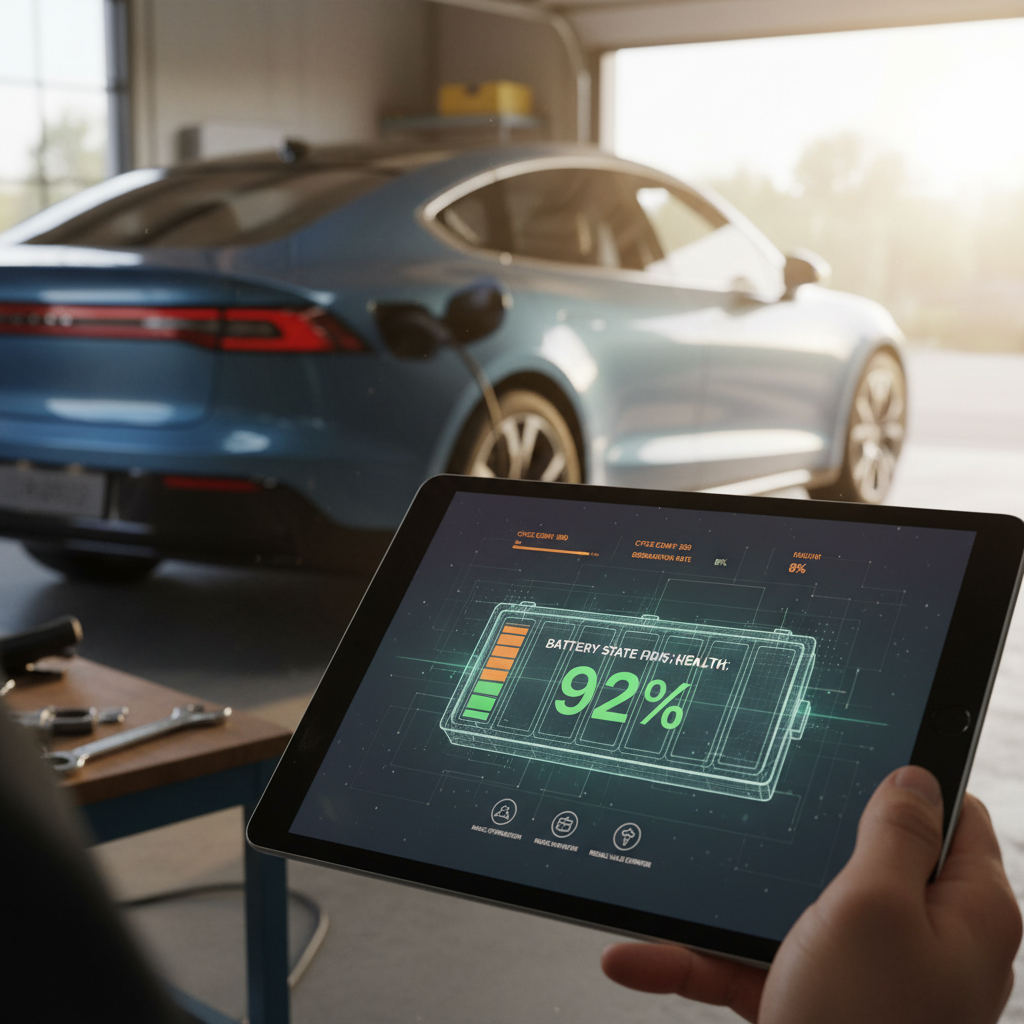
1. Get a battery health report
For EV shoppers, battery health is the new compression test. A diagnostic like the <strong>Recharged Score</strong> turns unknowns into a clean, confidence‑boosting number that justifies a better price.
2. Catch up on software and maintenance
Make sure all recalls, campaigns, and scheduled services are completed. Print or download records. Buyers and dealers both pay more for cars with clean histories and up‑to‑date software.
3. Present the car like a product, not a project
Have the ID.4 <strong>professionally detailed</strong>, fix obvious cosmetic issues, and include both key fobs, manuals, and charging cables. Small dollars spent here can add big dollars to your final sale price.
4. Price to the current market, not yesterday’s
Use recent, local ID.4 sales and listings, not 2022 Reddit threads, to set a competitive ask. If you’re getting zero calls, the market is telling you something.
5. Tell the story in your listing
Spell out home‑charging habits, typical commute, and how the car was used. "Garage‑kept, mostly home‑charged, second car" is a different story than "Uber workhorse." Buyers price stories, not just specs.
6. Consider consignment or instant offers
If you don’t want to manage test drives and tire‑kickers, platforms like <strong>Recharged</strong> can list your ID.4, handle the sale, or extend an instant offer, all with transparent EV‑specific pricing.
Where Recharged fits in
Ready to find your next EV?
Browse Vehicles
Buying a used ID.4 in 2026: smart move or bad bet?
From a purely rational perspective, 2026 is not a bad moment to become the second owner. Someone else already ate the big first‑owner depreciation; you step in once prices have cooled and the reliability picture is clearer.
Pros and cons of a used ID.4 in 2026
What you gain, and what you trade away, by buying used instead of new.
Why a used ID.4 makes sense now
- Big depreciation already baked in, especially on 2021–2023 models.
- Plenty of supply, so you can be choosy on spec, color, and history.
- Battery warranties still active on most cars you’ll see.
- Lower insurance and tax costs vs. buying new in many states.
Where you need to be careful
- Early‑build quirks and software gremlins on 2021s if updates were ignored.
- Unknown fast‑charging habits if the seller can’t document usage.
- Rapid tech progress, newer EVs offer better range and charging speeds.
- Incentive landscape changed; used EV credits aren’t what they were.
Don’t buy a used ID.4 blind
How Recharged values a used Volkswagen ID.4
Used EV pricing is not just "blue book and vibes." At Recharged, we treat an ID.4 like what it is: a rolling computer with an expensive energy-storage system bolted to the floor. That means going deeper than odometer and options.
- Battery health first. Our Recharged Score Report measures real battery condition and capacity, then compares it to similar ID.4s. A strong pack can justify hundreds or even thousands more in value.
- Fair‑market pricing, not guesswork. We pull live sales and listing data for ID.4s that actually sold, not just wishful thinking from stale ads.
- Trim‑ and region‑specific adjustments. AWD cars in Colorado behave differently in the market than Standard‑range models in Los Angeles; our valuations reflect that.
- Transparency for both sides. Buyers see exactly why a given ID.4 is priced the way it is, which short‑circuits awkward negotiation and boosts trust.
If you’re selling, you can get an instant offer or explore consignment, where we handle marketing, test drives, and paperwork while you keep ownership until the deal closes. If you’re buying, every ID.4 on Recharged comes with a Recharged Score and EV‑specialist support, so you’re not learning in public at the dealership.
Volkswagen ID.4 resale FAQ for 2026
Frequently asked questions about ID.4 resale value in 2026
The VW ID.4 was never destined to be a collector’s item. It’s a workhorse, an honest compact SUV that happens to run on electrons instead of unleaded. That’s exactly why its resale value story in 2026 is so important: if you understand depreciation, battery health, and what buyers actually want, you can buy in at the right moment and step out again without getting punished. Whether you’re shopping for a used ID.4 or thinking about selling yours, partnering with an EV‑focused platform like Recharged turns a murky market into a clean, data‑backed decision.