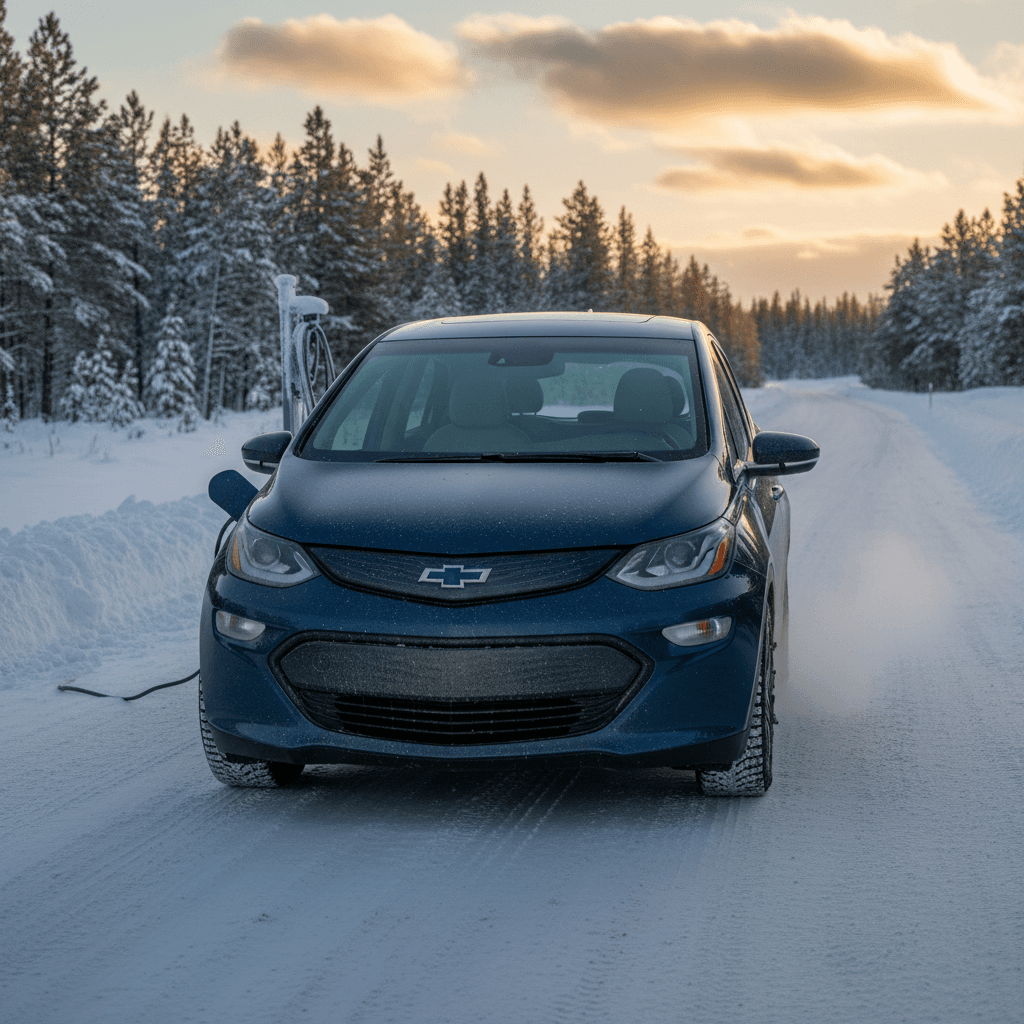
If you live in a cold climate, you’ve probably heard that Chevrolet Bolt EV range in cold weather can drop a lot compared with the EPA-rated 259 miles. That’s true, but the drop is predictable, and with a few smart habits you can keep your winter range manageable for daily use and even road trips.
Key takeaway
Chevy Bolt EV range in cold weather: the short version
Bolt EV winter range at a glance
For most 2020–2023 Bolt EVs with the 65 kWh pack and a 259‑mile EPA rating, you should plan around these ballpark ranges in winter driving:
- Cool fall (45–55°F): ~210–230 miles
- Typical winter (25–35°F): ~160–190 miles
- Cold snap (10–25°F): ~140–170 miles, especially at highway speeds
- Deep freeze (near 0°F or below): ~110–150 miles if you keep the cabin toasty
Don’t treat these like guarantees
How much Chevy Bolt EV range loss to expect in winter
Let’s put some structure around the anecdotes. On paper, a 2020–2023 Chevrolet Bolt EV has an EPA-rated 259 miles of range, and the Bolt EUV is rated at 247 miles. In real-world winter driving, owner data and independent tests typically show about 25–40% less range once you’re consistently below freezing.
Chevy Bolt EV/EUV winter range: realistic ballparks
Approximate real-world ranges for late-model Bolt EV and EUV in cold U.S. climates. These are planning numbers, not guarantees.
| Condition | Typical Temp | Driving Mix | Bolt EV (259 mi EPA) | Bolt EUV (247 mi EPA) | Approx. Loss vs. EPA |
|---|---|---|---|---|---|
| Cool fall day | 45–55°F | Mixed city/highway | 210–230 mi | 200–220 mi | 10–20% |
| Normal winter | 25–35°F | Mixed city/highway | 160–190 mi | 150–180 mi | 25–35% |
| Cold snap | 10–25°F | Mostly highway, heater on | 140–170 mi | 135–160 mi | 35–45% |
| Deep freeze | ≤0°F | Highway, strong heat/defrost | 110–150 mi | 105–140 mi | 45–55% |
Use these figures as conservative planning estimates; your actual range will vary with conditions and driving style.
Bolt vs. other EVs in winter
If your relatively new Bolt EV suddenly seems to have “lost” 30% of its range the moment real winter hits, that’s usually temperature and driving pattern, not permanent battery degradation. When weather warms up, most of that range comes back.
Why cold weather hits Bolt EV range so hard
All EVs lose range in winter, but the specifics of the Bolt’s hardware and software make some of those losses more noticeable. Four main factors are at work:
Main reasons your Bolt EV loses range in cold weather
Understanding the physics makes it easier to claw range back.
1. Cold battery chemistry
Lithium-ion batteries are less efficient when cold. Internal resistance rises, so you get fewer usable kWh from the same pack until it warms up. That shows up as both reduced range and slower fast‑charging.
2. Denser cold air = more drag
Colder air is denser. At 70 mph, your Bolt has to push through thicker air, so it spends more energy per mile than at the same speed on a mild day.
3. Energy-hungry cabin heat
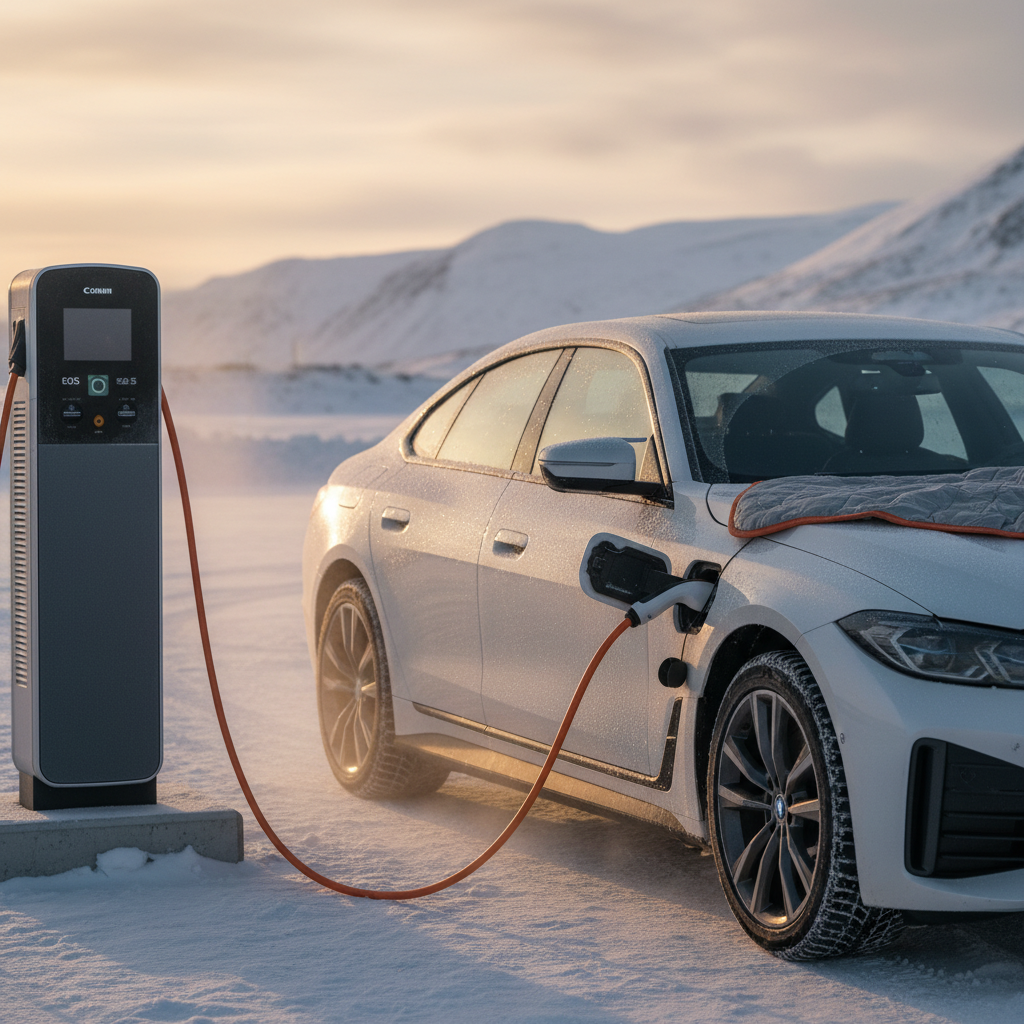
The Bolt uses an electric resistance heater, not a heat pump. That’s basically a giant space heater powered by the battery, and it can easily draw 3–6 kW when warming a cold cabin.
4. Rolling resistance and slush
Cold tires, winter compounds, snow, slush, and road salt all add rolling resistance. Even if you keep speed the same, the car has to work harder to keep moving.
Think in kW, not just miles
Real-world winter range examples for Bolt EV and EUV
To make this concrete, let’s walk through a few realistic scenarios for a 2020–2023 Bolt EV with a healthy battery. Adjust these up or down based on your own climate and driving habits.
Scenario 1: Daily commuting in a typical winter
Conditions: 30°F, mostly 45–60 mph roads, light traffic, mix of suburbs and highway.
- Preconditioned while plugged in
- Cabin set to ~68°F, seat and wheel heaters on
- Occasional defrost use
What most drivers see: Energy use around 3.0–3.3 mi/kWh, for ~180–200 miles from 100% to near empty.
Scenario 2: Long highway drive in a cold snap
Conditions: 15–20°F, steady 70–75 mph, dry roads but cold air.
- No preconditioning, battery cold-soaked outside
- Cabin at 70°F, fan and defrost on high at start
- Typical winter tires
What to expect: Energy use around 2.3–2.6 mi/kWh. That works out to ~150–170 miles of usable highway range from a full charge.
Beware deep-freeze highway trips
How to maximize Chevrolet Bolt EV range in cold weather
You don’t control the weather, but you have a lot of control over how your Bolt spends its energy. These strategies don’t require hypermiling, they’re just smart defaults that can add 20–40+ miles of winter range without making you miserable.
Cold-weather efficiency playbook for your Bolt
Precondition while plugged in
Use the myChevrolet app or departure timers so the cabin and battery warm up while you’re still on shore power. That way, more of your battery is available for driving rather than acting as a space heater.
Use seat and wheel heaters first
The seat and steering wheel heaters use far less energy than blasting hot air. Set the HVAC to a modest temperature (e.g., 66–68°F) and let the contact heaters keep you comfortable.
Dial back highway speed
In cold air, going from 75 mph down to 65 mph can save a surprisingly large chunk of energy. On a long winter leg, that speed change alone might be worth <strong>10–20 extra miles</strong> of range.
Choose Eco mode for climate
On newer Bolts, set the climate control to Eco. It softens the heater’s power draw and reduces how aggressively it tries to hit your set temperature, trading a bit of speed in warming up for better range.
Minimize short, cold starts
Several short trips from a stone-cold start are brutal for winter efficiency. When possible, chain errands together while the battery and cabin are already warm instead of letting the car sit and cool fully between drives.
Keep the car plugged in when parked
If you have access to Level 2 at home or work, leaving the Bolt plugged in lets it <strong>use line power</strong> for battery conditioning and occasional heater use during extreme cold, preserving usable range for when you actually drive.
What “good” winter efficiency looks like
Smart winter charging strategies for your Bolt
Charging strategy can make or break your winter experience, especially if you rely on DC fast charging on road trips or park outside overnight.
Bolt EV winter charging tips
Protect range and charging speeds when temps drop.
Time your charge to finish near departure
Use delayed start or scheduled charging so your Level 2 session finishes shortly before you leave. That way, the battery is warmer and you’ll see better initial efficiency and stronger regen.
Warm the pack before DC fast charging
In deep cold, drive 15–30 minutes before hitting a DC fast charger. A warmer pack accepts power faster, so you spend less time at the station and waste less energy as heat.
Prioritize Level 2 at home
If you can install or access a 240V Level 2 charger, it makes winter life easier. Overnight charging can fill the pack even after a cold day’s driving, and you can rely less on public charging when conditions are harsh.
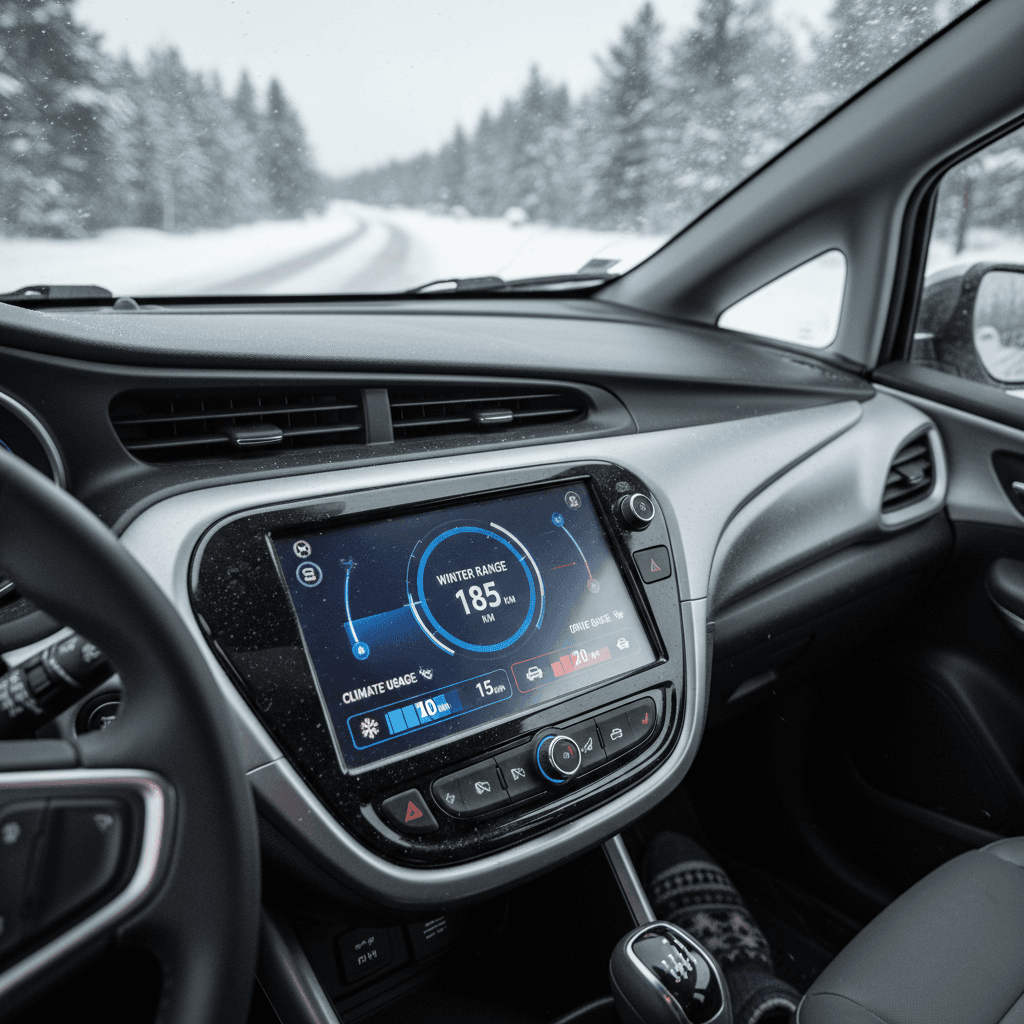
Don’t panic about slow winter fast-charging
Winter tires, heaters, and other sneaky range killers
Once you understand the big levers, speed, cabin heat, and preconditioning, there are a few secondary factors that can silently chip away at range if you’re not expecting them.
- Winter tires: Great for safety, but the more aggressive the tread, the more rolling resistance. Many Bolt owners report 5–10% extra range hit when switching from low-rolling-resistance OEM tires to dedicated winters.
- Deep snow and slush: Plowing through several inches of snow can spike energy usage well above your normal winter baseline, even at low speeds.
- Roof racks and cargo boxes: These increase aerodynamic drag right where it hurts, at highway speeds. In the cold, that drag stacks on top of already denser air.
- Unnecessary idling with heat: Remote starting or sitting parked for long periods with full cabin heat on can quietly burn through several kWh without adding any miles. Use these features strategically.
Range is secondary to safety
Winter range checklist for used Chevy Bolt shoppers
If you’re considering a used Bolt EV or EUV in a cold-weather state, you’ll want to sanity-check both the battery’s long-term health and how the previous owner used the car in winter. This is exactly the kind of nuance most generic used-car listings miss.
6 winter questions to ask before buying a used Bolt
1. How far did the seller comfortably drive in winter?
Ask for concrete examples: “On a 25°F day, how many miles would you get on your commute at highway speeds?” You’re looking for answers broadly in line with the 25–40% winter loss discussed above.
2. Any history of DC fast-charging only road trips?
Lots of fast-charging in extreme cold isn’t automatically bad, but repeated use with a cold-soaked pack can stress batteries. A balanced diet of home Level 2 plus some fast charging is ideal.
3. Has the car lived in extreme cold or heat?
EV batteries age faster at temperature extremes. If the car spent its life in places with very harsh winters, factor that into your expectations and lean on objective battery health data.
4. Check real-world battery health data
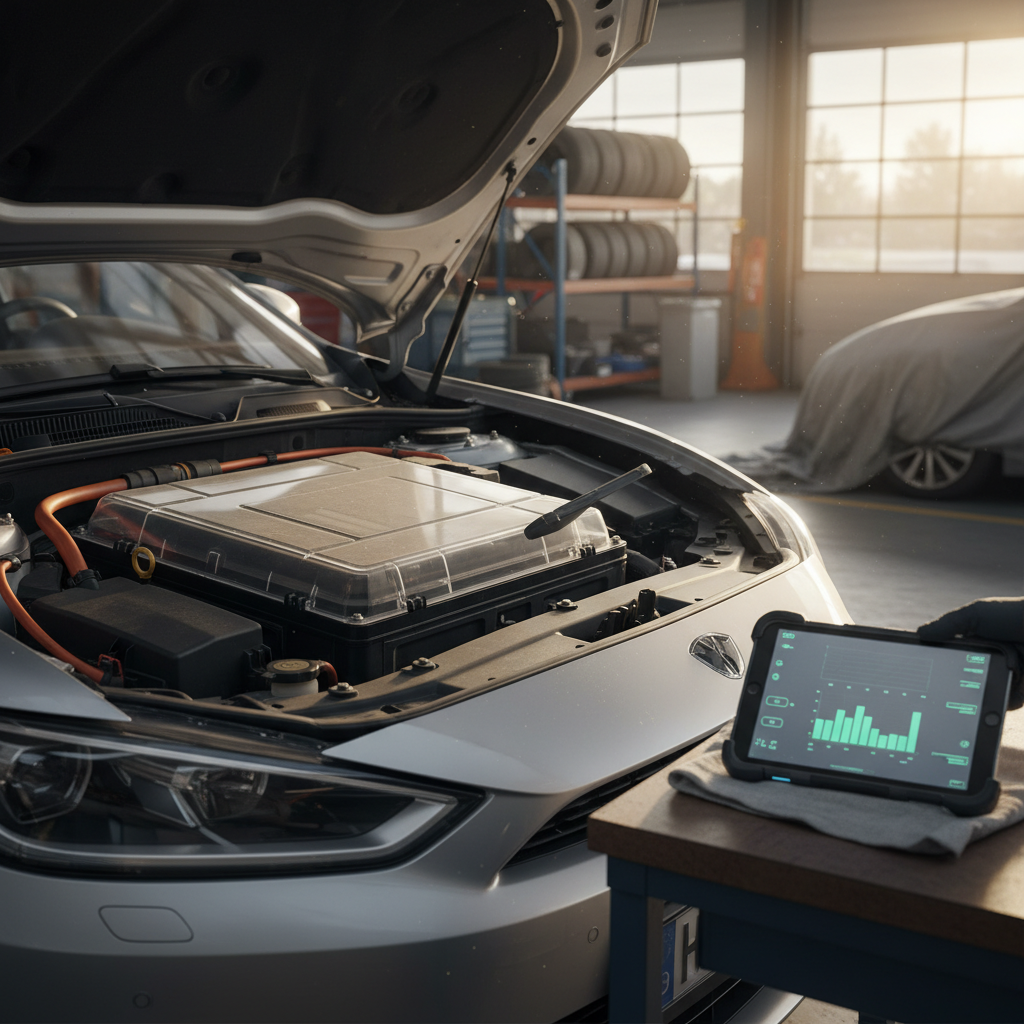
A <strong>Recharged Score battery health report</strong> uses diagnostics, rather than guesses from the dash, to show how much usable capacity remains, separating true degradation from normal winter range loss.
5. Inspect tires and wheels
Note whether the car is on winter, all-weather, or efficiency-focused tires. Budget for a second set if you’ll be splitting time between harsh winters and long summer road trips.
6. Confirm charging options at home and work
If you can install Level 2 at home or have it at work, you’ll shrug off winter range loss more easily. If you’ll rely heavily on public charging in the cold, your planning margin needs to be bigger.
How Recharged helps de-risk winter range
Ready to find your next EV?
Browse VehiclesChevy Bolt EV cold-weather range: FAQ
Frequently asked questions about Bolt EV range in cold weather
Bottom line: Is the Chevrolet Bolt EV good in cold weather?
The Chevrolet Bolt EV doesn’t magically defy winter physics; if anything, it’s more honest about cold-weather range loss than some newer competitors. In real-world freezing conditions, you should expect to lose roughly a third of the EPA range, and closer to half in deep-freeze highway driving with heavy heater use.
But once you understand why your Chevy Bolt EV range in cold weather shrinks, and you build habits like preconditioning, using seat heaters, and moderating speed, the car becomes predictable and easy to live with, even in northern states.
If you’re shopping used, the key is matching a specific car’s real battery health and your local winter conditions to your actual driving needs. That’s exactly what Recharged was built for: transparent battery diagnostics, fair pricing anchored in real-world range, and EV‑specialist support to help you decide whether a Bolt EV (or EUV) is the right tool for your winter driving reality.