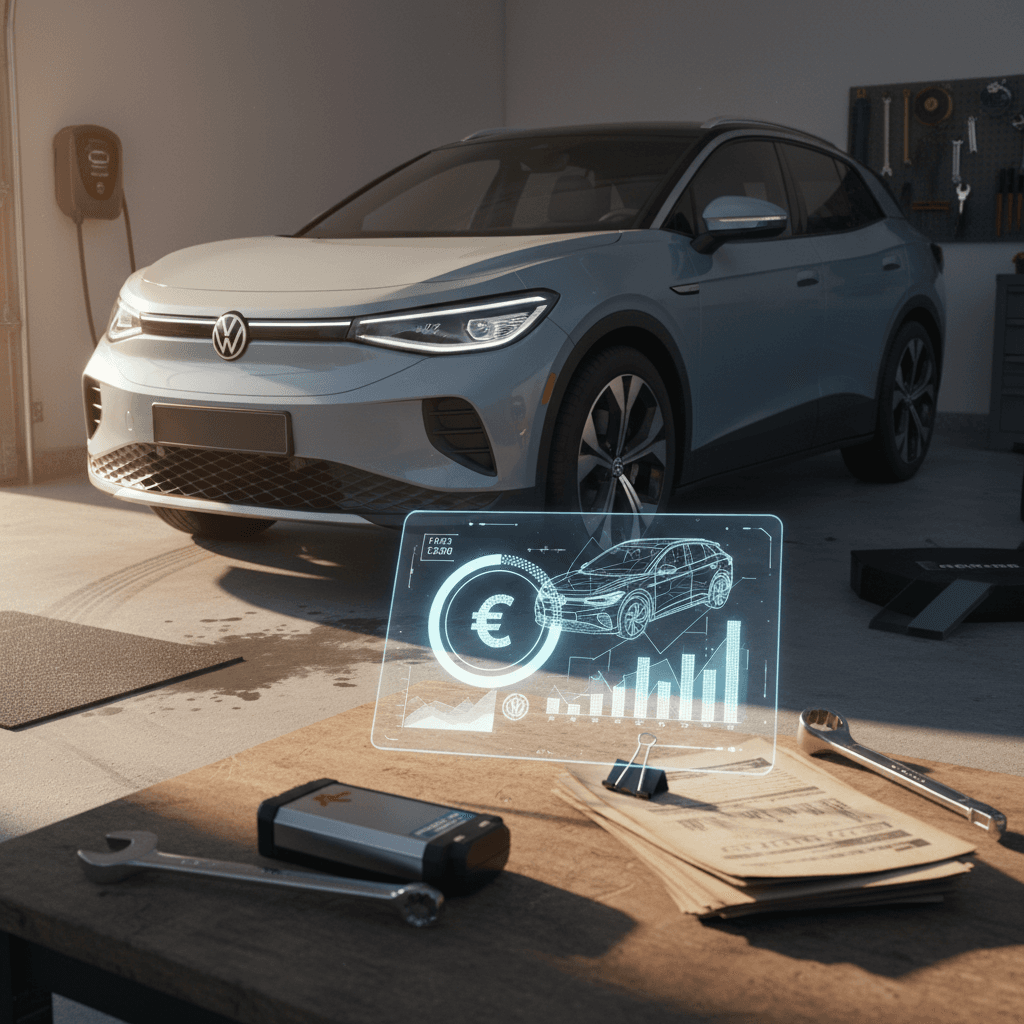
If you’re cross‑shopping EVs in 2026, the Volkswagen ID.4 maintenance cost is a big part of the ownership story. EVs are cheaper to maintain than gas SUVs overall, but the ID.4 still needs regular inspections, brake fluid changes, and tires, and service prices can vary a lot between dealers. This guide breaks down how often the ID.4 needs service, what those visits usually include, and what you should realistically budget over five years.
Quick answer
Volkswagen ID.4 maintenance cost in 2026: overview
ID.4 maintenance at a glance (2026)
- Third‑party cost‑to‑own tools show ID.4 maintenance totaling around $6,000 over 5 years if you assume full dealer pricing and a conservative schedule.
- Owner reports suggest that real‑world routine service often runs $250–$450 per visit, with many drivers seeing only one or two paid visits within the first 3–4 years.
- Broad EV studies in 2024–2026 generally find EV maintenance costs are about one‑third to one‑half lower than comparable gas vehicles, before you include fuel savings.
How often does a Volkswagen ID.4 need maintenance?
One of the biggest ownership surprises for new EV drivers is that many manufacturers base service intervals on time, not miles. The ID.4 is a good example. Depending on model year and market language, you’ll see references to annual or bi‑annual checkups, but the core pattern for U.S. owners in 2026 looks like this:
- Initial inspection around 1 year / 10,000 miles: some owners are encouraged to come in early, especially if they bought a prepaid maintenance plan or want software and quality fixes documented.
- Regular inspection service about every 2 years: a comprehensive check of brakes, suspension, cooling systems, and software, plus resets of service reminders.
- Brake fluid change every 2–3 years: VW typically bundles a brake fluid flush with one of the inspection services on that timeline.
- Tire rotations roughly every 10,000 miles: often done at tire shops or quick‑service places instead of the dealer, especially once the free maintenance period ends.
Don’t skip the calendar‑based visits
In practice, many ID.4 owners in 2026 report their first meaningful paid visit coming somewhere between year 2 and year 3, especially if they had a complimentary or prepaid program covering the first basic inspections. But for cost planning, you’re safer assuming a paid service roughly every 2 years, plus inexpensive tire rotations in between.
Typical ID.4 service items and what they cost
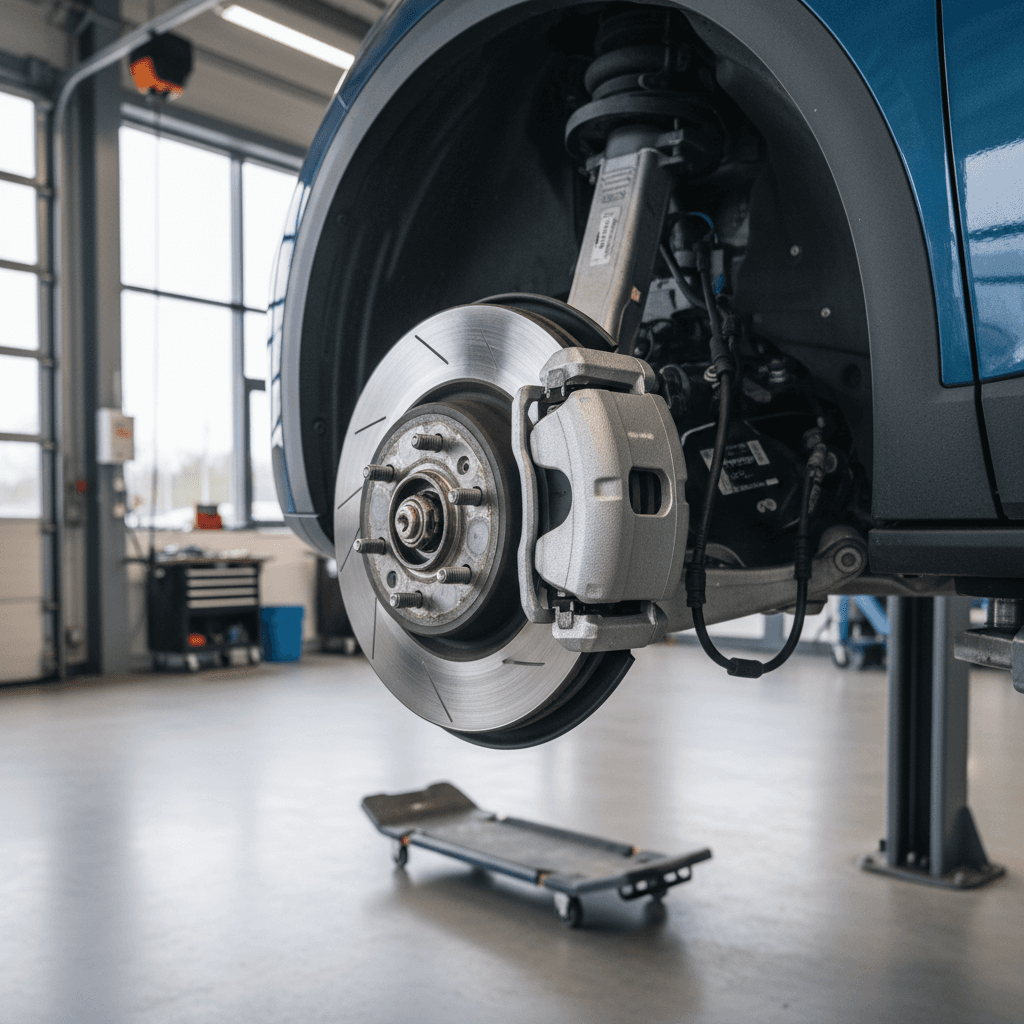
Because the ID.4 doesn’t have oil changes, spark plugs, or exhaust work, most line items on an invoice are inspections, fluids, and wear‑and‑tear parts. Here’s how common 2026 prices look at U.S. dealers and independent shops:
Where the dealer markup hides
5‑year Volkswagen ID.4 maintenance cost in 2026
Let’s translate all of this into numbers. For a typical U.S. driver in 2026 putting about 12,000–15,000 miles per year on a Volkswagen ID.4, here’s a realistic 5‑year maintenance picture if nothing unusual breaks:
Illustrative 5‑year ID.4 maintenance cost (new in 2026)
Approximate maintenance costs for a new Volkswagen ID.4 over 5 years, assuming 12,000–15,000 miles per year and mostly dealer service for scheduled visits.
| Year of ownership | What likely happens | Estimated maintenance cost |
|---|---|---|
| Year 1 | Basic check, tire rotations, maybe a cabin filter | $0–$250 (often covered or minimal) |
| Year 2 | First full inspection service, tire rotation | $250–$400 |
| Year 3 | Tire rotations, possibly new tires if you drive a lot | $300–$900 (higher if you replace tires) |
| Year 4 | Second major inspection, brake fluid change, tire rotation | $350–$550 |
| Year 5 | Another set of tires for higher‑mileage drivers, minor items | $300–$900 |
| 5‑year total | Routine services + 1–2 sets of tires | Roughly $1,800–$2,800 |
Many owners land near the low end of these ranges if they mix in independent shops and DIY for simple items.
If you strip out tires and just ask what you’ll likely spend at the service counter, a reasonable planning range for 5 years of ID.4 maintenance in 2026 is around $1,000–$1,600, assuming you follow VW’s calendar‑based schedule and nothing major fails. Tires are the wildcard, and how you drive has a big impact on that bill.
Per‑mile perspective
ID.4 maintenance cost vs comparable gas SUV
Volkswagen ID.4 (EV)
- No oil changes, spark plugs, or transmission service.
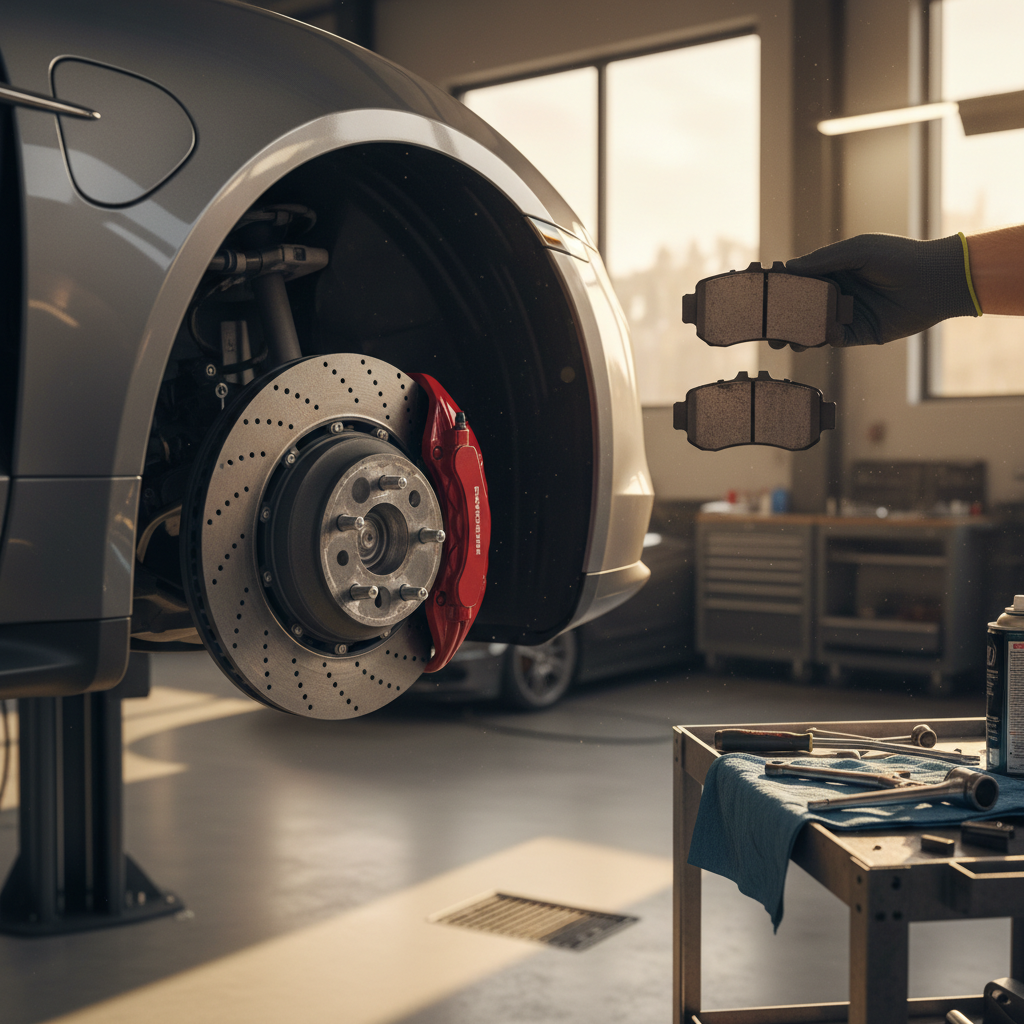
- Brake wear is reduced by regenerative braking, so pads often last longer.
- Main recurring costs: inspection services, brake fluid, tires, and the occasional alignment.
- 5‑year routine maintenance typically around $1,800–$2,800 including tires.
Comparable gas compact SUV
- Oil and filter changes 2–3 times a year.
- More fluids, belts, and engine‑related components over 5+ years.
- Similar tire costs, but often higher brake wear without strong regen.
- 5‑year maintenance commonly falls in the $3,000–$4,500 range for mainstream models, not counting major repairs.
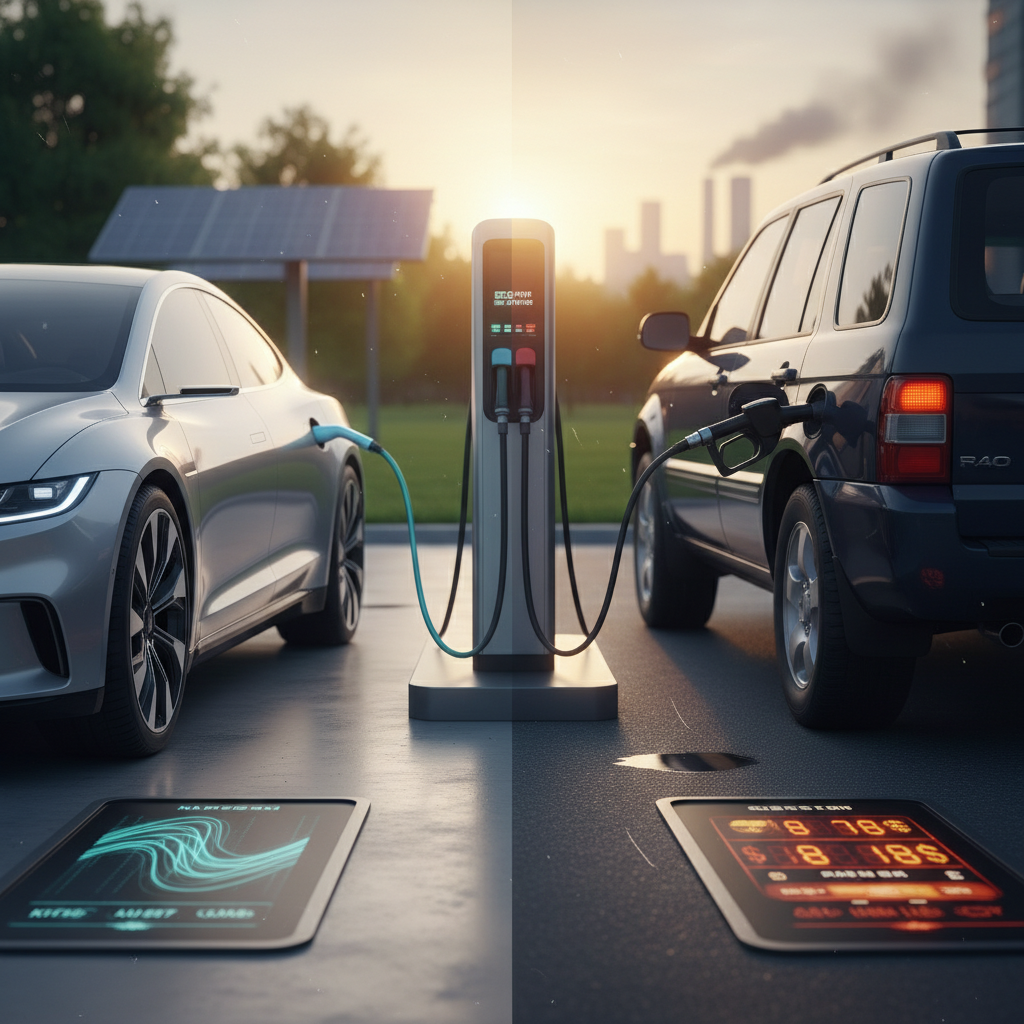
Across multiple 2024–2026 cost‑of‑ownership studies, EVs consistently show 30–40% lower routine maintenance spending than comparable gas vehicles. For an ID.4‑sized SUV, that difference easily adds up to $1,000+ in savings over a typical 5‑year ownership window before you even count your fuel savings from electricity vs gasoline.
Maintenance + energy is what really matters
Warranty, battery, and big‑ticket maintenance risks
Routine maintenance is predictable. The scary part for many new EV shoppers is the “what if the battery fails?” question. Here’s how that looks for the ID.4 in 2026:
What can go wrong, and how likely is it?
Understanding worst‑case costs helps you separate real risk from noise.
High‑voltage battery
VW backs the ID.4 battery for 8 years/100,000 miles against excessive capacity loss. True pack failures are rare in the first decade, and capacity loss tends to be gradual, not sudden.
DC fast‑charging wear
Heavy fast‑charging can accelerate battery degradation, but it’s still more about long‑term range than sudden repair bills. Occasional highway fast‑charging alone usually isn’t a warranty issue.
Electronics & cooling
Like any modern car, the ID.4 has complex electronics and thermal systems. Out‑of‑warranty repairs here can be expensive, which is why it’s wise to buy a car with documented service history and clean diagnostics.
The real big‑ticket risk: collision damage
If you’re shopping used, this is where Recharged’s Recharged Score battery and health diagnostics are especially valuable. Every vehicle on the platform gets an independently run health report that looks beyond basic OBD codes, so you’re not guessing about hidden battery issues or prior damage when you run the maintenance math.
How to keep your ID.4 maintenance costs low
Practical ways to cut ID.4 maintenance cost in 2026
1. Follow the schedule, but don’t over‑service
Use the <strong>official VW maintenance schedule</strong> for your model year as the baseline, but be wary of extra menu items that aren’t required. If a dealer wants to add multiple “flushes” or additives, ask them to point to the exact line in the VW schedule.
2. Shop around for tires and alignments
Tires are often your single biggest ID.4 maintenance expense. Get quotes from tire chains and independent shops, not just your VW dealer, and consider EV‑rated tires that balance range with tread life.
3. Rotate tires on time
A quick $25–$60 rotation every 8,000–10,000 miles can extend tire life significantly, especially on a heavy, torquey EV. Skipping rotations is one of the fastest ways to turn your maintenance budget upside down.
4. Use regen wisely
Maximizing <strong>regenerative braking</strong> not only recovers energy, it reduces wear on physical brake pads and rotors. That can delay your first brake job by years compared with an equivalent gas SUV.
5. DIY the easy stuff
If you’re comfortable, items like <strong>cabin filters and wiper blades</strong> are inexpensive and simple DIY tasks. Even if you prefer the dealer for safety‑critical work, DIYing the simple bits keeps invoices under control.
6. Keep clean documentation
Whether you service at the dealer or with a trusted independent, keep <strong>organized records</strong>. Clean documentation helps resale value and smooths out any warranty conversations if something fails unexpectedly.
Why a used ID.4 can be a sweet spot for maintenance cost
From a maintenance‑and‑depreciation standpoint, 2026 is a particularly interesting moment for used ID.4s. Early‑build models have already taken their steepest depreciation hit, and many have had software and quality campaigns addressed under warranty. That means you can often buy a 2–3‑year‑old ID.4 that:
- Still has 5+ years of battery warranty remaining.
- Has already been through at least one major inspection service on the dealer’s dime.
- May already be on its second set of tires, with plenty of tread left.
- Costs thousands less than new, but isn’t yet old enough for aging‑component headaches.
How Recharged fits in
Ready to find your next EV?
Browse VehiclesRecharged also supports trade‑ins, financing, and nationwide delivery, so you can cross‑shop ID.4s against other used EVs entirely online. If you’re focused on total cost of ownership rather than just the monthly payment, that combination of battery insight and pricing transparency matters as much as the raw maintenance math.
Volkswagen ID.4 maintenance cost 2026: FAQs
Frequently asked questions about ID.4 maintenance costs in 2026
Bottom line: what to budget for ID.4 maintenance in 2026
If you’re trying to decide whether a Volkswagen ID.4 makes financial sense in 2026, maintenance cost is one area where the math usually comes out in your favor. Plan on spending roughly $1,800–$2,800 over 5 years for routine service and tires, or about 3–5 cents per mile for maintenance. That’s materially lower than a comparable gas SUV, and if you drive enough miles to take advantage of cheaper electricity, the total running‑cost gap grows even wider.
From there, the real leverage is in how you buy. A well‑chosen used ID.4 can combine low maintenance with a much lower purchase price, especially if you have transparent battery health data in hand. That’s why every used EV at Recharged includes a Recharged Score Report, expert help comparing models, and nationwide delivery, so you can treat maintenance cost as one input in a bigger, clearer total‑cost‑of‑ownership picture instead of a guessing game.