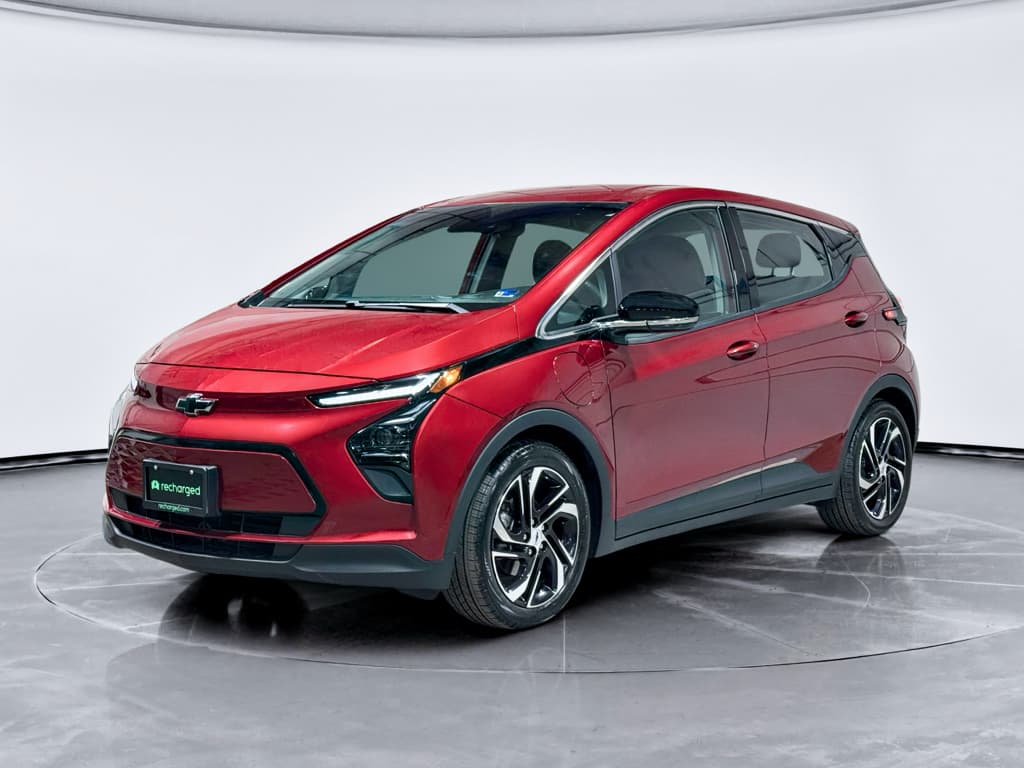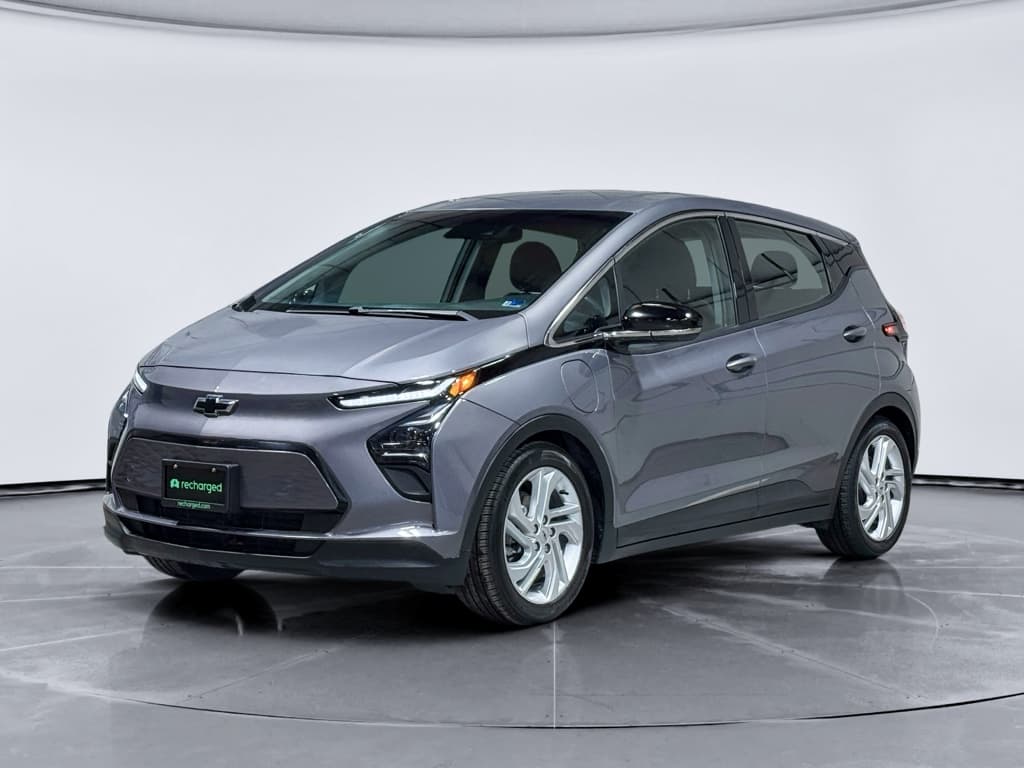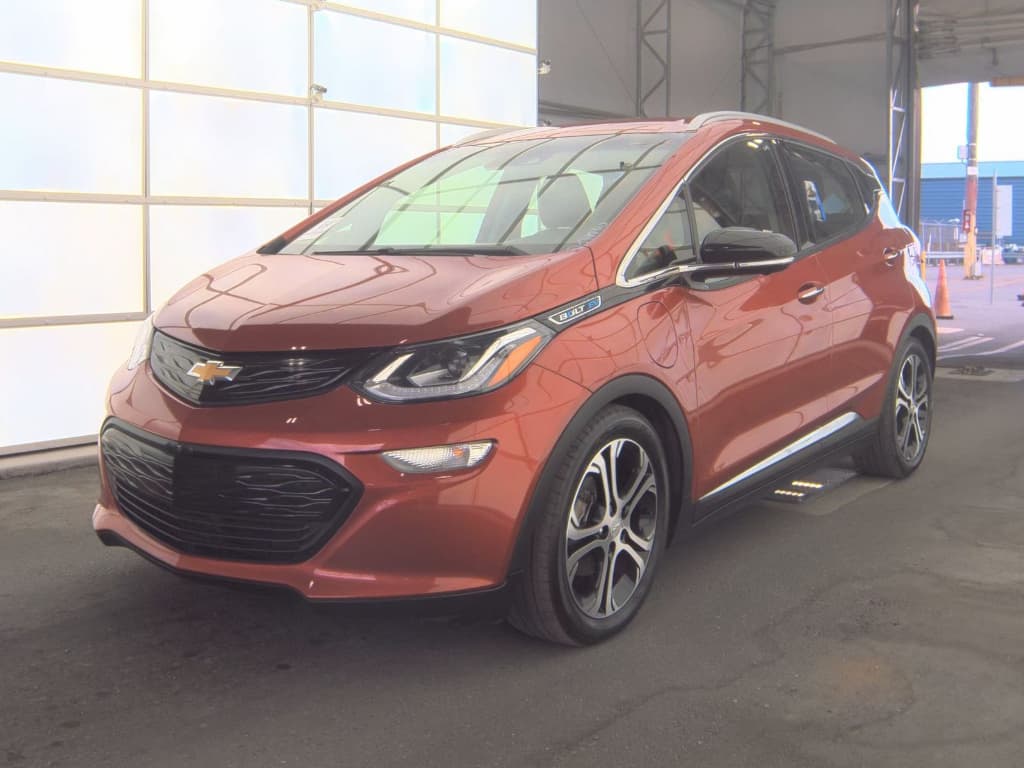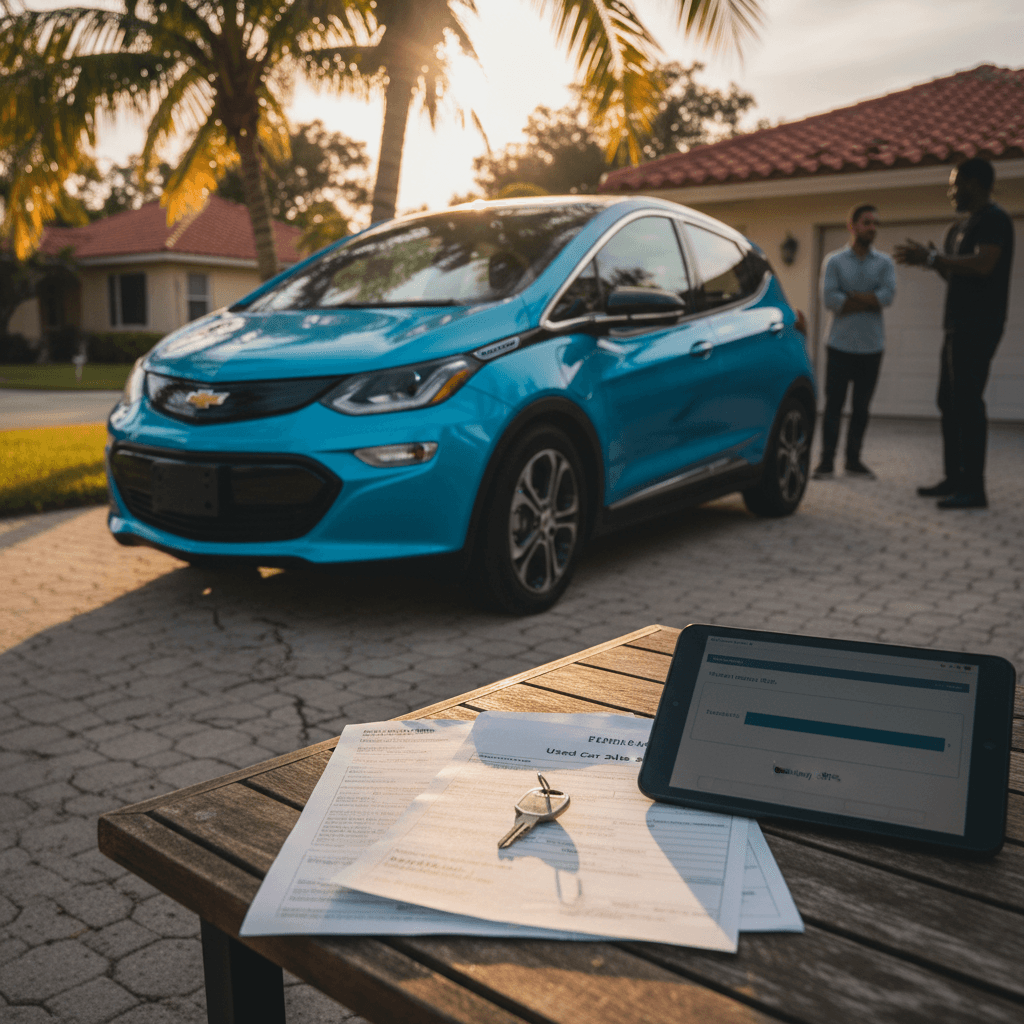
If you’re ready to sell your Chevrolet Bolt EV in Florida, you’re in a better spot than a lot of gas-car owners. The Bolt is one of the most in-demand used EVs thanks to its efficiency and price, but Florida’s paperwork rules and the fast-moving EV market can make selling feel more complicated than it should be.
Florida is a top EV state
Why Selling a Bolt EV in Florida Is Different
Selling an electric car in Florida involves a few wrinkles you won’t see with a typical gas compact. The Chevrolet Bolt EV has a history of battery recalls, strong demand from rideshare and commuter buyers, and a used-EV price curve that’s still settling as new federal incentives favor new EVs. On top of that, Florida has its own title-transfer rules and notice-of-sale requirements that you can’t ignore.
- EV buyers will ask detailed questions about battery health, charging habits, and recall work.
- Florida’s heat and coastal climate make battery degradation and corrosion part of the story.
- The state expects you to handle title transfer and Notice of Sale correctly to avoid liability after the car leaves your driveway.
- Because Florida has no state income tax and relatively low fees, there’s a lot of interstate buying and selling, out-of-state buyers may be looking at your listing.
Don’t ignore the recall history
Chevrolet Bolt EV resale value in Florida
In 2025, Chevy officially ended production of the current-generation Bolt EV. That’s pushed more shoppers into the used market, especially budget-conscious commuters in Florida who want an EV without a new-car payment. At the same time, generous tax credits on new EVs and lower new-EV pricing have put pressure on used values across the board.
Bolt EV resale dynamics to keep in mind
Look beyond generic book values
Decide how to sell your Bolt EV in Florida
Before you worry about detailing or photos, decide how you want to sell your Chevrolet Bolt EV in Florida. Your choice here has more impact on your net proceeds and stress level than any single pricing tweak.
Main ways to sell a Chevrolet Bolt EV in Florida
Weigh convenience, control, and total dollars in your pocket.
Private sale
Best for: Maximizing sale price if you’re willing to do the work.
- You control pricing and negotiations.
- Requires meeting buyers, handling test drives, and Florida paperwork.
- Can take weeks if you overprice or have incomplete records.
Franchise or independent dealer
Best for: Speed and simplicity, especially if you’re buying another car.
- They’ll handle title transfer and payoff if there’s a lien.
- Offers are usually lower than private sale value.
- Some dealers still misunderstand EVs and undervalue Bolts.
EV-focused marketplace (like Recharged)
Best for: Balancing fair value with low hassle.
- EV specialists understand Bolt battery health and charging.
- Options for instant offers, consignment, or trade-in.
- Digital process with support on pricing, photos, and paperwork.
When a dealer makes sense
If your priority is to be out of the car in a day or two and you don’t want to deal with strangers coming to your home, a dealer in Orlando, Tampa, or Miami may be worth the lower offer. They’ll deal with the title, payoff, and plate transfer for in-state sales.
This route is especially appealing if your Bolt EV still has a lien and you don’t want to manage the payoff yourself.
When an EV marketplace shines
If you want more than dealer money but less friction than a private sale, an EV marketplace like Recharged can be a strong middle ground. You get data-backed pricing, a Recharged Score battery health report, and help with marketing the car nationwide, not just within your ZIP code.
That wider audience is useful in Florida, where some markets are saturated with used Bolts while others are hungry for them.
Step-by-step: how to sell your Bolt EV privately in Florida
If you decide to tackle a private sale, treating it like a project instead of an improvisation will keep you out of legal trouble and usually nets more for your Bolt EV. Here’s a Florida-specific sequence to follow.
Florida private-sale checklist for a Bolt EV
1. Confirm your title and lien status
Log into your Florida DHSMV account or check your registration to confirm whether your title is electronic or paper, and verify that any lien is fully paid. You cannot legally complete a private sale in Florida if a lien is still active, pay it off first, or work through a dealer or marketplace that can manage lien payoff.
2. Gather EV-specific records
Collect your <strong>Chevrolet Bolt EV recall documentation</strong>, service history, any battery or high-voltage system checks, and charging history if you’ve tracked it. Florida buyers who understand EVs will pay more for a Bolt with clear evidence of good battery care.
3. Prepare and photograph the car
Detail the interior, wash the exterior, and photograph the car in good light. Include shots of the charge port, instrument cluster range display, infotainment screen, tires, and charger or adapters you’re including. Show that the Bolt is clean and ready for its next owner.
4. Write an honest, EV-savvy listing
Spell out trim level, model year, mileage, original and usable battery capacity if known, typical range, home charging habits, and whether the main battery recall has been performed. Target regional platforms and EV-centric sites where shoppers understand what they’re looking at.
5. Screen buyers and plan test drives
Use email or messaging to answer basic questions before sharing your address. For test drives, meet in a public place during daylight, ideally near a DC fast charger so serious buyers can see how the car charges. Verify a valid driver’s license before anyone drives your car.
6. Close the deal at a tag or tax collector office
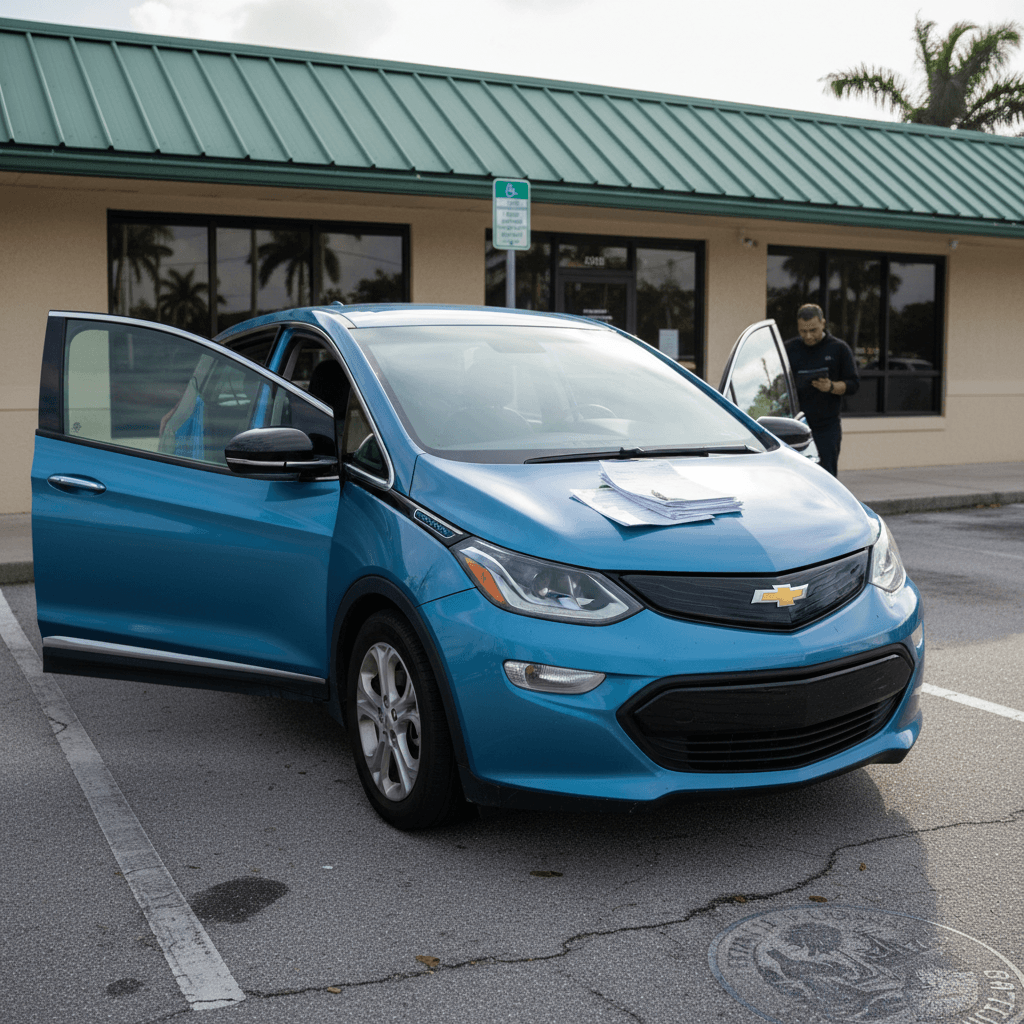
In Florida, the safest way to finalize a sale is at a county tax collector or tag agency. You and the buyer can complete the title transfer on the spot, handle payment (cashier’s check or bank transfer), and you can immediately keep or surrender your plate and file the Notice of Sale.
Best-case scenario
Florida title transfer and paperwork for EVs
Florida doesn’t care that your car is electric when it comes to paperwork, it treats your Bolt EV like any other passenger vehicle. But it does care that the title is properly transferred and that you’ve documented the sale.
Key Florida paperwork when selling a Bolt EV
Use this as a quick reference before you meet a buyer.
| Item | Who completes it | When it’s needed | Why it matters |
|---|---|---|---|
| Certificate of Title | Seller (and buyer) | At the sale, when ownership changes | Legally transfers ownership of the Bolt EV. |
| Notice of Sale (HSMV 82050) | Seller | Immediately after sale | Protects you from liability if the buyer never titles the car. |
| Bill of Sale | Seller & buyer | At the time of payment | Documents price, date, VIN, and parties for tax and legal records. |
| Odometer disclosure | Seller & buyer | At title signing | Required to show mileage at transfer, even on an EV. |
| Tag/plate removal | Seller | Before buyer drives away | Florida plates stay with you, not the car, this avoids toll and ticket issues. |
Always check your county tax collector or DHSMV website for the latest forms and fees.
Florida lien rule for private sales
Getting your Bolt EV ready to sell
The Bolt EV’s strengths, quiet operation, low running costs, compact size, don’t always come through in a quick parking-lot walkaround. A bit of preparation goes a long way toward proving that your car is worth what you’re asking.
Prep moves that pay off on a Bolt EV
Focus on what Florida buyers actually care about.
Detail inside and out
Florida humidity is not kind to interiors. A thorough cleaning, ozone treatment if needed, and clean glass make the car feel newer. Pay attention to the charge port area and frunk/trunk compartments, where sand and debris build up.
Charge level & range display
Before showings, charge the car to 80–90% so the range estimate on the cluster looks realistic. Buyers want to see what kind of range they can expect, not a low-battery warning.
Documentation packet
Create a folder with title copy, recall letters, service receipts, compatible home charger info, and any energy or range logs you have. This signals that you’ve been a careful owner.
Advertise the accessories that matter
Pricing your Chevrolet Bolt EV for the Florida market
Pricing is where most private sellers either leave money on the table or scare away serious buyers. With the Bolt EV, you’re juggling model year, mileage, battery health, recall history, and the broader used-EV reset that started in 2023.
Factors that move your price up
- Verified battery health with documentation or third-party reports.
- Completed battery recall with paperwork and any pack replacement info.
- Moderate mileage for the year (for example, 10–12k miles/year rather than 18k+).
- Clean Carfax/AutoCheck with no accidents or flood damage.
- High-demand colors and trims popular in Florida’s sun and heat.
Factors that push your price down
- Very high mileage relative to age or rideshare usage with no maintenance records.
- Unresolved warning lights or known issues with charging equipment.
- Prior collision damage, especially affecting the battery pack or high-voltage components.
- Evidence of flood or saltwater exposure, a real concern in a hurricane-prone state.
How to set a realistic asking price
1. Pull three kinds of data
Check EV-specific marketplaces, mainstream classifieds, and dealer listings in your metro for similar Bolts. Note prices for cars with similar years, mileage, and equipment, not just the cheapest ad you see.
2. Adjust for condition and battery
If your Bolt EV has exceptional maintenance records or a recently replaced battery pack under recall, you can justify listing near the top of the local range. If it’s rougher than average, aim toward the lower end to move it quickly.
3. Leave room to negotiate
Most Florida buyers expect to negotiate. List slightly above your walk-away number, enough to give buyers a win without pricing yourself out of search results.
4. Revisit price every 10–14 days
If you’re not getting inquiries after two weeks, the market is giving you feedback. Either the price is high for your area, the photos are weak, or the listing isn’t emphasizing your Bolt’s strengths.
Safety, payment, and test-drive rules in Florida
Most people selling a Chevrolet Bolt EV in Florida are doing a one-off transaction, not running a dealership. That doesn’t mean you have to wing it. A few simple rules will protect you, your money, and your data.
- Meet in public, well-lit locations, preferably near a tax collector office or bank branch.
- Verify a valid driver’s license and take a photo of it before a test drive.
- Ride along on test drives; don’t hand over the keys and wait in the parking lot.
- For payment, prioritize wire transfers or cashier’s checks from a major bank. Avoid personal checks, payment apps with limits, and complicated third-party financing.
- Do not sign the title or hand over keys until funds are cleared or you’ve verified the cashier’s check with the issuing bank.
- After the sale, immediately remove your plate, cancel or transfer insurance, and file the Notice of Sale so you’re not on the hook for tolls or tickets.
Watch for EV-specific scams
How Recharged can help you sell a Bolt EV
If you like the idea of getting close to private-sale money without becoming your own EV dealer, this is where Recharged fits in. Recharged is built specifically around used EVs, models like the Chevrolet Bolt EV, Tesla Model 3, and Hyundai Kona Electric, so the platform speaks the same language as the buyers you want.
What Recharged brings to a Bolt EV sale
EV-specific tools that typical dealers and classifieds lack.
Recharged Score battery report
Every vehicle on Recharged gets a Recharged Score Report with verified battery health, charging history insights where available, and a clear explanation of how that affects value. For a Bolt EV, where battery confidence is everything, this can justify a higher selling price.
Fair market pricing & analytics
Recharged uses real transaction data and current listings to help you price your Bolt EV competitively across Florida and nationwide. You’re not guessing based on a generic guide written for gas cars.
Flexible selling paths & delivery
You can use Recharged to trade in your Bolt EV, get an instant offer, or consign it so Recharged markets it on your behalf. Nationwide delivery and an EV-specialist team make it easy to connect with the right buyer, even if they’re not in your city.
Ready to find your next EV?
Browse VehiclesFlorida-friendly, digital-first process
FAQ: selling a Chevrolet Bolt EV in Florida
Frequently asked questions
Selling a Chevrolet Bolt EV in Florida is ultimately about matching a good car with the right buyer and doing it in a way that protects you legally and financially. If you’re organized on paperwork, realistic about pricing, and transparent about battery health and recalls, you’ll have more leverage, whether you sell privately, walk into a local dealer, or let an EV-focused marketplace like Recharged do the heavy lifting. The key is to treat your Bolt like the valuable asset it is, not just another used compact car.