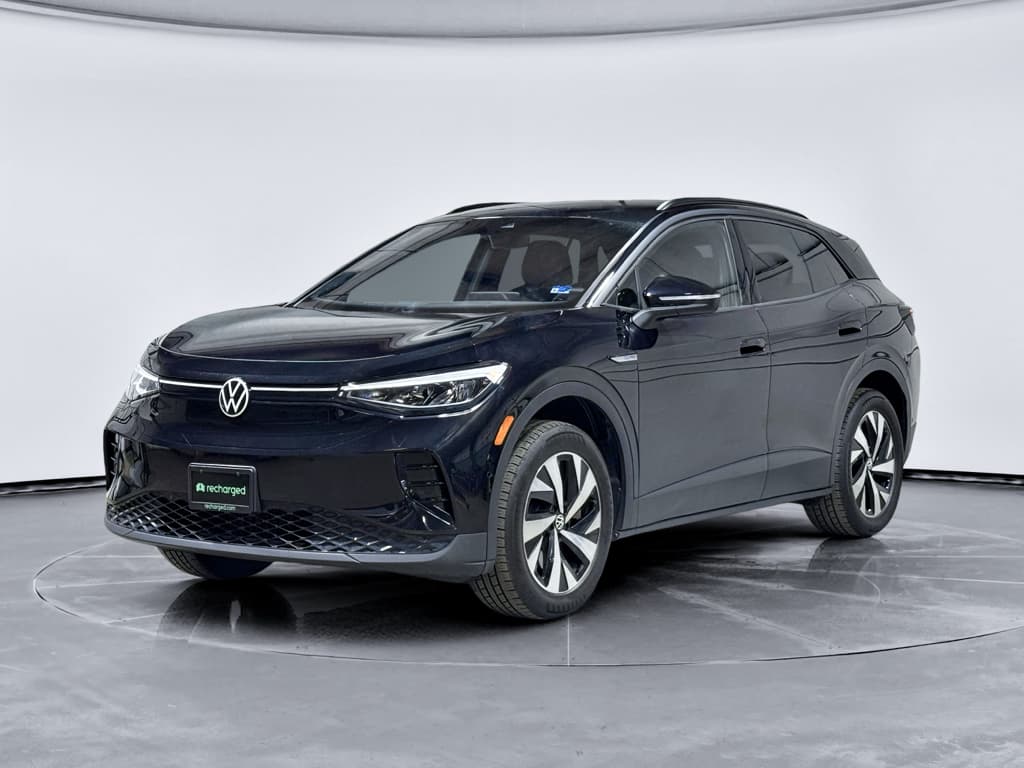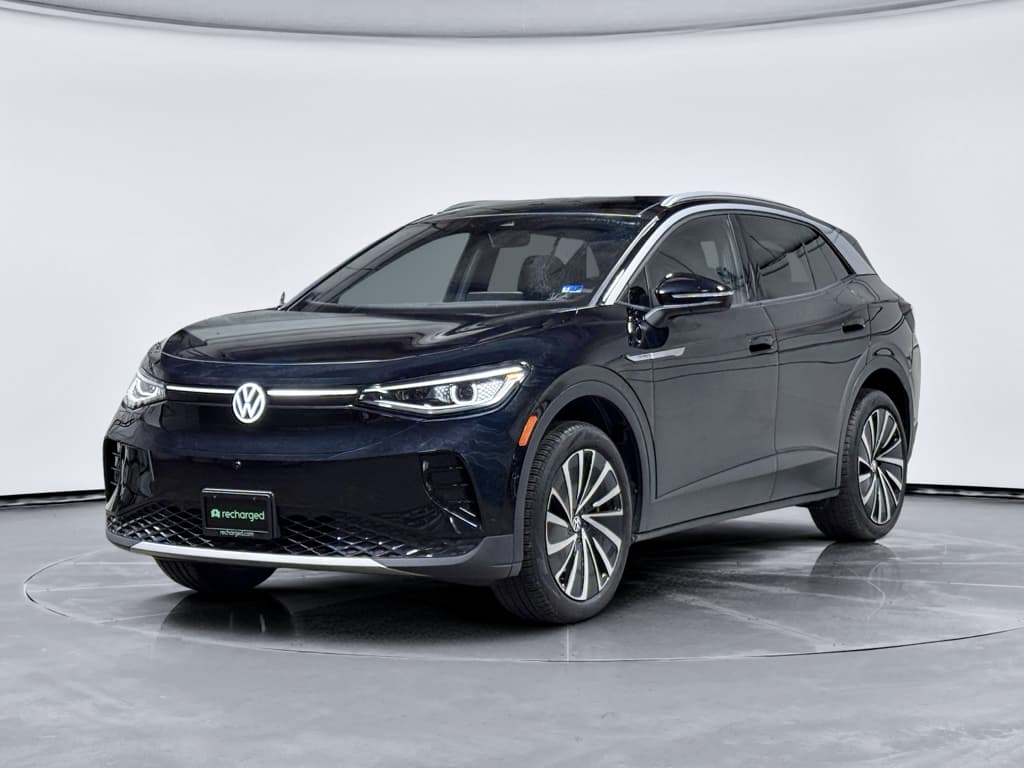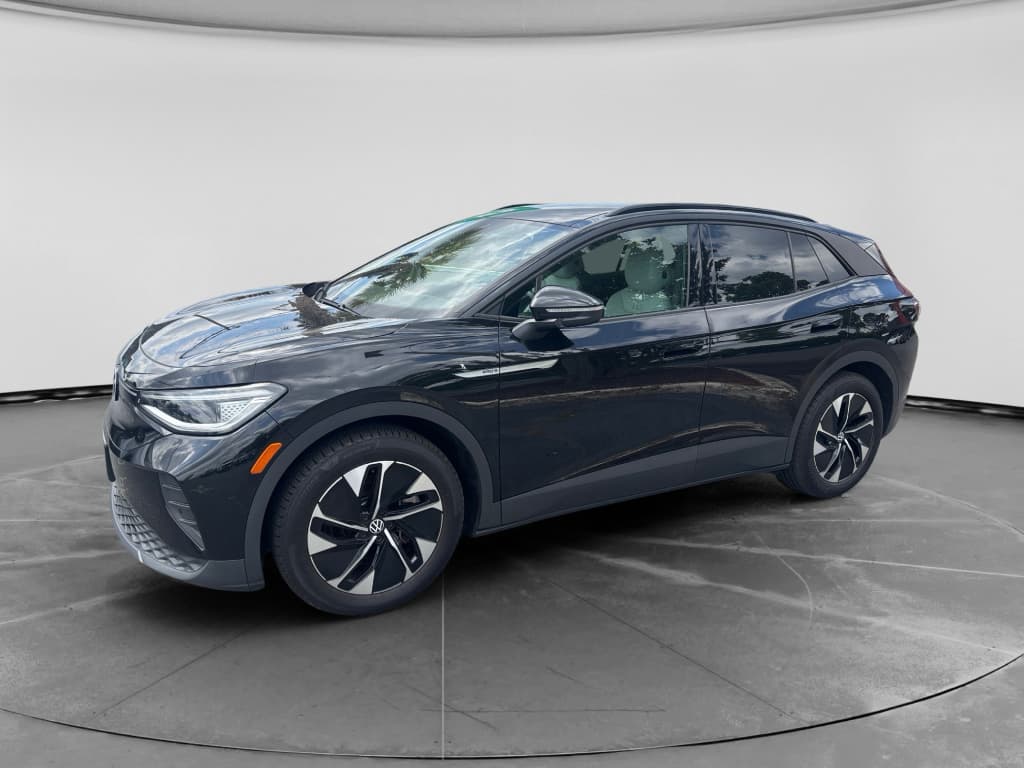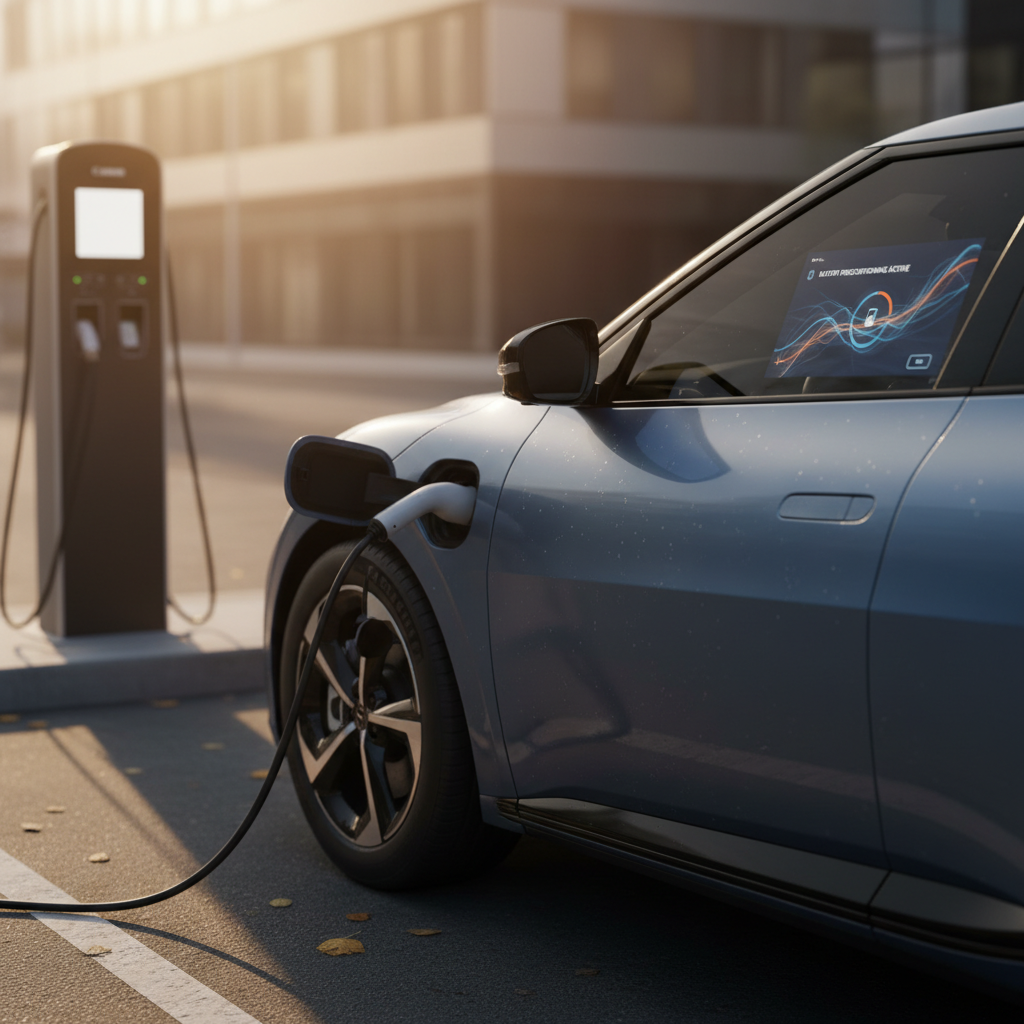
If you drive or are shopping for a Volkswagen ID.4, understanding its charging speed is just as important as knowing its range. This Volkswagen ID.4 charging speed guide breaks down how fast it can charge at home and on the road, how battery size and model year affect the numbers, and how to plan real-world stops so charging fits your life instead of running it.
At-a-glance ID.4 charging speeds
Volkswagen ID.4 charging speed overview
Charging speed on any EV is a dance between three things: the car, the charger, and the conditions. On the ID.4, that translates to: - Battery size (62 kWh vs 82 kWh packs) - The 11 kW onboard AC charger used for home/public Level 2 - A CCS1 DC fast‑charge port that can accept roughly 125–175 kW depending on model year Before we dive into detailed tables and tips, let’s quickly map the typical ranges of charging speeds you’ll actually see.
Typical Volkswagen ID.4 charging speeds
ID.4 batteries, onboard chargers, and connectors
To understand Volkswagen ID.4 charging speed, you first need to know which battery pack and hardware you have. Different packs charge at different maximum speeds and respond differently on road trips.
VW ID.4 batteries and charging hardware (North America focus)
Key charging-related specs for common Volkswagen ID.4 configurations sold in North America.
| Model years / trim | Usable battery (approx.) | Onboard AC charger | Max DC fast-charge power | Connector standard |
|---|---|---|---|---|
| 2021–2023 82 kWh (Pro / Pro S / AWD) | ~77–82 kWh | 11 kW | Up to ~125–135 kW | CCS1 (J1772 + CCS DC) |
| 2022–2025 62 kWh models | ~58–62 kWh | 11 kW | Up to ~120–125 kW | CCS1 |
| 2024–2025 82 kWh with new rear motor (U.S.) | ~82 kWh | 11 kW | Up to ~175 kW (on paper / ideal conditions) | CCS1 |
| European ID.4 variants (CCS2) | ~52–82 kWh | 11 kW | Up to ~125–175 kW | CCS2 (Type 2 + CCS DC) |
Exact specs can vary slightly by market and model year; always confirm in your owner’s manual or with a scan of the car’s data label.
CCS now, NACS later
One other constant across ID.4 variants: the 11 kW onboard AC charger. That’s the device inside the car that converts AC from a Level 2 charger into DC for the battery. Even if you install a 19.2 kW wallbox at home, the ID.4 will still top out around 11 kW on AC.
How fast the ID.4 charges at home (Level 1 & Level 2)
At home, the Volkswagen ID.4 uses its J1772 AC port for both Level 1 (120V) and Level 2 (240V) charging. The limiting factors are your circuit size, the charger (EVSE), and the car’s 11 kW onboard charger.
Volkswagen ID.4 home charging speeds by outlet
Approximate charge times from 10–100% under mild conditions
Level 1 – 120V outlet
Power: ~1.4–1.9 kW (12–16A)
- Good for ~3–5 miles of range per hour.
- Useful for overnight top‑ups if you drive 20–30 miles/day.
- Full 0–100% charge can take 2+ days on an 82 kWh pack.
Level 2 – 240V, 32A circuit
Power: ~7.2 kW
- ~20–22 miles of range per hour.
- 10–100% on 62 kWh pack: ~7–7.5 hours.
- 10–100% on 82 kWh pack: ~9.5–10 hours.
Level 2 – 240V, 40–48A circuit
Power: 9.6–11 kW (car‑limited)
- ~27–35 miles of range per hour.
- 10–100% 62 kWh: ~6–6.5 hours.
- 10–100% 82 kWh: ~7.5–8.5 hours.
Don’t overspend on oversized wall chargers
Quick checklist for sizing ID.4 home charging
1. Confirm your panel capacity
Have an electrician confirm whether your service panel can support a new 40A or 50A 240V circuit. Many U.S. homes can, but older panels may need upgrades.
2. Match the EVSE to your driving
If you drive 30–40 miles per day, a 32A (~7.2 kW) Level 2 charger is plenty. For heavier daily use or multiple EVs, 40–48A is worth it.
3. Consider load sharing
If you plan to add a second EV, look for wallboxes that support two plugs or software‑based load sharing so you don’t overload your panel.
4. Use scheduled charging
Set the ID.4 or your EVSE to charge overnight during off‑peak rates where time‑of‑use pricing is available. This can meaningfully cut your energy cost.
5. Think about resale and future EVs
An 11 kW‑capable circuit future‑proofs your home for other EVs with similar or higher onboard charger power, and can be a selling point if you move.
VW ID.4 DC fast charging speeds by battery and model year
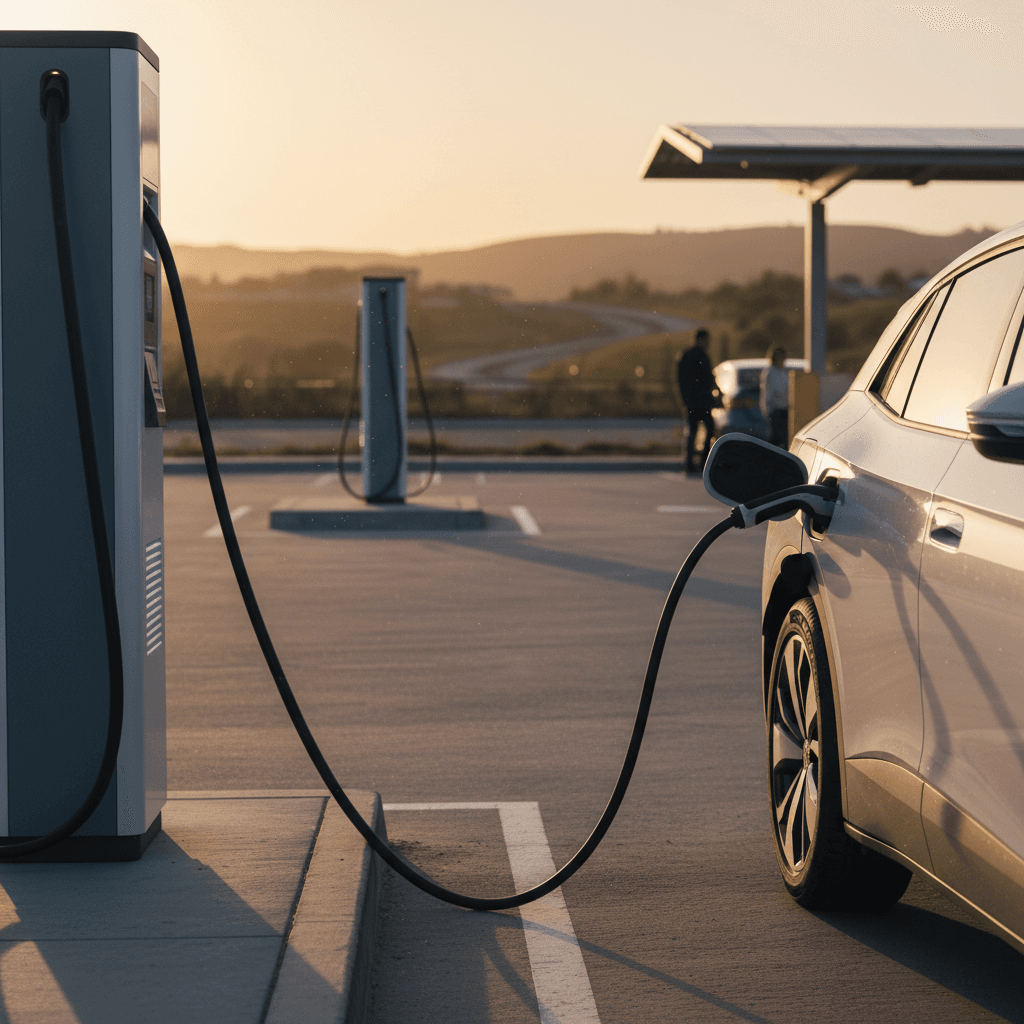
On road trips, DC fast charging is where charging speed really matters. Here, the car bypasses its onboard AC charger and talks directly to a high‑power DC station over the CCS1 port. The ID.4’s peak DC power and, more importantly, its charging curve have evolved since launch.
Volkswagen ID.4 DC fast charging – typical real-world performance
Approximate times on a healthy, high‑power DC fast charger in mild weather, starting around 10% state of charge.
| Battery / model years | Advertised peak DC power | Typical 10–80% time | Best use case |
|---|---|---|---|
| 62 kWh pack (2022–2025) | Up to ~120–125 kW | ~32–38 minutes | Shorter road trips, lighter cars, mainly city use but capable highway travel. |
| 82 kWh pack 2021–2023 (LG cells) | Up to ~125–135 kW | ~35–40 minutes | Early cars; solid highway usability but not class‑leading speeds. |
| 82 kWh pack 2024–2025 (new rear motor / updated pack) | Up to ~175 kW (ideal) | ~28–32 minutes when everything lines up | Later cars; noticeably quicker stops when conditions and chargers cooperate. |
Times are rounded and assume a properly working charger. Cold batteries, shared chargers, or power‑limited sites will be slower.
Why peak kW doesn’t tell the whole story
62 kWh ID.4 fast charging behavior
Smaller‑pack ID.4s usually peak a bit lower in raw kW, but they also have less energy to fill. That means their 10–80% time can look similar to early 82 kWh cars even though the peak number on the screen is smaller.
For mixed city/highway drivers, they’re perfectly capable of occasional road trips, just plan slightly more frequent, shorter stops.
82 kWh ID.4 fast charging behavior
Early 82 kWh cars (2021–2023) typically hover around 125–135 kW at their peak and then gradually taper as the battery fills. Newer 2024–2025 cars with the updated rear motor and pack are capable of up to about 175 kW and can shave several minutes off a 10–80% stop when everything is warm and the charger is healthy.
Real-world ID.4 charging times and road-trip planning
Manufacturer specs are useful, but when you’re planning a family trip you care about how long you’re actually parked. Here are realistic planning numbers for U.S. ID.4s in mild weather when you’re using a decent Electrify America or other high‑power CCS station.
Practical ID.4 DC fast charging planning numbers
Conservative estimates you can use when planning trips in tools like A Better Routeplanner (ABRP).
| Scenario | 62 kWh pack | 82 kWh pack (2021–2023) | 82 kWh pack (2024–2025) |
|---|---|---|---|
| 20–70% top‑up | ~20–25 minutes | ~23–28 minutes | ~18–24 minutes |
| 10–80% highway stop | ~32–38 minutes | ~35–40 minutes | ~28–32 minutes |
| Miles of range added in a “coffee stop” (~20 min) | ~90–110 miles | ~100–120 miles | ~120–140 miles |
| Miles of range added in a “meal stop” (~35–40 min) | ~150–190 miles | ~170–200 miles | ~190–230 miles |
Plan with a little buffer, real life brings wind, traffic, shared chargers, and the occasional derated site.
Aim for 10–70% or 10–80%, not 100%
If you’re coming from gasoline, think of your ID.4 as a car that prefers more frequent, shorter refueling stops. A 25–30 minute break every 2–3 hours of driving often lines up naturally with real‑world human needs, restrooms, snacks, stretching your legs, and dealing with kids or pets.
7 factors that slow your ID.4 charging speed
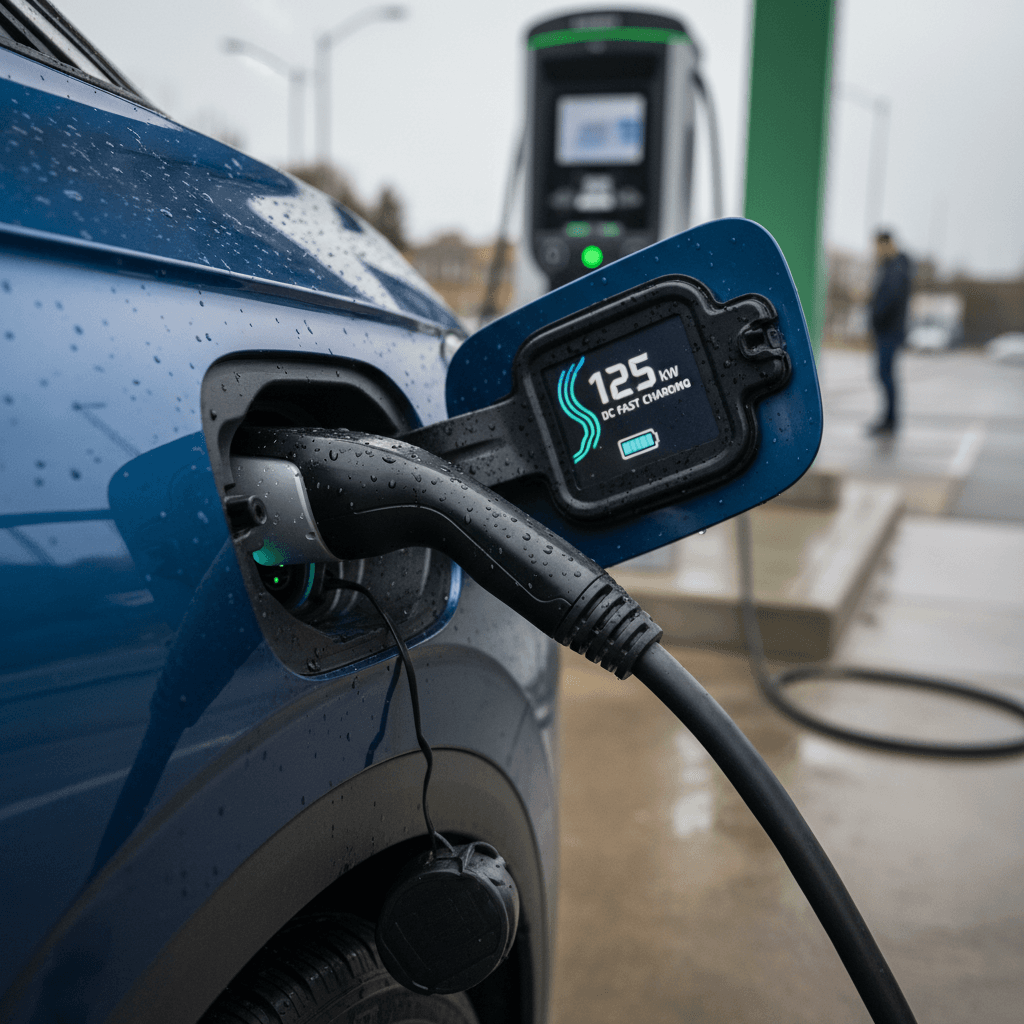
If your Volkswagen ID.4 never seems to hit the big charging numbers you see online, it doesn’t necessarily mean anything is broken. A handful of real‑world variables can dramatically change how fast electrons flow into the pack.
- Battery temperature: A cold or very hot battery will charge more slowly. In winter, it can take 10–20 minutes of highway driving before the pack is warm enough to accept near‑peak power.
- State of charge when you plug in: Fast charging is fastest between roughly 10–60%. If you plug in at 50% and insist on going to 100%, expect a long, slow session.
- Charger capability: Many stations are limited to 50–75 kW, especially in rural areas. Your ID.4 can’t exceed the charger’s own maximum, no matter what the brochure says.
- Shared power at the site: Some DC networks split power between adjacent stalls. If a neighboring car is pulling a big load, your ID.4 may be capped well below its theoretical peak.
- Software and battery age: VW has improved charging curves with software updates, but older packs and higher‑mileage cars can see slightly reduced peak power or more conservative charging behavior.
- Climate control use while charging: Running the cabin heater or A/C aggressively during a DC session pulls energy that could otherwise go into the battery, effectively reducing net charge rate.
- Network or charger derating: Stations sometimes throttle power due to heat, maintenance, or grid constraints. If multiple EVs at the same site are all charging slowly, the site, not your car, is the likely culprit.
When to suspect a problem
How to optimize your ID.4 charging speed
You can’t change physics, but you can stack the deck in your favor. A few simple habits can help your Volkswagen ID.4 charge closer to its potential, whether you’re at home or road‑tripping through unfamiliar territory.
Practical ways to speed up Volkswagen ID.4 charging
Simple habit changes that add up on every trip
Arrive with a low-but-comfortable state of charge
On DC fast charging, target 10–20% arrival at most stops. That’s where your ID.4 can pull the most power for the longest time.
Trip planners like A Better Routeplanner or the built‑in navigation can help you time these arrivals without flirting with 0%.
Warm the battery before fast charging
In cold weather, drive 20–30 minutes on the highway before your first DC stop, and avoid long downhill coasting right before charging.
If your route planner supports it, set the charger as a destination so the car knows to pre‑condition the pack where available.
Charge while you’d stop anyway
Build charging into natural breaks, bathroom stops, meals, and rest periods. Aim for 20–35 minute stops instead of chasing the last few percent.
On an ID.4, that’s often enough to add 120–200 miles of usable highway range.
Use apps to scout charger quality
Before committing to a site, check PlugShare, the network app (Electrify America, EVgo, etc.), or other driver reviews. Recent check‑ins are the best indicator of real‑world performance.
Prioritize high‑power (150 kW or 350 kW) stations with multiple stalls.
Stop around 70–80% on DC fast chargers
On the ID.4, the last 20% can easily double your session time. Unless you’re heading into a charging desert, unplug around 70–80% and you’ll make better overall progress.
Use home charging for 80–100%
Save those long, slow 80–100% top‑ups for your home Level 2 charger the night before a long drive. It’s cheaper, easier on the battery, and doesn’t tie up a public DC stall.
Leverage Volkswagen’s Electrify America perks
Buying a used ID.4? Charging questions to ask
If you’re shopping for a used Volkswagen ID.4, especially across different model years and battery sizes, charging performance should be part of your evaluation. Two ID.4s that look identical on the lot can behave very differently at a DC fast charger.
Charging-related questions to ask about a used ID.4
1. Which battery pack and model year is it?
Confirm whether the car has the 62 kWh or 82 kWh battery and its model year. Later‑year 82 kWh cars tend to charge faster on DC and deliver slightly better range.
2. What software version is installed?
Ask the seller or dealer which software release the car is on. Major ID. software updates have improved charging curves and charging reliability over time.
3. Any history of DC fast charging issues?
Ask directly about past charging problems, reduced power complaints, or high‑voltage battery warranty work. A car that consistently charges far below expected speeds may need diagnosis.
4. How much DC fast charging has it seen?
Heavy DC use isn’t necessarily a dealbreaker, but a car used as a highway commuter every day may show more battery wear. Look for patterns in service records and ask about usage.
5. Has the included home EVSE been used and stored properly?
If the ID.4 comes with a portable Level 1/2 charger, check cord condition and plug for damage. A neglected EVSE can create nuisance tripping or unreliable home charging.
6. What’s the verified battery health?
Whenever possible, rely on a <strong>professional battery health report</strong> rather than guesswork from the dash. At Recharged, every ID.4 listing includes a Recharged Score Report with independent battery health diagnostics so you know what you’re getting before you sign.
How Recharged can help with ID.4 charging questions
Ready to find your next EV?
Browse VehiclesVolkswagen ID.4 charging speed FAQs
Frequently asked questions about Volkswagen ID.4 charging speed
The Volkswagen ID.4 is not the fastest‑charging EV on the market, but with realistic expectations and a thoughtful strategy, it’s an easy road‑trip companion and a stress‑free daily driver. Understand your battery size and model year, invest in a solid Level 2 setup at home, and learn how your car behaves on a few DC fast‑charge sessions before you head across the country. If you’re considering a used ID.4, pairing this charging knowledge with a verified battery health report, like the Recharged Score that comes with every ID.4 we sell, will help you pick the right car and hit the road with confidence.