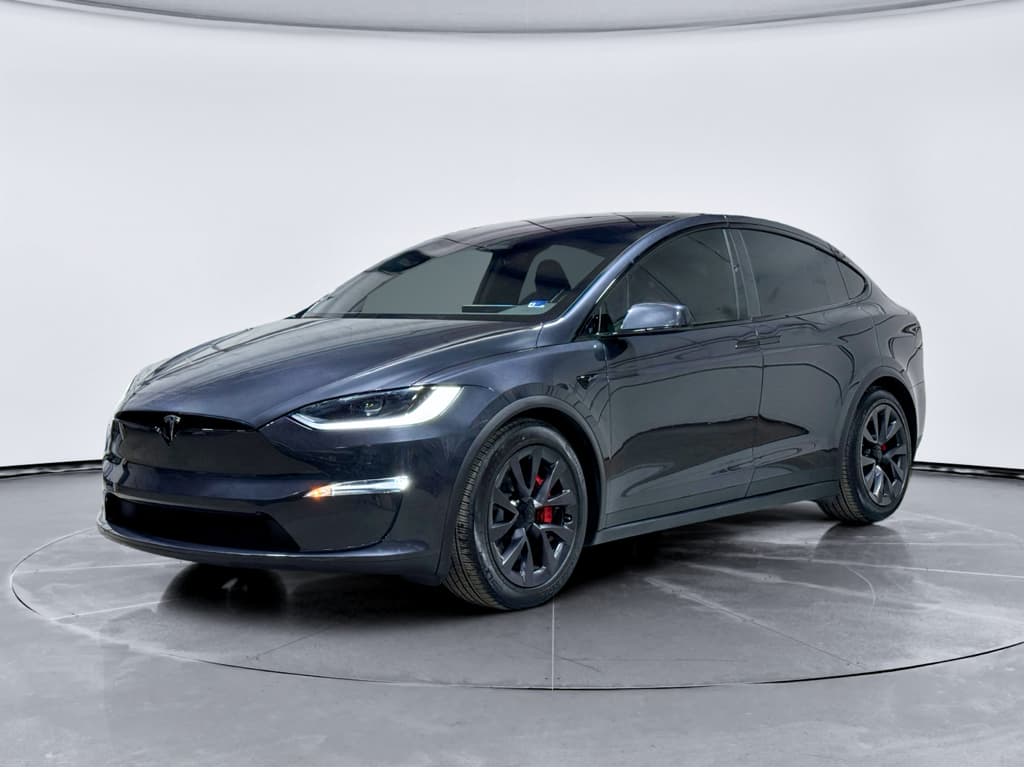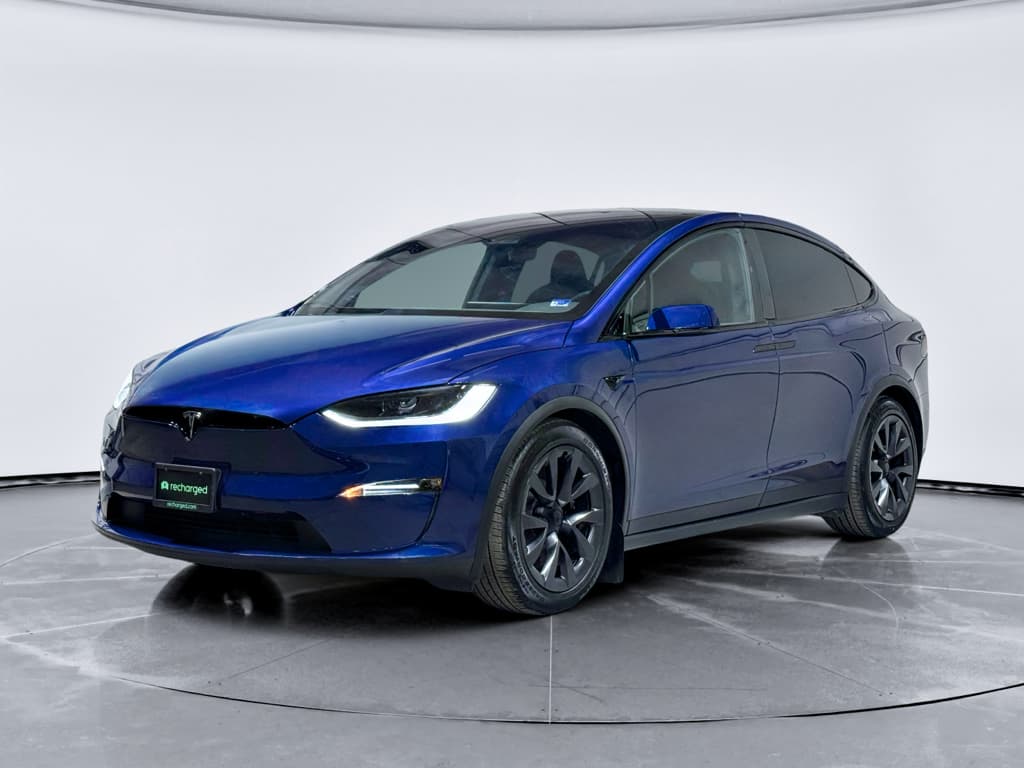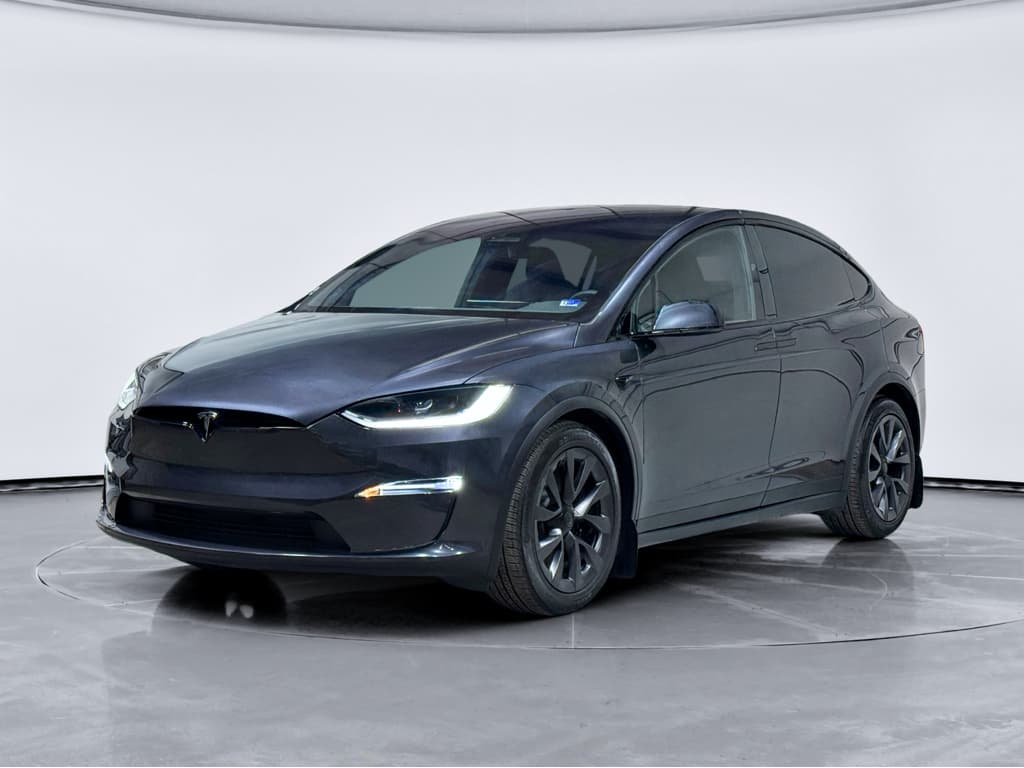
If you want a fast, high-tech, three-row electric SUV, the obvious question is: is a 2023 Tesla Model X a good buy in 2026? The answer is “yes, for the right shopper”, but only if you understand its pricing, reliability quirks, and how its battery has aged.
Snapshot verdict
Quick answer: Is a 2023 Tesla Model X a good buy?
2023 Tesla Model X at a glance
On balance, a used 2023 Tesla Model X is a good buy if you: - Want one of the few roomy three-row EVs with serious range and speed - Are comfortable with higher repair risk than a mainstream SUV - Buy one with verified battery health and a clean service history If you want bulletproof build quality, a traditional luxury interior, or minimal tech drama, stronger options exist from Mercedes, BMW, and others. For most EV-focused families who understand Tesla’s quirks, though, the 2023 Model X is still compelling, especially now that depreciation has taken a big bite out of the original sticker price.
Big-picture caution
Key specs: range, performance and seating
2023 Tesla Model X key specs
Core specs for the two main versions of the 2023 Model X.
| Spec | Model X (Dual Motor) | Model X Plaid (Tri Motor) |
|---|---|---|
| Drivetrain | Dual-motor AWD | Tri-motor AWD |
| 0–60 mph (Tesla est.) | ~3.8 sec | ~2.5 sec |
| EPA range when new* | Up to ~348 miles | Around ~333 miles |
| Seating | 5, 6 or 7 seats | 6 seats only |
| Max towing | Up to 5,000 lbs (when properly equipped) | Up to 5,000 lbs |
| DC fast-charging | Tesla Supercharger, NACS connector | Tesla Supercharger, NACS connector |
Exact range and performance vary with wheels and options, but this gives you the broad picture.
Real-world range tip
Used 2023 Tesla Model X pricing and depreciation
The 2023 Model X arrived after several Tesla price swings. Many examples originally sold in the $90,000–$120,000 range depending on options and whether you’re looking at the Plaid or dual-motor version. By 2026, used prices have cooled off substantially.
What you’ll typically pay for a 2023 Model X today
Realistic price expectations in the U.S. used market (spring 2026).
Lower end: high miles or basic spec
≈$55,000–$60,000
- Higher mileage (50k+)
- Dual-motor, 5-seat, smaller wheels
- Limited options or prior cosmetic damage
Typical sweet spot
≈$60,000–$75,000
- Moderate miles (20k–45k)
- Dual-motor with 6–7 seats, decent options
- Clean history, no major accidents
High end: low miles & Plaid
$75,000+ and up
- Plaid trim or fully loaded dual-motor
- Low mileage, pristine condition
- Performance and appearance packages
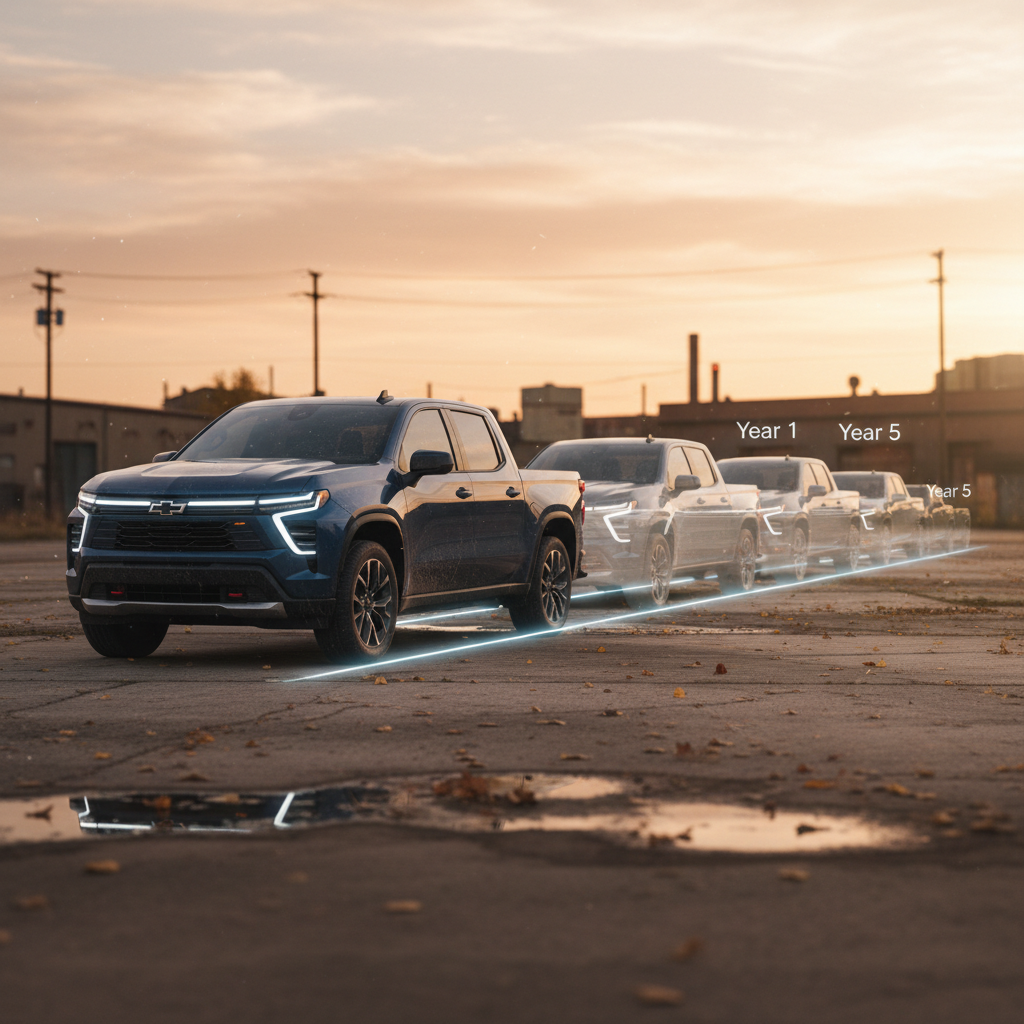
How fast do 2023s depreciate?
Value vs other luxury EV SUVs
- Comparable three-row EVs from Mercedes, BMW, or Rivian often sit in the same or higher price band used.
- The X still offers one of the best range + space + performance combinations in the segment.
What this means for you
- If you buy at today’s corrected prices, you’ve already dodged the steepest depreciation curve.
- Expect further gradual depreciation, especially now that the Model X is out of Tesla’s new lineup, but the worst of the drop is likely behind you.
Ownership costs: charging, maintenance and insurance
What it actually costs to live with a 2023 Model X
Big-ticket ownership factors beyond the purchase price.
Charging costs
On U.S. average residential rates, many owners spend the equivalent of $0.70–$1.20 per “gallon” of electricity vs. $3–$4+ gas in many regions.
Fast charging at Superchargers costs more, but you can still cut energy bills sharply vs. a V8 SUV if you mostly charge at home.
Maintenance & repairs
No oil changes and fewer moving parts mean low routine maintenance: tires, cabin filters, brake fluid, and the occasional alignment.
Repairs outside warranty, however, can be very expensive, and Tesla parts/labor pricing is often higher than mainstream brands.
Insurance
Large, fast, expensive EVs tend to cost more to insure.
Expect premiums that are meaningfully higher than a typical midsize SUV, especially for Plaid models or in areas with higher labor rates.
Cut your running costs
Reliability, build quality and recalls
Tesla has improved build quality over the years, and many 2023 Model X owners report only minor issues. That said, you’re not getting Lexus-level reliability. The Model X is complex, falcon-wing doors, air suspension, lots of software, and that complexity can create headaches.
- Early-life issues on some 2023s have included wind noise, misaligned panels, trim rattles, and squeaks.
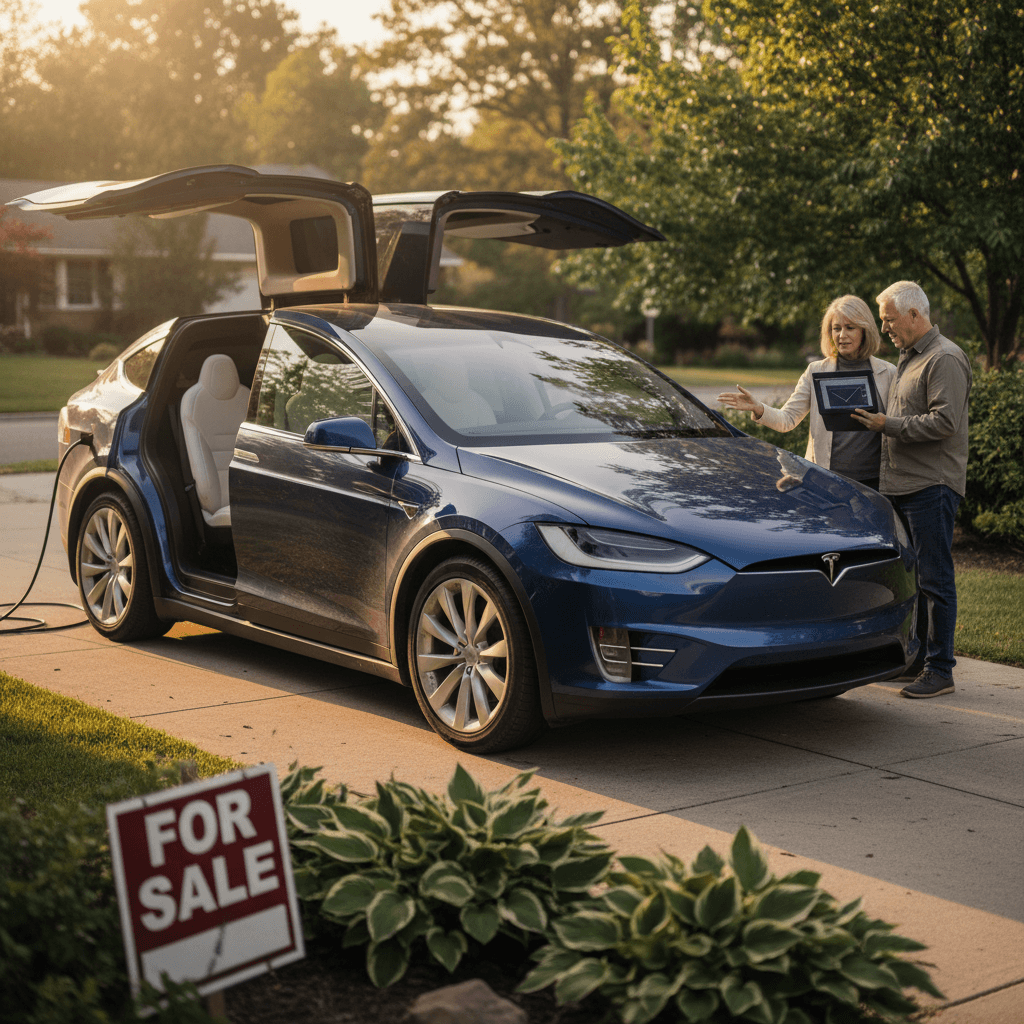
- Complex falcon-wing doors can be trouble spots if they weren’t adjusted properly or were damaged and repaired poorly.
- Software updates fix many bugs over the air but can occasionally introduce new glitches.
- Multiple over-the-air and traditional recalls have addressed things like Autopilot/FSD behavior, safety systems, and hardware components across S/X/3/Y.
Don’t skip a recall check
The bottom line on reliability: a well-sorted 2023 can be trouble-free for years, but the spread between great and frustrating examples is wider than in most mainstream SUVs. That makes inspection, test drives, and history review absolutely critical when you’re shopping used.
Battery health and real-world range on a used Model X
The 2023 Model X uses a large lithium-ion pack with a generous warranty: in the U.S., Tesla typically covers the battery and drive unit for 8 years with a mileage cap (often 150,000 miles for the X) and guarantees at least 70% capacity retention during that period. Many 2023s will still be well inside that window in 2026.
What to know about 2023 Model X batteries
Capacity loss, range expectations, and warranties.
Degradation so far
Most well-cared-for Teslas lose a small amount of range in the first couple of years, then degrade more slowly.
On a 2023 Model X, it’s common to see a 5–10% drop in displayed range by year three, depending on mileage, climate, and charging habits.
Warranty coverage
Battery and drive unit coverage is a major safety net. If you’re buying in 2026, you likely still have several years and tens of thousands of miles of factory battery warranty left, as long as the car hasn’t exceeded the mileage cap.
Always see real battery data
Who is the 2023 Model X a good buy for?
Families who road-trip often
- Need three rows and real luggage space.
- Want to tap Tesla’s extensive Supercharger network.
- Value fast charging and long range to cut stops.
If you regularly drive long distances, a 2023 Model X is still one of the easiest EVs to live with in the U.S.
Tech-forward drivers
- Like over-the-air updates, a giant touchscreen, and advanced driver-assist features.
- Don’t mind a learning curve with Tesla’s UI and a minimalist interior.
- See the car as a fast, software-defined gadget on wheels.
If that description fits, the X delivers a uniquely Tesla experience you won’t find in legacy luxury SUVs.
- You need serious acceleration and all-weather traction for merging, passing, and mountain roads.
- You plan to tow a small trailer, boat, or camper occasionally and want an EV that can do it.
- You prefer a used EV that has already absorbed the biggest hit of early depreciation.
Who should skip a 2023 Model X?
The 2023 Model X isn’t the right answer for everyone. You might want to look elsewhere if:
When a 2023 Model X probably isn’t your best move
You prize soft-touch luxury and quiet above all else
German and Japanese luxury SUVs still beat the Model X on traditional interior materials, sound insulation, and overall refinement. If that matters more than fast charging or Autopilot, shop there first.
You’re highly risk-averse on repairs
Out-of-warranty Tesla repairs can be costly, and not every independent shop is comfortable with complex EV diagnostics. If you hate surprises, a simpler, newer, or CPO vehicle with longer coverage might be better.
You don’t need three rows or Tesla’s doors
If you rarely use three rows, a Model Y, BMW iX, Mercedes EQE SUV, or similar two-row EV can be cheaper to buy and own while still delivering strong range.
You live far from Tesla service
Mobile service covers a lot, but serious issues still require a service center. If you’re many hours away, downtime and logistics can be painful.
Checklist for buying a used 2023 Tesla Model X
Essential steps before you commit
1. Verify battery health and remaining warranty
Confirm the in-car displayed full-charge range and compare it to original specs. Ask for documentation of typical charging habits and make sure there’s still substantial battery/drive unit warranty coverage left.
2. Pull a full vehicle history report
Check for prior accidents, lemon buybacks, flood damage, odometer discrepancies, and multiple owners. A clean history doesn’t guarantee perfection, but it weeds out many headaches.
3. Inspect falcon-wing doors and seals
Open and close the rear doors multiple times. Listen for grinding, watch for misalignment, and look for water leaks or excessive wind noise on a test drive.
4. Check panel gaps and interior quality
Look carefully at hood, hatch, and door alignment, plus seat stitching, trim pieces, and the dashboard. Cosmetic issues don’t always kill a deal, but they’re leverage for negotiation and insight into build quality.
5. Test every major feature
Confirm Autopilot works as expected, screens are responsive, cameras are clear, HVAC blows hot and cold, suspension height adjusts, and the audio system functions normally.
6. Price-check against the broader market
Compare your candidate’s mileage, options, and condition to a wide range of listings and valuation tools. Remember to factor in tax credits or local incentives for used EVs where applicable.
How Recharged simplifies this process
How Recharged helps you buy a used Model X smarter
Hunting for a 2023 Model X on general classifieds means sorting through wildly different stories, incomplete records, and guesswork on battery health. Recharged is built to make used EV buying simple and transparent, especially for complex vehicles like the Model X.
What you get when you shop a Model X through Recharged
EV-focused tools and services tailored to used Teslas.
Recharged Score battery diagnostics
Every vehicle includes a Recharged Score Report that measures real battery performance rather than just trusting a dashboard estimate. You see how that 2023 Model X’s pack stacks up against similar-age EVs.
Fair market pricing & trade-in options
We benchmark each Model X against national data so you know whether the price is fair. Have a vehicle to move? Use Recharged for trade-in, instant offer, or consignment and roll that value into your next EV.
EV specialists & nationwide delivery
Recharged’s EV-specialist team walks you through trim differences, charging options, and ownership costs, all in a fully digital retail experience, plus nationwide delivery if you’re not near our Richmond, VA Experience Center.
Ready to find your next EV?
Browse VehiclesFAQ: 2023 Tesla Model X as a used buy
Frequently asked questions
Bottom line: Is the 2023 Tesla Model X a good buy?
If you’re asking, “Is the 2023 Tesla Model X a good buy?”, the answer is yes, provided you’re the kind of driver it was built for. As a used purchase, it delivers huge range, jaw-dropping acceleration, and practical three-row space at a price that’s finally more in line with its age and competition.
You do trade some traditional luxury and long-term reliability confidence for cutting-edge tech and performance. That’s why it’s essential to shop carefully, verify battery health, and lean on EV-focused tools rather than guessing. A well-vetted 2023 Model X can be a fantastic long-distance family EV; a neglected or problem-plagued one can be an expensive headache.
If you’re ready to explore specific vehicles, Recharged can connect you with used 2023 Model X listings that already include a Recharged Score Report, transparent pricing, EV-specialist support, financing, and nationwide delivery. That way, you spend less time worrying about whether the 2023 Model X is a good buy, and more time deciding which one is the right fit for your driveway.