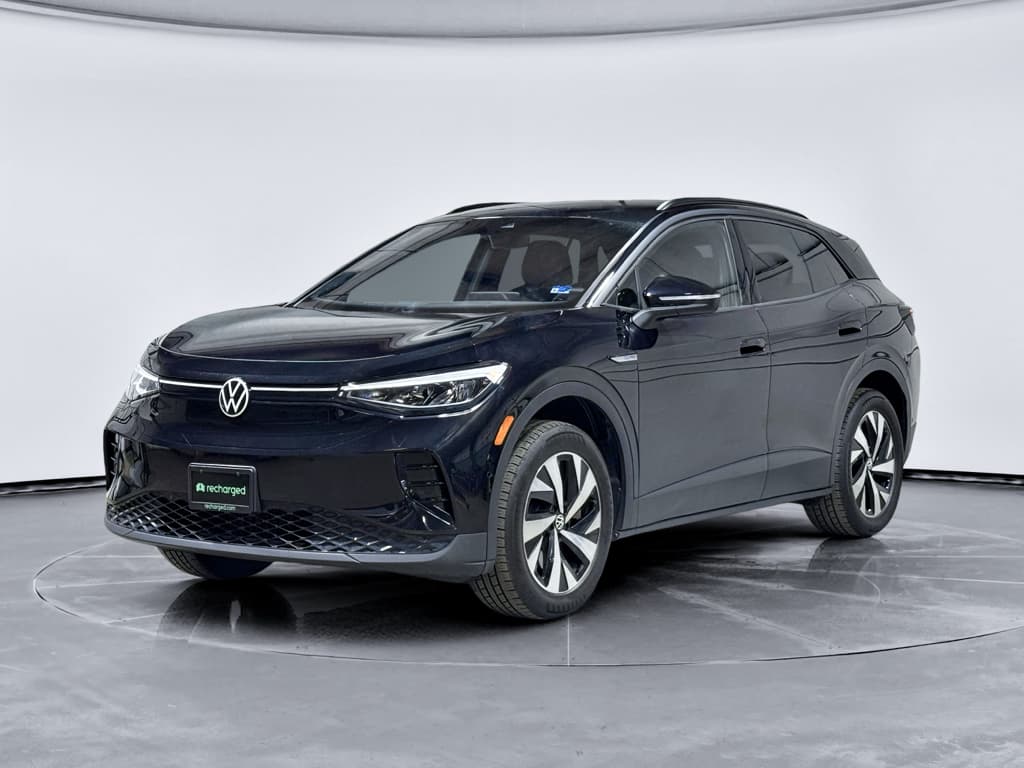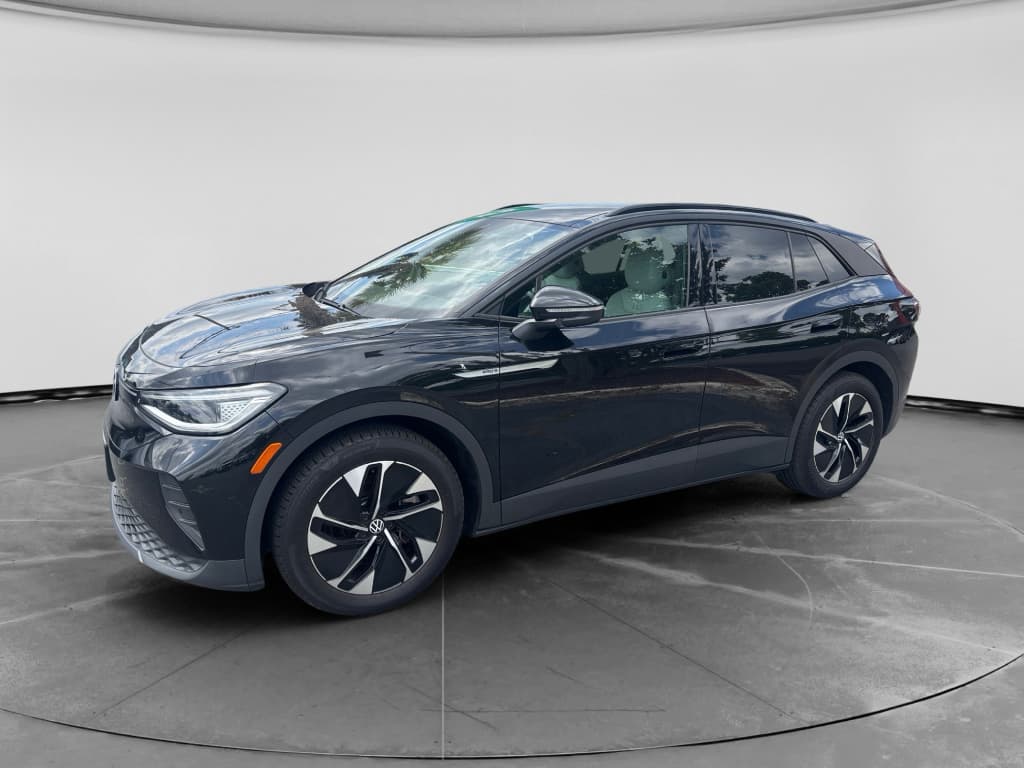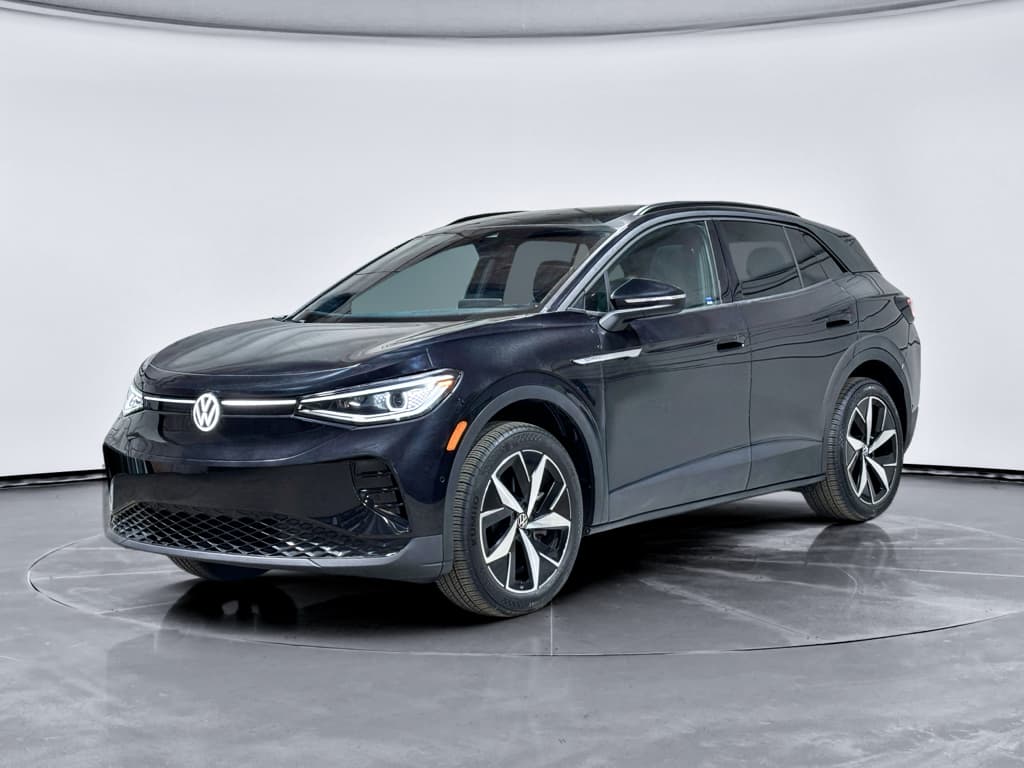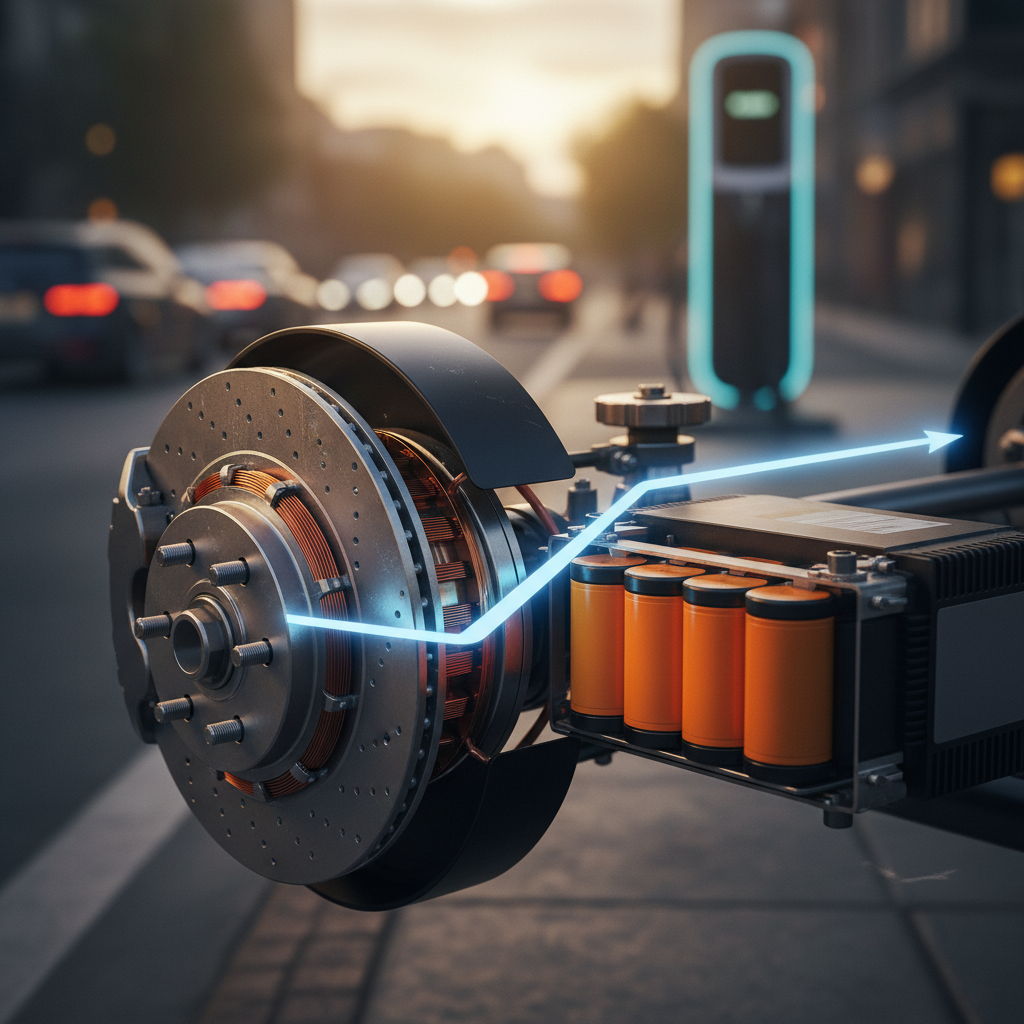
If you drive, or are shopping for, a Volkswagen ID.4, battery health is the single most important factor in how far you can go and what the vehicle is worth. A proper Volkswagen ID.4 battery health check helps you separate normal range fluctuations from real degradation, and it’s essential if you’re evaluating a used ID.4.
Good news about ID.4 batteries
Why Volkswagen ID.4 battery health matters
The high‑voltage battery is the most valuable component in your ID.4. It dictates range, charging speed, performance and, ultimately, resale value. On an EV this size, even a 10–15% loss of usable capacity can translate into 20–40 miles of missing range in everyday driving. That’s the difference between charging nightly and comfortably skipping a day, or between a stress‑free road trip and planning every stop with a calculator.
- Range: Less usable capacity means fewer miles per charge, especially noticeable on highway trips and in winter.
- Charging behavior: Aged packs can taper sooner at DC fast chargers, stretching stop times.
- Resale value: Battery state of health (SoH) is becoming a key data point for used‑EV pricing.
- Warranty claims: You need objective data to know if you’re approaching Volkswagen’s 70% capacity threshold.
Don’t confuse range estimates with battery health
How healthy are ID.4 batteries in the real world?
There’s now several years of data on Volkswagen’s MEB batteries from owner communities and independent testing. One long‑term European test of a related 77 kWh pack showed about 91% capacity remaining after roughly 107,000 miles of driving, despite frequent fast charging and some less‑than‑ideal habits like leaving the car at 100% for stretches. That easily beats VW’s own warranty promise of at least 70% capacity at eight years or about 100,000 miles.
What to realistically expect from an ID.4 battery
For used‑ID.4 shoppers
Understanding the ID.4 battery and warranty limits
Before you start any battery health check, it helps to understand what’s actually in the car and how Volkswagen backs it.
Volkswagen ID.4 battery basics
What’s inside and how VW defines "healthy"
Pack sizes
Recent U.S. ID.4 models ship with either a 62 kWh (Standard / S) or 82 kWh (Pro / Pro S / Pro S Plus) battery pack. Usable capacity is slightly lower than gross to preserve longevity.
Warranty coverage
The high‑voltage battery is covered for 8 years or 100,000 miles (whichever comes first) against defects and excessive capacity loss below about 70% of original net capacity.
Transferable protection
Battery coverage is typically transferable to subsequent owners, which matters when you’re buying used. Confirm details for your specific model year in the owner’s manual or with a VW dealer.
How VW checks warranty claims
Quick ID.4 battery health check from the driver’s seat
You can get a surprisingly good first read on your Volkswagen ID.4’s battery health with nothing more than your eyes, a calculator and a familiar route. This isn’t lab‑grade testing, but it’s a fast way to spot red flags.
5‑step Volkswagen ID.4 battery health check you can do today
1. Warm up the battery first
Do your test after 20–30 minutes of mixed driving or following a long charge, not after the car has been sitting overnight in the cold. A warm pack gives a more realistic sense of capacity and consumption.
2. Fully charge once (for testing only)
Charge to 100% at home or on AC Level 2, note the predicted range on the dash, and reset a trip meter. For everyday use, it’s still best to charge to around 80%, but 100% is useful for a one‑time baseline.
3. Drive a known route and log kWh/mi
Drive at least 30–50 miles on your normal mix of roads. Note average energy consumption (mi/kWh or kWh/100 mi) and remaining state of charge when you’re done.
4. Estimate usable capacity
Use the formula <strong>usable kWh ≈ miles driven ÷ mi/kWh ÷ (SOC used)</strong>. Compare that to your pack’s original usable capacity (roughly 58–60 kWh for the 62 kWh pack, ~74–77 kWh for the larger pack).
5. Repeat in better weather
Do the same test again on a mild day (50–70°F) with similar driving. If the implied capacity is consistently 15–20% below new in good conditions, consider a deeper diagnostic or professional test.
Adjust for winter

Using apps & OBD tools to check ID.4 battery health
If you want a sharper picture of your ID.4’s state of health, inexpensive OBD readers and apps can read data directly from the car. You don’t have to be an engineer, you just need to know what numbers to look for and how to interpret them.
Two common ways owners check ID.4 battery health
DIY data that gets you close to the truth
Vehicle apps & myVW
The official myVW app focuses on state of charge, remaining range and charge scheduling, not full battery SoH. It’s useful for tracking everyday behavior but won’t give you capacity numbers.
Some third‑party EV apps can log your charging sessions and estimate capacity over time, which helps you spot trends.
OBD2 dongle + scanner app
Many ID.4 owners use a Bluetooth OBD2 dongle and an app such as Car Scanner to read detailed battery values: cell voltages, temperatures, maximum energy content and more.
Look for fields labeled things like “Max energy content of traction battery” and compare that to your pack’s original usable capacity.
Use read‑only settings
How to interpret common ID.4 battery data points
These are typical values you’ll see when you connect an OBD app to an ID.4. Exact labels vary by software, but the logic is the same.
| Data field | What it means | What’s "normal" on a healthy pack* | When to worry |
|---|---|---|---|
| Max energy content (kWh) | Estimated usable capacity of the high‑voltage pack. | Within ~5–10% of the original usable capacity for your pack size on a 2–4‑year‑old car. | If readings consistently show 20%+ below original, especially in mild weather and across multiple sessions. |
| Cell voltage deviation | Difference between highest and lowest cell voltages. | Very small spread, often a few millivolts when the pack is balanced. | Large, persistent gaps can signal imbalance or a weak module, worth a professional look. |
| Battery temperature | Pack temperature during driving or charging. | Typically in the middle of the operating range, not pegged at the extremes. | If it runs hot repeatedly or refuses fast charging often, have it checked. |
| DC fast charge count | How often the car has used DC fast charging. | Occasional road‑trip use is fine; many owners fast‑charge regularly without major issues. | Heavy DC use alone isn’t proof of damage, but combined with low capacity it adds to the story. |
Always capture data when the battery is warm and at a stable state of charge for the most reliable Volkswagen ID.4 battery health check.
Third‑party data vs. VW diagnostics
When to get a professional Volkswagen ID.4 battery health check
Not every owner needs a lab‑grade test, but there are moments when a formal Volkswagen ID.4 battery health check pays for itself, especially in the used market.
Situations where a pro ID.4 battery test makes sense
Buying or selling a used ID.4
An objective SoH report reduces surprise and gives both sides confidence in pricing. At <strong>Recharged</strong>, every EV we list includes a Recharged Score battery health report so you’re not guessing.
Range suddenly drops and doesn’t recover
If you’ve seen a sharp, persistent drop in range across seasons, and your consumption habits haven’t changed, it’s worth an expert look to rule out a failing module or software issue.
Approaching the end of battery warranty
If your car is nearing eight years or 100,000 miles, a professional test can document capacity in case you’re close to the 70% warranty threshold.
Recurring charging faults or alerts
Error messages at DC fast chargers, unusually slow charging or repeated thermal warnings are all signals to schedule a dealer visit or EV‑savvy independent inspection.
Dealer diagnostic session
A Volkswagen dealer can run guided tests with factory equipment to assess high‑voltage battery health, check for campaigns or recalls, and confirm whether your pack is within spec.
This is the path you’ll need for any warranty consideration, especially on newer ID.4s still under coverage.
Independent battery health report
Specialty companies and EV‑focused retailers use data loggers or standardized drive/charge cycles to produce a third‑party SoH report. It’s especially helpful for used‑EV transactions, lender requirements, or when you’re comparing multiple vehicles.
Recharged’s own Recharged Score combines battery diagnostics with pricing analytics so you see both health and value in one place.
Checking ID.4 battery health when buying used
Battery uncertainty is the number‑one reason many shoppers hesitate on a used EV. The good news is that with an ID.4 you can quickly separate solid cars from risky ones, if you know what to ask and what data to collect.
Used Volkswagen ID.4 battery health checklist
Questions and checks that actually move the price needle
Age & mileage
Ask for the model year, in‑service date and current odometer. A three‑year‑old ID.4 with ~30,000 miles and modest DC fast‑charging use is unlikely to have serious degradation.
Charging history
How did the prior owner charge? Mostly home Level 2 at 60–80% is ideal. Constant DC fast charging to 100% isn’t an automatic disqualifier, but it’s worth pairing with a health test.
Service & recall records
Ask for VW service history, software updates and recall documentation. Recent ID.4s have had software and hardware campaigns related to the high‑voltage system; you want a car that’s current.
Step‑by‑step used ID.4 battery health check
1. Start with a visual and dash check
Look for any battery or electrical warning lights. Verify that the car charges normally on both AC and, if possible, DC. Note predicted range at a known state of charge and compare to EPA ratings for that trim.
2. Take a longer test drive
On a mixed 20–40 mile drive, monitor energy consumption and how quickly the state of charge drops. Large, unexplained swings or erratic range estimates can signal underlying issues, or just a pack that isn’t well balanced.
3. Pull basic battery data (if possible)
With the seller’s permission, use an OBD reader and app to capture max energy content and a snapshot of cell balance. Even one clean set of readings can reveal whether the pack looks typical for its age.
4. Get a professional report for high‑value deals
On newer, higher‑priced ID.4s, or if the data raises questions, insist on a formal <strong>Volkswagen ID.4 battery health check</strong>. When you shop through <strong>Recharged</strong>, this work is already done and presented in the Recharged Score so you can compare multiple vehicles apples‑to‑apples.
Battery recalls & safety
Habits that protect your ID.4 battery long term
You can’t stop battery degradation, but you can strongly influence how quickly it happens. The same habits that keep an ID.4 pack healthy also make it easier to pass any future Volkswagen ID.4 battery health check with room to spare.
- Use 20–80% as your daily comfort zone. Save 100% charges for road trips or occasional balancing, not nightly habit.
- Favor AC Level 2 home charging over constant DC fast charging when your schedule allows.
- Avoid leaving the car parked for days or weeks at very high or very low state of charge; 40–70% is ideal for storage.
- Pre‑condition the cabin while plugged in in extreme heat or cold, instead of relying solely on the battery while you drive.
- Keep software updated so you benefit from VW’s improvements to thermal management and charging logic.
Storing an ID.4 for weeks or months
Volkswagen ID.4 battery health FAQ
Common questions about ID.4 battery checks
Key takeaways for ID.4 owners and shoppers
A Volkswagen ID.4 battery health check doesn’t have to be mysterious or intimidating. From simple driver‑seat tests to OBD apps and professional diagnostics, you have multiple ways to understand how much usable energy is left in the pack and how that should affect your confidence and your budget.
For current owners, the goal is to track trends over time and keep your charging habits in the battery’s comfort zone so you stay well above VW’s 70% warranty floor. For used‑ID.4 shoppers, the win is being able to compare cars objectively, factoring battery health into the price the same way you would mileage or options.
If you’d rather skip the detective work, Recharged builds this analysis into every vehicle we sell with a Recharged Score report that covers battery health, market pricing and more. However you choose to buy or own, making battery health a first‑class data point is the best way to get the most out of a Volkswagen ID.4.