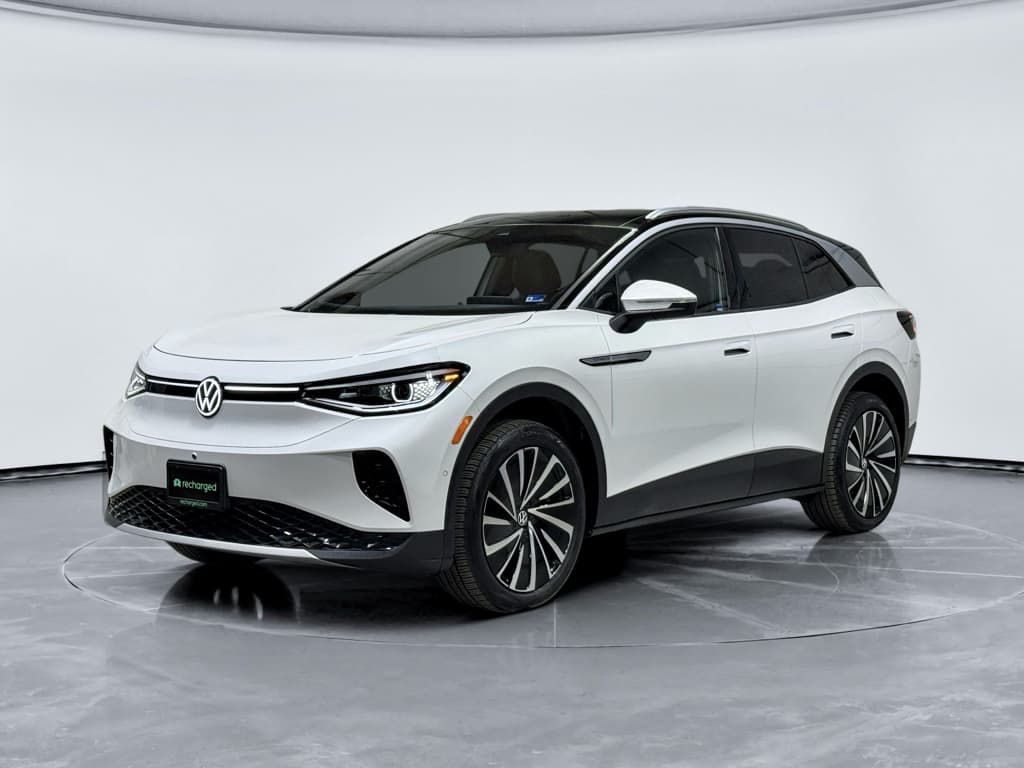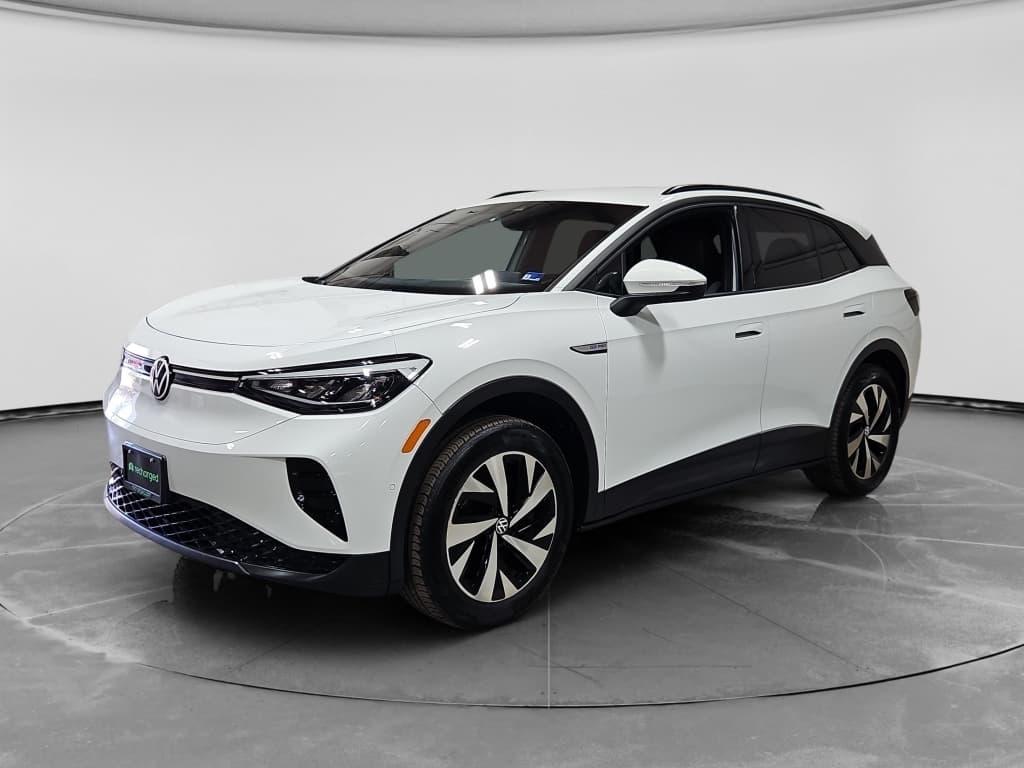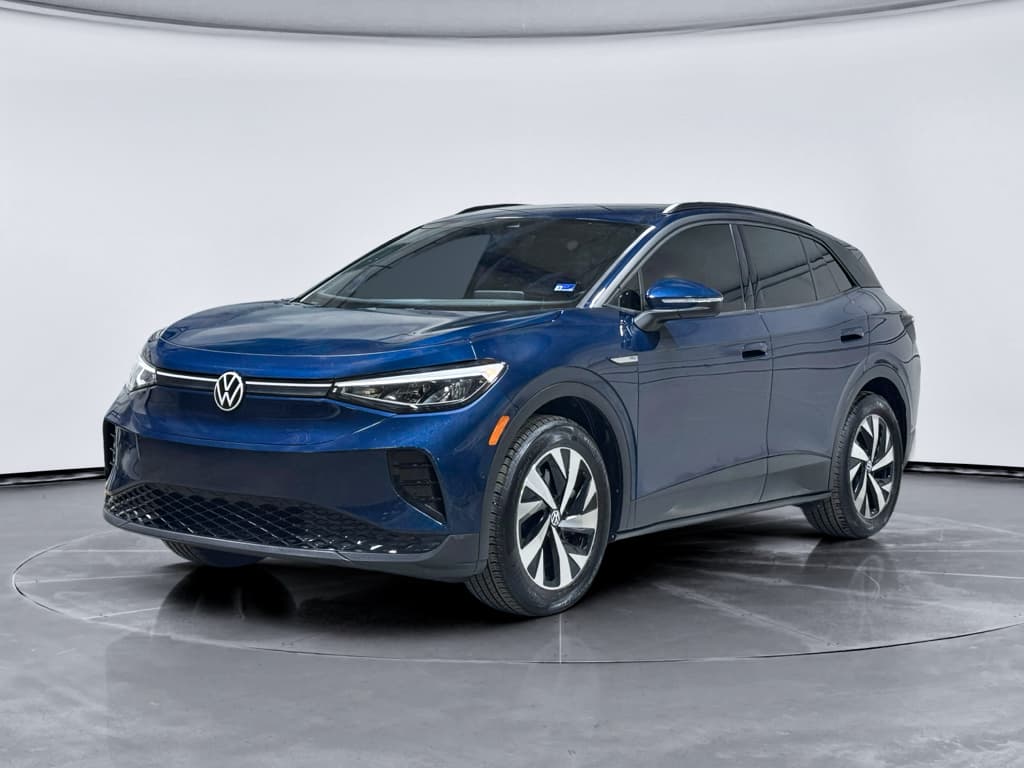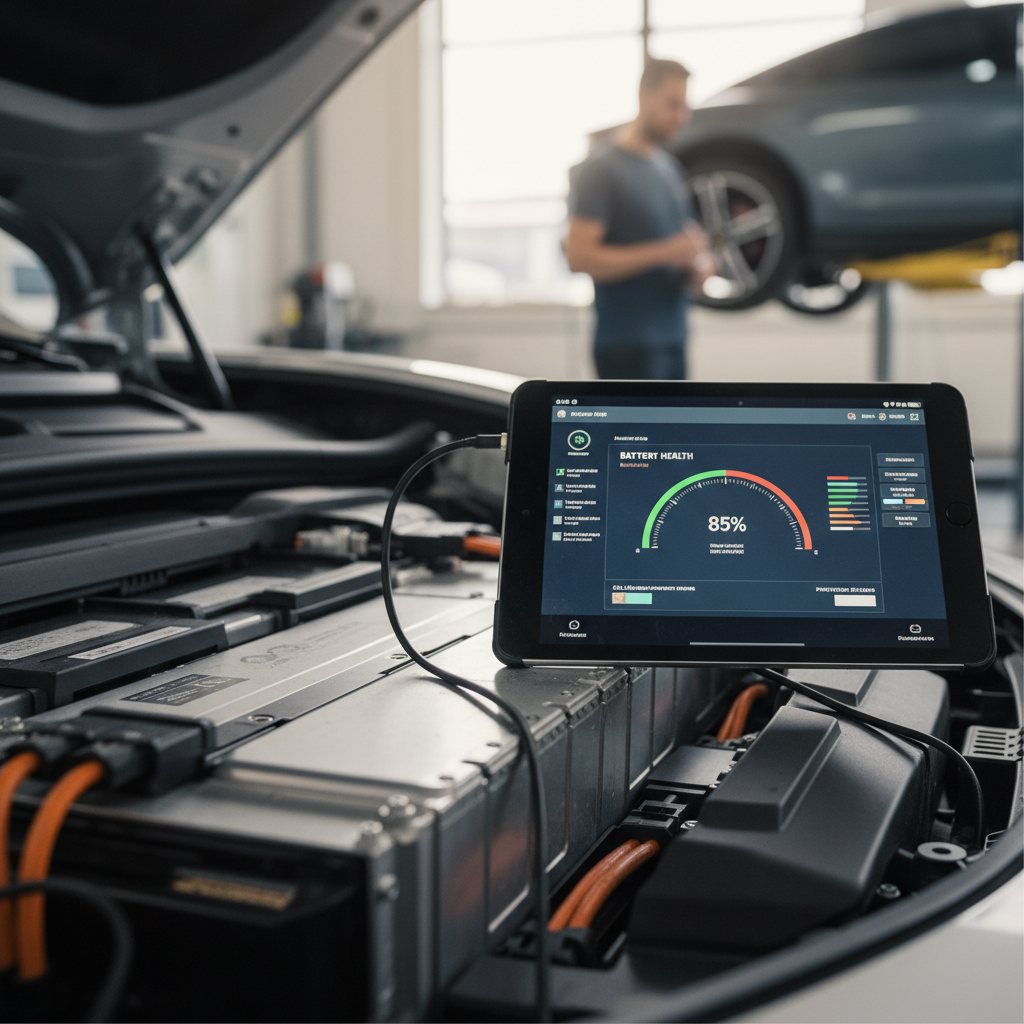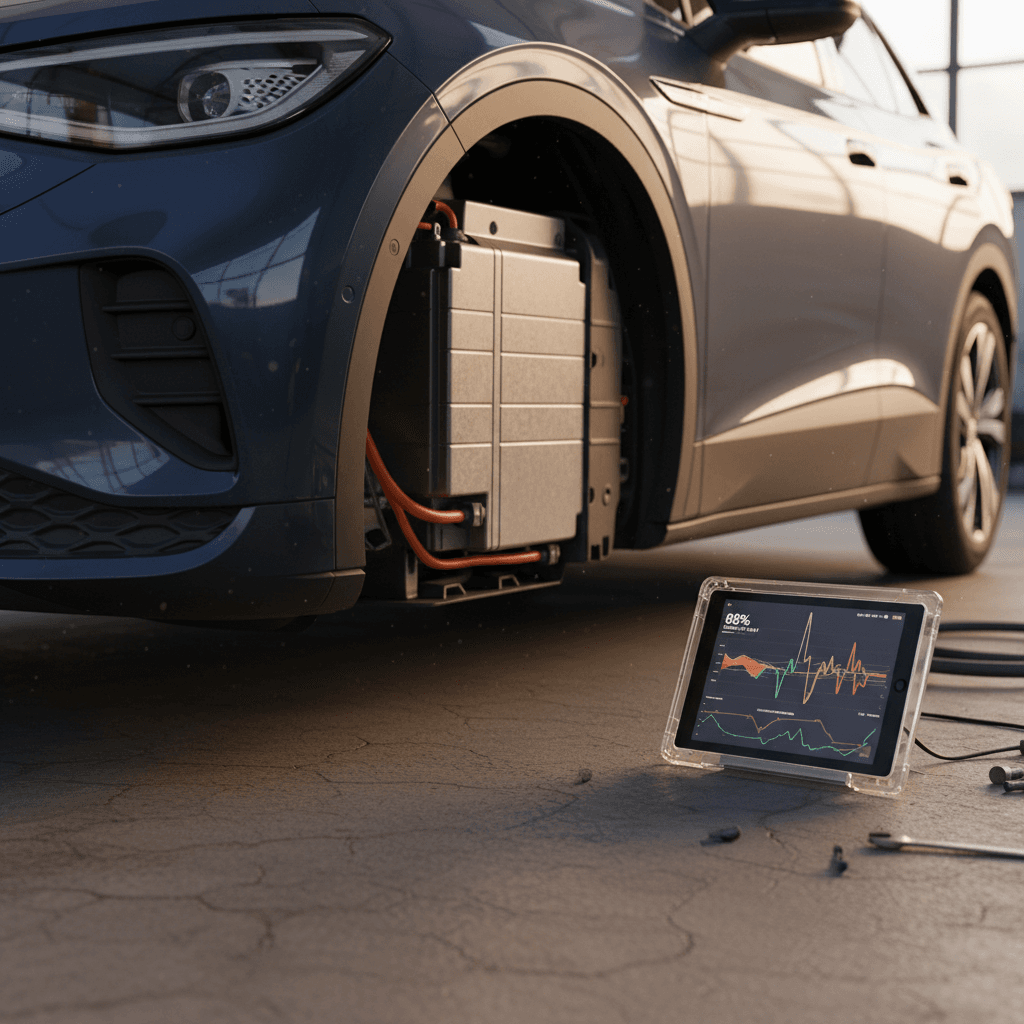
If you’re driving or shopping for a Volkswagen ID.4, you’ve probably asked yourself: how much does the ID.4 battery degrade per year, and what does that mean for range and resale value? The good news: real‑world data so far suggests that ID.4 batteries are holding up better than most people fear, especially within Volkswagen’s 8‑year/100,000‑mile warranty window.
Quick answer
How much does an ID.4 battery degrade per year?
Volkswagen doesn’t publish an official “battery degradation per year” number for the ID.4, and no responsible source will claim a single precise percentage that applies to every car. But when you combine VW’s 70% capacity warranty floor with what we’re seeing from owner data and broader EV battery research, a realistic picture emerges.
ID.4 battery degradation at a glance
If you translate these numbers into a simple rule of thumb, an ID.4 that’s driven and charged sensibly will often lose roughly 10–15% capacity over its first 5–6 years, then see the degradation curve flatten as it ages. That’s not a guarantee, but it’s consistent with what we see across modern liquid‑cooled EV packs in similar vehicles.
Beware of linear “X% per year” thinking
How VW’s 70% battery warranty really works
Every new Volkswagen ID.4 sold in North America comes with a high‑voltage battery warranty of 8 years or 100,000 miles (160,000 km in many other markets). Within that period, Volkswagen guarantees that the pack will retain at least about 70% of its original net (usable) capacity, assuming it hasn’t been abused or damaged.
- If your ID.4 originally had a 77 kWh usable pack, VW is effectively guaranteeing at least ~54 kWh usable after 8 years/100,000 miles.
- Capacity is checked using Volkswagen’s own diagnostic procedures, not the guess‑o‑meter range display on the dash.
- If the pack tests below the 70% threshold under warranty, VW’s remedy is to repair or replace modules or the pack to bring capacity back above that floor.
- Normal degradation up to ~30% within the warranty window is considered acceptable and is not grounds for a claim.
Why 70% matters for range
It’s important to understand that VW’s warranty is a safety net, not a forecast. It doesn’t mean every ID.4 will lose 30% by year eight. In practice, most healthy packs will stay comfortably above the 70% floor, especially if they aren’t subjected to constant high‑power DC fast charging or extreme heat.
What owner data says about ID.4 battery degradation
Because the ID.4 only launched for the 2021 model year, we don’t yet have a wave of 10‑year‑old cars to analyze. But we do have thousands of early‑life data points from ID.4 owners, independent battery‑health tools, and dealer diagnostics, plus broader EV degradation research that applies to VW’s chemistry and pack design.
Emerging picture from ID.4 owners
What we see so far from 2021–2024 cars
Mild early loss
Many ID.4 owners report 2–6% apparent capacity loss in the first 1–2 years. That’s typical across modern EVs and often includes some “calibration noise” from the BMS rather than true cell damage.
Heat & DC fast charging outliers
A small subset of cars that live in very hot climates and rely heavily on DC fast charging are seeing noticeably higher capacity loss, sometimes into the low‑double‑digits within ~20,000–30,000 miles.
Overall low claim rates so far
Public warranty data and owner reports don’t show a flood of ID.4 packs hitting the 70% threshold early. Most batteries appear to be tracking closer to industry averages of ~1.5–2% per year under normal use.
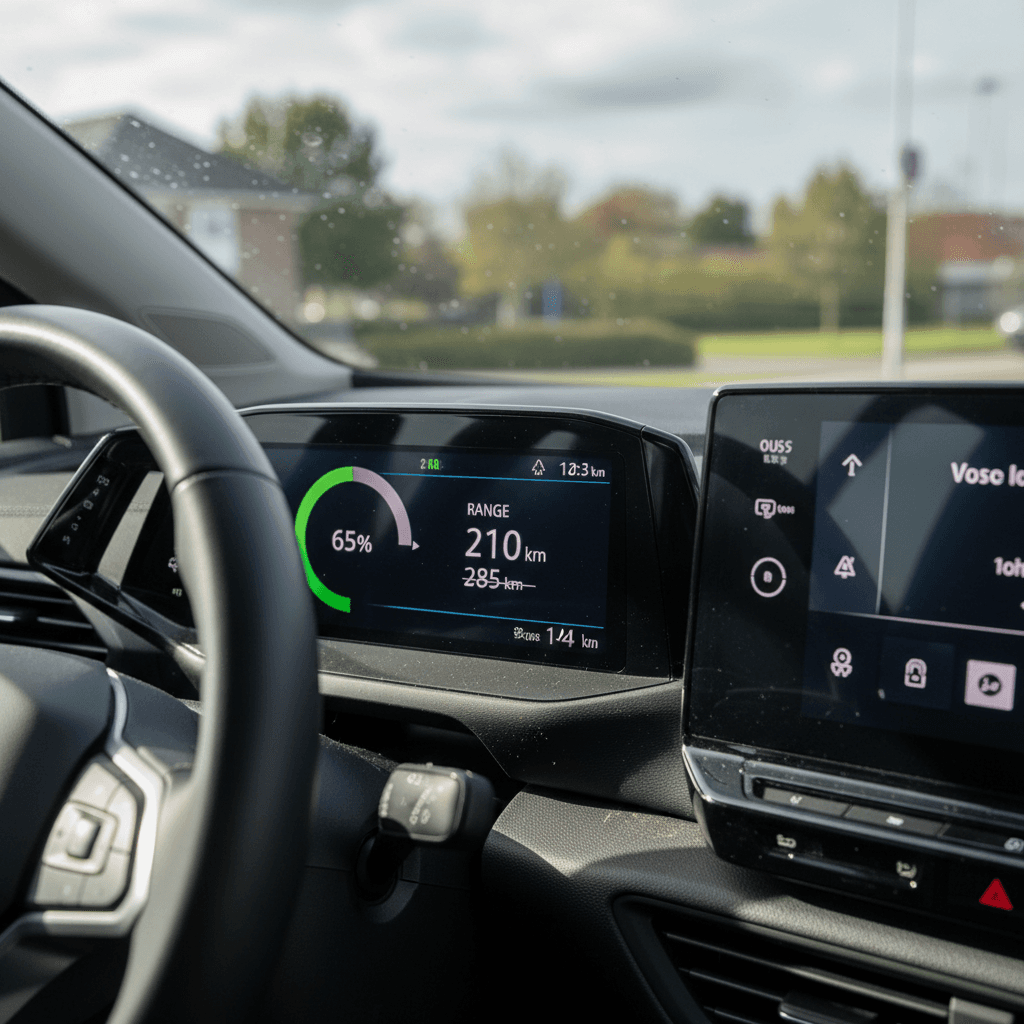
Don’t over‑trust the guess‑o‑meter
For shoppers, the takeaway is that a three‑ or four‑year‑old ID.4 that’s been driven sensibly and mostly charged at home is unlikely to be anywhere near the 70% floor. But because usage patterns vary, the smartest move is to test the actual pack health rather than guessing from mileage alone.
Factors that speed up or slow down ID.4 battery wear
The ID.4 uses a modern liquid‑cooled lithium‑ion pack that’s fundamentally robust. But just like any EV, how you use and store the car can shave years off the pack, or help it age gracefully. If you want to minimize Volkswagen ID.4 battery degradation per year, these are the levers that matter most.
Key drivers of ID.4 battery degradation
Habits and conditions that influence how quickly the ID.4’s battery loses capacity.
| Factor | Speeds degradation | Slows degradation |
|---|---|---|
| Average State of Charge (SoC) | Parking for days near 100% or near 0% | Parking long‑term around 30–70% |
| Charging Type | Frequent high‑power DC fast charging, especially in heat | Mostly AC Level 2 or even Level 1 at home |
| Temperature | Regular exposure to very hot climates, especially when full | Garaging, shade, and avoiding prolonged heat when at high SoC |
| Driving Pattern | Repeated full‑throttle acceleration and heavy towing at high speeds | Smooth driving, moderate speeds, avoiding repeated deep discharges |
| Storage Habits | Leaving the car unused for months at 100% or near empty | Storing around 40–60% and checking in monthly |
| Software/BMS | Ignoring software updates that improve thermal and charging logic | Keeping software relatively up‑to‑date via dealer or OTA updates |
Keep an eye on these factors to keep your ID.4’s yearly degradation low.
Biggest long‑term battery killers
How to measure your Volkswagen ID.4 battery health
Because the dash doesn’t show a simple “state of health” number, you’ll need to be a bit more deliberate if you want to know how your ID.4’s battery is really doing, or if you’re evaluating a used car someone else has lived with.
Simple ways to check ID.4 battery degradation
1. Do a controlled full charge test
On a mild‑temperature day, run the pack down close to 5–10% by driving normally, then charge to 100% on AC (Level 2 if possible). Note the displayed estimated range. Compare it to EPA‑rated range for your trim, adjusting for your recent driving efficiency (mi/kWh). A small gap, say, 5–10%, is normal.
2. Track energy used vs. miles driven
Reset a trip meter, drive a full charge from ~90% down to ~10–20%, and note both miles driven and kWh used. Divide miles by kWh to get real‑world efficiency, then back‑calculate approximate usable capacity. This gives a more grounded view than the guess‑o‑meter alone.
3. Ask for a dealer battery report
A Volkswagen dealer can run <strong>official diagnostic tests</strong> that estimate remaining usable capacity and flag weak modules. This is especially useful if you suspect a warranty claim or are considering buying an older, higher‑mileage ID.4.
4. Use reputable third‑party tools carefully
Some OBD‑II and app combos can read pack parameters, but the quality of the data and interpretations varies. Treat these tools as <strong>screening aids</strong>, not official tests. For warranty or purchase decisions, lean on OEM‑grade diagnostics.
5. Look for range consistency over time
If your summer highway range at similar speeds has dropped from ~250 miles when new to ~220 over a few years, that’s likely a mix of normal degradation and slightly different conditions. Sudden, unexplained drops are where you want further investigation.
How Recharged checks ID.4 battery health
Ready to find your next EV?
Browse VehiclesPractical habits to reduce ID.4 battery degradation per year
You don’t have to baby your ID.4, but a few low‑friction habits can materially reduce your annual battery degradation and protect your range over the long haul.
Easy daily habits that protect your ID.4 pack
Small changes, big impact over 8+ years
Charge to what you actually need
For daily commuting, set your charge target to 70–80% instead of 100%. Save full charges for road trips or when you truly need maximum range.
Time charging to finish near departure
If possible, schedule home charging so the car reaches your target SoC shortly before you leave. This keeps the pack from sitting at high SoC for hours while cold or hot.
Use DC fast charging strategically
DC fast charging is fine on road trips, but try not to live on DC daily. When you do fast charge, it’s typically healthiest to charge from ~10–20% up to ~70–80%, rather than to 100% repeatedly.
Manage temperature when you can
Garage the car if possible, or at least aim for shade in hot climates. Avoid leaving it fully charged in blazing heat for long periods.
- Avoid letting the car sit for weeks at either near‑empty or near‑full. If you store it, shoot for 40–60% SoC.
- Keep up with software updates, which can refine charging curves and thermal management.
- If you tow or drive at sustained high speeds, expect somewhat more rapid degradation and plan your charging habits accordingly.
Good news for normal drivers
What this means if you’re buying a used ID.4
Used ID.4s are increasingly attractive: depreciation has already taken a bite, and you still have a modern EV with plenty of range and tech. The key question for a shopper is: how much battery has this specific car lost, and how fast is it likely to degrade from here?
What matters more than age
- Charging history: A three‑year‑old car that lived on DC fast charging in Phoenix is a very different proposition than one that mostly slow‑charged in Seattle.
- Stored environment: Garaged vs. street‑parked in the sun, especially when full, shows up in battery health over time.
- Mileage vs. calendar age: Both cycles and calendar time matter. A low‑mileage pack can still age if it sat full for months each year.
Smart questions to ask the seller
- “How did you usually charge, home Level 2, workplace, or DC fast mostly?”
- “Did you regularly charge to 100%, or keep it around 70–80%?”
- “Has the pack ever been evaluated by a Volkswagen dealer or third‑party battery health service?”
- “Any long‑term storage (months) where the car sat nearly full or empty?”
How Recharged de‑risks used ID.4 shopping
Volkswagen ID.4 battery degradation FAQ
Frequently asked questions about ID.4 battery life
Bottom line on Volkswagen ID.4 battery degradation
Viewed through a sober lens, Volkswagen ID.4 battery degradation per year isn’t something most owners need to panic about. With modern liquid‑cooled packs, VW’s 8‑year/100,000‑mile warranty to roughly 70% capacity, and reasonable charging habits, an ID.4 should deliver useful range well into its second decade.
The real risk isn’t that every ID.4 suddenly becomes unusable at year eight, it’s that a specific car may have been used or charged in ways that age the pack faster. That’s why objective battery‑health data matters so much, especially on the used market. Whether you’re keeping your current ID.4 or shopping for one, focus on good charging hygiene, realistic expectations, and transparent diagnostics rather than scary worst‑case anecdotes.
If you’re considering a used ID.4 (or trading one in), Recharged was built to make this part simple. Every car on the platform comes with a Recharged Score battery health report, fair‑market pricing, and EV‑specialist support so you can make a confident decision about how much life, and range, is really left in the pack.