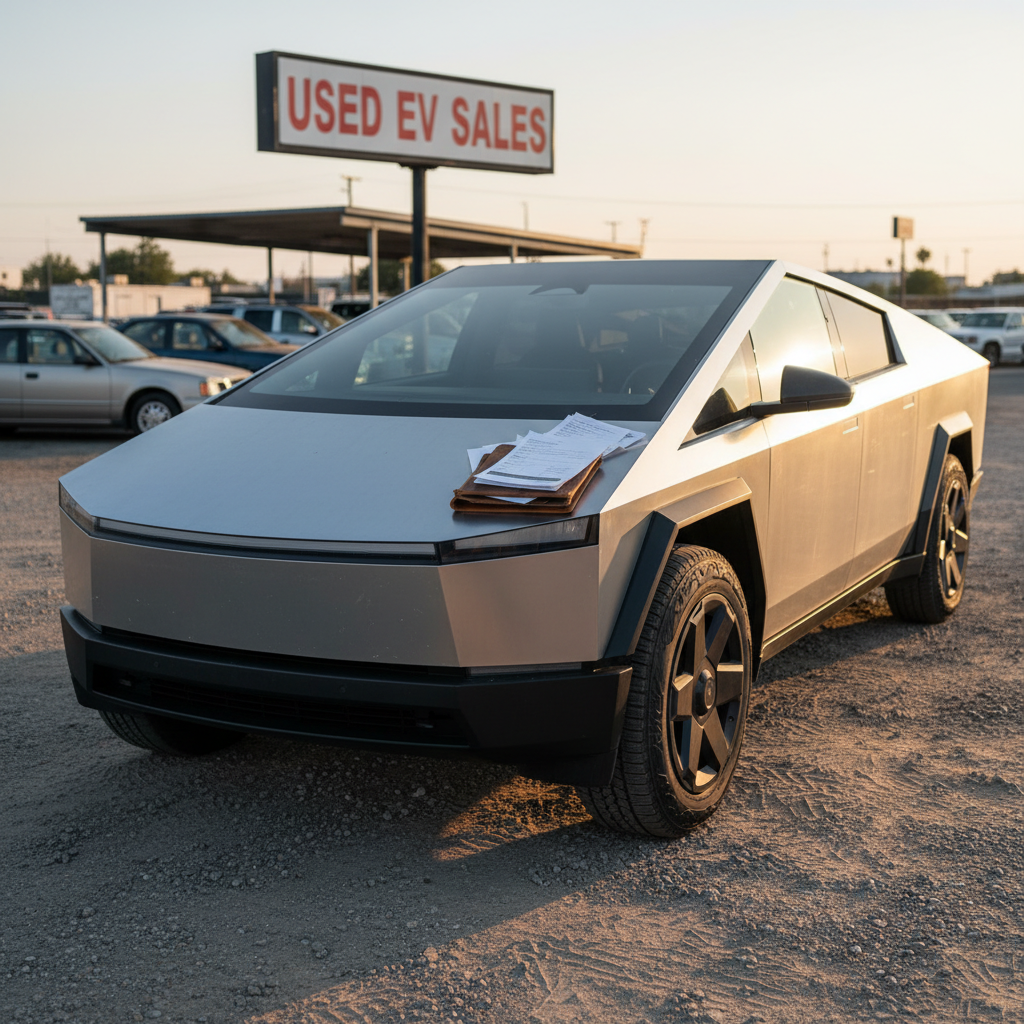
If you’re searching for a Ford Mustang Mach‑E 100,000 mile review, you’re probably asking one question: does this early Ford EV still feel like a smart bet once the odometer ticks into six figures? The answer, as usual with cars and with life, is: it depends what you expect, and how well the previous owner treated the battery.
Quick takeaway
Why a 100,000-Mile Mach‑E Review Matters
The Mach‑E was one of the first serious EVs from a legacy American brand to go toe‑to‑toe with Tesla. Early adopters piled on miles, commuting, Uber duty, road trips, so we now have real‑world data on what a 100K‑mile Mustang Mach‑E looks and feels like. That makes it one of the best case studies for whether you should trust a high‑mileage used EV at all.
Who this long‑term look is for
If you see yourself in one of these groups, read on.
Used EV shoppers
Considering a high‑mileage Mach‑E because it’s thousands cheaper than a low‑mile example? You’ll learn what to check so you don’t inherit someone else’s experiments.
High‑mileage commuters
You’re piling on 20–30K miles a year and wondering if the Mach‑E will gracefully age past 100K without eating you alive on repairs.
EV‑curious owners
You want to understand battery life, degradation, and warranty coverage before you leave gasoline behind.
Used EV pro tip
Warranty 101: The Mach‑E’s 8‑Year/100,000‑Mile Safety Net
Ford gives the Mustang Mach‑E the same core protection as most modern EVs: a separate warranty for the high‑voltage bits that matter most to your wallet.
Ford Mustang Mach‑E factory warranty at a glance
How coverage typically looks on 2021+ Mach‑E models in the U.S.
| Coverage type | Years / Miles | What it covers |
|---|---|---|
| Bumper‑to‑bumper | 3 years / 36,000 miles | Most components, interior tech, electronics, trim |
| Powertrain | 5 years / 60,000 miles | Electric drive unit and related hardware not under EV components |
| Electric vehicle components | 8 years / 100,000 miles | High‑voltage battery, e‑drive components, onboard charger, DC/DC converter |
| Corrosion (perforation) | 5 years / unlimited miles | Rust‑through on body panels |
| Roadside assistance | 5 years / 60,000 miles | Towing, flat tire changes, lockouts, some battery‑related help |
Always confirm exact coverage for the model year you’re considering, but this is the general pattern.
Battery warranty fine print
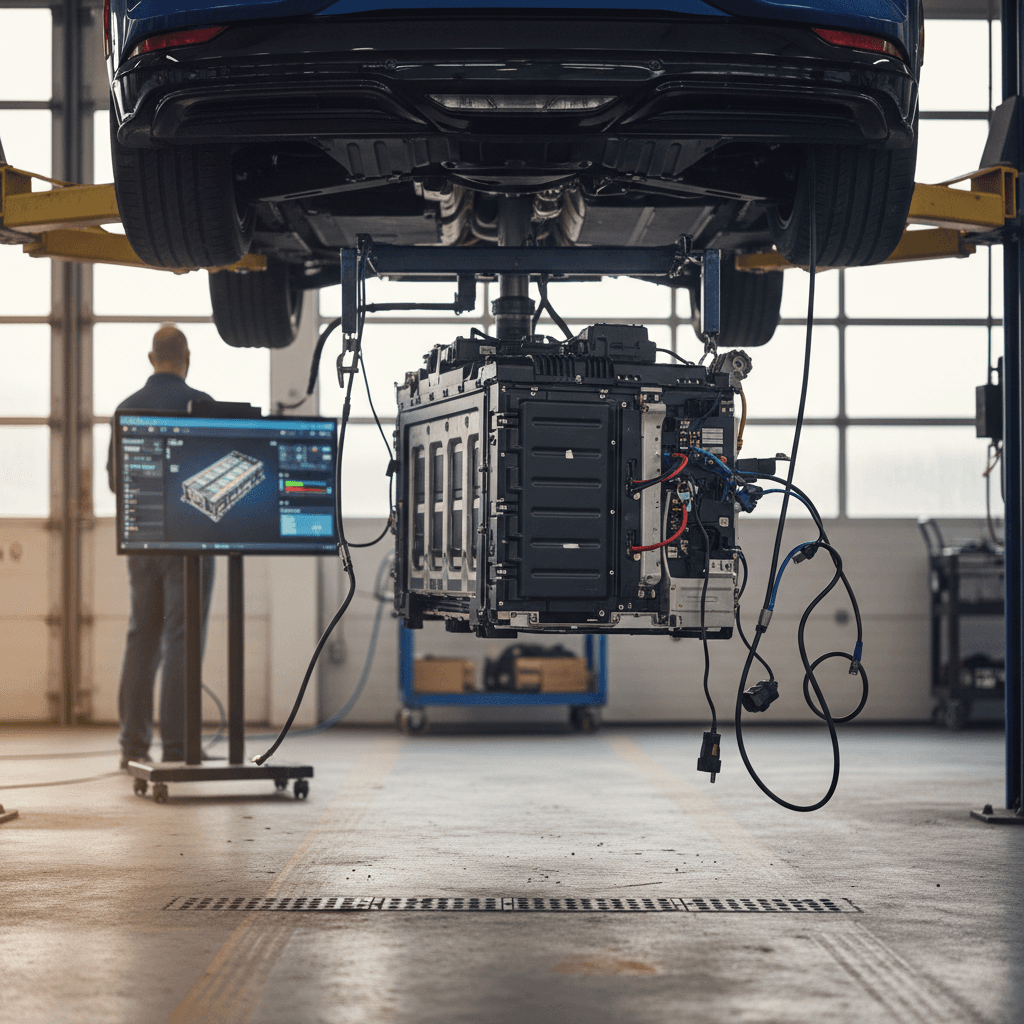
If you’re buying a used Mach‑E that’s just crossed 100K miles, assume the big‑ticket EV warranty has timed out, even if the calendar says year six or seven. That’s why independent battery‑health data becomes so important on a high‑mileage example.
Battery Health at 100,000 Miles: What Owners Are Seeing
Typical battery story around 100K miles
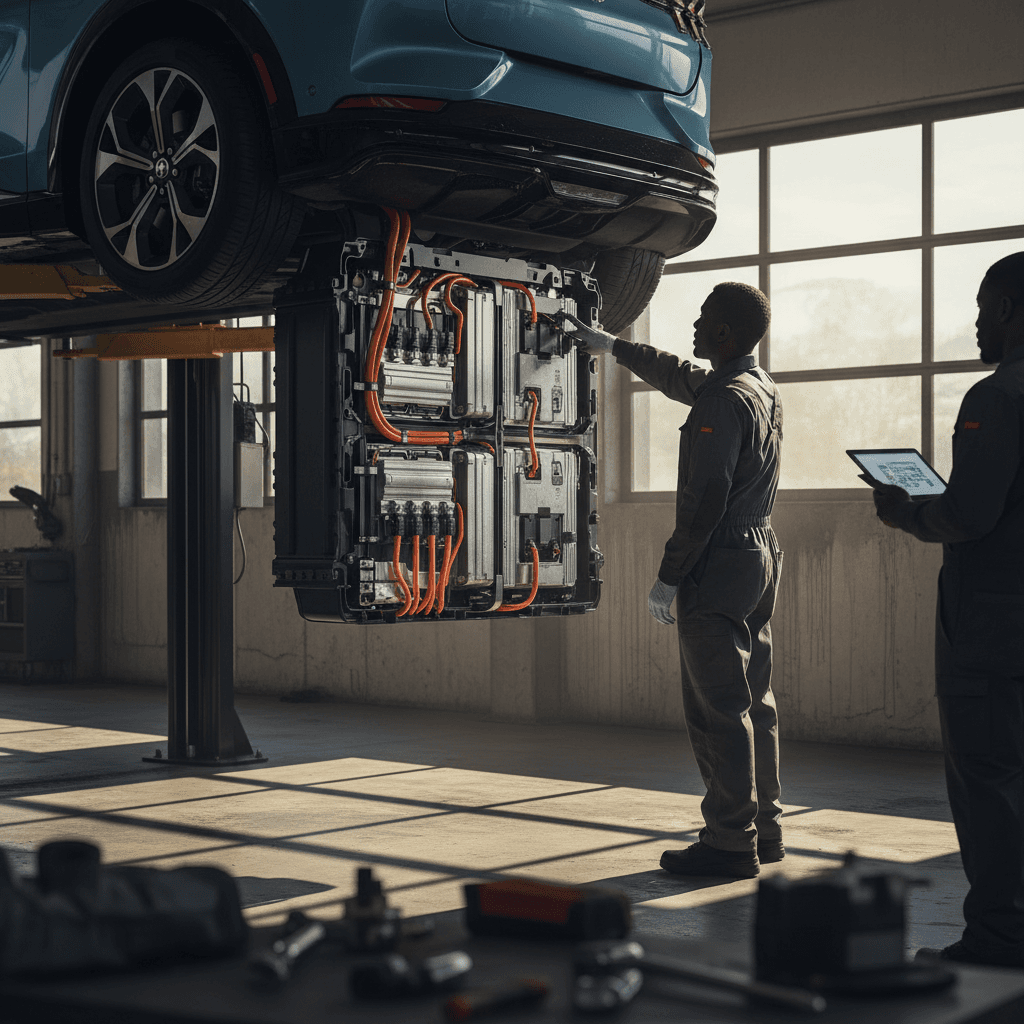
Unlike a gasoline engine, an EV battery doesn’t usually fall off a cliff at 100,001 miles. Degradation tends to be gradual. Mach‑E owners who log their battery capacity over time typically report single‑digit to low‑teens percentage loss by the time they see six‑figure odometer readings, assuming reasonable charging habits.
- Mild climates and mostly home Level 2 charging: often the best results, with range still feeling very close to new.
- Frequent DC fast charging and very hot climates: more noticeable loss and more thermal stress on the pack and contactors.
- Constant 100% charging and deep discharges: small hits that add up over years.
Don’t guess, measure it
Real-World Range After 100K Miles
Range is the emotional part of any Ford Mustang Mach‑E 100,000 mile review. That EPA sticker number you saw on launch day, 211 to 320 miles depending on trim, was a science‑fair score under ideal conditions. A hundred thousand miles later, reality looks a bit different.
When new (EPA estimates)
- Standard‑range RWD: roughly 230 miles
- Extended‑range RWD: roughly 300+ miles
- AWD & GT models: less range, more grin factor
Real‑world highway at 75 mph often knocked 10–20% off even when new.
Typical at ~100,000 miles
- Plan on 10–15% less usable range than new, assuming average degradation.
- Cold weather, big wheels, and fast driving still hurt more than degradation itself.
- A well‑kept extended‑range car can still be an honest 230–260‑mile highway machine.
How to test range on a test drive
Reliability, Trouble Spots, and Recalls
The Mach‑E has not been drama‑free. At 100,000 miles, you’re not just inheriting a battery; you’re inheriting every software update and recall campaign Ford has or hasn’t done.
Common Mach‑E trouble spots to ask about
Most are manageable if properly addressed.
HV battery contactor issues
SYNC & screen glitches
Electronic door latches
Loss of motive power is a red‑flag history
The good news is that electric powertrains have fewer moving parts than a traditional engine and transmission. At 100K miles, a Mach‑E that’s received its recall repairs and software updates tends to feel mechanically tight, no misfires, no transmission shifts, no exhaust, just tires, bushings, and software to keep up with.
Running Costs: Tires, Brakes, and Maintenance
One advantage of a high‑mileage EV is that someone else already paid the steepest part of the depreciation curve. Beyond that, the Mach‑E has genuinely low day‑to‑day running costs compared with a comparable gas crossover.
Typical wear and maintenance by 100,000 miles
What many Mach‑E owners have paid for by the time they hit six figures.
| Item | Typical interval by 100K | Notes |
|---|---|---|
| Tires | 2–3 full sets | EV torque and weight are hard on rubber, especially 19–20" performance tires. |
| Brake pads/rotors | Often original or 1 replacement | Strong regen means friction brakes last a long time unless driven aggressively. |
| Cabin air filter | 2–3 replacements | Easy DIY; keeps HVAC and defrost working well. |
| Coolant service (battery/drive unit) | May be due once | Follow Ford intervals; don’t skip thermal‑system service on a high‑mileage EV. |
| 12‑volt battery | 1 replacement | A weak 12‑volt can trigger weird EV behavior; check its age on any used car. |
Actual costs vary by region and driving style, but this gives you a ballpark.
Fuel & maintenance savings add up
What to Check on a Used 100K‑Mile Mach‑E
Shopping a high‑mileage EV is different from hunting a high‑mileage V6 crossover. Rust and service history still matter, but the battery, software, and charging history now sit at the top of your checklist.
100K‑mile Mach‑E pre‑purchase checklist
1. Get objective battery‑health data
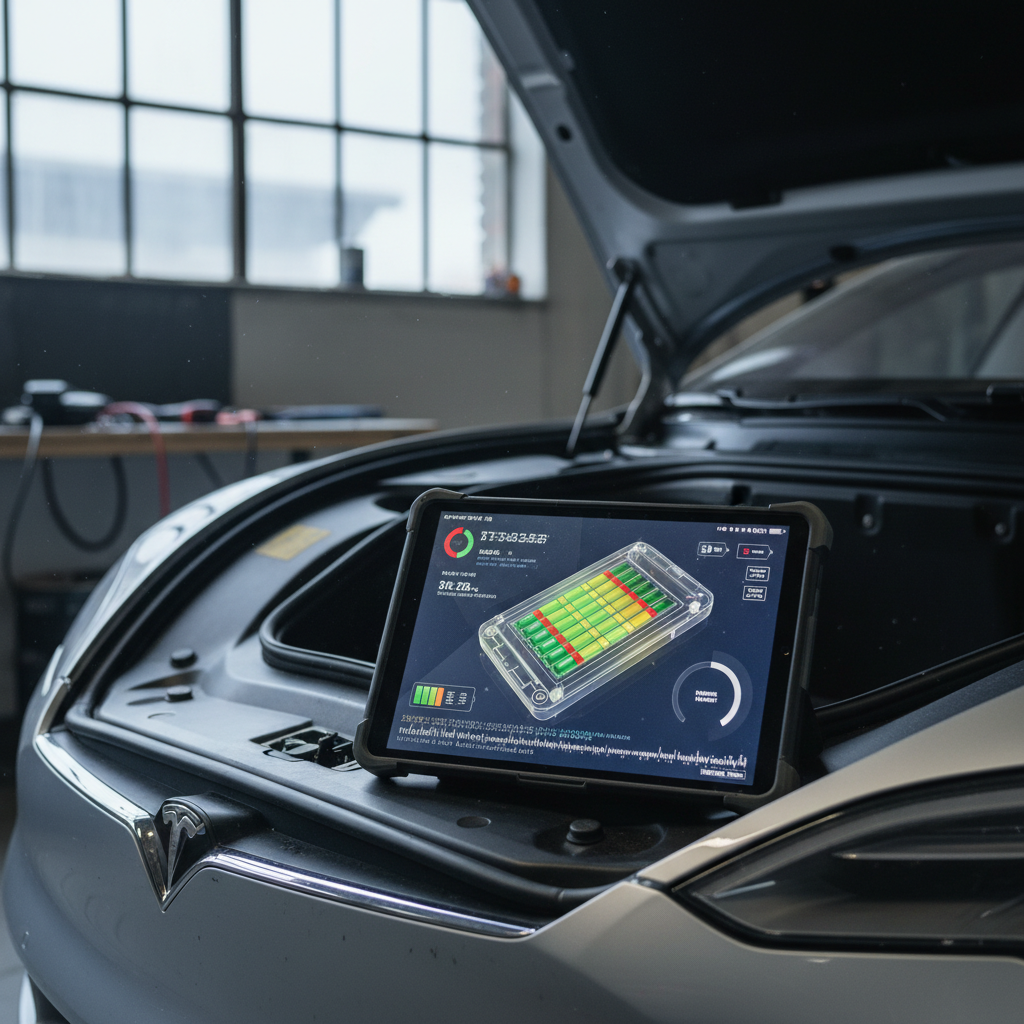
Ask for a professional battery diagnostic or a recent report, ideally something like the <strong>Recharged Score</strong> that quantifies pack health, fast‑charge history, and cell balance instead of guesswork.
2. Verify all recall work
Use the VIN to check recall status and make sure HV battery junction‑box/contactors, latch software, and camera or screen updates have been performed where applicable.
3. Check DC fast‑charging history
A car that occasionally road‑tripped on DC fast is fine; one that lived on DC fast 5 days a week is a harder pass. Ask the owner and look at service notes if available.
4. Inspect tires, brakes, and suspension
Listen for clunks over bumps, feel for shimmy at highway speeds, and inspect pads and rotors. A tight‑feeling chassis at 100K is a good sign of careful ownership.
5. Test every door, screen, and camera
Cycle all doors and windows, run the power liftgate, test front and rear cameras, park‑assist, and BlueCruise (if equipped). Electrical gremlins tend to reveal themselves in small glitches.
6. Confirm charging behavior
Plug into Level 2 during your inspection if possible. The car should handshake quickly, charge without errors, and not throw warning lights or "Stop Safely Now" messages.
Don’t skip the long test drive
How Recharged Evaluates High‑Mileage EVs
With any EV, especially at or near the 100,000‑mile mark, the big unknown is invisible: the battery. That’s exactly what Recharged was built to demystify.
What you get with a Recharged high‑mileage Mach‑E
More than a gut feeling and a friendly seller.
Recharged Score battery health
Every vehicle on Recharged includes a Recharged Score Report that summarizes pack health, charging history, and how the car compares to similar EVs. You’re not guessing; you’re looking at real diagnostics.
Transparent pricing & comps
We benchmark each Mach‑E against the broader used‑EV market, so you can see how mileage, trim, and battery health affect fair pricing.
EV‑specialist guidance
From explaining Ford’s 8‑year/100K EV warranty to decoding service records, our EV‑specialist support team walks you through the whole process, financing, trade‑in, and even nationwide delivery if you’re not near our Richmond, VA Experience Center.
Use high miles as a bargaining chip
FAQ: High‑Mileage Ford Mustang Mach‑E
Common questions about 100K‑mile Mach‑E ownership
Is a 100,000‑Mile Mustang Mach‑E Worth It?
A century’s worth of miles used to be a car’s retirement party. For a well‑kept Mustang Mach‑E, 100,000 miles is more of a mid‑career review. The structure is solid, the electric powertrain is barely warmed up, and the most expensive component, the battery, usually has plenty of life left if it hasn’t been abused.
If you pair that with the Mach‑E’s low day‑to‑day running costs and the right kind of history, complete recalls, clean diagnostics, sensible charging habits, a high‑mileage example can be one of the smartest values in the used‑EV market. Just don’t buy blind. Whether you’re shopping locally or browsing a curated inventory on Recharged, treat a Ford Mustang Mach‑E 100,000 mile review not as a horror story to avoid, but as a checklist to verify. Armed with real battery‑health data, fair pricing, and expert guidance, you can let someone else’s miles work very much in your favor.