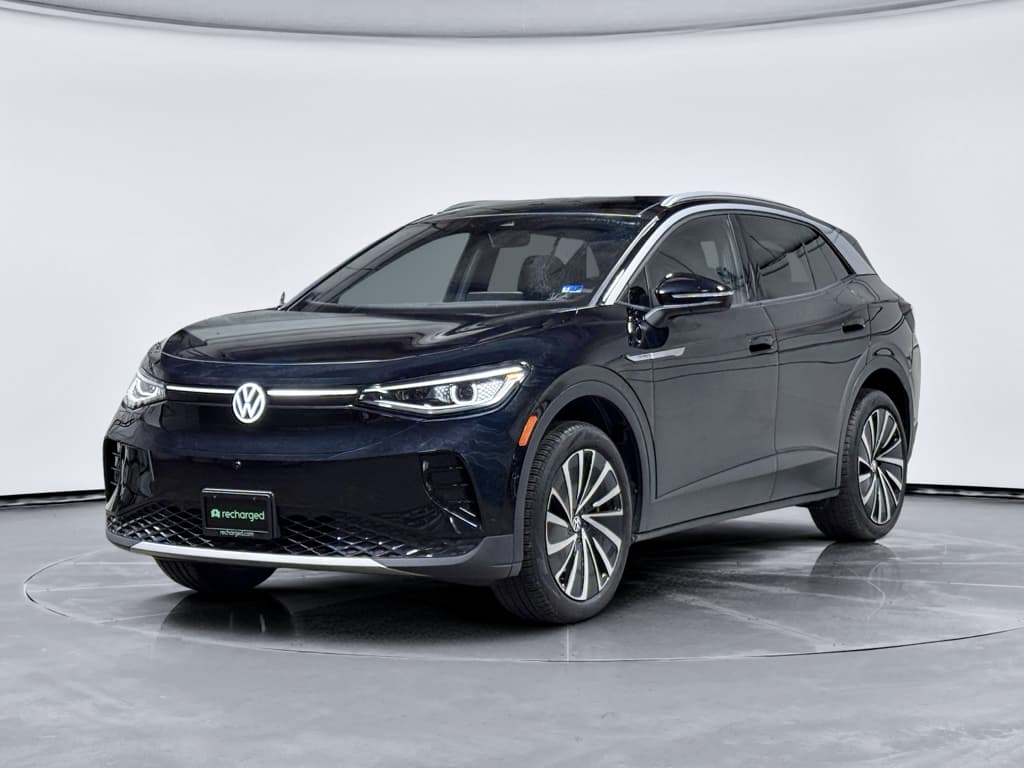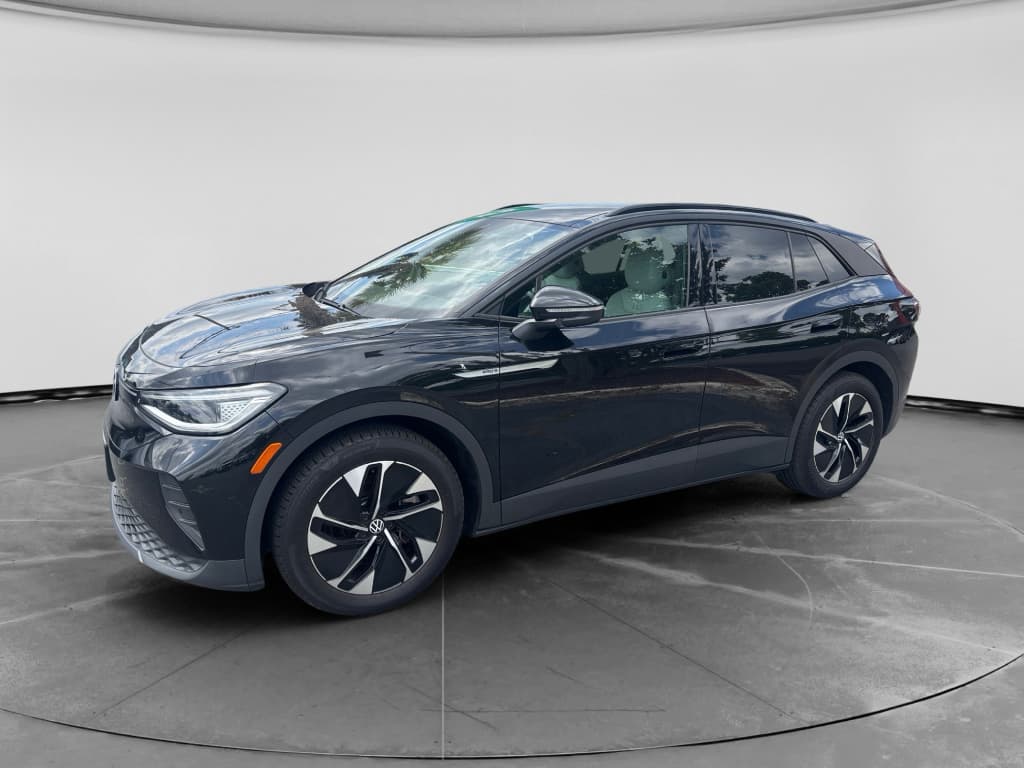
The Volkswagen ID. Buzz is the rare electric car that makes strangers walk up to you in parking lots. It’s part family hauler, part retro art project, and it’s priced like a design object. If you’re searching for a Volkswagen ID. Buzz monthly payment calculator, you’re already asking the right question: “What does this actually cost me every month?”
Sticker shock is built in
Why ID. Buzz monthly payments are tricky to pin down
Most online car payment tools assume you’re buying a mid‑price crossover with big rebates and predictable resale value. The ID. Buzz is a niche electric van with volatile discounts, limited inventory, and a fast‑changing EV market. Your monthly payment isn’t just about price, it’s about how you structure the whole deal.
- High MSRP for the segment, especially versus gas minivans and many three‑row EVs
- Discounts and dealer markups swinging between “please take it” and “good luck finding one” depending on inventory
- No federal purchase tax credit on new U.S. ID. Buzz models because they’re built in Germany, though lease incentives sometimes pass through
- Rapid shifts in used EV values, which affects resale value and lease pricing
- Insurance and charging costs that sit on top of the payment, whether you finance or lease
Don’t trust generic payment widgets blindly
Key numbers you need before using a VW ID. Buzz payment calculator
Before you open any Volkswagen ID. Buzz monthly payment calculator, gather a short list of hard numbers. The more precise you are up front, the less your real‑world quote will surprise you at the finance desk.
The five inputs every ID. Buzz calculator will ask for
Have these ready before you start estimating payments.
1. Purchase price
Start with the actual selling price, not just MSRP:
- Ask the dealer for a buyer’s order with all add‑ons
- Include destination and mandatory doc fees
- Subtract any negotiated discount
2. Down payment & trade
Decide how much cash you’ll actually put down and whether you’re trading a vehicle.
- Cash down (after taxes and fees)
- Trade‑in value or instant offer
- Any loan you still owe on your trade
3. Interest rate or money factor
Your rate depends on your credit and lender:
- APR for a loan (e.g., 5.9%)
- Money factor for a lease (e.g., 0.0025)
- Term options: 36–84 months for loans, 24–48 for leases
4. Taxes & fees
Don’t forget the boring stuff:
- State and local sales tax
- Title, registration, and documentation fees
- Any dealer add‑ons you can’t remove
5. Lease‑specific numbers
If you’re leasing an ID. Buzz, you’ll also need:
- Residual value (what the bank thinks it’s worth at lease‑end)
- Any lease cash or EV incentive baked into the deal
- Annual mileage allowance (10, 12, or 15k)
6. Insurance & charging (for reality check)
The calculator won’t always show these, but your budget will feel them:
- Monthly insurance premium on an ID. Buzz
- Home charging costs or public charging plan
- Any subscription features you plan to keep
Use your real credit score, not wishful thinking
How to use a Volkswagen ID. Buzz monthly payment calculator
Nearly every bank, credit union, and online auto site has a loan or lease calculator. The good ones all work the same way. Here’s how to use them intelligently for an ID. Buzz instead of just punching keys until the number looks pretty.
Step 1: Start with the out‑the‑door price
Enter the true out‑the‑door price, ID. Buzz plus destination, options, doc fees, and taxes. If the calculator doesn’t handle tax, add it yourself (price × your local tax rate) and enter the higher figure as the amount financed.
On a van that starts around the low $60,000s, a few thousand in taxes and fees is not a rounding error, it’s a chunk of your payment.
Step 2: Layer in down payment and trade
Subtract your planned down payment and the real equity in your trade. If your current loan balance is higher than the car’s value, that negative equity effectively adds to the ID. Buzz price and pushes your payment up.
This is where a fair instant offer or consignment through a service like Recharged can keep a bad trade from haunting your new payment.
Step 3: Choose a realistic term and rate
Most EV buyers are tempted by 72- or 84‑month terms to squeeze the payment down. The calculator will happily comply, but you’ll pay far more interest and be underwater longer.
- 36–48 months: higher payment, lower total interest
- 60–72 months: common compromise on pricey EVs
- 84 months: last resort; use only if you have a clear exit plan
Step 4: Compare scenarios, not just one number
Run at least three versions in your ID. Buzz calculator:
- Conservative: bigger down payment, shorter term
- Comfort: payment you know you can live with
- Stretch: the scary number that assumes everything goes right
If the only way to make it work is the stretch scenario, that’s your sign to consider a used EV or a different model.

Example monthly payments for a new Volkswagen ID. Buzz
Let’s run through a few hypothetical scenarios you might plug into an ID. Buzz monthly payment calculator. These are rough illustrations, not offers, rates and incentives change constantly, but they’ll show you how sensitive the van is to term length and down payment.
Sample Volkswagen ID. Buzz finance scenarios
Approximate loan payments on a well‑equipped ID. Buzz with a $62,000 purchase price, assuming 7% APR and 6% sales tax. Numbers rounded for clarity.
| Scenario | Price + tax & fees financed | Down payment | Term | Estimated monthly payment |
|---|---|---|---|---|
| Minimal down, long term | $66,000 | $2,000 | 84 months | ≈ $970/mo |
| Balanced setup | $66,000 | $6,000 | 72 months | ≈ $960/mo |
| Shorter term, bigger down | $66,000 | $12,000 | 60 months | ≈ $1,060/mo |
| Aggressive pay‑down | $66,000 | $20,000 | 48 months | ≈ $1,090/mo |
Use these as a starting point, then substitute your own price, tax rate, and APR in a calculator.
The “cheap” long loan can cost you thousands
Lease vs. loan for an ID. Buzz: how the payment math changes
With a vehicle this expensive, your first instinct might be to lease. Monthly numbers for ID. Buzz leases can look gentler than loans, especially when the captive lender sweetens things with EV lease cash to mimic a federal tax credit. But you’re paying for different things.
How an ID. Buzz lease calculator works
- You pay for the portion of the van you use over the lease term (depreciation)
- The bank sets a residual value based on what it thinks the Buzz will be worth at lease‑end
- Any lease incentives or EV credits lower your cap cost and your payment
If VW’s finance arm is bullish on the ID. Buzz’s future value and kicks in lease cash, a 36‑month lease payment can undercut a 72‑month loan payment on the same van, sometimes by a meaningful margin.
But leases come with strings
- Mileage caps, with per‑mile penalties if you go over
- Wear‑and‑tear charges if the van comes back too “lived‑in”
- Less flexibility if your needs change mid‑lease
An electric family van is easy to romanticize as a forever car, but kids, jobs, and charging needs all change. In the calculator, play with both lease and loan paths before you decide which risk you’d rather carry: higher payment today, or more rules tomorrow.
When a lease can make sense
How a used EV changes your ID. Buzz monthly payment
The most powerful slider on any monthly payment calculator isn’t the term or the rate. It’s the starting price. That’s where a used EV, whether it’s a Buzz once they start showing up second‑hand, or another three‑row electric, quietly rewrites the math.
Why used EVs slash payments more than clever financing
This is exactly where Recharged lives. Instead of guessing about the battery in a used EV, every vehicle on our marketplace comes with a Recharged Score Report: verified battery health, real‑world range, and fair market pricing based on current EV demand. When your calculator starts from a smarter, lower price, and you actually trust the battery, you don’t need a seven‑year loan to hit a sane monthly number.
Think total cost, not just payment
Advanced tips to lower your Volkswagen ID. Buzz payment
Once you’ve played with the payment calculator and stopped hyperventilating, there are only a few levers left to pull. Some are obvious, bigger down payment, cheaper trim. Others are more subtle, especially with EVs.
Smart ways to nudge your ID. Buzz payment down
Small structural changes often beat heroic negotiation.
Skip the unnecessary add‑ons
Paint sealant, VIN etching, mystery “protection packages”, they fatten the finance office, not your range. Say no and re‑run the calculator with the leaner price.
Right‑size the trim and options
The Buzz is charming even as a simpler spec. Dropping from a top trim to a mid‑grade can cut thousands from the price for features you’ll stop noticing after week three.
Shop your financing
Get pre‑approved with a credit union or online lender before you visit a dealer. Plug their rate into your calculator and use it as a benchmark instead of taking the first rate you’re offered.
Consider refinancing later
If today’s rate environment is ugly but you don’t want to delay, structure the deal conservatively and plan to refinance if rates drop. Run a second calculator scenario assuming a future, lower APR.
Use your current car strategically
A clean, fairly valued trade or consignment can knock a serious chunk off the Buzz’s financed amount. Services like Recharged can help you get a market‑accurate number instead of a lowball offer.
Don’t max out term and mileage at once
On a lease, a longer term plus high mileage can look cheap per month but paint you into a corner. Try shorter terms or lower mileage in the lease calculator to see where the sweet spot really is.
Volkswagen ID. Buzz payment calculator checklist
Run this list every time you price an ID. Buzz
Confirm the real selling price
Get a written quote with MSRP, discounts, options, destination, doc fees, and any dealer add‑ons. Enter that number, not just the glossy MSRP, into your calculator.
Include taxes and unavoidable fees
Make sure your payment estimate accounts for state and local tax, title, and registration. If the calculator doesn’t do tax automatically, add it to the amount financed yourself.
Use your actual credit tier
Enter an APR that matches your verified credit score and local lender offers. Don’t plan your budget around a rate you might not qualify for.
Run both loan and lease scenarios
If the ID. Buzz is available to lease in your area, compare 24‑, 36‑, and 39‑month leases against 60‑ and 72‑month loans. Look at total paid, not just the monthly number.
Stress‑test your budget
Add insurance, charging, and maintenance estimates to your monthly payment. If the combined number makes you queasy, dial back the van or consider a used EV alternative.
Compare against a used EV option
Take a realistically priced used EV, whether it’s a Buzz or another three‑row model, and run the same calculator inputs. See how many dollars per month you save when you start thousands of dollars lower.
Volkswagen ID. Buzz monthly payment FAQ
Frequently asked questions about ID. Buzz monthly payments
Bottom line: run the numbers before you fall for the nostalgia
The Volkswagen ID. Buzz is not a rational purchase; it’s a rolling mood. That’s fine, as long as you’re ruthlessly rational with the payment calculator before you sign anything. Start with the real out‑the‑door price, factor in your true credit tier, and stress‑test both loan and lease scenarios against your actual monthly budget.
If the calculator keeps spitting out numbers that feel like a mortgage, widen the lens. A well‑chosen used EV with verified battery health, exactly what Recharged was built for, can deliver most of the practicality and nearly all of the electric‑van charm for a far saner monthly bill. However you get there, make sure the payment fits your life long after the showroom glow wears off.