If you’re considering a Volkswagen ID. Buzz, you’re probably already doing the math on payments, charging, and maintenance. The missing piece for many shoppers is Volkswagen ID. Buzz insurance cost per month, especially in a market where premiums have climbed for almost every type of vehicle.
Important context for 2026
Volkswagen ID. Buzz insurance cost per month: quick overview
Typical 2026 ID. Buzz insurance ranges (U.S., full coverage)
These figures assume a 35‑year‑old driver, good credit, clean record, 12,000–15,000 miles per year, and full coverage limits that are higher than the state minimums. Young drivers, dense urban areas, prior at‑fault accidents, or very low credit scores can easily push an ID. Buzz insurance cost per month above $300.
How much is Volkswagen ID. Buzz insurance per month?
Because U.S. insurers are only just starting to see real‑world loss data on the Volkswagen ID. Buzz, most will initially price it like a blend of a premium minivan and an electric crossover. Based on current EV and minivan pricing, here’s a realistic way to budget:
Estimated Volkswagen ID. Buzz insurance cost per month (full coverage)
Illustrative ranges for a 2025–2026 ID. Buzz with full coverage in the U.S. Your quote can fall outside these bands based on your state, driving record, and coverage choices.
| Driver profile | Location type | Likely monthly range | What this usually looks like |
|---|---|---|---|
| 35‑year‑old, clean record, good credit | Suburban, average‑cost state | $180–$220 | Typical ID. Buzz owner in a mid‑priced market; similar to a well‑equipped gas minivan. |
| 35‑year‑old, clean record, good credit | Large metro, higher‑cost state | $220–$280 | Big cities and coastal states with higher claim and litigation costs. |
| 25‑year‑old, clean record, good credit | Suburban, average‑cost state | $230–$320 | Younger driver penalty plus a new, relatively expensive EV. |
| 45‑year‑old, clean record, excellent credit | Small city / rural, low‑cost state | $150–$190 | Favorable profile in a lower‑cost state, still with strong coverage limits. |
| 35‑year‑old with 1 at‑fault accident | Large metro, higher‑cost state | $280–$360+ | Prior claims plus a family‑oriented EV van can push rates well over $3,000 per year. |
These are planning ranges, not guaranteed prices. Always compare real quotes before you buy.
Expect some early‑model pricing noise
Why Volkswagen ID. Buzz insurance costs what it does
Insurers don’t care that the ID. Buzz is charming; they care about expected loss cost per policy. For a new electric van like this, a few forces all pull in different directions:
What pushes Volkswagen ID. Buzz insurance up, and what pulls it down
Think like an underwriter for a moment and the ID. Buzz pricing starts to make sense.
Repair and parts costs (push premiums up)
The ID. Buzz shares electric architecture with other VW EVs, but it’s still a relatively low‑volume, high‑tech vehicle. Body panels, sensors, and battery components are expensive and can take longer to source, which raises the average cost per claim.
Crash safety and driver‑assist tech (pull premiums down)
The ID. Buzz is engineered as a modern family hauler, with extensive crash protection and advanced driver‑assistance systems. Strong crash‑test performance and features like automatic emergency braking tend to reduce severe injury claims over time.
Family‑oriented usage (pulls down severity, up on frequency)
Minivans and people‑movers often see lots of short trips, carpools, and parking‑lot miles. That can mean more low‑severity fender‑benders, but fewer high‑speed, catastrophic losses compared with performance‑oriented EVs.
Liability environment (can swing either way)
States with aggressive litigation and high medical costs push liability premiums up for any vehicle. The ID. Buzz doesn’t change that dynamic; where you garage the van matters as much as the badge on the nose.
Where the ID. Buzz likely lands
8 factors that move your ID. Buzz insurance premium up or down
- State and ZIP code: Insurance for the same ID. Buzz can cost $150 per month in a low‑cost rural state and $300+ in a dense coastal metro just because of claim severity, theft rates, and local legal norms.
- Driving record: One recent at‑fault accident or DUI can add hundreds of dollars per year compared with a clean record.
- Age and experience: Drivers under 25 pay the steepest premiums. Adding a teen to an ID. Buzz policy can dramatically raise your monthly cost.
- Credit‑based insurance scores (where allowed): In many states, lower credit correlates with higher insurance prices, even with a clean record.
- Annual mileage and use: A family hauler doing 8,000 miles of school runs is priced differently than an ID. Buzz used as a rideshare or delivery vehicle at 20,000+ miles a year.
- Coverall limits and deductibles: Higher liability limits and low deductibles (like $250) mean better protection but higher premiums. Raising deductibles to $500–$1,000 can trim monthly cost.
- Comprehensive and collision vs. liability‑only: Dropping comp and collision on an older, paid‑off ID. Buzz can slash premiums, but leaves you exposed if the vehicle is stolen or totaled.
- Advanced safety discounts and telematics: Enrolling in driver‑tracking programs or bundling home and auto coverage can chip away at the ID. Buzz insurance bill.
Try at least three carriers
ID. Buzz insurance vs. VW ID.4 and gas minivans
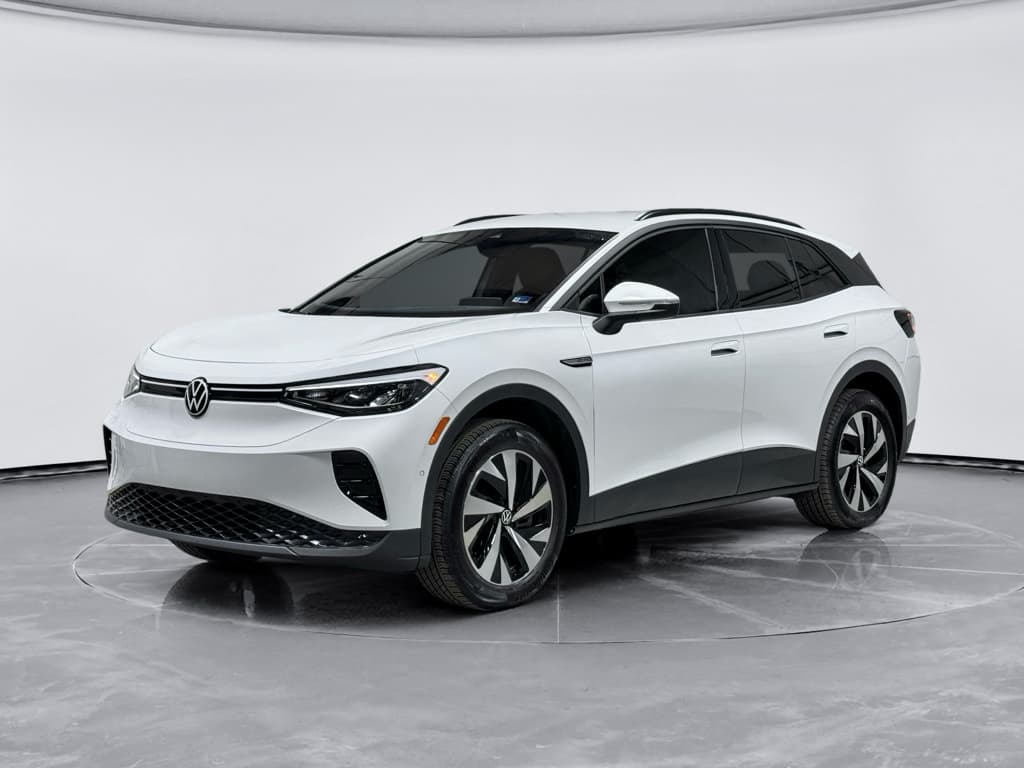
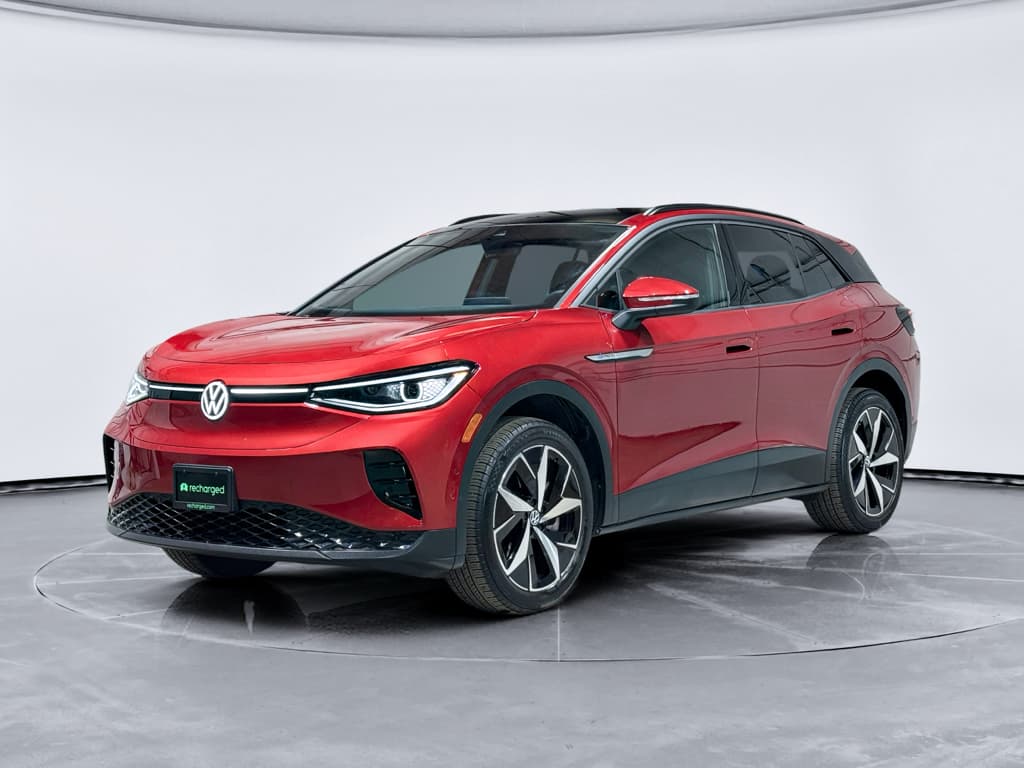
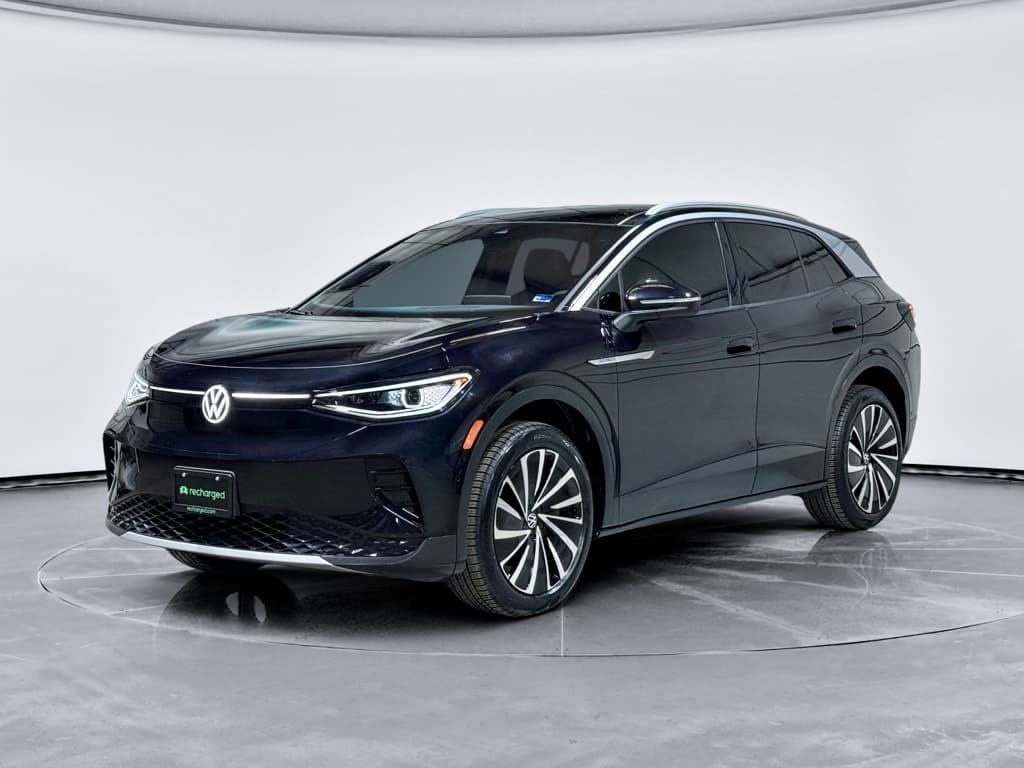
To sanity‑check Volkswagen ID. Buzz insurance estimates, it helps to look at models we already have data for. The closest proxy in VW’s lineup is the ID.4 electric crossover, and on the gas side it’s mainstream minivans.
How the ID. Buzz likely compares on insurance
Approximate national averages for full‑coverage policies, late‑2025 / early‑2026, 35‑year‑old driver, good credit, clean record. ID. Buzz numbers are estimates inferred from similar vehicles.
| Model | Type | Typical annual premium | Rough monthly equivalent | Notes |
|---|---|---|---|---|
| Volkswagen ID.4 | Electric compact SUV | $1,700–$2,300 | $140–$190 | Smaller and cheaper than the ID. Buzz; current data suggests mid‑$100s per month is common. |
| Volkswagen ID. Buzz | Electric minivan / MPV | $2,040–$3,120* | $170–$260* | Estimated range using ID.4 and minivan benchmarks; final pricing will vary by carrier. |
| Honda Odyssey / Toyota Sienna | Gas / hybrid minivans | ~$1,800–$2,600 | $150–$215 | Strong safety records but repairable at more shops than many EVs. |
| Tesla Model Y | Electric crossover | ~$2,500–$3,500 | $210–$290 | High claim severity and expensive repairs keep rates elevated compared with many non‑Tesla EVs. |
| Typical U.S. vehicle (all types) | National average | ~$2,600–$2,700 | $215–$225 | Broad average across sedans, SUVs, pickups, and EVs. |
Use this table as a directional guide; your personal risk profile and ZIP code still drive your actual quote.
Good news if you’re cross‑shopping ID.4
Practical ways to lower your ID. Buzz insurance cost per month
Choose coverage strategically, not just cheaply
Don’t default to state‑minimum liability just because full coverage feels expensive. Instead, adjust levers that don’t cripple protection:
- Start with higher liability limits (for example, 100/300/50 or better).
- Set $500–$1,000 deductibles for comprehensive and collision to trim monthly cost.
- Decline small add‑ons you don’t value (like roadside assistance you already get via your EV warranty or credit card).
For a new, financed ID. Buzz, dropping comp and collision entirely is usually a false economy, one total loss wipes out years of “savings.”
Stack the discounts that fit how you really live
On a family‑oriented EV van, some discounts are easier to grab than others:
- Bundling home or renters with auto.
- Telematics programs that reward gentle driving and limited night driving.
- Garage parking instead of street parking, where available.
- Low‑mileage tiers if you mainly use the ID. Buzz for school runs and weekend trips.
Ask each insurer directly which EV‑specific and safety‑tech discounts apply to the ID. Buzz, many pricing models evolve quickly after launch.
Time your quote with major life changes
Leasing or financing an ID. Buzz? Why full coverage matters
Most lenders and lease programs will require full coverage on a new Volkswagen ID. Buzz: comprehensive, collision, and higher liability limits. That’s not just box‑ticking, EV repair and replacement costs make physical damage coverage particularly important.
Insurance considerations if you’re not paying cash
Monthly payment math only works if you protect the asset behind it.
Lease requirements
Leasing companies typically set minimum liability limits and cap deductibles (for example, no higher than $1,000). They may strongly recommend or require gap coverage if you don’t put much money down.
Loan + gap coverage
If you finance an ID. Buzz with a long loan term and low down payment, consider gap insurance. It covers the difference between what you owe and the vehicle’s actual cash value if it’s totaled early.
Cash buyers still need a safety net
Even when there’s no lienholder, dropping comprehensive and collision on a $50,000+ EV van exposes you to a total loss from theft, fire, or weather. For most households, that’s too much balance‑sheet risk.
Buying a used ID. Buzz? How Recharged can help with insurance planning
If you’re shopping for a used Volkswagen ID. Buzz once they start showing up on the secondary market, you’re juggling even more variables: battery health, prior damage, and depreciation all affect whether full coverage still pencils out.

Every EV sold through Recharged comes with a Recharged Score report, including verified battery health and a transparent look at prior use. That information is useful when you’re deciding:
- How many years you realistically plan to keep full coverage on the van.
- Whether a higher deductible makes sense given the ID. Buzz’s current market value.
- If the price difference between full coverage and liability‑only is worth the risk as the vehicle ages.
Why insurance planning belongs in the buying process
Checklist: What to do before you bind ID. Buzz coverage
Pre‑purchase ID. Buzz insurance checklist
1. Get quotes on the actual VIN
Ask for quotes using the real VIN of the ID. Buzz you’re considering, not just the model name. This captures trim‑level safety equipment and options that influence pricing.
2. Match coverages across carriers
When you compare quotes, make sure liability limits, deductibles, mileage estimates, and included extras match. A cheap quote with rock‑bottom coverage isn’t really cheaper.
3. Decide on deductibles ahead of time
Know whether you’re comfortable with $500, $1,000, or higher deductibles before you let a salesperson or agent steer that decision in the moment.
4. Check telematics and EV discounts
Ask each insurer which EV‑specific discounts exist for the ID. Buzz, things like advanced safety tech, low‑mileage use, or app‑based driver scoring.
5. Bundle where it genuinely saves
Run the math on bundling your home or renters policies with the same carrier. Bundling can shave meaningful dollars off a high ID. Buzz premium, but only if the base rate is competitive.
6. Re‑shop annually, especially early on
As insurers gather real‑world loss data on the ID. Buzz, some may adjust pricing down. Checking new quotes around each renewal can capture those improvements.
Volkswagen ID. Buzz insurance: frequently asked questions
ID. Buzz insurance FAQs
Bottom line: What to budget for Volkswagen ID. Buzz insurance
If you’re in the market for a Volkswagen ID. Buzz, a reasonable starting point is to budget $170–$260 per month for full‑coverage insurance in 2026, assuming a typical 30‑ to 40‑year‑old driver with a clean record. High‑cost states, young drivers, or prior incidents can push that higher; low‑cost regions and spotless histories can land you toward the bottom of that range.
The smartest move is to treat insurance as part of the purchase decision, not an afterthought. Get multiple quotes on the exact ID. Buzz you’re considering, experiment with deductibles and coverages rather than cutting liability too low, and revisit pricing each renewal as insurers learn more about this model.
If you’re exploring a used electric van or crossover, shopping through Recharged gives you transparent pricing, verified battery health via the Recharged Score, and EV‑specialist support that can walk you through real‑world ownership costs, including insurance, before you ever sign paperwork.