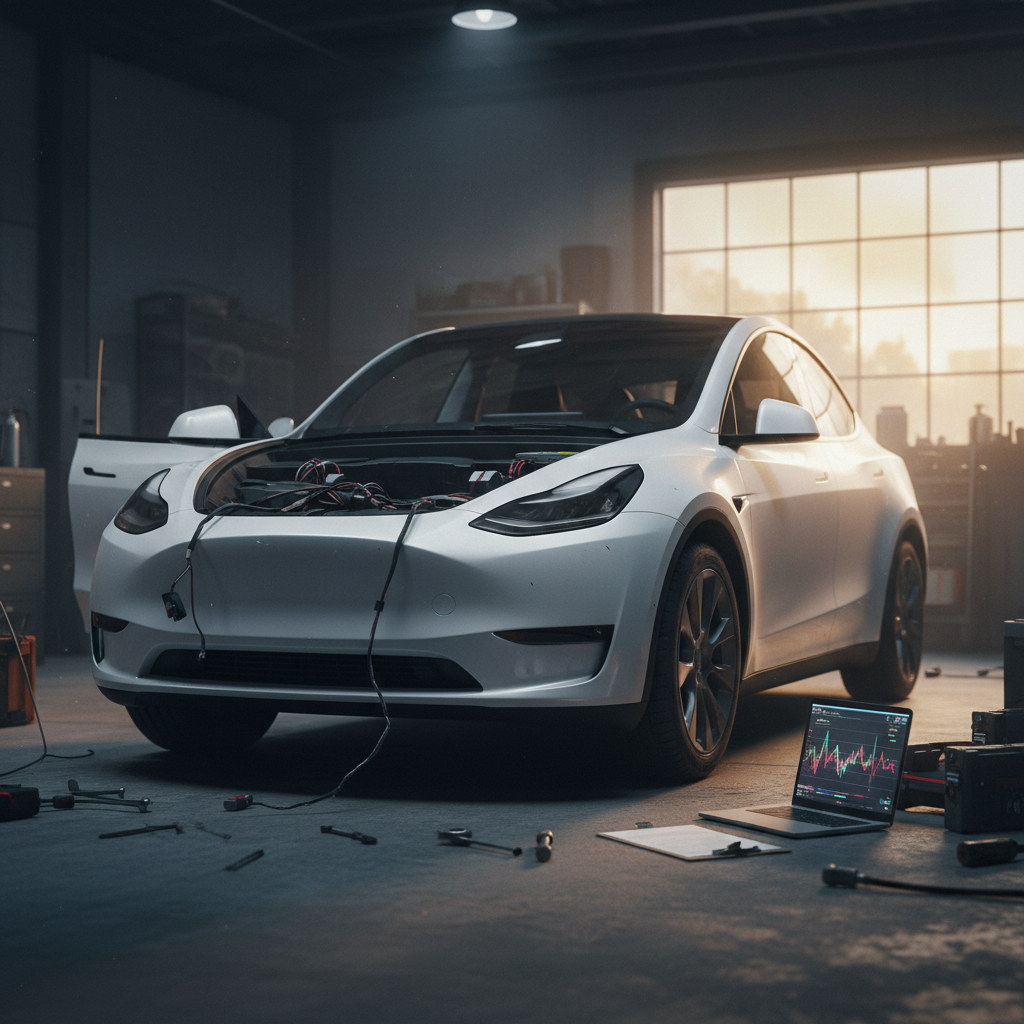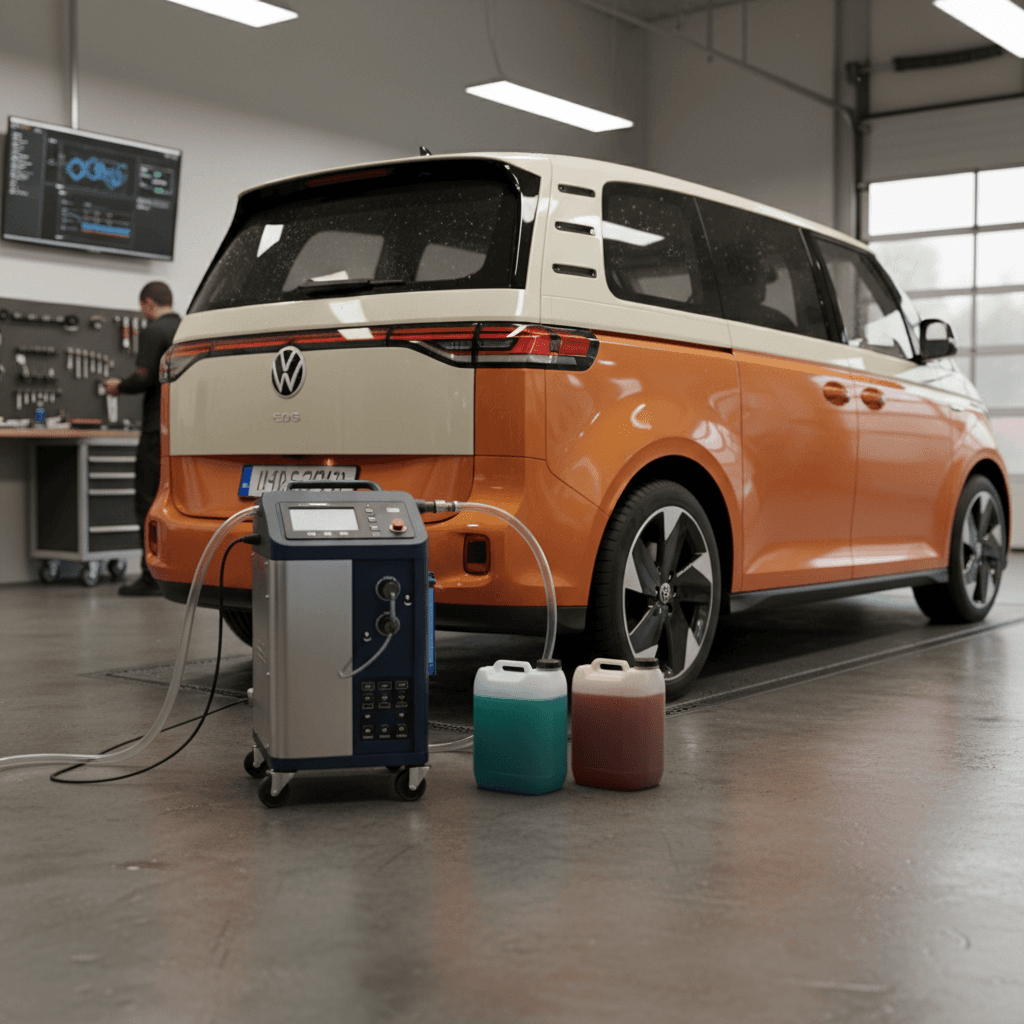
If you’ve looked at a dealer estimate and seen a Volkswagen ID. Buzz coolant flush for a few hundred dollars, you’re right to pause. EVs like the ID. Buzz do use liquid coolant for the battery and power electronics, but they don’t follow the same frequent flush schedule as a gas van. In this guide, we’ll unpack when an ID. Buzz actually needs coolant service, what a fair coolant flush cost looks like in 2026, and how to avoid paying for work you don’t need, especially if you’re shopping a used ID. Buzz.
Quick takeaway
Overview: ID. Buzz coolant flush cost & timing
Volkswagen ID. Buzz coolant service at a glance
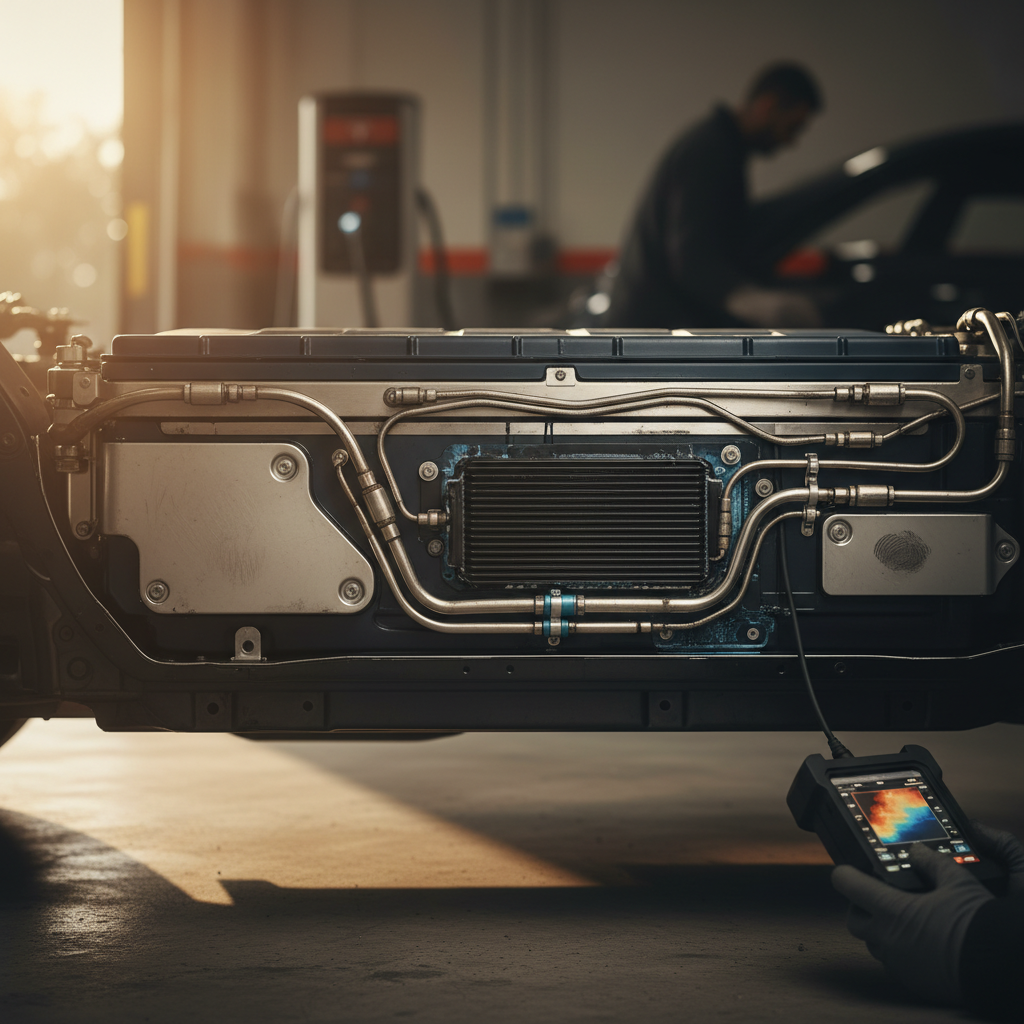
Volkswagen’s ID. family, including the ID. Buzz, uses a liquid thermal management system to keep the battery, power electronics, and sometimes the heat pump operating in their happy temperature range. That system relies on specialized coolant, which eventually degrades and can need replacement. The key nuance: for most EVs, coolant replacement is a long‑interval event, not something you do every 30,000–50,000 miles like many combustion vehicles.
Start with the maintenance booklet
Does the Volkswagen ID. Buzz actually need coolant flushes?
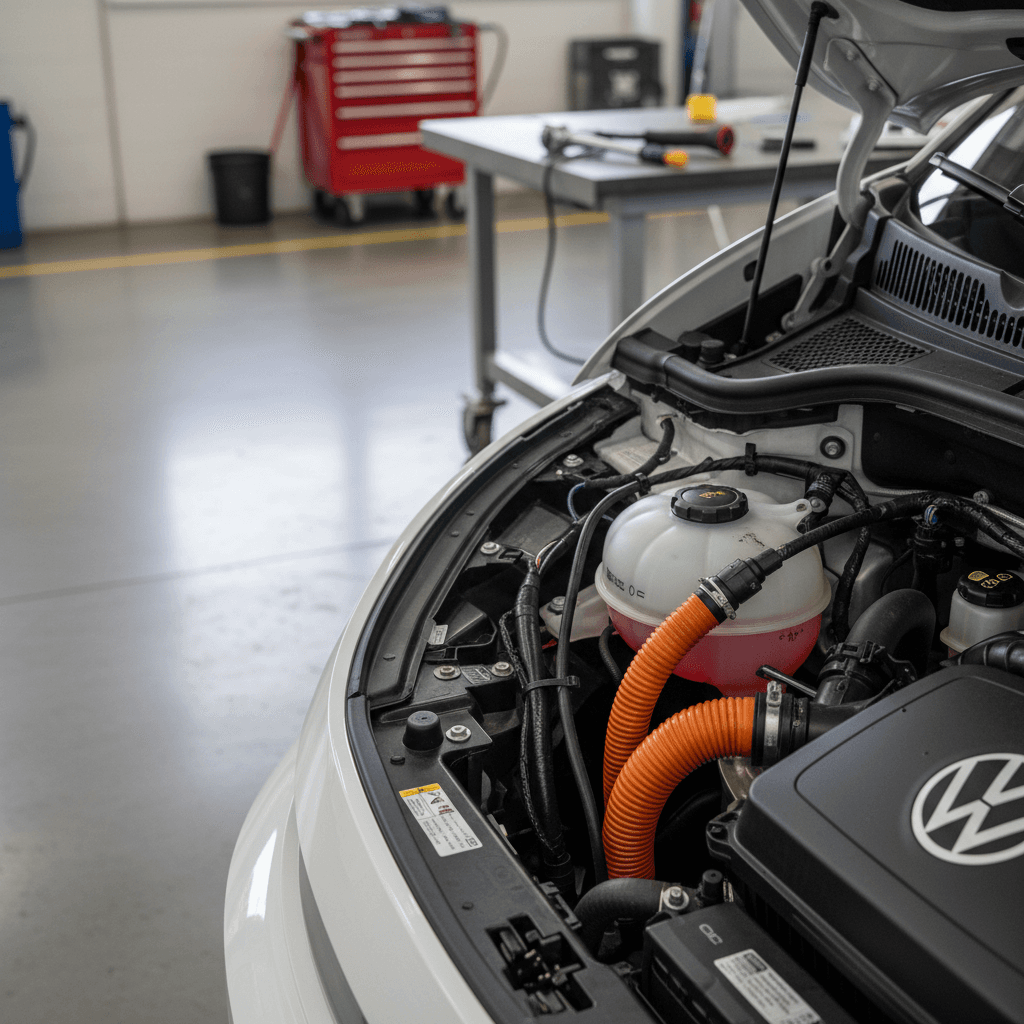
Yes, but not very often. The ID. Buzz has multiple coolant loops for the high‑voltage battery, power electronics, and climate system. Volkswagen’s own messaging for its ID‑series EVs emphasizes inspection and top‑offs in the early years, not frequent flushes. For the first several years, scheduled maintenance for an ID‑platform EV is usually dominated by inspections, tire rotations, and a brake fluid change, with coolant checks rather than full replacements.
- High‑voltage battery coolant is designed for long life and stable chemistry.
- The system is sealed, so evaporation and contamination are far less common than in older gas vehicles.
- Most owners will go many years, and often past 100,000 miles, before a full coolant replacement is needed, if at all during their ownership.
Watch out for “radiator flush” language
How much does a VW ID. Buzz coolant flush cost?
Because the ID. Buzz is built on the same MEB platform as the ID.4, pricing for a coolant flush is likely to mirror what we see on other modern EVs rather than legacy vans. Industry data and real‑world service quotes for EV battery‑coolant work point to a typical $200–$400 range for a full flush at a franchised dealer, including parts and labor. Independent shops that understand EV cooling systems may land toward the lower end of that range, while high‑cost metro dealers can creep toward the upper end.
Typical 2026 coolant‑related service pricing for an ID. Buzz (U.S.)
These are ballpark figures based on EV coolant work, VW dealer menus, and independent shop rates. Always confirm with your local service provider.
| Service type | What it includes | Typical price range | When you’d see it |
|---|---|---|---|
| Coolant level check & top‑off | Visual inspection, scan tool check for faults, topping up with correct coolant | $0–$80 | Included with regular service or if a warning appears |
| Partial coolant replacement | Draining part of a loop, refilling and bleeding; often tied to a repaired leak or component swap | $150–$250 | After a minor repair or component replacement |
| Full high‑voltage coolant flush | Draining, refilling, bleeding one or more loops with OEM coolant, pressure test, diagnostics | $200–$400 | At long‑interval service (often 8–10+ years) or after major repairs |
| Coolant service at the same time as other work | Coolant handled while replacing a battery chiller, heat pump, or other cooling component | Add $100–$250 on top of repair | When hardware in the cooling system is being replaced |
Coolant service is rarely the dominant cost in your ID. Buzz maintenance budget, but quotes can vary a lot by shop and region.
Good news for most owners
What affects ID. Buzz coolant flush pricing?
Four key drivers of ID. Buzz coolant flush cost
Why your neighbor’s quote may not match yours
1. Where you live
2. Dealer vs. independent
3. Scope of the job
4. Coolant type and quantity
When you compare quotes, ask shops to spell out exactly what they’re doing: which loops they’re flushing, whether they’re just topping off or fully replacing, and whether any diagnostics are included. That transparency makes it much easier to see which estimates are reasonable and which are padded.
Dealer upsells vs. what Volkswagen actually requires
What the factory schedule focuses on
- Annual or mileage‑based inspections of the cooling system.
- Checking coolant level and frost protection; topping off if needed.
- Watching for leaks, error codes, or temperature‑management faults.
- Brake fluid changes on a regular 2–3 year cadence.
In other words, coolant is monitored closely, but long‑interval replacement is the norm unless there’s a specific problem.
Common dealer “extras” to question
- “Radiator flush” at 30,000–40,000 miles with no supporting fault codes.
- Generic coolant flush bundles recycled from combustion‑vehicle menus.
- High‑priced coolant services not referenced in your maintenance booklet.
- Phrases like “recommended by dealership” without any tie to VW guidance.
Several ID‑family owners have reported dealers pushing coolant flushes that simply aren’t listed in Volkswagen’s own schedules at that mileage.
Say no if it’s not in the book
Coolant flush vs. brake fluid flush: easy to confuse, easy to overpay
One reason there’s so much confusion around Volkswagen ID. Buzz coolant flush cost is that coolant service often gets mentioned in the same breath as brake fluid service. On the ID‑platform, VW clearly calls for regular brake fluid changes, often around the three‑year mark, because moisture contamination is still an issue even in EVs. Coolant replacement, on the other hand, is usually long‑interval and sometimes not explicitly called for until much later, if at all during mainstream ownership.
Coolant flush vs. brake fluid flush on an ID. Buzz
Use this to sanity‑check a dealer quote and understand which items are actually routine.
| Service | System | Why it matters | Typical interval | Fair 2026 cost |
|---|---|---|---|---|
| Coolant flush | Battery & electronics cooling | Keeps battery and power electronics in their safe temperature range. | Long‑interval, often 8–10+ years or 100k+ miles unless there’s a fault | $200–$400 |
| Coolant top‑off | Battery & electronics cooling | Maintains proper level and freeze protection. | As needed based on inspection or alerts | $0–$80 |
| Brake fluid flush | Hydraulic braking system | Prevents moisture‑related corrosion and ensures consistent pedal feel. | Roughly every 2–3 years regardless of mileage | $150–$300 when done alone, often bundled with inspections |
| Cabin heater/heat‑pump coolant work | Climate system | Related to comfort and defrost performance rather than core battery safety. | Only when there’s a leak or hardware replacement | Varies widely based on repair scope |
If you only remember one thing: brake fluid changes are routine; coolant flushes are rare.
Line‑item tip
Ownership strategy: new vs. used ID. Buzz
How to think about coolant service based on how you’ll own an ID. Buzz
1. Buying new and keeping 3–5 years
If you’re leasing or planning to sell within five years, you’re unlikely to ever pay for a coolant flush. Focus on annual inspections and staying current on brake fluid and tire rotations.
2. Buying new and keeping 8–10+ years
Coolant service might enter the picture once you’re beyond year eight or six figures on the odometer. Budget a couple hundred dollars in the back half of your ownership, but don’t let it dominate your decision.
3. Buying a used ID. Buzz at 70k–120k miles
Here, coolant history matters more. Ask for service records showing any cooling‑system work. If documentation is thin and the van is older, plan a thorough inspection and consider a proactive coolant service at a fair price point.
4. Fleet or high‑mileage use
For ride‑share, delivery, or shuttle duty, you’ll hit high miles earlier. Partner with a shop that’s comfortable monitoring battery temperatures and coolant condition proactively instead of blindly following generic intervals.
This is where a used‑EV specialist like Recharged can simplify your life. Every vehicle we list, including future used ID. Buzz inventory, gets a Recharged Score Report with verified battery health and a clear maintenance snapshot. If a coolant service is coming due soon based on age or mileage, that context is built into the pricing conversation rather than becoming a surprise after you buy.
Signs your ID. Buzz might really need coolant service
- Warning messages related to high‑voltage battery temperature or cooling performance.
- The fan running loudly and frequently even in mild conditions, without heavy driving or fast charging.
- Visible coolant leaks under the van or in the front compartment (colored fluid, not just clear condensation from the A/C).
- A history of cooling‑system repairs (valves, pumps, chiller, heat pump) where the system may not have been bled correctly.
- Scan‑tool fault codes stored in the thermal‑management modules, surfaced by a dealer or qualified independent.
Diagnostic before prescription
How a coolant flush fits into your overall EV maintenance budget
It’s easy to fixate on any three‑digit service line item, but it helps to zoom out. Across brands, EVs typically cost 35–50% less to maintain than comparable gas vehicles over the first several years. On a five‑year cost‑of‑ownership view, wear items like tires and cabin filters usually matter far more than a single long‑interval coolant service you may never even hit.
Where coolant sits in your ID. Buzz maintenance stack
Typical 5‑year ownership, moderate mileage
Tires & alignment
Cabin filters & wipers
High‑voltage coolant
From an economics standpoint, coolant service is more about protecting an extremely expensive battery pack than about shaving a few dollars off your annual maintenance. When it’s genuinely due, it’s worth doing right with the correct fluid, tools, and procedures.
FAQ: Volkswagen ID. Buzz coolant flush cost & service
Frequently asked questions
Bottom line: what ID. Buzz owners should actually do
For most Volkswagen ID. Buzz owners, a coolant flush is a rare but important service, not a regular menu item. Expect a legitimate flush to cost in the $200–$400 range when it’s truly due, and don’t be shy about asking a dealer to point to the exact line in the VW maintenance schedule that justifies it. Coolant top‑offs and inspections are routine; full replacements are long‑interval and often fall outside the first few years of ownership.
If you’re cross‑shopping a new ID. Buzz against a used EV, or hunting specifically for a used Buzz, this is exactly the kind of nuance that separates a good deal from a headache. Recharged was built to surface that nuance. Every vehicle on our marketplace comes with a Recharged Score Report and EV‑specialist guidance, so you can see where battery health, coolant service, and other long‑term maintenance really stand before you ever click “buy.” That way, a potential coolant flush down the road is just another line in a transparent ownership plan, not an unpleasant surprise.