If you’ve been Googling “Virginia electric car rebate 2026,” you’ve probably seen wildly different answers: a generous $2,500–$4,500 state rebate, blog posts saying it never launched, and now news that federal EV tax credits largely died after September 30, 2025. Let’s clean this up and walk through what’s actually available to a Virginia EV shopper in 2026, especially if you’re looking at a used EV.
Key takeaway for 2026
Virginia electric car rebate 2026: the short version
- Virginia lawmakers created an Electric Vehicle Rebate Program that, on paper, offers $2,500 for qualifying EV purchases plus an additional $2,000 for income‑qualified buyers.
- For several years the program sat mostly unfunded, which is why many Virginia drivers never saw a state rebate at the dealership.
- Recent budget proposals for FY2025–FY2026 include tens of millions of dollars to capitalize the Electric Vehicle Rebate Program Fund, but the money still has to survive the full budget process and then be implemented by state agencies.
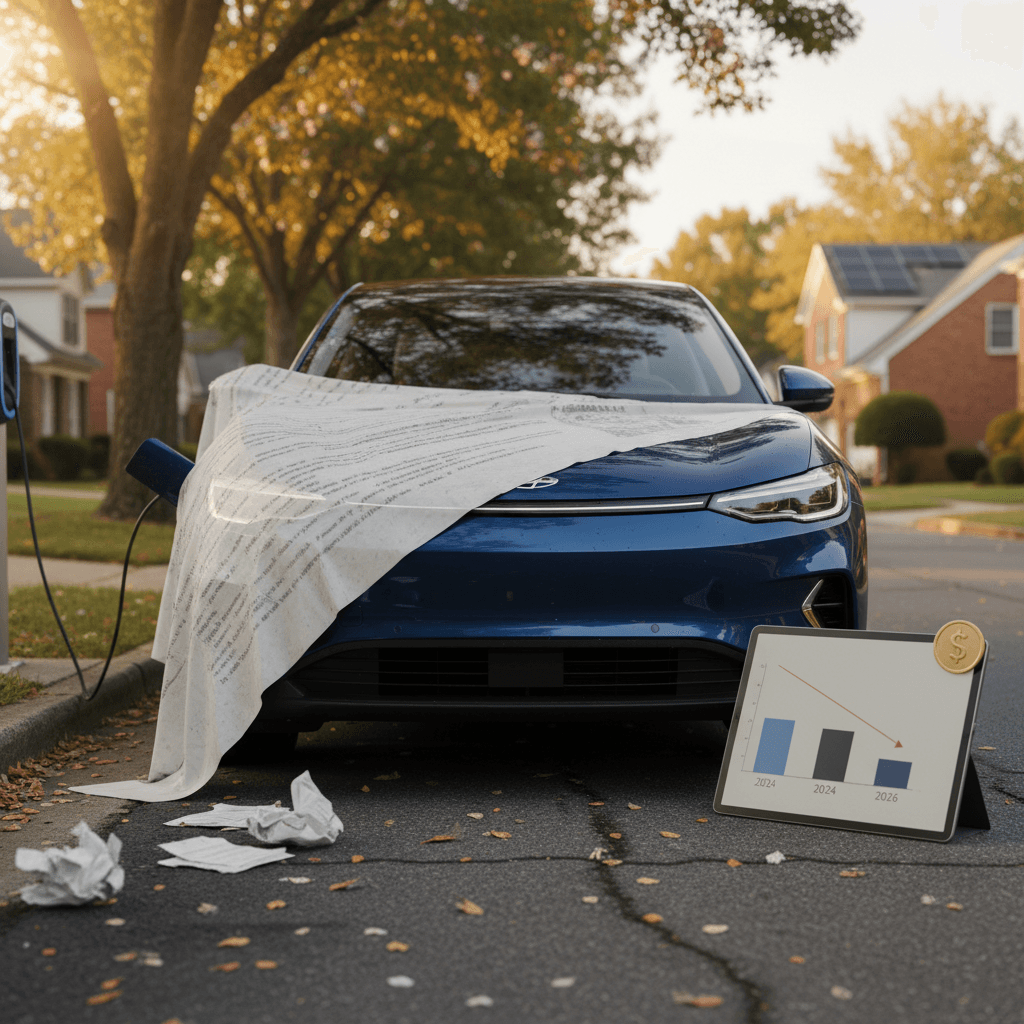
- Meanwhile, the big federal purchase incentives for new and used EVs (the 30D and 25E credits) were repealed for vehicles acquired after September 30, 2025, so there’s no new federal purchase credit for vehicles first bought in calendar year 2026.
- In practice, that means 2026 Virginia shoppers should treat state rebates as a possible bonus, not a guarantee, and focus their savings strategy on used pricing, local incentives, and total cost of ownership.
Watch out for outdated info
How the Virginia EV rebate was supposed to work
To understand the confusion around the Virginia electric car rebate, you have to go back to the policy design that came out of Richmond in the early 2020s.
Virginia’s Electric Vehicle Rebate Program on paper
What lawmakers authorized, even if funding lagged behind
Core rebate amount
Legislation authorized a standard rebate around $2,500 for qualifying new electric vehicles purchased or leased by Virginia residents, subject to price caps and other rules.
Income‑qualified bonus
Buyers with household income at or below a defined threshold (commonly set around 300% of the federal poverty level) were eligible for an extra $2,000, recognizing that lower‑income households face more barriers to EV adoption.
Point‑of‑sale design
The goal was a point‑of‑sale rebate processed through participating dealers, so you’d see the discount on your buyer’s order rather than waiting for a tax refund months later.
In theory, that structure would put Virginia in line with other aggressive EV states. On paper, a lower‑income buyer could chop as much as $4,500 off the price of a qualifying EV, a meaningful swing for monthly payments. The problem has never been the idea. It’s been consistently capitalizing the fund and standing up an easy‑to‑use program at the retail level.
Did Virginia ever actually fund the electric car rebate?
In the years after the program was authorized, the story was mostly “hurry up and wait.” The enabling law existed. The Electric Vehicle Rebate Program Fund existed. But appropriations either didn’t show up at first or were too small to make a big public splash, and implementation moved slowly.
The funding picture heading into 2026
Why dealers are confused too
What’s true in 2026: state EV incentives in Virginia
As of spring 2026, here’s the most accurate way to think about the Virginia electric car rebate and other state‑level help:
- Virginia has an EV rebate program enabled in law, with a structure that could support $2,500–$4,500 per vehicle when it’s properly funded and fully live.
- Budget writers have proposed substantial funding for FY2025 and FY2026, but those dollars still have to survive political negotiations and then be turned into an actual, user‑friendly application or point‑of‑sale system.
- Historically, the program has either gone unfunded or underfunded, which is why so few Virginia buyers can point to a check from the state despite years of headlines.
- Other state policies that once helped EVs indirectly, like solo‑driver HOV access on some corridors, have been scaled back or sunset, tightening the incentive environment.
- In 2026, you should treat any advertised Virginia state EV rebate as conditional until you see it written on your buyer’s order or a grant award letter.
Don’t sign based on a verbal promise
Federal EV tax credits after 2025: what Virginians can still use
For several years, the federal government did more of the heavy lifting on EV affordability than most states. The Inflation Reduction Act revamped credits for new (Section 30D) and used (Section 25E) clean vehicles, and even allowed most buyers to take the credit at the point of sale starting in 2024.
That changed with the federal tax package signed in mid‑2025. Congress moved up sunset dates, and the upshot is stark for 2026 shoppers: most purchase‑based federal EV tax credits are gone for vehicles first acquired after September 30, 2025.
Federal EV incentives: status for 2026 purchases
How the big federal EV tax provisions look for Virginia buyers in 2026.
| Incentive | Code section | Applies to 2026 purchases? | Key nuance |
|---|---|---|---|
| New clean vehicle credit | 30D | Generally no | Repealed for vehicles acquired after Sept. 30, 2025, so 2026 first‑time purchases don’t qualify. |
| Previously owned EV credit | 25E | Generally no | Also tied to Sept. 30, 2025 acquisition deadline; most 2026 used purchases won’t qualify. |
| Commercial / lease credit | 45W | Limited / transitional | Less impacted initially, but rule changes mean fewer lease passthrough deals over time. |
| Charging equipment credit | 30C | Partially yes | The home charger credit lasts a bit longer, currently through mid‑2026, and may still help with Level 2 installation. |
Always confirm with a tax professional before you rely on any federal incentive. This table is a general snapshot, not tax advice.
Ask two people about incentives: a tax pro and the dealer F&I manager
Don’t skip utility and local EV programs
While big, flashy statewide rebates get headlines, a lot of the real‑world money in 2026 is hiding in smaller programs run by utilities, local governments, and regional clean‑air initiatives. They may not cut the sticker price of the car, but they can chip away at your total cost of ownership.
Where Virginia EV drivers are actually finding help in 2026
These programs change often, so think of this as your shopping list, not a definitive catalog.
Utility EV & charger rebates
- Time‑of‑use (TOU) rates that make overnight charging far cheaper than daytime charging.
- Home charger rebates (often a few hundred dollars) for installing a Level 2 charger on a qualifying circuit.
- Occasional bill credits for enrolling your EV in managed‑charging or demand‑response programs.
Local & regional grants
- Some counties and cities partner with state or federal grants to offer pilot rebates for EVs or e‑mobility.
- Metropolitan planning organizations sometimes fund fleet and rideshare electrification, which can indirectly improve used‑EV supply later.
- Regional groups and nonprofits occasionally offer limited‑time bonus rebates funded by foundations or settlement money.
Practical move: call your utility before you buy
How much can a Virginia driver still save on an EV in 2026?
With the federal credits curtailed and the statewide Virginia rebate still a question mark, it’s fair to ask whether the math still works. For many households, the answer is yes, especially in the used EV market, where sticker prices have come down substantially from 2021–2022 peaks.
Example: Used Nissan LEAF commuter
A 2019–2021 Nissan LEAF or similar compact EV with a healthy battery can often be found at a substantial discount versus new.
- Purchase price: mid‑teens to low‑$20Ks, depending on trim, mileage and battery health.
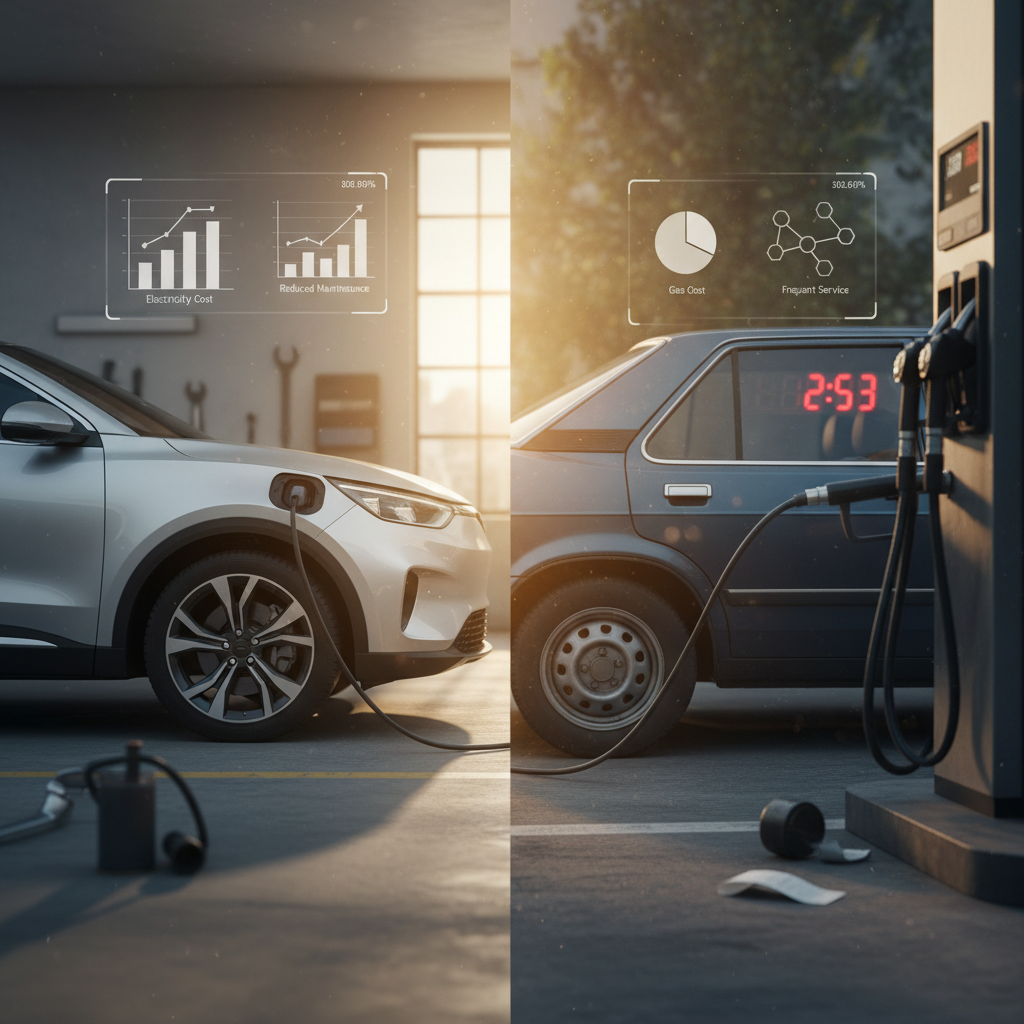
- Fuel savings: $700–$1,000+/year vs. a 25‑mpg gas compact at typical Virginia electricity and gas prices.
- Maintenance: No oil changes, fewer wear items, especially attractive for second‑car or urban duty.
Even with no guaranteed state rebate, the operating‑cost edge can make the total five‑year cost competitive with a cheaper gas car.
Example: Used Tesla Model 3 or Hyundai/Kia EV
Higher‑range used EVs such as a Tesla Model 3, Hyundai Kona Electric, or Kia Niro EV have become attainable for more households.
- Purchase price: often in the low‑to‑mid‑$20Ks for earlier model years in good condition.
- Range: 215–250+ miles, making them comfortable for regional trips without constant charging stops.
- Charging: Access to fast‑charging networks continues to expand along Virginia’s interstates.
Here, your savings story is less about a rebate check and more about locking in a modern EV at a depreciated price before the next technology wave arrives.
Where Recharged fits in for Virginia shoppers
Smart 2026 strategy for Virginia used‑EV buyers
If you’re shopping for a used EV in Virginia in 2026, you’re effectively operating in a world with fewer big‑ticket rebates but more mature products, better data, and a lot more used inventory than just a few years ago. That shifts the playbook from “chase the biggest tax credit” to “optimize the deal you can actually get.”
Playbook: how to win without counting on a Virginia rebate
1. Start with total cost of ownership, not incentives
Run the math on fuel, maintenance, insurance, and expected repairs over 5–8 years. With gas prices unpredictable, a reasonably priced EV can win this race even without a big rebate.
2. Prioritize battery health over model‑year
A one‑year‑newer EV with a tired battery can be a worse buy than an older car with strong battery metrics. Look for independent battery‑health data, like the Recharged Score report, instead of guessing from mileage alone.
3. Verify incentives last, not first
After you’ve found 1–3 vehicles that work for your lifestyle and budget, then confirm what, if any, incentives apply. That way your plan doesn’t collapse if a program is out of funds or your income makes you ineligible.
4. Don’t overpay chasing future‑proof tech
With most automakers shifting to the NACS charging connector over the next few years, it’s tempting to hold out for the newest standard. Weigh that against today’s discounts on CCS‑equipped EVs that still meet your range and charging needs.
5. Use competition between dealers and platforms
In a post‑credit world, pricing discipline matters. Compare multiple dealers and online platforms, ask for out‑the‑door quotes, and don’t be afraid to negotiate, especially on vehicles that have sat on the lot.
Checklist: before you bank on an EV rebate
Here’s a quick reality‑check you can run before you let any “Virginia electric car rebate 2026” headline dictate your buying decision.
Rebate reality‑check for Virginia EV shoppers
Confirm the program’s current funding status
Go to the Commonwealth’s official EV or energy site, not just a blog, and look for up‑to‑date notices on whether the Electric Vehicle Rebate Program is accepting applications right now.
Check your vehicle’s eligibility in detail
Price caps, income limits, purchase dates, and even battery size can matter. Make sure your specific VIN, trim, and transaction type (purchase vs. lease) actually qualify.
Ask how the rebate is delivered
Is it a point‑of‑sale discount, a mailed check, or a tax credit you’ll claim next spring? Each has different cash‑flow implications and different risks if a program pauses or funds run out.
Get it in writing on your buyer’s order
If a dealer is advertising a rebate, insist that it be itemized on your purchase or lease contract, including who is responsible if the state later denies the application.
Stress‑test your budget without the rebate
Assume you never see a dollar of state or federal incentive. If the payment still works, you’re in solid territory. If it doesn’t, keep shopping or step back until the policy landscape stabilizes.
Virginia electric car rebate 2026: FAQ
Common questions about Virginia EV rebates in 2026
Bottom line for Virginia EV shoppers
In 2026, “Virginia electric car rebate” is more political football than sure thing. The state has a well‑designed program on paper and serious funding proposals on the table, but the gap between legislation and money in your pocket remains wide. At the same time, federal purchase credits have largely sunset, leaving fewer headline incentives than just a couple of years ago.
That doesn’t mean Virginia drivers are out of options. It means your smartest move is to shop as if no big rebate exists: target a used EV whose price, range, and battery health make sense on their own; layer in any utility or local perks you can find; and treat state or federal money as a bonus, not the foundation of your deal. Platforms like Recharged can help by doing the hard work on battery diagnostics, pricing transparency, and logistics, so your decision rests on fundamentals, not on an incentive that might vanish between now and delivery.