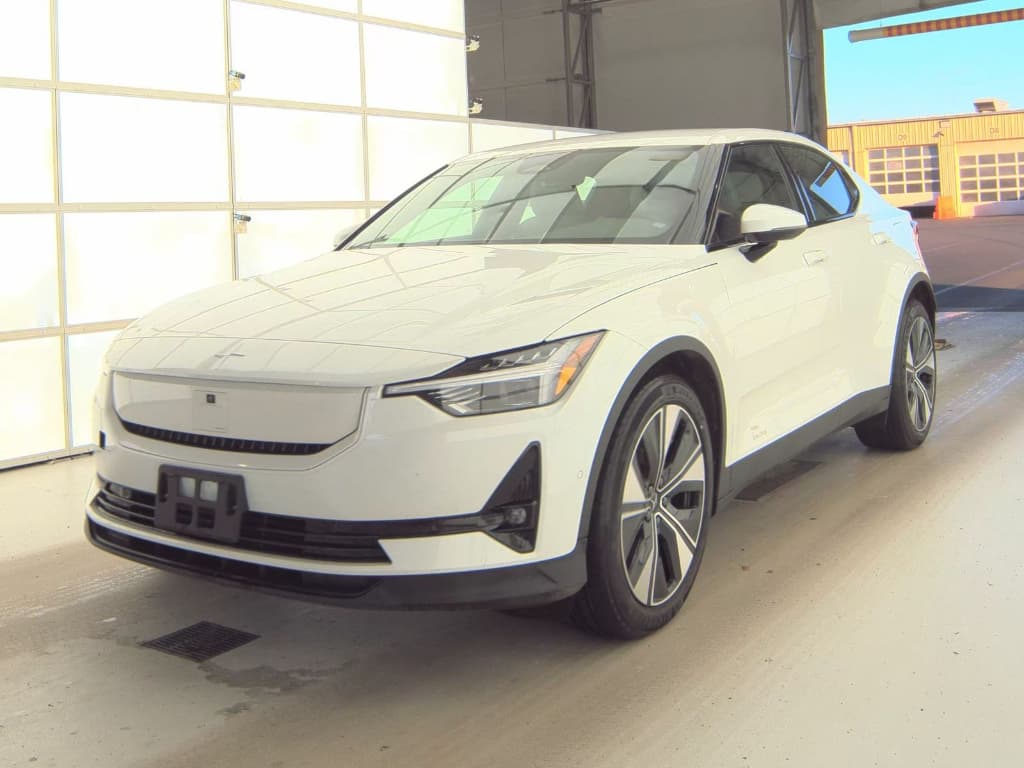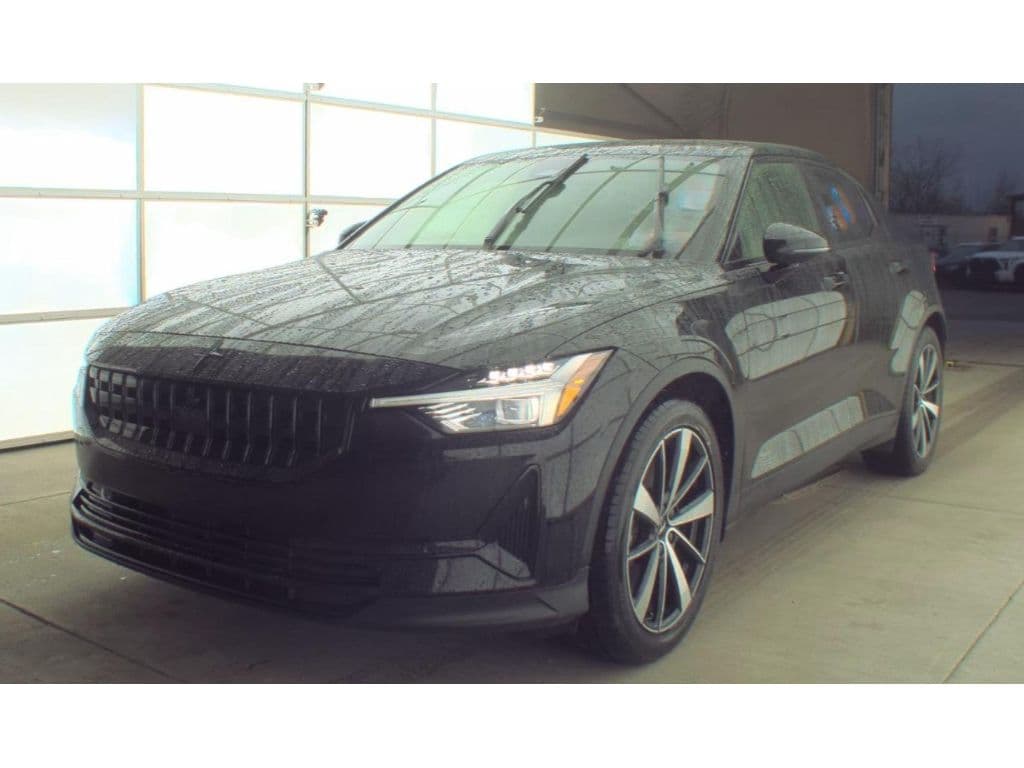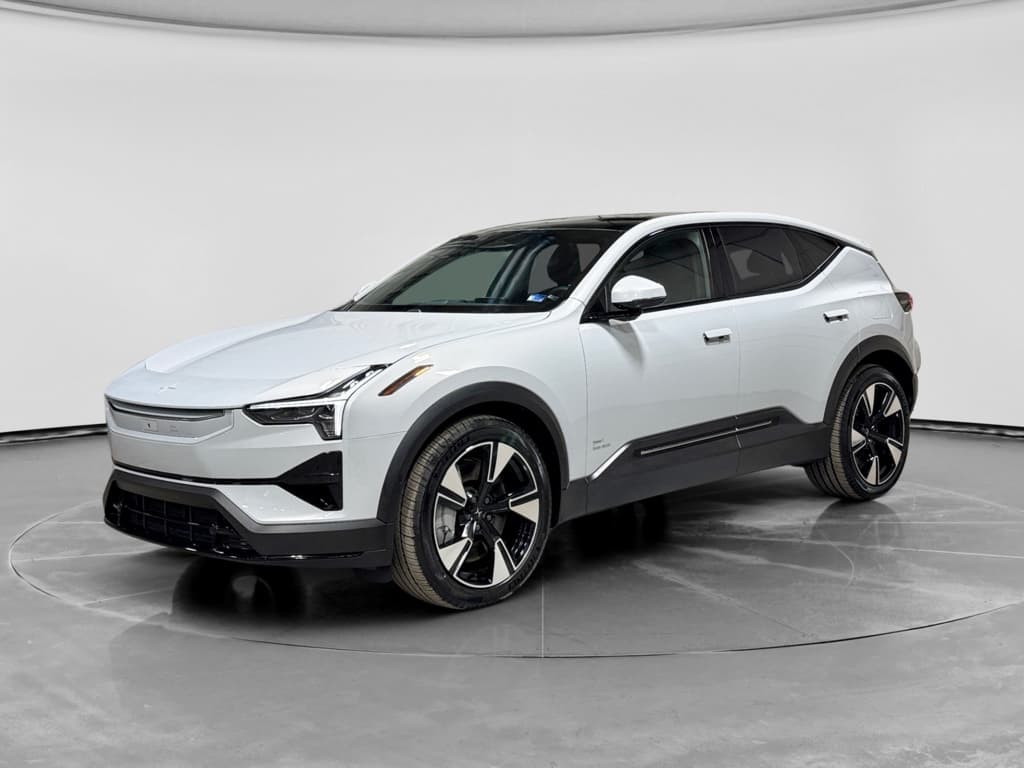
If you’re eyeing a Polestar 2 and wondering whether it’s really up for long highway slogs, you’re not alone. On paper the numbers look strong, but road trips aren’t driven on spec sheets. This Polestar 2 road trip review pulls together real-world range, charging, comfort, and practicality so you know exactly what to expect before you point its nose at the interstate.
Quick verdict
Who this Polestar 2 road trip review is for
This guide is aimed at drivers in the U.S. who are considering a Polestar 2 as a daily driver that also has to handle a couple of big trips a year, think long weekends, holidays, or that once-a-year cross-country run. We’ll focus on 2022–2025 models, since those are the most common in the used market and have the battery sizes and charging speeds today’s shoppers care about.
Will the Polestar 2 fit your road-trip style?
Three common use cases, one capable EV
Weekend warriors
If your typical trip is 200–350 miles each way, the Long Range Single Motor can usually cover it with just one fast-charge stop, even at brisk highway speeds.
Mountain or desert escapes
Expect higher consumption on long climbs or at 75–80 mph. Plan more frequent 10–80% DC fast charges, but you won’t be stranded as long as CCS stations are on your route.
Cross-country planners
For 800–1,000 mile days, the Polestar 2 wants a rhythm: drive 2–3 hours, charge 20–30 minutes. If you’re okay with that cadence, it’s a very liveable road-trip partner.
Polestar 2 batteries, range, and what that means on the highway
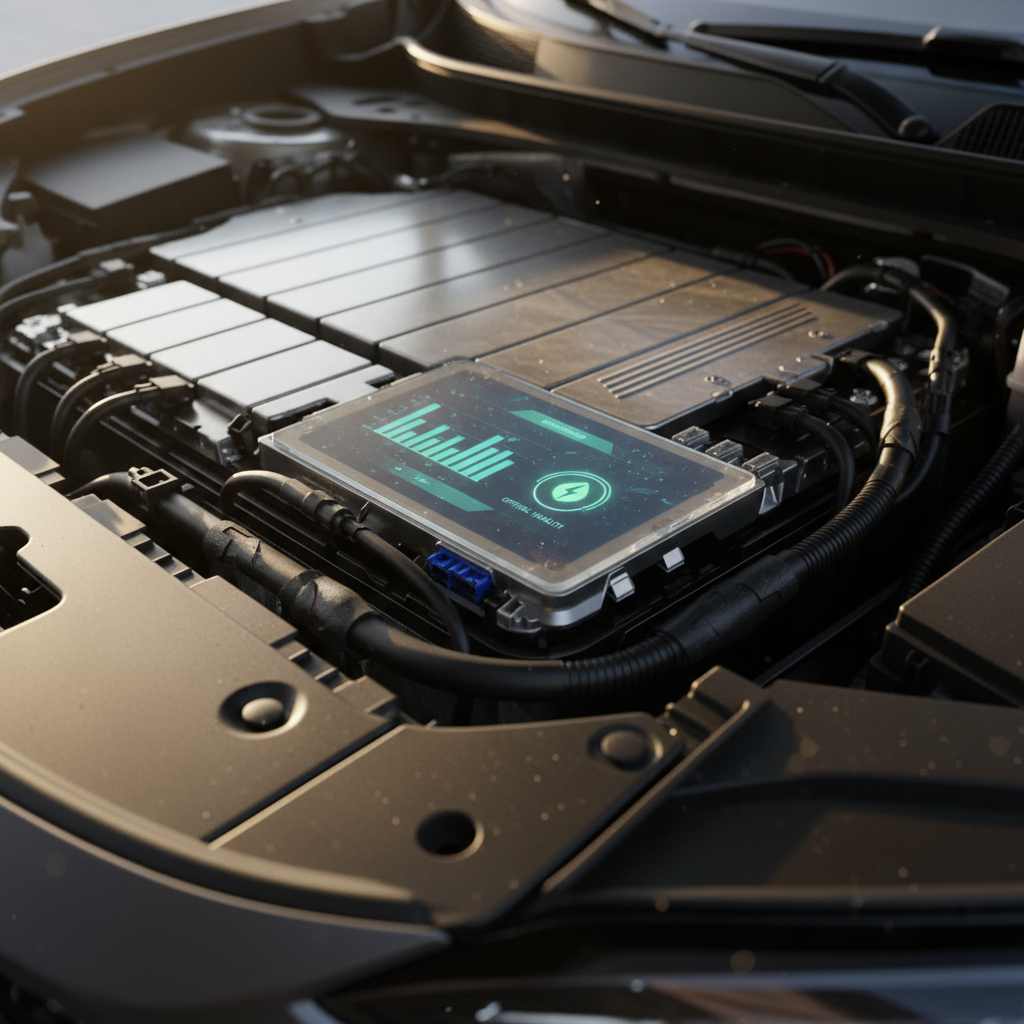
Polestar has updated the 2 several times since launch, so you need to know which battery and motor setup you’re looking at. For road trips, the combination of usable battery capacity and highway efficiency matters more than any single EPA number.
Polestar 2 battery & range basics (U.S. models)
Key variants you’ll see in the used market and how they stack up for long-distance drives.
| Model years | Variant | Usable battery (approx.) | EPA range (mi) | Good pick for… |
|---|---|---|---|---|
| 2021–2023 | Standard Range Single Motor | ~64 kWh | ~260 | Mixed driving, shorter trips |
| 2021–2023 | Long Range Dual Motor | ~75 kWh | ~240–260 | All-weather grip & power |
| 2024–2025 | Standard Range Single Motor | ~70 kWh | ~300 (est, trim-dependent) | Value with solid range |
| 2024–2025 | Long Range Single Motor | ~79 kWh | Up to ~320 | Best balance for road trips |
| 2024–2025 | Long Range Dual Motor / Performance | ~79 kWh | ~270–280 (lower with Performance pack) | Fast, capable, but less efficient |
EPA estimates are for ideal conditions. Highway driving at 70–80 mph will reduce these numbers.
On paper, the Long Range Single Motor models deliver the best combination of range and simplicity: a big battery, rear-wheel drive from 2024 onward, and fewer efficiency losses than the all-wheel-drive versions. But even the early Long Range Dual Motor cars can chew up miles confidently if you’re realistic about speeds and weather.
Range reality check for road trips
Real-world efficiency: how far can you go between stops?
Every EV looks heroic on a lab cycle. Real-world highway efficiency in a Polestar 2 tends to run higher consumption than the official numbers, especially at 75–80 mph or in cold weather. Think in terms of usable battery and a realistic efficiency figure rather than the brochure EPA range.
- Long Range Single Motor: figure roughly 2.7–3.2 miles per kWh at steady 65–70 mph in mild weather.
- Long Range Dual Motor / Performance: closer to 2.4–2.8 miles per kWh on the same stretch.
- Cold temps, wet roads, roof racks, and high speeds can easily shave another 10–25% off those numbers.
A simple way to size up a leg
On an efficient Long Range Single Motor, that math often works out to 180–220 miles between stops without drama, more if you’re willing to dip lower than 10% or drive under 70 mph. The Dual Motor cars will do closer to 160–200 miles between comfortable, quick charges on fast highways.
Charging the Polestar 2 on the road
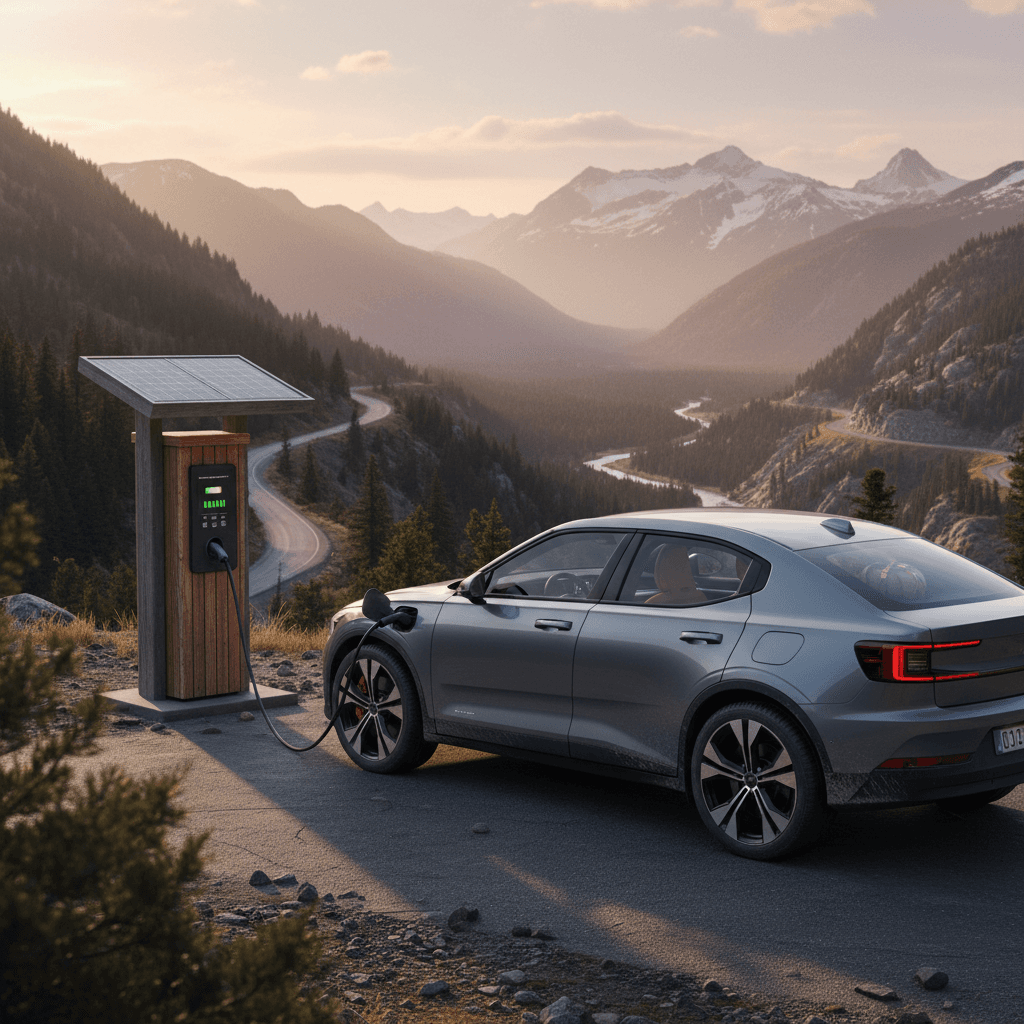
The reassuring news is that every Polestar 2 sold in North America uses the CCS1 fast-charging standard and supports Level 2 AC charging up to roughly 11 kW. That means you can use essentially every major public network, Electrify America, ChargePoint, EVgo, and others, plus many Tesla Superchargers when equipped with the proper adapter and access.
Polestar 2 charging speeds that matter on a trip
Later cars gained higher peak DC fast-charging power, but the shape of the charging curve and your planning matter more than headline numbers.
| Model years | Variant | Max AC (Level 2) | Max DC fast charge | Typical 10–80% time |
|---|---|---|---|---|
| 2021–2023 | Standard Range | Up to 11 kW | Up to ~135 kW | ~35–40 minutes |
| 2021–2023 | Long Range | Up to 11 kW | Up to ~155 kW | ~30–35 minutes |
| 2024–2025 | Standard Range | Up to 11 kW | Up to ~180 kW | ~28–32 minutes |
| 2024–2025 | Long Range | Up to 11 kW | Up to ~205 kW | ~25–30 minutes |
Times assume a healthy battery, warm pack, and a capable fast charger.
Home base still matters
On DC fast chargers
- Plan for 10–80% sessions. Above ~80%, the charge rate drops sharply, so it’s usually faster overall to unplug and keep driving.
- Precondition when you can. Later Polestar 2s can automatically warm the battery when a DC fast charger is set as your nav destination, improving early charge speeds.
- Watch station power. A 150 kW–350 kW unit lets the car get closer to its peak; a 50 kW charger will cap you no matter what the car can accept.
On Level 2 (AC)
- Great for overnight stays. A hotel or rental with a 7–11 kW charger can refill a nearly empty pack by morning.
- Use apps to filter for 11 kW+ stations. Not every destination charger is wired to deliver full speed.
- Carry a portable EVSE. Having a reliable Level 1/2 portable charger in the trunk gives you a safety net at family homes and cabins. If you buy through Recharged, our specialists can help you pick the right portable or wall unit for your setup.
CCS vs. Tesla’s NACS
Comfort: seats, noise, and that Bowers & Wilkins sound system
The prettiest range graph in the world doesn’t matter if your back is howling by lunchtime. Fortunately, the Polestar 2 is one of those cars that feels like it was designed by people who actually drive long distances.
What the Polestar 2 is like to live with on the highway
Comfort is more than just a soft seat.
Supportive seats
The front buckets are firm and well-shaped, Scandinavian in the best way. After a few hours, you’ll appreciate the support more than a sofa-soft cushion.
Quiet, but not silent
Wind and road noise are well contained, especially on 19-inch wheels. Bigger wheels and performance tires bring more thrum, but it’s still easy to hold a conversation.
Optional Bowers & Wilkins audio
On later Long Range Dual Motor models, an optional Bowers & Wilkins system delivers a powerful, high-end soundstage, perfect if your road trips are scored by playlists rather than podcasts.
Road-trip sweet spot
Software and route planning on a Polestar 2 road trip
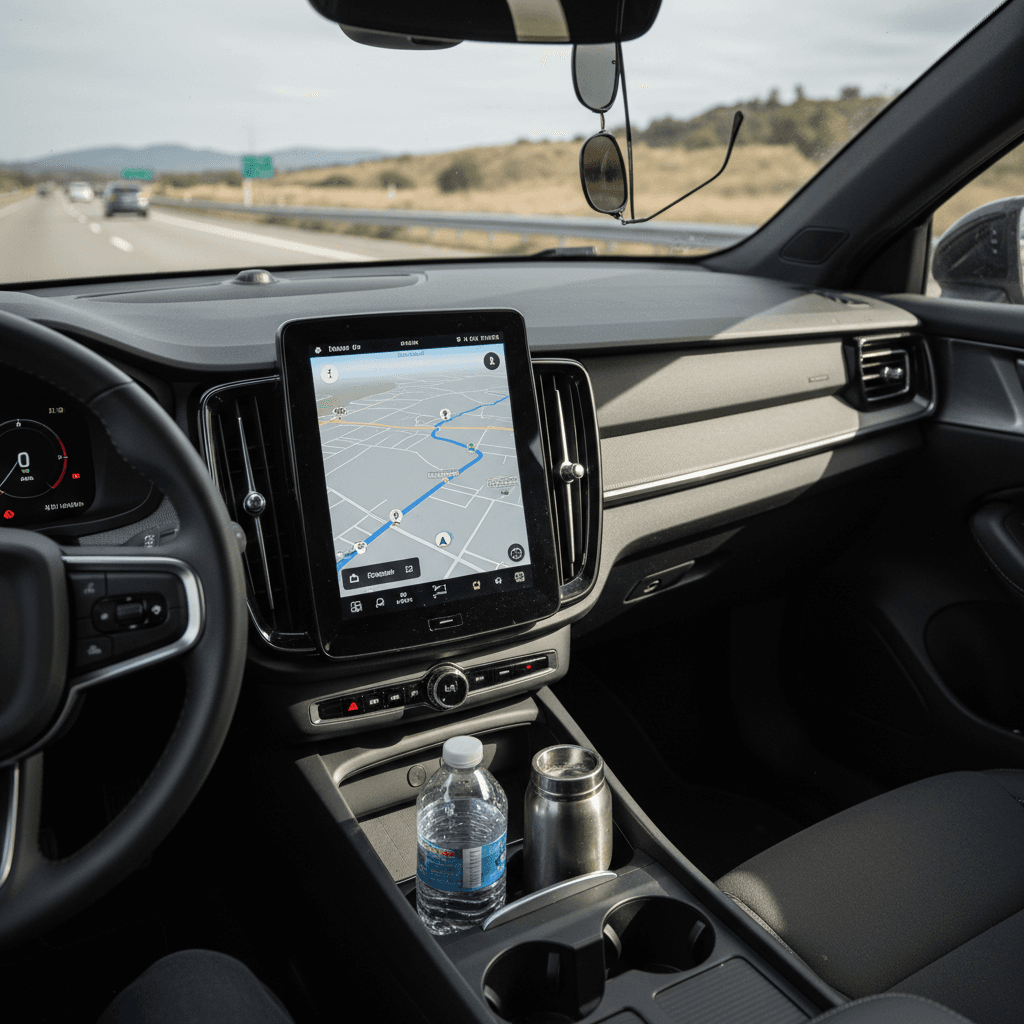
Because the Polestar 2 runs Android Automotive, you get native Google Maps, voice control, and familiar app behavior baked directly into the car. That’s good news for trip planning, but there are still a few things to know.
What the built-in nav does well
- Live traffic and rerouting keep you out of the worst jams, just like you’re used to on your phone.
- EV routing can suggest charging stops based on state of charge and route, especially on newer software builds.
- Voice commands make it easy to add a charger as a destination while you’re driving.
Where third-party apps still help
- Better charger filtering. Tools like A Better Routeplanner or PlugShare let you filter by power level, network, and payment type.
- Redundancy. Having a second app double-check your plan can save you from a surprise offline station.
- Trip history. Community-reported data on specific chargers makes it easier to avoid unreliable sites.
Plan like a pilot, drive like a tourist
Practical packing: space and people room
The Polestar 2 isn’t a hulking SUV; it’s a compact electric fastback. That makes it nimble in town and easy to park at charging plazas, but you need to be honest about your packing habits.
Space check: will your life fit in a Polestar 2?
Cargo and seating highlights that matter on long trips.
| Area | Capacity / notes | Road-trip takeaway |
|---|---|---|
| Rear cargo area | ~405 L seats up, ~1,095 L seats down | Enough for suitcases, soft bags, and a cooler for four people. |
| Front trunk (frunk) | ~31 L | Great for charge cables, a portable EVSE, and small valuables. |
| Rear seat space | Comfortable for two adults, three in a pinch | Fine for teens and adults up to average height on long days. |
| Roof load | Compatible with racks | Adding a box or bike rack cuts range but can save your packing sanity. |
Numbers are approximate and can vary slightly by model year and market.
Pack smart for range
How the Polestar 2 compares to other EVs for road trips
If you’re cross-shopping, the obvious rivals are compact premium EVs like the Tesla Model 3, Hyundai Ioniq 5, Kia EV6, and some luxury-brand crossovers. Each one brings a different blend of efficiency, charging speed, interior space, and software polish.
Polestar 2 vs other popular road-trip EVs
High-level impressions when the odometer starts racking up miles.
Polestar 2 vs Tesla Model 3
Model 3 wins on raw efficiency and access to the Tesla Supercharger network, which can simplify cross-country travel. The Polestar 2 counters with a more traditional cabin feel, Android Automotive, and styling that doesn’t shout "tech startup".
Polestar 2 vs Ioniq 5 / EV6
Hyundai/Kia’s 800-volt platforms can fast-charge even quicker at their best, and they’re roomier inside. The Polestar 2 feels denser, more like a sport sedan: tighter cabin, tauter ride, higher-quality interior touchpoints.
Polestar 2 vs luxury crossovers
Against bigger luxury EVs, the Polestar 2 usually gives up space but keeps up on refinement. For many singles and couples, it’s a more right-sized long-haul companion.
Efficiency and footprint
The Polestar 2 isn’t the absolute mileage champ, but it offers respectable highway range in a package that’s easy to thread through city streets and crowded rest stops.
Is a used Polestar 2 good for road trips?
A well-cared-for used Polestar 2 can be an excellent long-distance car, and a strong value, if you pay attention to battery health and charging history. That’s where buying from a used-EV specialist matters.
Battery health matters more than odometer miles
Every EV sold through Recharged includes a Recharged Score Report that verifies battery health, looks at charging patterns, and compares the car’s value to the current used EV market. That means you can shop for a Polestar 2 knowing how much usable capacity is left and what kind of range you can realistically expect on your own road trips.
How Recharged can help
Ready to find your next EV?
Browse VehiclesPolestar 2 road trip checklist
Before you hit the road in a Polestar 2
1. Confirm your real-world range
Use recent consumption numbers from your own driving, or from trip-planning apps, to estimate a conservative leg length at your typical highway speed.
2. Map chargers along your route
Pick primary and backup DC fast chargers every 120–170 miles at first. As you gain confidence, you can stretch the gaps and optimize for food or scenery.
3. Test your charging accounts
Make sure your Electrify America, ChargePoint, EVgo, or other accounts are set up and that your payment methods work before you leave the driveway.
4. Pack charging gear smartly
Stash your CCS cable (if separate), portable EVSE, adapters, and gloves in the frunk. Keep them clean and easy to reach for rainy or late-night stops.
5. Check tires and load
Set tire pressures to the door-jamb spec, especially before a fully loaded trip. Overloaded or underinflated tires hurt efficiency and comfort.
6. Set sensible charge limits
For normal use, set an 80% limit; for a trip, it’s fine to charge to 90–100% overnight or at home, then return to a lower limit when you’re back.
Polestar 2 road trip FAQ
Common Polestar 2 road trip questions
Final thoughts: is the Polestar 2 a good road trip EV?
If you think of a road-trip car as a quiet, confident companion rather than a gas-station sprinter, the Polestar 2 makes a compelling case. It won’t match the very best in the segment for raw highway efficiency, and you’ll need to be thoughtful about charging, especially in sparse parts of the country. But its combination of real-world range, fast-charging capability, comfortable seats, and clean, calming cabin make it a genuinely relaxing way to cover serious miles.
For many drivers, a well-chosen used Polestar 2, especially a Long Range Single Motor with a verified healthy battery, hits the sweet spot between design, performance, and long-distance usability. And if you’d like help figuring out which car, battery, and trim make the most sense for your own adventures, Recharged is built to make that decision easier, from battery health diagnostics to financing and delivery right to your driveway.