You’re seeing the phrase “vehicle electric” everywhere, ads, incentives, charging stations popping up at grocery stores. But when you go from curiosity to actually considering an electric vehicle, you quickly run into deeper questions: How do they really work, what do they cost to own, and how do you avoid buying a used EV with a tired battery?
Why this matters now
What does “vehicle electric” actually mean?
The phrase vehicle electric simply refers to a vehicle powered primarily or entirely by electricity rather than gasoline or diesel. In practice, you’ll see a few main categories:
- Battery electric vehicle (BEV) – 100% electric; no engine, no tailpipe. Examples: Tesla Model 3, Hyundai Ioniq 5, Chevy Bolt EUV.
- Plug‑in hybrid electric vehicle (PHEV) – Has a battery you can plug in plus a gasoline engine for backup. Examples: Toyota RAV4 Prime, Jeep Wrangler 4xe.
- Conventional hybrid – Uses a small battery to assist an engine but can’t be plugged in. Technically not what most people mean by “vehicle electric” today.
A simple rule of thumb
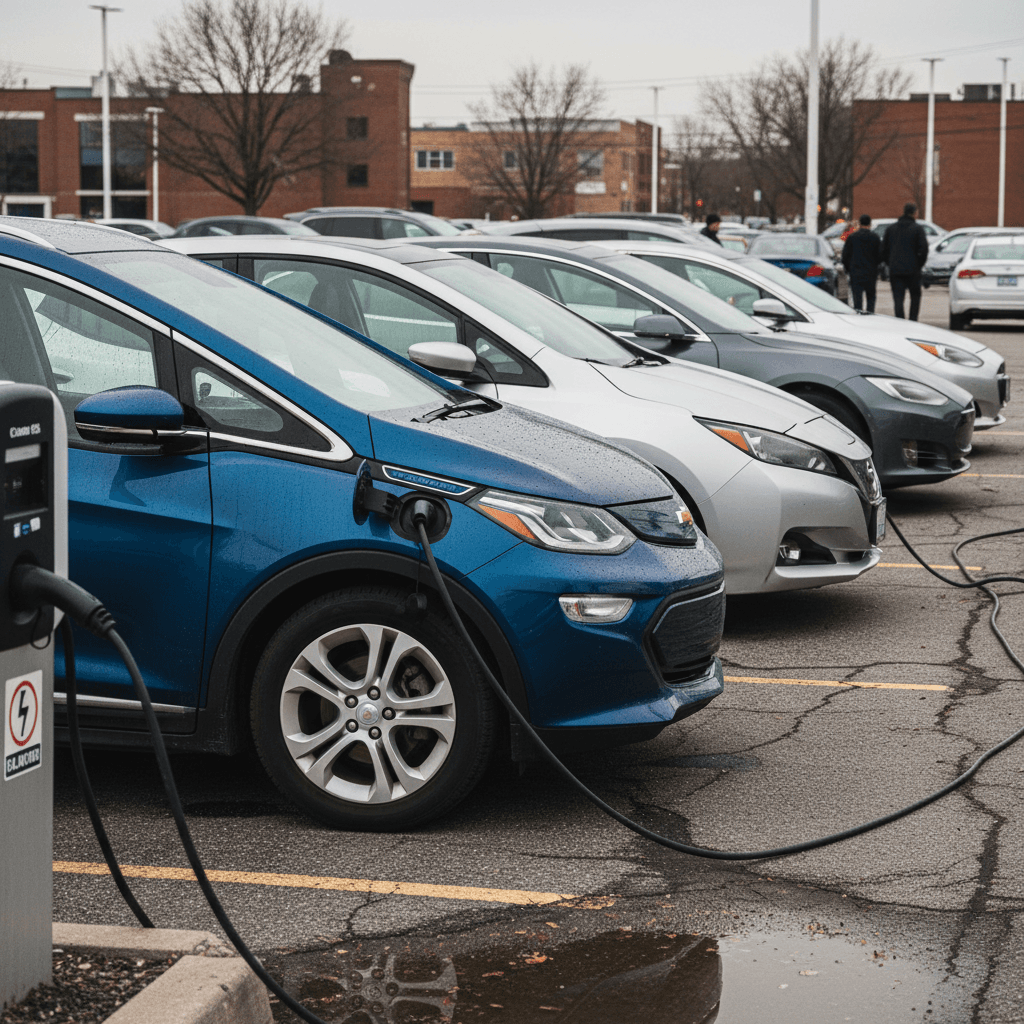
How an electric vehicle works, in plain English
A vehicle electric drivetrain is conceptually simpler than what’s under the hood of a gas car. Here’s what’s doing the work:
Core components of a vehicle electric
Fewer moving parts, different failure points than a gas car
High‑voltage battery
Electric motor
Onboard charger & port
What’s missing vs a gas car
- No multi‑speed transmission (most EVs use a single reduction gear).
- No exhaust, catalytic converter, or muffler.
- No oil changes, spark plugs, or timing belts.
- Far fewer fluids to monitor and replace.
What you still need to maintain
- Tires (EVs are heavier and often need replacements a bit sooner).
- Brake fluid and cabin air filter.
- Suspension components, steering, and body hardware.
- Thermal system that keeps the battery and cabin at the right temperature.
The big upside of simplicity
Vehicle electric vs gas: real-world costs
The economics of going vehicle electric are shifting fast. Upfront prices are coming down, used EV supply is growing, and incentives plus lower fueling costs are doing more of the work. To understand the trade, look at total cost of ownership: purchase price, energy, maintenance, and resale value.
How the vehicle electric market looks in 2025
Vehicle electric vs gas: ownership cost snapshot
Illustrative comparison for a compact crossover in the U.S. over 5 years, assuming 12,000 miles per year.
| Cost area | Gas vehicle | Vehicle electric |
|---|---|---|
| Energy (fuel) | $8,000 | $3,500 |
| Maintenance & repairs | $4,000 | $2,500 |
| State/federal incentives | $0 | –$4,000 (rebates/credits where available) |
| Home fueling equipment | n/a | $800–$1,500 (Level 2 charger + install) |
| Estimated 5‑year total | Baseline | Typically lower, especially with incentives |
These are example numbers, your local electricity, gas prices, and incentives will shift the math, often further in the EV’s favor.
Watch the fine print on incentives
Charging a vehicle electric: home, work, and road trips
Charging is the biggest behavioral change when you move to a vehicle electric. Instead of detouring to gas stations, most of your “fueling” happens while you’re doing something else, sleeping, working, or shopping.
The three main ways to charge a vehicle electric
Think in terms of voltage and speed, not just plugs
Level 1 – 120V
Level 2 – 240V
DC fast charging
Home and workplace charging
If you have off‑street parking or a dedicated spot at work, you’ll probably do 80–90% of your charging on Level 1 or Level 2. Think of it as always leaving home with a “full tank” instead of making fueling runs.
For renters and condo owners, the conversation with a landlord or HOA is now much easier; many utilities and states offer rebates on charging equipment and installation.
Public and fast charging
On the road, you’ll rely on DC fast‑charging networks, Tesla Supercharger, Electrify America, EVgo, Ionna, and others. Coverage has improved significantly on major U.S. corridors, though rural gaps still exist.
Most new EVs in North America are migrating to the NACS connector (the Tesla plug), often with adapters bridging the transition from CCS.
Plan for 95% of your driving, not the rare road trip
Battery health, range, and what actually wears out
When you’re shopping vehicle electric, especially used, the battery is the main asset you’re buying. Range headlines get all the attention, but state of health (how much capacity remains vs new) is what matters over the long term.
- Most modern EV batteries are designed to retain the majority of their capacity well past 100,000 miles when properly managed.
- Thermal management (how well the pack is cooled and heated) is critical; vehicles with robust liquid cooling typically age more gracefully.
- Frequent DC fast charging, lots of high‑speed miles, and extreme heat can accelerate degradation, but usage patterns matter more than any single number on the odometer.
Range vs capacity: don’t confuse the two
This is where independent battery diagnostics matter. Unlike a gas car, you can’t see wear and tear just by listening to the engine or looking for oil leaks. You need data from the pack itself.
How Recharged approaches battery health
Ready to find your next EV?
Browse VehiclesWhy used electric vehicles are surging in 2025
New EV sales have set records year after year, and those vehicles are now aging into the used market. That means shoppers looking for a “vehicle electric” no longer have to choose between a handful of niche models; there’s real breadth across brands, body styles, and price points.
What’s changed since the first wave of EVs
Policy and infrastructure tailwinds
How to shop for a used vehicle electric with confidence
Evaluating a used vehicle electric is different from kicking the tires on a gas car. Here’s a focused checklist to keep you out of trouble and help you spot real value.
Used vehicle electric buying checklist
1. Start with your daily driving reality
Write down your typical weekday mileage, your longest regular trip, and where you park at night. This will determine how much range you actually need and whether home charging is essential or just nice to have.
2. Verify battery health, not just mileage
Two similar EVs with the same miles can have very different battery health. Look for a <strong>third‑party battery report</strong> like the Recharged Score that measures state of health instead of relying solely on the dash.
3. Confirm charging connector and adapters
Make sure the EV’s connector (NACS, CCS, or J1772) fits the charging networks you plan to use. If an adapter is required, for example, a CCS car using Tesla Superchargers, confirm what’s included in the sale.
4. Inspect charging history if available
Ask how often the previous owner used DC fast charging vs home Level 2, and in what climate. Heavy, hot‑climate fast‑charging use can accelerate degradation even if the mileage looks modest.
5. Check software, recalls, and warranties
Confirm the vehicle is on the latest software, and ask for documentation of completed recalls or service campaigns. Some EV components have separate warranties from the battery pack.
6. Model‑specific research
Every EV has its quirks, common issues, charging curve behavior, and feature changes by model year. Spend time in owner forums and guides for the exact model you’re considering.
Don’t ignore charging equipment
In the used EV market, information asymmetry has historically favored the seller. The more transparent battery health, pricing, and charging details become, the more comfortable mainstream buyers will be going electric.
Financing, trade-in, and upgrading to electric
Going vehicle electric isn’t just a technology upgrade; it’s a financial decision. The good news is that as EVs have become mainstream, financing and trade‑in options look much more like what you’re used to with gas cars, with a few important twists.
Financing a vehicle electric
- Many lenders now treat EVs as a core product, not a special case.
- Some credit unions and green banks offer slightly better rates for low‑emission vehicles.
- Because maintenance and fuel can be cheaper, a slightly higher payment can still lower your monthly out‑of‑pocket.
Recharged can help you pre‑qualify for financing online, so you see real payment scenarios before you fall in love with a specific car.
Trading in or selling your gas car
If you’re moving from gas to a vehicle electric, the value locked up in your current car is a big part of the equation. You can trade it in, get an instant offer, or consign it for sale depending on your priorities.
Recharged offers trade‑in, instant offer, or consignment services tailored for EV shoppers, plus nationwide delivery if the right car happens to be in another market.
Stack the savings over time
Vehicle electric FAQ
Frequently asked questions about going vehicle electric
Key takeaways if you’re considering going electric
When you strip away the jargon, a vehicle electric is simply a more efficient, lower‑maintenance way to turn energy into motion. The questions you should ask are the same ones you’d apply to any car: Does it fit my life, can I afford it comfortably, and am I confident in what I’m buying?
- Focus on total cost of ownership, not just the purchase price. Fuel and maintenance are where EVs quietly win.
- Plan your charging reality, where you park, whether you can add Level 2, and how often you truly road‑trip.
- Treat battery health as the core asset when you shop used; insist on real diagnostics, not just a range guess from the dash.
- Use platforms like Recharged that specialize in used electric vehicles, provide transparent battery health via the Recharged Score, and support you with EV‑savvy financing, trade‑in, and delivery.