If you’re thinking about an electric vehicle, or looking at a used one, the question that probably keeps you up at night is simple: what’s the real vehicle battery life span? In other words, how long will the battery pack keep enough range for your daily life before it becomes a problem, or a big expense.
Quick answer
How long do EV batteries really last?
EV battery life span at a glance
The easiest way to think about vehicle battery life span is in years and in miles. Today’s lithium‑ion EV packs are engineered very differently from the pack in your phone or laptop. They have active cooling, sophisticated management software, and large buffers built in so you’re rarely using the absolute top and bottom of the pack.
Real‑world data from fleet studies and battery analytics companies shows that most EV batteries lose only a few percent of capacity in the first couple of years, then the degradation curve flattens. Many vehicles still retain 80% or more of their original range after 8–10 years, especially when they’ve been charged sensibly and driven in moderate climates.
Good news for long‑term ownership
Years, miles, and warranties: what automakers actually promise
If you want a concrete baseline for EV battery life span, look at warranty terms. Automakers don’t guarantee something they don’t think the technology can meet, so those numbers give you a conservative picture of expected life.
Typical EV battery warranty coverage
Most modern EVs follow a similar pattern: long battery warranties that reflect confidence in pack life.
| Automaker example | Years | Miles | Capacity guarantee* |
|---|---|---|---|
| Most mainstream brands (federal minimum) | 8 | 100,000 | Often 70% remaining |
| Some Hyundai / Kia models | 10 | 100,000 | Around 70% capacity |
| Tesla (model‑dependent) | 8 | 100,000–150,000 | 70% capacity during warranty |
| CARB states (select models) | 10 | 150,000 | Capacity targets increasing over time |
Always verify the exact warranty for the specific model year you’re shopping.
What the warranty really means
Thanks to improved cell chemistry and battery management, field data shows that outright battery failure is rare. In large samples of thousands of EVs on the road, only a small fraction of packs, often just a few percent, have been replaced due to age‑related degradation. That’s part of why you’re now seeing more confidence in used EVs and longer‑term ownership.
What really shortens vehicle battery life span
Why does one EV still feel fresh after 10 years while another loses noticeable range much sooner? The difference usually comes down to how and where the vehicle has been used. These are the biggest forces working against your battery’s long‑term health.
The main enemies of battery life
If you want your pack to last, pay attention to these four factors.
Extreme heat
Severe cold
Frequent DC fast charging
Living at 0% or 100%
Heat + high charge = worst combination
Driving style matters, too. Heavy, constant full‑throttle acceleration generates heat and uses the upper portion of the pack more often. Occasional spirited driving won’t ruin an EV, but years of aggressive use can nudge a battery toward faster degradation compared with a gently driven car.
Daily patterns that quietly age your battery
- Fast‑charging from very low (under 10%) to very high (over 90%) several times a week
- Parking long‑term at 90–100% state of charge, especially in hot climates
- Rarely driving the vehicle but leaving it sitting weeks at a time without checking charge level
- Using maximum cabin pre‑conditioning while still on a low state of charge
How battery degradation shows up in daily driving
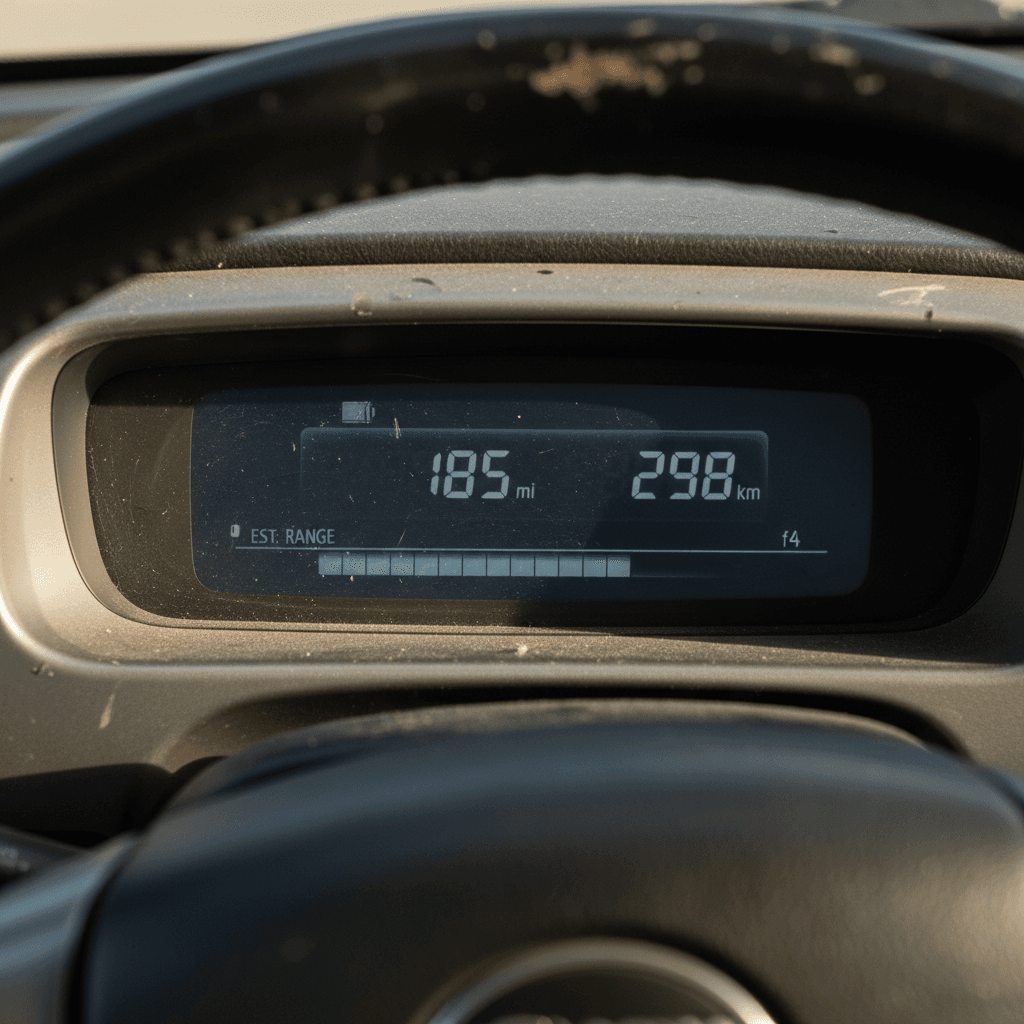
Most drivers don’t notice battery wear in terms of chemistry or cell voltage, they notice it as lost range. Over time, that 300‑mile EPA rating might feel more like 260, then 240. That doesn’t mean the pack is failing; it just means the usable capacity has shrunk.
Common signs your EV battery is aging
Shorter real‑world range
You’re getting noticeably fewer miles per charge on the same commute, even in similar weather conditions and driving style.
More frequent charging stops
Road trips require more charging sessions or you’re arriving at chargers with less remaining range than you used to.
Slower fast‑charge sessions
To protect an aging pack, the battery management system may reduce peak fast‑charging power, stretching out stop times.
Capacity or SOH numbers dropping
Some EVs display a battery health or capacity percentage. Over time, this figure slowly declines from 100%.
A little loss is normal
Practical ways to extend your EV battery life span
You can’t stop battery aging, but you can slow it down. The right habits can easily add years of useful life to an EV pack and preserve more range for the next owner, something that matters a lot in the used market.
Four habits that protect your battery
Simple changes in how you charge and park can pay off over the long haul.
Aim for 20–80% in daily use
Favor Level 2 home charging
Avoid heat and full charge together
Time your charging
Think like a fleet operator
- Keep software up to date so the car can apply the latest charging and thermal management strategies.
- Use pre‑conditioning while plugged in, so cabin heating or cooling draws from grid power instead of the battery.
- If you store the car for weeks, leave it around 40–60% state of charge and check in on it periodically.
Battery life span and used EV value
In a gasoline car, mileage is the big headline number. With EVs, battery health can be even more important than the odometer. Two 80,000‑mile EVs can have very different value depending on how much range they still deliver.
How buyers think about battery life
Used EV shoppers want confidence that they’re not inheriting an expensive problem. A pack that still shows strong health and range can make a high‑mileage car feel like a smart purchase rather than a gamble.
That’s why clear documentation of charging habits, climate, and any remaining warranty helps a seller stand out.
How sellers can protect value
Maintaining good charging habits now has a direct payoff later. A vehicle with documented battery health reports, service history, and sensible use can command a premium against similar cars with unknown histories.
Think of it as protecting the single most valuable component in the car.
Where Recharged fits in
Ready to find your next EV?
Browse VehiclesHow to test battery health before you buy or sell
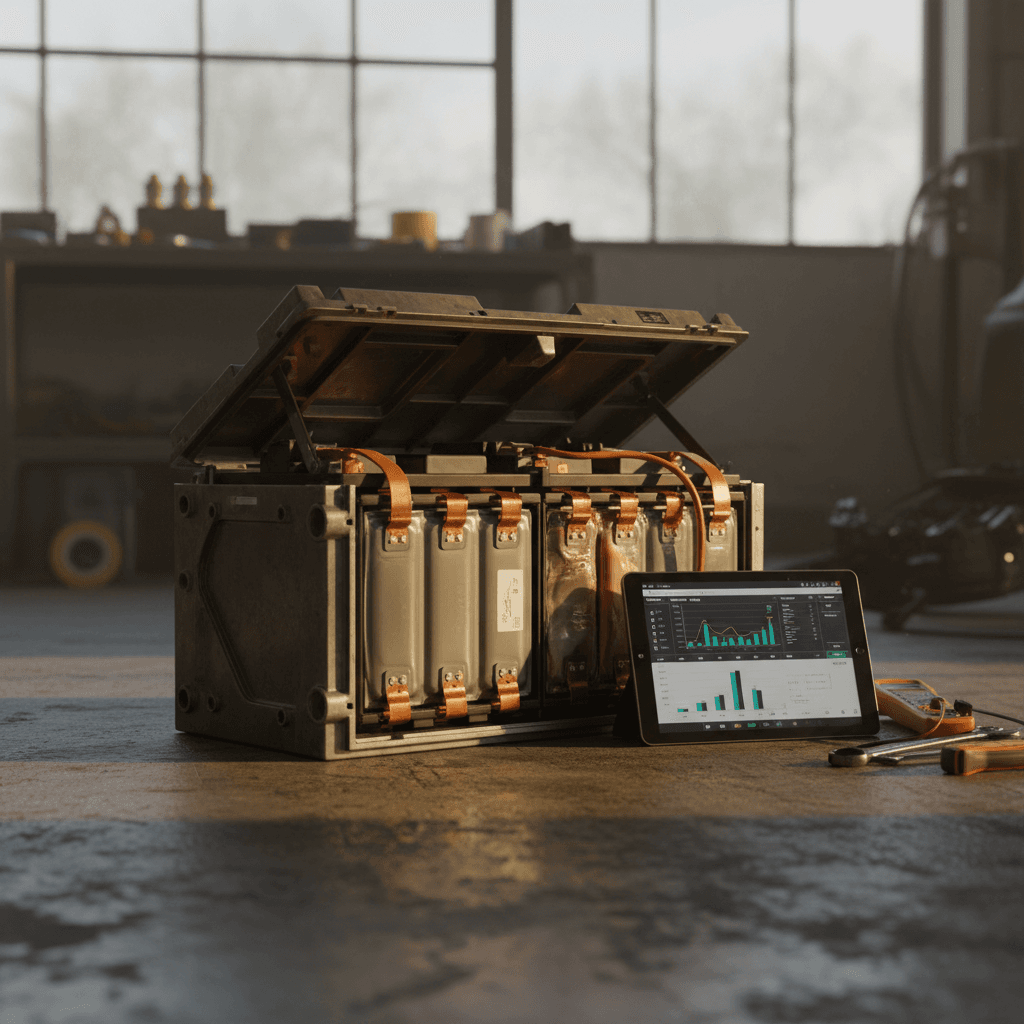
Because battery life span is central to an EV’s value, relying on a test drive or range estimate alone isn’t enough. You want a measured view of the pack’s health, ideally from data pulled directly from the car.
Steps to get a clear picture of battery health
1. Review the battery warranty
Confirm how many years and miles of coverage remain, and whether the warranty transfers to a new owner. This sets a baseline for your risk.
2. Look at real‑world range
Compare the car’s displayed full‑charge range to its original EPA estimate, adjusting for temperature and driving style. A modest gap is normal; a huge drop calls for more questions.
3. Use professional diagnostics
Specialized tools can read battery state of health (SOH), cell balance, temperature history, and more. Recharged uses advanced diagnostics as part of our Recharged Score.
4. Check charging history when available
If the seller can show home charging vs. fast‑charging usage, that history can support what the health data suggests.
5. Consider a third‑party inspection
For higher‑value EVs, a full inspection that includes the battery and high‑voltage system can be money well spent.
Don’t skip battery health on a bargain
How new battery tech could change lifespan
Battery chemistry isn’t standing still. New cell designs aim to deliver higher energy density, lower cost, and longer life. That could shift how we think about vehicle battery life span over the next decade.
Key trends in next‑generation EV batteries
What’s coming next, and what it may mean for life span.
High‑silicon & lithium‑metal anodes
LFP chemistries
Smarter pack design
What this means if you buy today
Vehicle battery life span: FAQ
Frequently asked questions about EV battery life span
Key takeaways on vehicle battery life span
When you strip away the myths, the picture is encouraging: the typical vehicle battery life span for modern EVs is measured in decades, not just years. For most drivers, the pack will comfortably outlast their ownership period, and often the rest of the car.
- Most EV batteries are designed to last 12–15 years in moderate climates, with at least 100,000 miles and often far more.
- Battery degradation is gradual; a modest range drop in the first few years is normal, then the curve flattens.
- Heat, high state of charge, and constant fast charging are the biggest controllable enemies of pack life.
- Good charging habits today translate directly into better resale value in the used EV market.
- Objective battery health data, like the diagnostics behind the Recharged Score, removes much of the uncertainty around used EVs.
Whether you’re considering your first EV or wondering what your current car will be worth in a few years, understanding battery life span gives you leverage. Pair that knowledge with transparent battery health reporting, like you’ll find on vehicles listed through Recharged, and you can shop, sell, or trade in an electric vehicle with the same confidence you’d bring to any smart car deal.