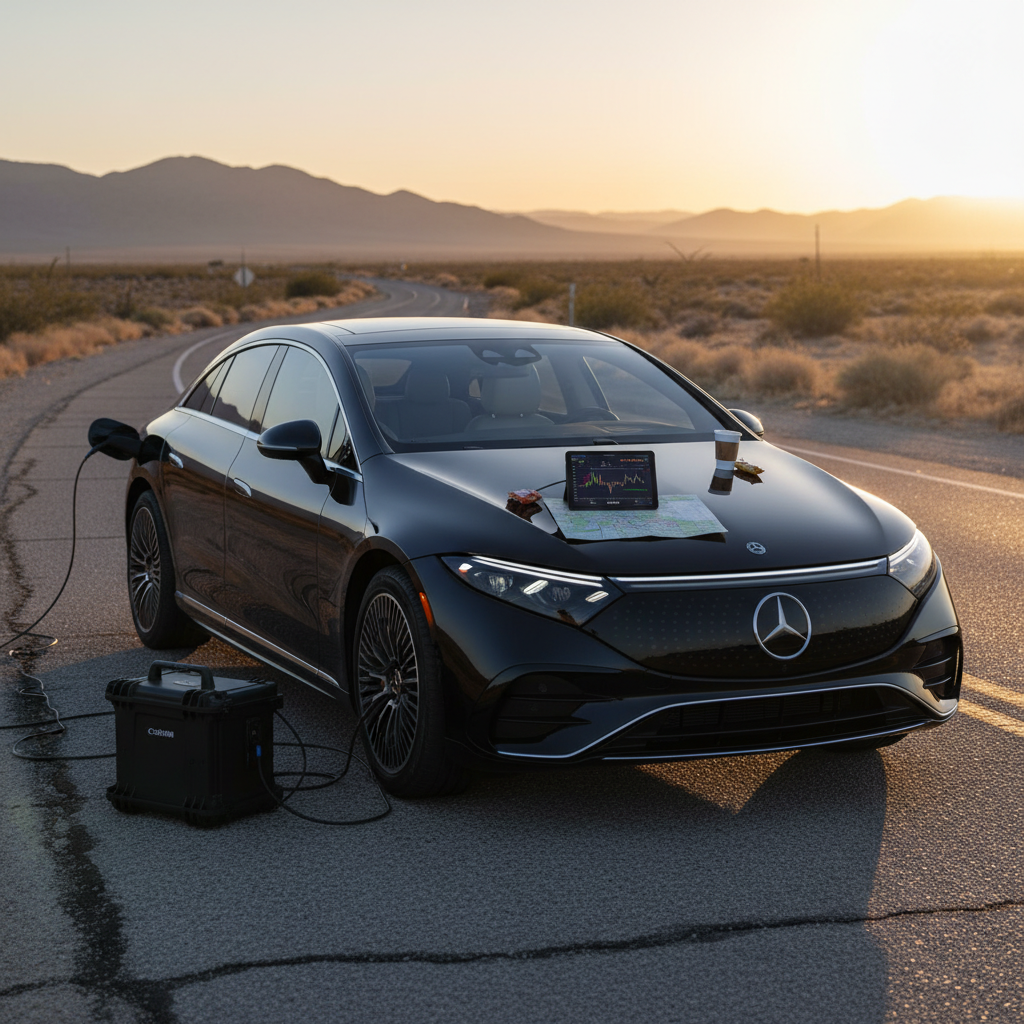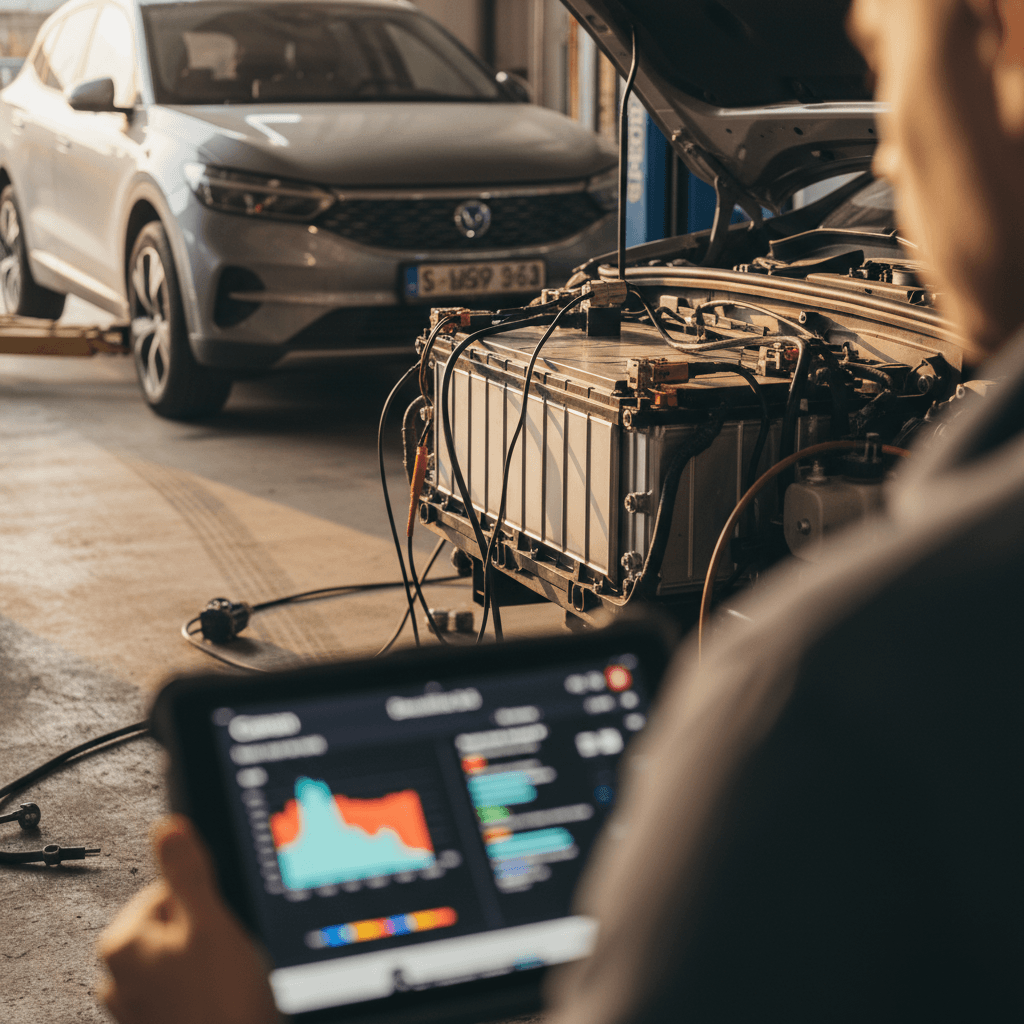
If you’re considering an electric vehicle, or eyeing a used EV in particular, you’ve probably asked yourself a simple but critical question: how long is vehicle battery life, really? You’re not alone, battery lifespan is the number-one concern shoppers raise when they move from gas to electric. The good news: modern EV batteries last far longer than most people expect, and with a few smart habits you can stretch that life even further.
The short answer
What “vehicle battery life” really means
Before you can judge vehicle battery life, it helps to know what, exactly, we’re talking about. In an electric vehicle, the high‑voltage battery does two related but distinct things over its lifetime: it retains capacity (how much energy it can store) and it delivers power (how quickly that energy can flow). What most drivers care about is range: how many miles they can drive on a charge, and how much of that range is still available after years of use.
- Capacity: measured in kilowatt-hours (kWh), like the size of a fuel tank.
- State of health (SoH): the battery’s usable capacity vs. when it was new, shown as a percentage.
- Range: the number of miles the car can travel on a full charge under certain test conditions.
- Degradation: the gradual loss of capacity over years and charge cycles.
When people worry that “EV batteries only last a few years,” they’re usually imagining a sudden failure. In reality, EV batteries almost always fade gradually. You don’t wake up one day with a dead pack; you notice that your 300‑mile car is now more like a 250‑mile car. For most owners, that slower fade is what “battery life” feels like day to day.
How long do EV batteries actually last?
Modern EV battery life at a glance
We now have more than a decade of real‑world data, and it paints a reassuring picture. Studies of major EV brands show that after an initial small drop in the first few years, battery capacity tends to stabilize and decline slowly from there. It’s common to see 80–90% of original capacity after 8–10 years in typical conditions.
Recent long‑term tests have backed this up. A German motoring club ran a Volkswagen ID.3 for about four years and over 100,000 miles and still measured roughly 91% of its original capacity, despite frequent fast‑charging and regular 100% charges. That’s far better than the “phone battery” mental model many drivers still have.
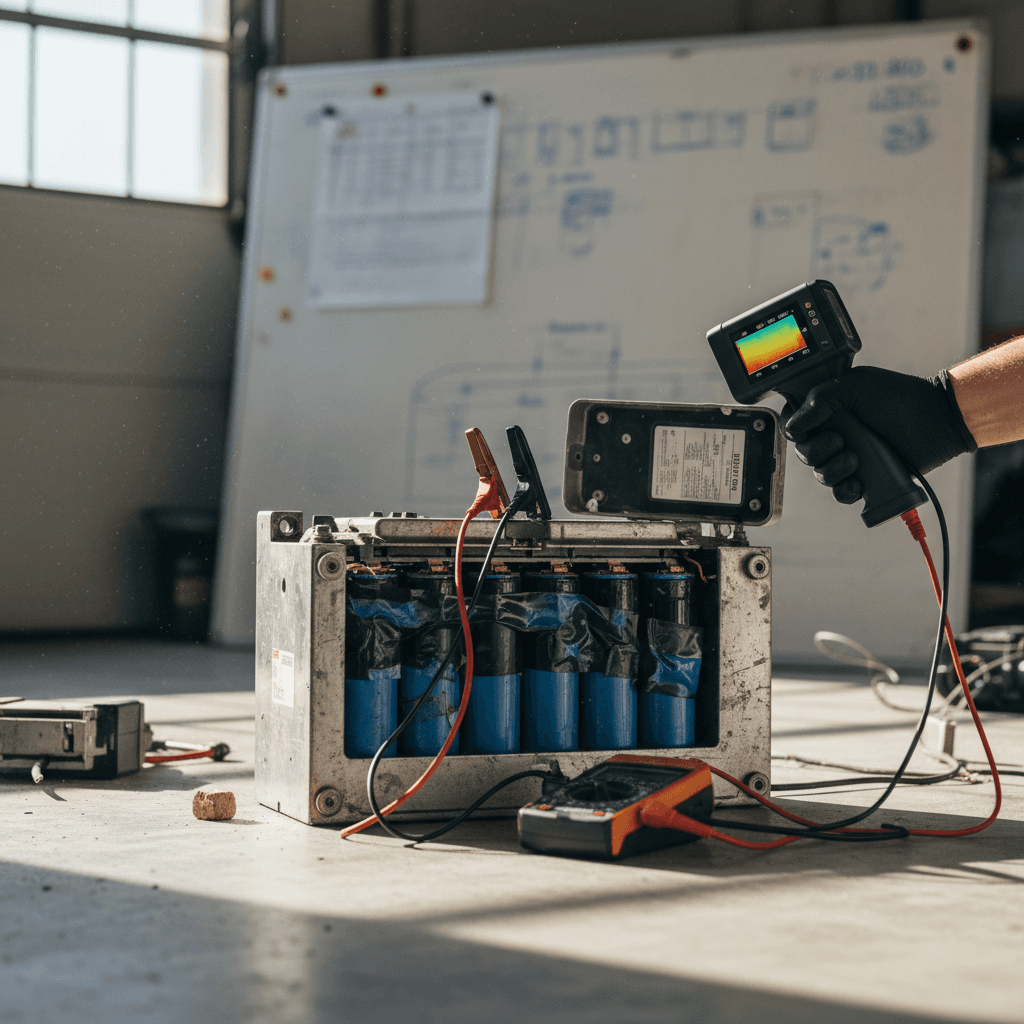
Think in ranges, not hard deadlines
What really causes EV battery degradation?
Lithium‑ion batteries, whether in a smartphone or a car, degrade due to chemistry. In EVs, that chemistry is carefully managed by thermal systems and software, but a few factors still matter a great deal. If you understand them, you can make simple choices that keep your battery healthier for longer.
Main forces that shorten vehicle battery life
Some you can’t control, some you absolutely can.
Time (calendar aging)
Batteries slowly age even when a car isn’t driven. High states of charge, hot climates, and sitting for long periods accelerate this.
Miles & cycles
Each full charge–discharge cycle adds a tiny bit of wear. Highway drivers rack up cycles faster than low‑mileage city owners.
Heat & cold
High heat speeds up chemical reactions that degrade cells. Extreme cold slashes temporary range and can slow charging.
Fast charging
DC fast charging is convenient, but high power means more heat and stress. Occasional use is fine; daily use can accelerate aging.
High or low SoC
Parking at 100% or frequently running under 10% strains the pack. Living between 20–80% is the sweet spot for longevity.
Aggressive driving
Repeated hard launches, heavy loads, and very high speeds increase heat and current draw, putting extra stress on cells.
Not all EV batteries are created equal
Driving and charging habits that extend battery life
Here’s the upside: while you can’t change the laws of chemistry, your daily habits have a big influence on vehicle battery life. The goal is to avoid the extremes, extreme charge levels, extreme temperatures, and extreme power demands, whenever you reasonably can.
Everyday habits that protect EV battery life
1. Aim for the 20–80% zone
For daily use, set your charge limit to around 70–80% and try not to dip under 10–20% unless necessary. This keeps voltage stress on the cells lower and slows long‑term degradation.
2. Use Level 2 charging as your default
Level 2 (240V) charging at home or work is the sweet spot: fast enough to be convenient, but gentle compared with frequent DC fast charging. Save rapid chargers mainly for road trips and true time‑sensitive needs.
3. Avoid charging a hot battery immediately
After a long highway drive, your pack is already warm. If you can, let the car sit for 30–60 minutes before plugging into a high‑power charger. This gives the thermal system time to cool the pack.
4. Precondition the battery and cabin while plugged in
On very hot or cold days, use your app or in‑car settings to warm or cool the car while it’s plugged in. The energy comes from the grid instead of the pack, easing stress and preserving range.
5. Drive smoothly and use Eco or Chill modes
EVs are addictive because of their instant torque, but full‑throttle sprints and repeated hard braking can add heat and stress. Smooth acceleration, steady speeds, and generous use of regenerative braking are a triple win for battery life, range, and comfort.
6. Don’t store the car at 0% or 100%
If you’ll park for more than a few days, leave the battery around 40–60% and keep the car in a temperature‑controlled or shaded spot if possible.
Good news for real drivers
Climate, storage, and vehicle battery life
Where you live matters. A car in Phoenix will age differently than a car in Portland, even at the same mileage. That’s because temperature and storage conditions are huge pieces of the battery‑life puzzle.
Hot climates
High ambient temperatures speed up the chemical reactions that slowly wear out lithium‑ion cells. Parking daily in direct sun at high state of charge is about the worst case for long‑term health.
- Whenever possible, park in a garage or shaded area.
- Avoid leaving the car fully charged in the heat for days on end.
- Use cabin and battery preconditioning while plugged in.
Cold climates
Cold doesn’t usually cause permanent damage by itself, but it does temporarily reduce range and slow charging.
- Expect 20–30% less range in deep winter, especially at highway speeds.
- Keep the car plugged in so the thermal system can condition the pack.
- Pre‑heat the cabin and battery before driving to get some of that range back.
Winter range vs. battery life
EV battery warranties and when to worry
One of the most reassuring parts of EV ownership in the United States is the battery warranty. Federal rules require at least 8 years or 100,000 miles of high‑voltage battery coverage on pure EVs. Many manufacturers go beyond that with longer mileage or stronger capacity guarantees.
Typical EV battery warranty terms (U.S. market)
Always check the exact terms for the specific vehicle you’re considering, but this snapshot shows common patterns.
| Brand / Example Model | Warranty Term | Capacity Retention Promise* | Notes |
|---|---|---|---|
| Tesla Model 3 / Model Y | 8 yrs / 100k–120k miles | 70% | Exact terms vary by battery size and drive configuration. |
| Hyundai IONIQ 5 | 10 yrs / 100k miles | 70% | Hyundai has been among the most aggressive battery‑warranty providers. |
| Kia EV6 | 10 yrs / 100k miles | 70% | Strong coverage, especially appealing for second owners. |
| Chevrolet Bolt EV | 8 yrs / 100k miles | 60–70% | GM has updated packs and coverage after earlier recalls. |
| Rivian R1T / R1S | 8 yrs / up to 175k miles | 70% | Higher mileage cap reflects adventure‑oriented use cases. |
| Most other mainstream EVs | 8 yrs / 100k miles | ~70% | Check the fine print; some states, like California, also add durability requirements. |
Most warranties promise a minimum capacity, often 70%, through the warranty period.
When battery life becomes a warranty issue
Battery life and resale value for used EVs
If you’re shopping for a used EV, battery life isn’t just a theoretical concern, it directly affects what the vehicle is worth and how confidently you can drive it. The market is starting to recognize that not all high‑mileage EVs are created equal.
How battery health impacts used EV ownership
Three key angles to think about before you buy.
Practical range
A car that started with 300 miles and now has 255 miles of range (85% capacity) is still very usable for many drivers. The question is whether that range fits your commute, road‑trip style, and charging access.
Resale value
Battery health is increasingly baked into pricing. Vehicles with verified, higher state of health can command a premium versus similar cars with unknown or weaker packs.
Financing & peace of mind
Lenders and buyers alike are more comfortable when battery health is documented. That’s a big part of why Recharged includes a Recharged Score battery report with every vehicle.
“The used EV market is quickly shifting from ‘What’s the mileage?’ to ‘What’s the battery health?’ A clear view of state of health is becoming just as important as a clean Carfax.
How Recharged evaluates battery life in used EVs
Because battery life matters so much, Recharged has built its entire buying and selling experience around transparent battery health. Instead of asking you to take a seller’s word for it, we provide a Recharged Score Report for every vehicle we list.
- Verified battery diagnostics: We use specialized tools and manufacturer data to estimate state of health, not just guess from range estimates.
- Usage and climate profiling: Whenever possible, we look at how and where the car was used, mileage patterns, fast‑charging history, and climate exposure all influence battery life.
- Fair‑market pricing: Vehicles are priced based on battery condition, equipment, and market data, so you aren’t overpaying for a tired pack.
- Expert guidance: EV‑specialist advisors can walk you through what a given state of health means for your real‑world driving and future resale.
How this helps you as a buyer or seller
Ready to find your next EV?
Browse VehiclesFAQ: Vehicle battery life questions, answered
Common questions about vehicle battery life
Key takeaways on vehicle battery life
- Modern EV packs are built to last, often delivering useful range for a decade or more with proper care.
- Real‑world data shows slower degradation than early fears suggested, especially on newer, liquid‑cooled designs.
- Your habits matter: avoiding extremes of charge, heat, and aggressive fast charging can noticeably extend vehicle battery life.
- Battery warranties (typically 8–10 years and 100,000–150,000 miles) provide a strong safety net for both new and used EV buyers.
- For used EVs, verified battery health is quickly becoming as important as mileage, something Recharged bakes into every Recharged Score Report.
If you’re evaluating an EV, new or used, think of vehicle battery life the way you would think about the engine and transmission on a gas car. It’s the heart of the vehicle, but it’s also engineered to go the distance. With the right information and a few simple habits, you can enjoy years of quiet, low‑maintenance driving without letting battery anxiety drive your decisions. And if you want expert help interpreting battery health on a specific used EV, Recharged is built to make that part simple, transparent, and, dare we say, refreshingly boring.