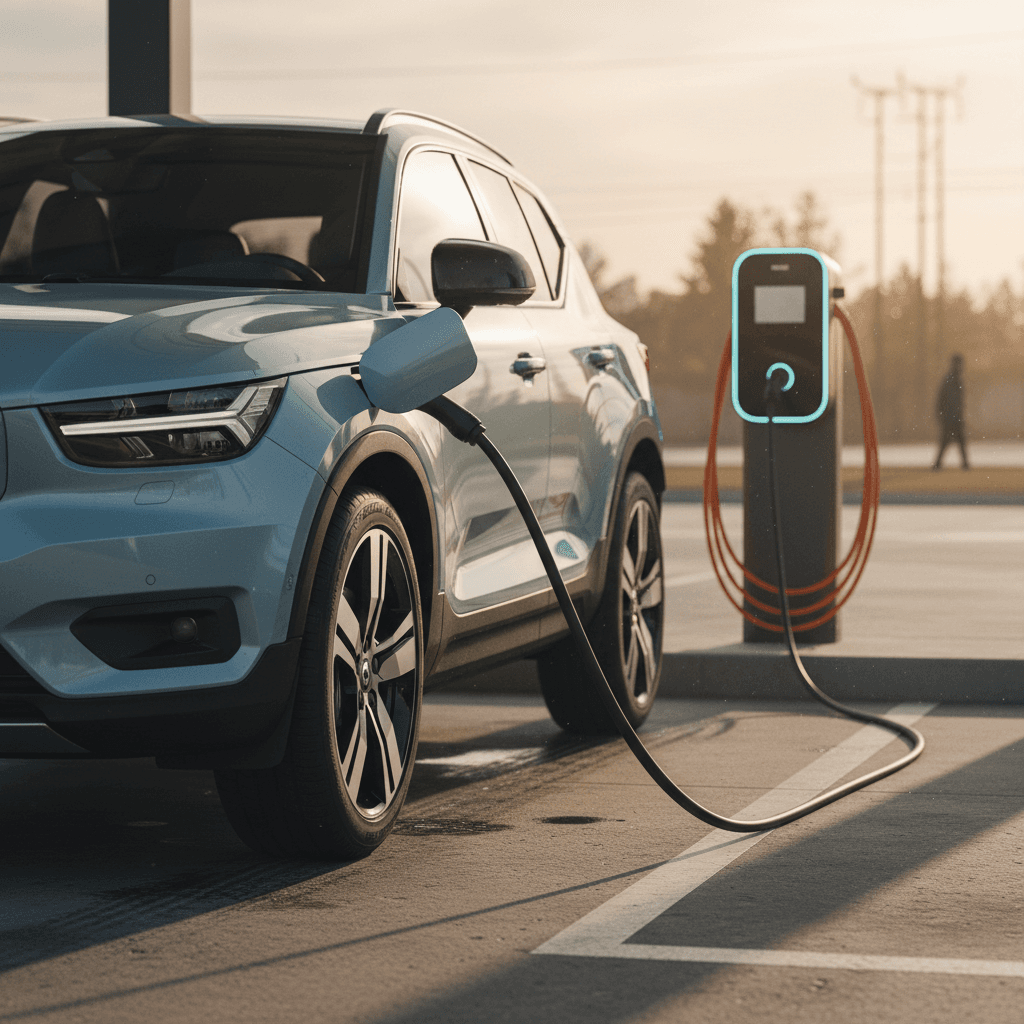
If you’re shopping for a **used premium electric SUV**, the Volvo XC40 Recharge and Audi Q4 e-tron are probably near the top of your list. They’re similar on paper, compact luxury crossovers with around 250–290 miles of rated range, but they deliver noticeably different ownership experiences once you look past the spec sheet.
Who this guide is for
Overview: XC40 Recharge vs Q4 e-tron in the used market
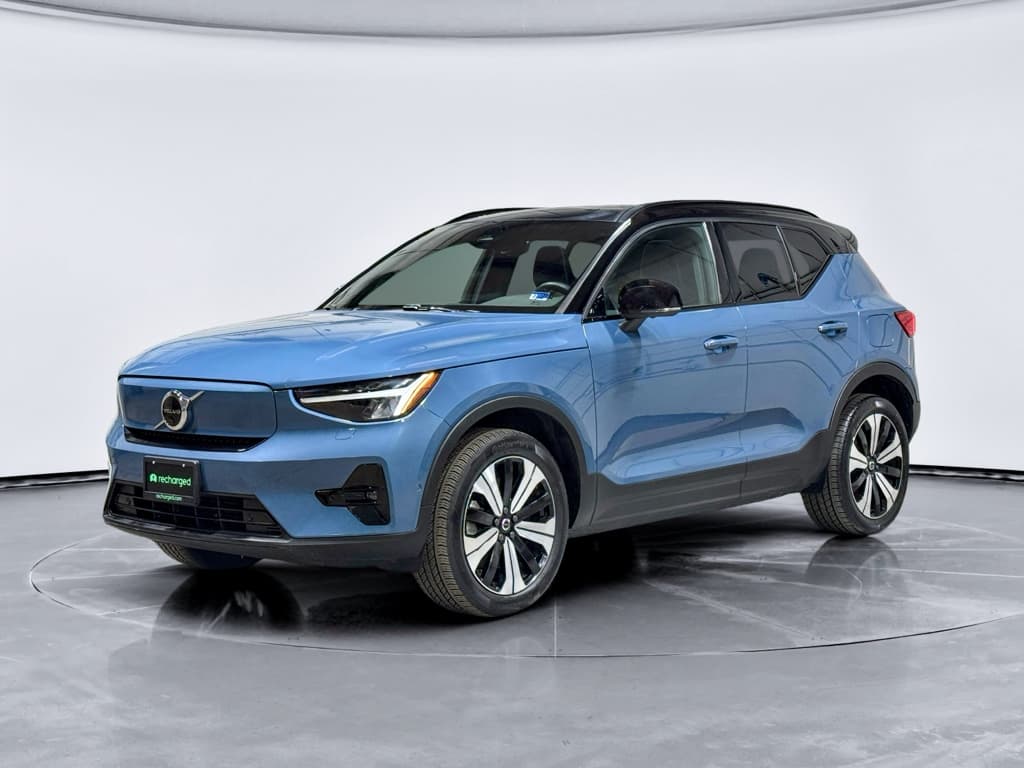
Volvo XC40 Recharge (used)
- Positioning: Compact luxury EV SUV derived from the XC40 gas model.
- Powertrain: Early years mostly dual‑motor AWD; 2024 adds more efficient rear‑drive single‑motor.
- Character: Punchy acceleration, comfortable ride, simple Scandinavian interior, strong safety story.
- Used pricing: Often under comparable Q4 e‑tron for similar year/miles thanks to steeper early depreciation.
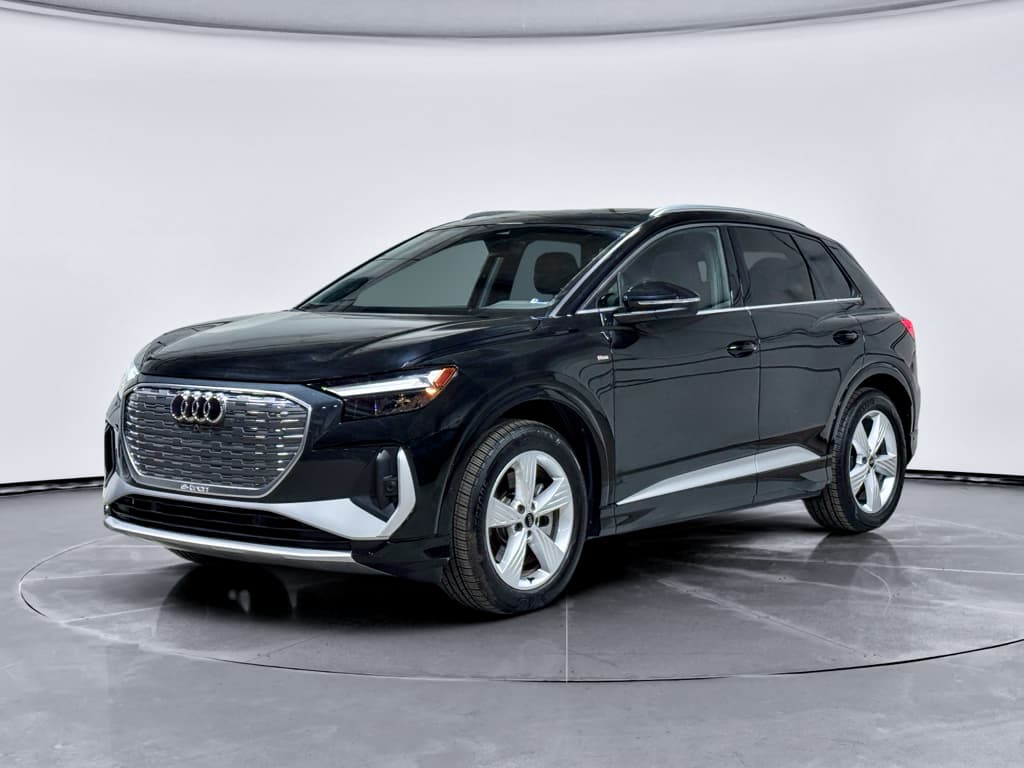
Audi Q4 e-tron (used)
- Positioning: Purpose‑built EV SUV on the VW Group MEB platform.
- Powertrain (US): Mostly 55 quattro dual‑motor AWD with about 335 hp and EPA range around 250–265 miles depending on trim year.
- Character: Quiet, refined, more efficiency‑oriented than sporty, with a tech‑forward cockpit.
- Used pricing: Holds value a bit better; tends to cost more than an equivalent XC40 Recharge at the same age and mileage.
Model year matters
Quick specs comparison: used XC40 Recharge vs Q4 e-tron
Key specs (typical U.S. trims you’ll see used)
Exact numbers vary slightly by model year and configuration. These figures are representative of popular single‑motor XC40 Recharge and dual‑motor Q4 e‑tron variants.
| Spec | Volvo XC40 Recharge (Single Motor RWD) | Audi Q4 e-tron (55 quattro) |
|---|---|---|
| Battery gross / usable | ~82 kWh / ~79 kWh | 82 kWh / 77 kWh |
| EPA range (best-case trims) | Up to about 293 miles | Around 258 miles |
| Drive layout | Single‑motor RWD (most efficient) or dual‑motor AWD | Dual‑motor AWD (quattro) |
| Power | ~248 hp, 310 lb‑ft | 335 hp (combined) |
| 0–60 mph | About 6.5–6.9 sec | About 5.0 sec |
| Max DC fast charge | Up to ~200 kW (newer battery) | Up to 175 kW |
| AC charging | 11 kW onboard (Level 2) | 11 kW onboard (Level 2) |
| Cargo (behind rear seats) | ~20–22 cu ft | ~24–26 cu ft (varies by rating method) |
| Towing (when equipped) | Up to 2,000 lbs | Up to ~2,650 lbs (selected trims) |
Always verify specs for the specific VIN you’re considering, especially battery size and drive layout.
Why both are compelling used buys
Battery, range and charging: which goes farther, charges faster?
On the used market, **battery health and real‑world range** matter more than brochure numbers. Both the XC40 Recharge and Q4 e‑tron use ~80 kWh packs and support DC fast charging, but they emphasize slightly different trade‑offs between performance and efficiency.
Range and efficiency
- XC40 Recharge: Later single‑motor RWD versions are the efficiency sweet spot, with EPA range ratings approaching 290+ miles under ideal conditions. Dual‑motor AWD trims trade some range for performance, especially at highway speeds.
- Q4 e-tron: Most U.S. Q4s are AWD with EPA range around the mid‑250‑mile mark. It’s respectably efficient for a dual‑motor SUV, but you’ll rarely see numbers starting with a 3 on the trip computer.
- Real world: Expect winter highway range to drop 20–30% in either model. A healthy XC40 Recharge will usually travel a bit farther on the same kWh than a comparable Q4 quattro.
Charging experience
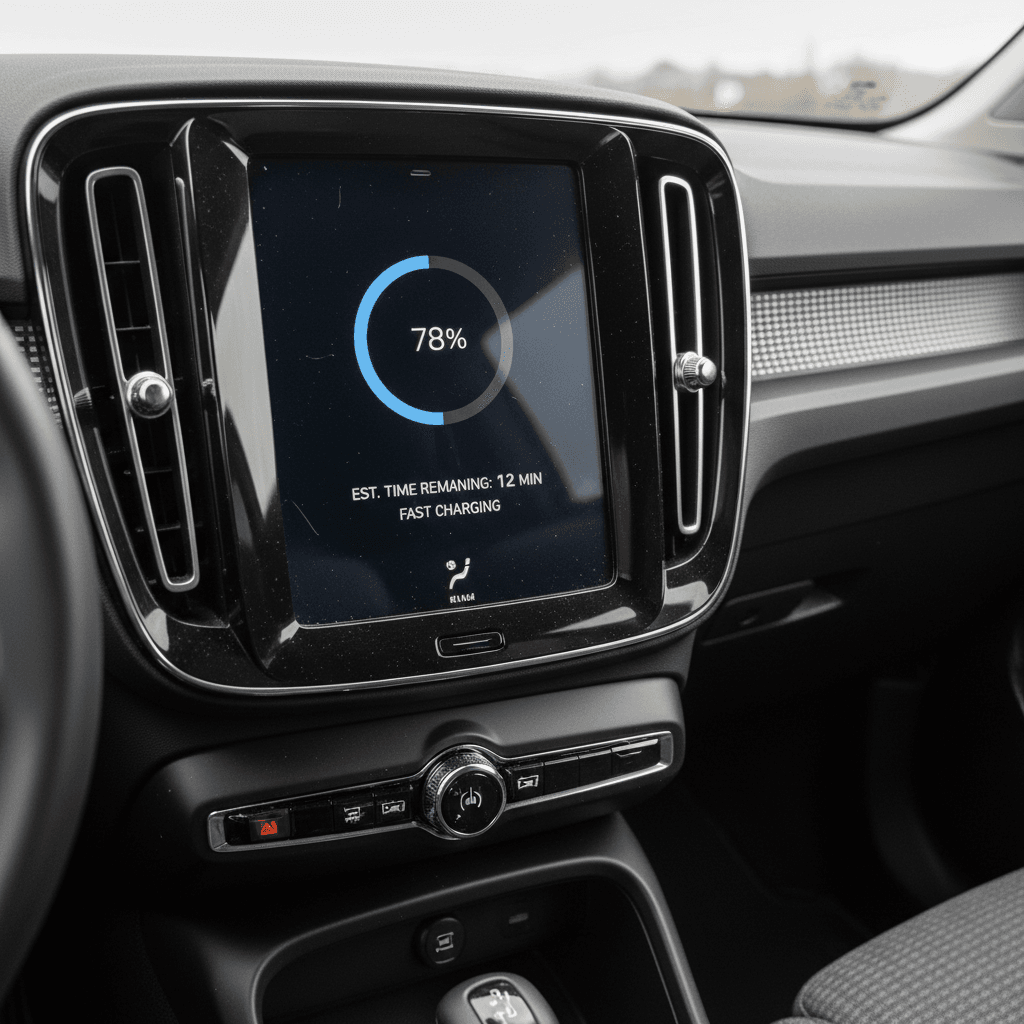
- DC fast charging: Newer XC40 Recharge packs can accept up to about 200 kW; typical Q4 e‑tron peaks around 175 kW. In practice, both can go from roughly 10–80% in around 25–35 minutes on a capable charger.
- Home charging: Both SUVs have 11 kW onboard chargers. On a 48‑amp Level 2 circuit, you’re looking at roughly 8–10 hours for a full charge from near empty.
- Trip friendliness: Audi’s more efficient highway tune and aero help on long drives, but the Volvo’s higher peak charge rate can partially offset the difference when you stop.
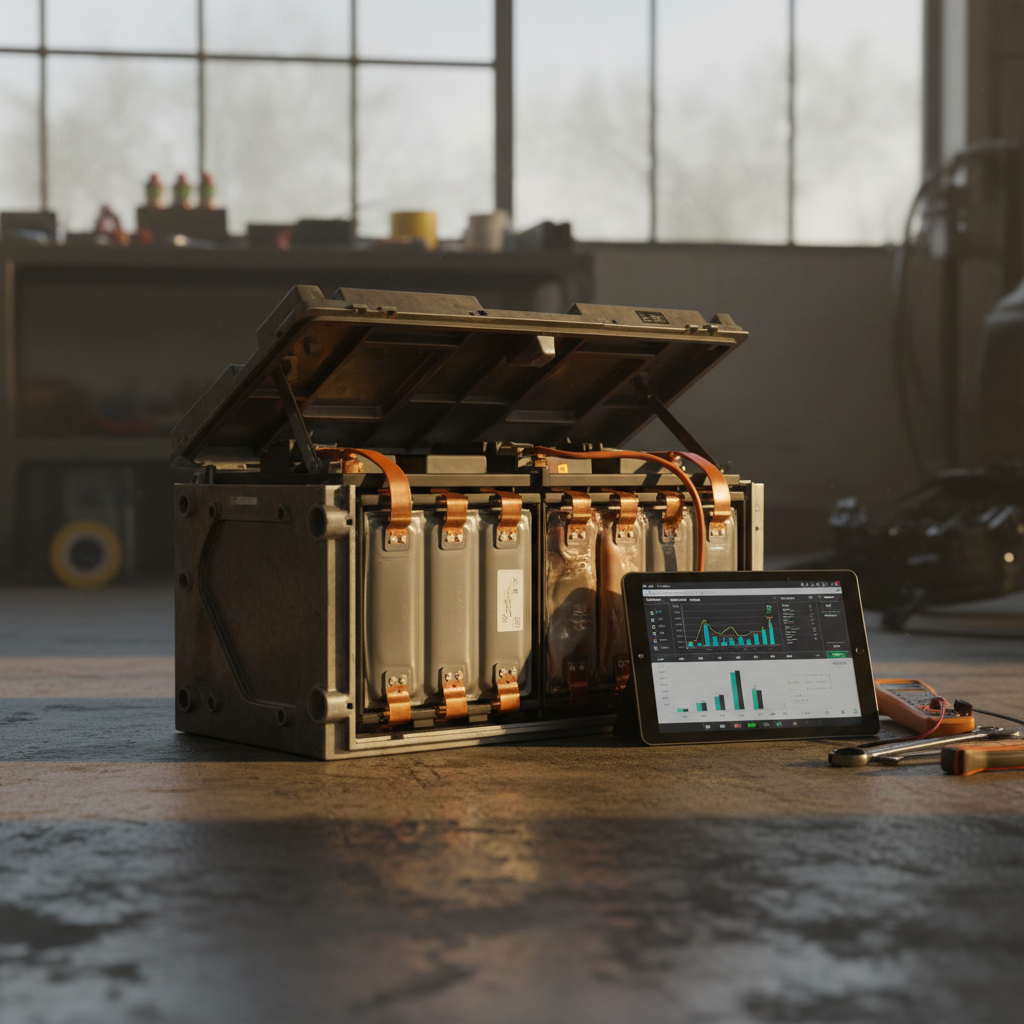
Don’t skip a battery health report
Driving experience: comfort, performance and refinement
How they feel from behind the wheel
Both are quick, quiet EVs, but the flavor is different.
Performance feel
XC40 Recharge: Dual‑motor versions feel genuinely quick, even hot‑hatch fast, but can struggle for traction under hard launches. Single‑motor RWD trims are more relaxed but still satisfyingly torquey around town.
Q4 e-tron: The 55 quattro’s 0–60 in ~5 seconds feels strong but never outrageous. Audi tunes the power delivery to be smooth and controlled rather than dramatic.
Ride & noise
XC40 Recharge: Slightly firmer edge, especially on larger wheels, but still comfortable. Road and wind noise are well suppressed, if not class‑leading.
Q4 e-tron: Typically a touch quieter on the highway with a more settled, Touring‑car ride, especially appealing if you do long daily commutes.
Handling & feel
XC40 Recharge: Compact footprint and quick steering make it easy to place in city traffic and parking lots. Feels a bit more playful.
Q4 e-tron: Feels wider and more planted. Steering is light but accurate, tuned more for calm stability than for fun.
If you care about driving feel…
Interior, space and tech: Scandinavian calm vs German cockpit
Sit in both of these back‑to‑back and you immediately feel two different design philosophies. The Volvo aims for **minimalist, warm, and easy to live with**. The Audi looks and feels more like a modern gaming PC: angular, tech‑heavy, and configurable.
Space and practicality
- XC40 Recharge: Shorter overall length but good headroom and a square cargo area. Official cargo numbers are around 20–22 cu ft behind the second row, plus a small frunk that’s fine for a charge cable.
- Q4 e-tron: Slightly more rear legroom and cargo volume thanks to its dedicated EV platform. Rear seat and cargo area will feel roomier if you regularly carry adults or taller teens.
- Family duty: Both take child seats and strollers without drama, but the Q4’s extra inches are noticeable if you’re constantly loading bulky gear.
Infotainment & driver tech
- XC40 Recharge: Google‑built‑in infotainment on most used examples, with native Google Maps, Assistant and Play Store apps. Simple, intuitive UI once you’re used to it.
- Q4 e-tron: Audi’s MMI with a crisp central screen and a configurable Digital Cockpit ahead of the driver. Feels more traditional to anyone coming from a recent Audi or VW.
- Driver aids: Both offer adaptive cruise, lane‑keeping and parking aids, but Volvo has a particularly strong brand association with safety, which some buyers value highly.
Test the software experience
Ownership costs: depreciation, reliability and insurance
Neither of these EVs is a budget car, but buying used shifts the economics dramatically. Early EVs tended to depreciate more quickly than comparable gas SUVs, which means **you can often buy a 2–3‑year‑old XC40 Recharge or Q4 e‑tron for 30–45% below original MSRP**. The details, though, differ by brand.
Key cost factors when buying used
What usually separates XC40 Recharge and Q4 e-tron over the long haul.
Depreciation & resale
- XC40 Recharge: Typically shows steeper early depreciation, which is good news if you’re the second owner. You may get more features for the same money vs a Q4.
- Q4 e-tron: Holds value a bit better thanks to Audi’s brand cachet and newer arrival to the U.S. market. Expect to pay more up front but potentially retain more at resale.
Reliability & warranty
- Both brands offer roughly 4yr/50k mi basic and 8yr/100k mi battery warranties from the original in‑service date.
- So far, neither model has a systemic high‑failure battery issue reported, but software gremlins and 12‑volt battery problems are not uncommon in early EVs generally.
- Buying from a specialist like Recharged means those issues are screened, software is brought up to date, and you see a transparent health report.
Watch total cost, not just purchase price
Which used EV SUV should you buy?
Best fit by buyer type
Range‑maximizing commuter
Prioritize a <strong>single‑motor RWD XC40 Recharge</strong> from 2023–2024 for the best blend of range and efficiency.
Look for wheels on the smaller side and all‑season, not aggressive performance tires.
Ask for a recent battery health report (Recharged includes this in your Recharged Score).
Comfort‑first highway driver
Lean toward an <strong>Audi Q4 e-tron 55 quattro</strong> with adaptive cruise and lane‑keeping packages.
Test drive at 65–75 mph to feel cabin noise and ride quality over imperfect pavement.
Verify that DC fast‑charging performance is healthy if you road‑trip regularly.
Performance & style shopper
Try a <strong>dual‑motor XC40 Recharge</strong> if you want the strongest shove off the line and compact, city‑friendly dimensions.
Avoid the largest wheel options if you live with rough roads; they look great but can hurt comfort.
If you prefer Audi’s design language, a Q4 with S‑line styling still delivers brisk, if more measured, acceleration.
Family hauler
If you’re constantly hauling strollers, sports gear, or big dogs, the <strong>Q4 e-tron’s</strong> extra cargo space and rear legroom will pay off daily.
Install your child seats during the test drive to check fit and ease of access in both models.
Confirm towing prep if you plan to pull a small trailer or bike rack; factory‑approved hardware is best.
Bottom line recommendation
Ready to find your next EV?
Browse VehiclesUsed XC40 Recharge vs Q4 e-tron buying checklist
9 things to verify before you commit
1. Confirm exact trim and battery
Use the VIN to verify whether you’re looking at a single‑ or dual‑motor XC40, and which battery/drive layout your Q4 has. Rated range and performance vary more than the styling suggests.
2. Get a real battery health report
Avoid relying on a simple state‑of‑charge gauge. A Recharged Score or equivalent diagnostic looks at usable capacity, past charging behavior, and DC‑fast‑charging history where possible.
3. Check software level and features
Make sure over‑the‑air updates (if available) and dealer updates have been applied. Ask the seller to demonstrate driver‑assist features, navigation, and smartphone integration.
4. Evaluate tires and brakes
Premium EVs are heavy and can eat through aggressive tires and pads quickly. Replacing 20‑inch tires can cost four figures; factor that into your budget if they’re worn.
5. Inspect for charge‑port wear
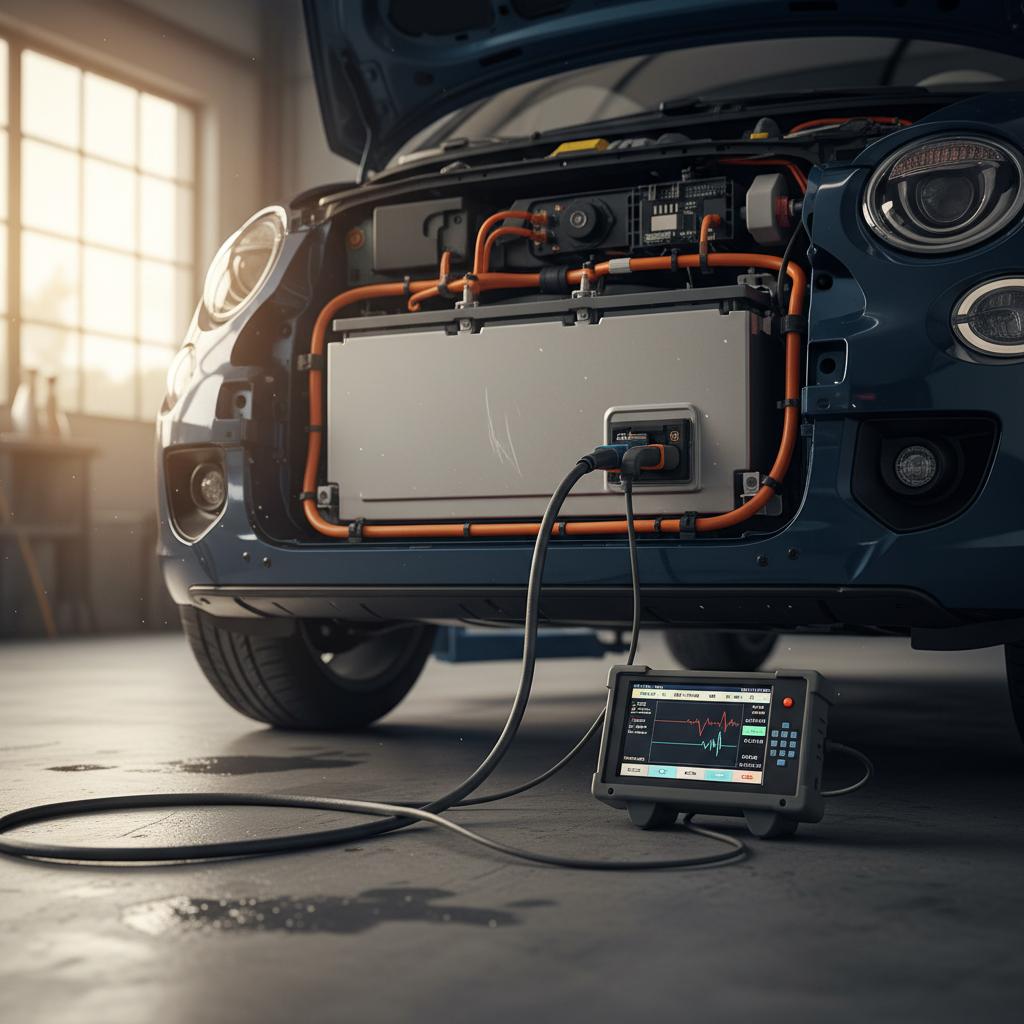
Look for damage around the charge port, signs of forced connectors, or broken latches. Plug in at Level 2 and, if possible, at DC fast‑charge to confirm proper operation.
6. Test cold‑start behavior
If you live in a colder climate, see how the car behaves after sitting outside. Check for noisy pumps, cabin pre‑conditioning, and realistic winter range projections on the trip computer.
7. Verify remaining factory warranty
Confirm in‑service date and mileage to know how much basic and high‑voltage battery warranty remains. This can significantly change the risk profile between two similar‑priced used SUVs.
8. Compare insurance quotes
Premium EVs can carry higher insurance premiums than you expect. Get quotes for both XC40 Recharge and Q4 e‑tron for your ZIP code before you sign anything.
9. Consider financing and trade‑in
If you’re financing or trading in a current vehicle, work with a retailer like Recharged that can offer <strong>EV‑savvy financing options</strong> and <strong>instant offers</strong> tailored to the used EV market.