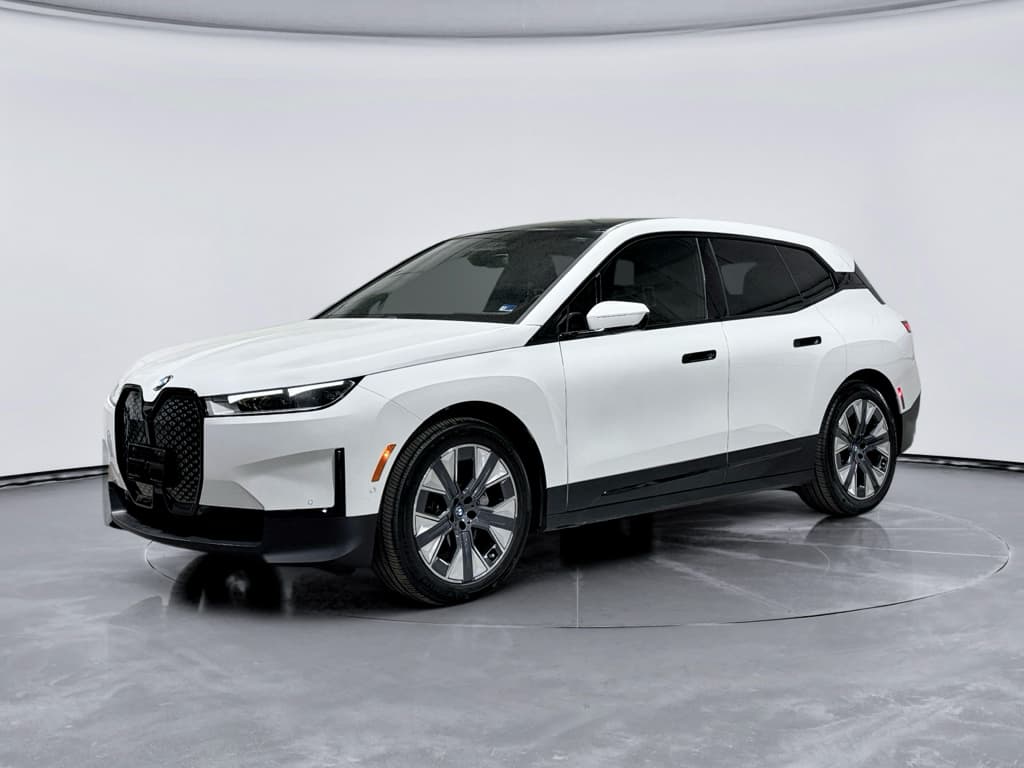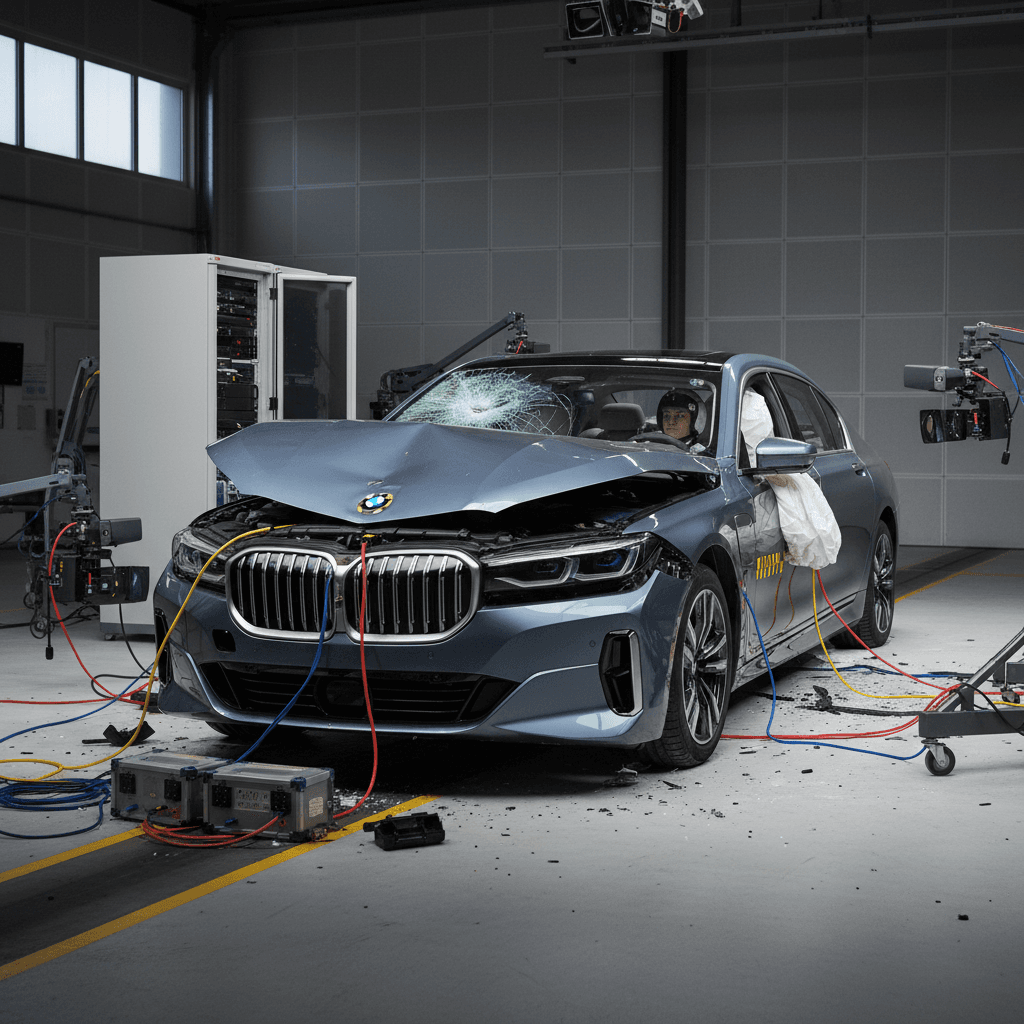
If you’re looking at BMW’s all-electric flagship, you’re probably asking the same question every safety‑conscious shopper does: **how safe is the BMW i7, really?** The model is packed with technology, but when it comes to crash tests and hard safety ratings, the picture is still coming into focus, especially in the U.S. This guide walks you through what we know (and what we don’t yet know) about the **BMW i7 safety rating and crash tests**, plus the advanced safety features and ownership realities that matter if you’re considering one new or used.
Key takeaway on BMW i7 safety
BMW i7 safety overview
The BMW i7 is the electric version of the latest 7 Series luxury sedan. That means you’re dealing with a very rigid, heavy body structure, a long wheelbase, and an ocean of **active safety technology**. Every i7 sold in recent model years comes standard with multiple airbags, advanced automatic emergency braking, lane‑keeping assistance, blind‑spot monitoring, and a suite of electronic stability and traction systems. Higher trims and option packages add hands‑free highway driving assistance, night vision, and more.
BMW i7 safety at a glance (what we can say today)
About that brake-system recall
BMW i7 crash test ratings: what we know so far
Crash testing for big, low‑volume luxury flagships often lags behind mainstream SUVs and sedans. As of February 2026, the BMW i7 **is not prominently listed with published U.S. 5‑Star ratings from NHTSA or Top Safety Pick ratings from IIHS** in the way a high‑volume crossover might be. Many early reviews of the 2023 i7 specifically noted that both NHTSA and IIHS had it listed as “not yet rated.” That doesn’t mean the car is unsafe, it means the test programs simply haven’t prioritized this expensive, relatively niche model yet.
U.S. crash tests (NHTSA & IIHS)
For now, if you plug the BMW i7 into NHTSA’s public ratings tools, you’re unlikely to see a familiar 5‑star grid. The same goes for IIHS’s list of vehicles that have run through their latest frontal, side, and roof‑strength tests. That’s typical for low‑volume flagship sedans; many never get tested at all, or are tested years after launch.
Before you buy, always check both sites directly for updates, testing plans can change from year to year.
European crash tests (Euro NCAP)
Euro NCAP focuses on models sold in high volume across Europe. While the related 7 Series platform is engineered for top‑tier performance, the specific BMW i7 has not been widely publicized with a dedicated Euro NCAP star rating the way some smaller BMW EVs have. Where a rating exists, it applies to European‑spec cars, which may differ in equipment from U.S. models.
Treat any Euro ratings as an engineering signal, not a direct one‑to‑one verdict on your U.S.‑spec i7.
How to verify ratings for your specific i7
Why there may not be a 5-star or Top Safety Pick label yet
It’s tempting to assume that every new car, especially a six‑figure flagship, will quickly earn a wall of safety trophies. In practice, it doesn’t work that way. Both NHTSA and IIHS pick which vehicles to crash based on sales volume, strategic interest, and the cost of buying and destroying multiple copies. A large, expensive luxury sedan like the BMW i7 simply doesn’t sell in the same numbers as a family SUV, so it often lands lower on the list.
- The car may be structurally very safe but still untested by independent U.S. labs.
- The latest crash‑test protocols (for example, tighter IIHS side‑impact or rear‑seat protection requirements) might not yet have been run on the i7.
- If you’re reading older reviews, they may reference **"Not yet rated"** status that could change later in the model’s life.
How to compare i7 safety without a simple star rating
Standard safety features on the BMW i7
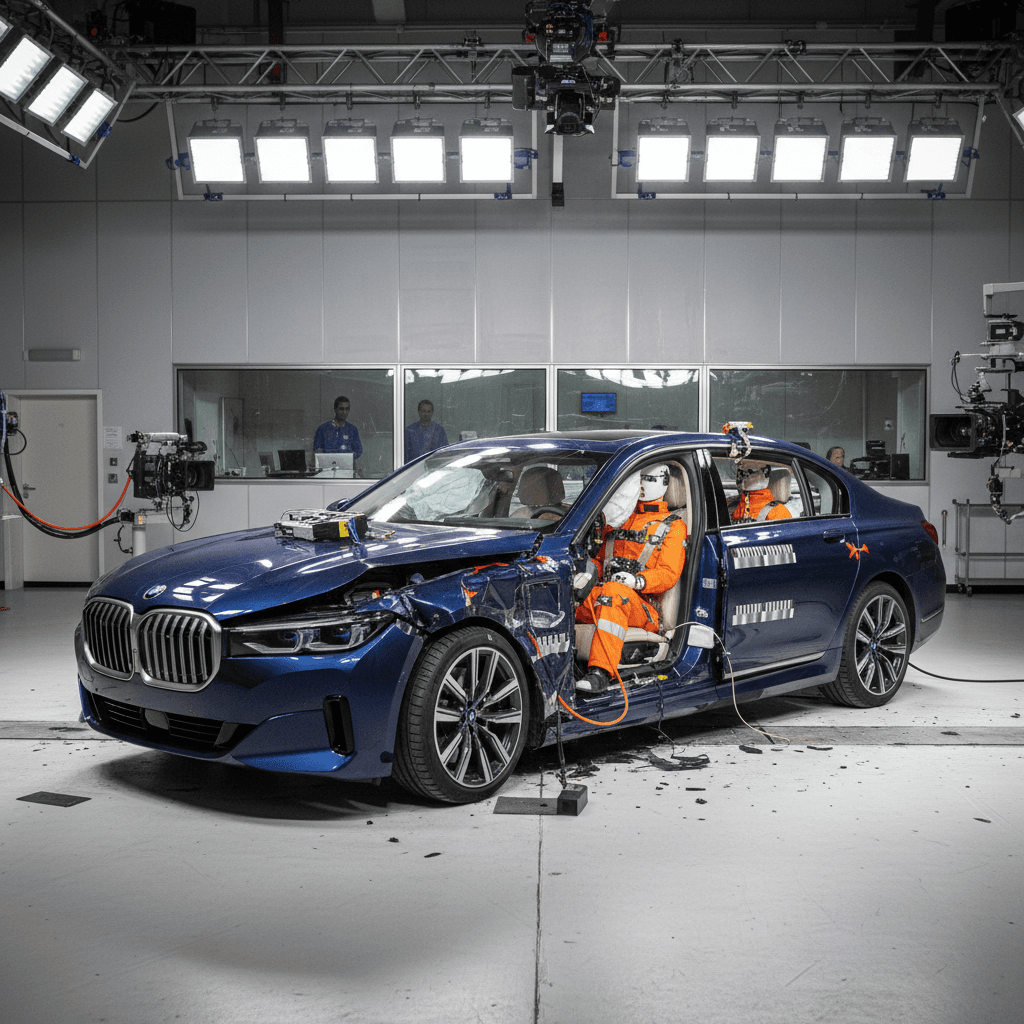
Even without a big sticker full of stars, the BMW i7 shows its intentions in the spec sheet. Across trims like eDrive50, xDrive60 and M70, you’ll find a long list of active and passive safety equipment designed to either avoid trouble altogether or protect you when physics takes over.
Core BMW i7 safety systems
What you can reasonably expect on most U.S.-market i7s (verify per VIN).
Passive protection
- Multiple airbags including front, side, curtain and front‑center on many trims.
- Reinforced body structure with high‑strength steel and aluminum.
- Seatbelt pretensioners and load limiters.
- Anti‑whiplash head restraints and three‑point belts at all seating positions.
Active safety & braking
- Forward collision warning with **automatic emergency braking**.
- Pedestrian and often cyclist detection, especially at city speeds.
- Electronic stability control, traction control and ABS.
- Emergency brake light flashing under hard braking.
Driver assistance & awareness
- Lane departure warning with lane‑keeping support.
- Blind‑spot monitoring and rear collision prevention.
- Adaptive cruise control, often with stop‑and‑go capability.
- Surround‑view cameras, parking sensors and automatic parking assist on many builds.
Later model‑year i7s layer on even more tech: enhanced collision‑avoidance functions like **intersection assist**, upgraded night vision, and an Emergency Stop Assistant that can pull the car over and call for help if the driver becomes unresponsive. Those are the kinds of features that don’t show up in a simple star rating but can absolutely change an outcome on the road.
Hands‑free highway driving, when conditions are right
BMW i7 Protection: armored safety in a different league
A small subset of i7s wear a very different safety badge: **BMW i7 Protection**. This factory‑built armored version is designed for heads of state, executives, and high‑risk individuals. Instead of chasing a 5‑star crash rating, it chases resistance to gunfire and explosives.
What sets the BMW i7 Protection apart
Think of it as a rolling safe room with zero tailpipe emissions.
Armored shell & glass
- Body constructed with special **armored steel** to withstand high‑caliber ammunition.
- Roof and underbody reinforced to protect against explosive devices and aerial attacks.
- Multi‑layer ballistic glass instead of standard windows.
These vehicles are typically certified by government labs to formal ballistic‑resistance standards, not consumer crash‑test programs.
Survival & support systems
- Run‑flat PAX tyres that can keep rolling at moderate speed even with no pressure.
- Optional fresh‑air supply systems and fire‑suppression gear.
- Special communications equipment, sirens and lighting for official duty.
Despite the hardware, BMW works hard to keep the Protection cars visually discreet in traffic.
You’re unlikely to stumble across an i7 Protection on a public used‑car site, they’re typically sold directly to vetted customers. But it’s important context: BMW engineered the i7 platform to support extreme protection levels, which has knock‑on benefits for rigidity and occupant cell integrity even in the standard car.
Real-world safety: what matters once you own an i7
Crash tests are one piece of the puzzle. Day‑to‑day, what matters is how the i7’s mass, software, and driver‑assistance tech work together, and how you, the human, use them. A 6,000‑pound EV is a wonderful cocoon when you’re inside it, but that same mass can be unforgiving to smaller cars, cyclists, and pedestrians if you’re distracted or over‑reliant on automation.
BMW i7 ownership habits that make you safer
1. Treat driver assistance as backup, not autopilot
Even with hands‑free highway features, keep your attention on the road and your hands ready to take over. Systems can be confused by construction zones, faded lane markings, or unusual traffic situations.
2. Learn the safety menu and settings
Spend an evening in the driveway walking through the i7’s driver‑assistance menus. Make sure automatic emergency braking, lane‑keeping, and cross‑traffic alerts are all enabled at the sensitivity that feels appropriate to you.
3. Keep sensors and cameras clean
Road grime, snow and ice can partially blind cameras and radar. Wipe off the front and rear cameras and radar covers regularly, especially before long trips or night driving.
4. Mind your tyres and brakes
The i7’s weight works your tyres and brakes hard. Keep tyre pressures at spec and don’t ignore brake‑system warnings, particularly important in light of that earlier recall on some vehicles.
5. Use charging stops as rest breaks
Long‑distance EV travel builds in natural breaks. Use them to reset: hydrate, stretch, and clear your head so you’re sharp when you get back on the road.
Big EV, small garage: low‑speed crashes still hurt
Shopping for a new or used BMW i7: safety checklist
If you’re considering an i7, especially a used one, treat safety like you would on any other high‑end EV purchase: verify, don’t assume. Here’s a step‑by‑step checklist you can bring to the test drive or inspection.
BMW i7 safety & crash‑test checklist for shoppers
Use this table as a quick reference when you’re comparing specific cars.
| Item | What to check | Why it matters |
|---|---|---|
| Crash-test ratings | Look up the exact model year on NHTSA and IIHS sites. Note whether the i7 is rated, unrated, or only the 7 Series is listed. | Gives you a baseline comparison to other models you’re cross‑shopping. |
| Recall status | Run the VIN through BMW and NHTSA recall tools; confirm documentation for completed brake‑system or airbag recalls. | Ensures known safety issues have been corrected at BMW’s expense, not yours. |
| Airbag & safety equipment list | Confirm airbag count, presence of automatic emergency braking, lane‑keeping, blind‑spot monitoring, and rear cross‑traffic alert. | Some early or lightly optioned cars may lack a feature you assume is standard. |
| Driver-assistance packages | Check for Driving Assistant Professional, Parking Assistant Plus, night vision, and highway hands‑free capability. | These features can justify a price premium and meaningfully change your day‑to‑day safety net. |
| Tyres & wheels | Inspect for proper EV‑rated tyres, even wear, and no sidewall damage or cracks in large alloy wheels. | Compromised tyres or wheels can affect emergency braking and stability at high speed. |
| Repair history | Ask for body‑shop records and a vehicle history report to spot prior accidents, structural repairs, or airbag deployments. | A poorly repaired crash can be a more serious safety concern than an unrated crash test. |
Print or save this list before you go see the car in person.
Leaning toward a used BMW i7?
How Recharged evaluates BMW i7 safety and battery health
When you’re buying a used electric flagship, paper specs and crash‑test headlines only take you so far. You also want to know how *this specific car* has been treated: how the battery has aged, whether safety systems are working exactly as they should, and if any prior accident repairs were done right. That’s the gap Recharged is built to close.
What you get with a BMW i7 from Recharged
Safety and transparency, tailored for electric luxury sedans.
Recharged Score Report
Safety & recall verification
EV-specialist support & delivery
Ready to find your next EV?
Browse VehiclesBecause the i7 lives at the intersection of cutting‑edge tech and old‑school luxury, having a guide in your corner matters. Instead of juggling dealer claims, third‑party inspections, and your own late‑night research, you can lean on a single, transparent report and a team that lives and breathes EVs.
BMW i7 safety & crash test FAQ
Frequently asked questions about BMW i7 safety
The BMW i7 is one of the most technologically advanced luxury EVs on the road, and its safety story reflects that: sophisticated crash‑avoidance systems, a stout structure, and even an armored Protection variant at the far end of the spectrum. The wrinkle is that independent U.S. crash‑test programs haven’t yet wrapped it in an easy set of stars. Until they do, your smartest move is to treat safety as a homework assignment, verify ratings where they exist, scrutinize equipment and recall status, and lean on transparent tools like the Recharged Score Report if you’re shopping used. That way, when you slide into the i7’s quiet cabin and pull away on electric power, you’ll know exactly how well the car is looking out for you, and everyone around you.