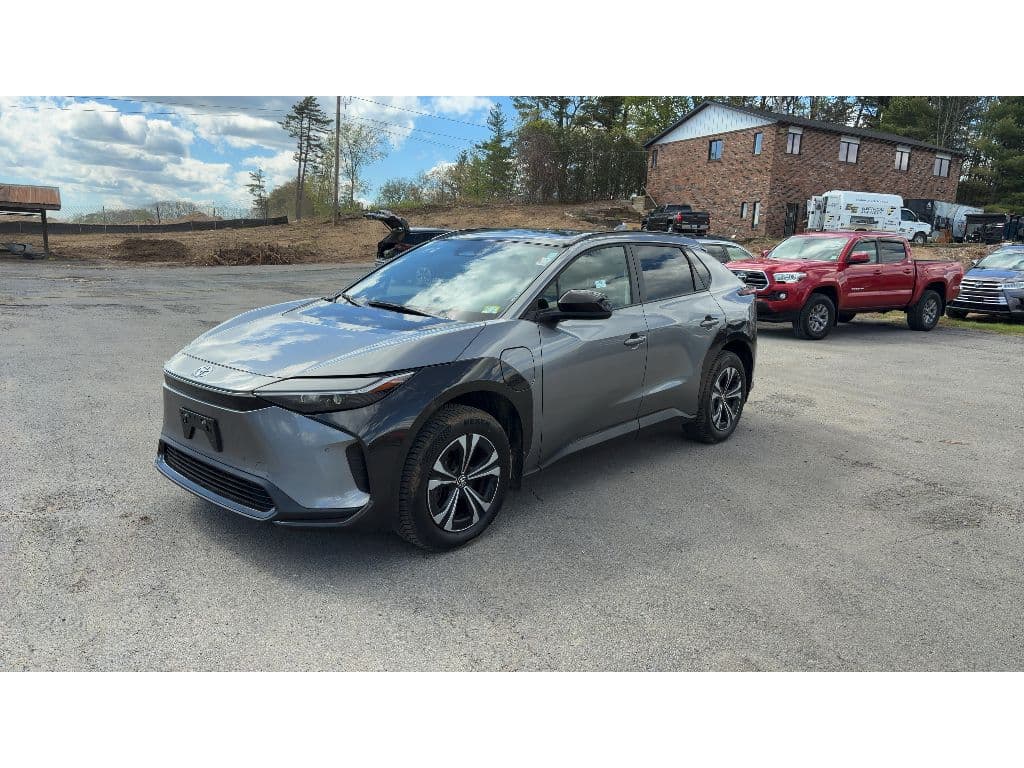
If you’re eyeing a used Toyota bZ4X in 2026, you’re not alone. Toyota’s first dedicated electric SUV has taken a big price hit on the used market, yet it still offers Toyota’s familiar driving manners and a practical compact SUV form factor. The catch: its early recall history, depreciation curve, and modest fast‑charging speeds mean you need to shop carefully, and that’s where this guide comes in.
What this guide covers
Why consider a used Toyota bZ4X in 2026?
Upsides and tradeoffs of a used bZ4X
Understand where this EV shines, and where it doesn’t, before you sign anything.
Why it’s appealing
- Big depreciation vs. new MSRPs means aggressive used pricing compared with many rival EV SUVs.
- Comfortable, quiet ride with the familiar Toyota feel many drivers like.
- Simple trim walk (XLE and Limited, FWD or AWD) makes shopping easier than some rivals.
- Toyota’s reputation for long‑term durability, now extending into its early BEV effort.
Where it’s weaker
- Slower DC fast charging than many 2024–2026 competitors, especially on road trips.
- Real‑world highway range that undercuts headline EPA numbers, particularly on AWD Limited models.
- Early recall history and software niggles you’ll want to confirm have been addressed.
- Rapid early‑year depreciation could keep values soft if Toyota keeps discounting new models.
Who the bZ4X fits best
How the bZ4X has evolved from 2023 to 2026
Understanding the timeline helps you decide which used model years to prioritize in 2026. The bZ4X launched for 2023, carried into 2024 with incremental tweaks, then saw larger changes for 2025 and 2026, including battery and range improvements and wider charging‑feature updates that matter for used buyers.
Toyota bZ4X evolution by model year (U.S.)
Key changes that matter when you’re shopping used in 2026.
| Model year | Key highlights | Why it matters used |
|---|---|---|
| 2023 | Launch year, initial wheel‑bolt recall later fixed; smaller usable battery; lower range and older charging software | Often the cheapest; fine if recall work and software updates are documented. |
| 2024 | Incremental updates and additional software fixes; reliability picture clearer, but HVAC and 12‑volt issues were in focus for some owners | Good value if recall and HVAC work completed and battery health looks strong. |
| 2025 | Battery size increased into the mid‑70 kWh range on U.S. models and range improved; more trims (including XLE FWD Plus) and updated tech stack | Better range and efficiency; likely to command a price premium on the used market. |
| 2026 (new) | Further range and charging‑convenience gains, battery preconditioning and Plug & Charge on the new “bZ” line | These updates push down prices of earlier bZ4X models, which used shoppers can leverage in negotiations. |
Always confirm exact equipment on the specific VIN, Toyota options and mid‑year updates can shift features.
Don’t overpay for early years
Used bZ4X pricing and depreciation in 2026
How hard has the bZ4X been depreciating?
Exact used Toyota bZ4X prices in 2026 will vary by mileage, spec, region, and battery condition, but the pattern is clear: this EV is depreciating faster than a typical Toyota hybrid or gas SUV. For shoppers, that’s an opportunity, as long as you make sure you’re not inheriting someone else’s problems.
How to sanity‑check a used bZ4X price
1. Compare against current new incentives
If Toyota or local dealers are discounting new bZ4X or successor “bZ” models heavily, a used example must be meaningfully cheaper to make sense. Don’t pay near‑new money for a car that already took a big depreciation hit.
2. Look at multiple valuation sources
Use tools like KBB, auction reports, and EV‑specific guides. Then adjust in your head for battery health, trim, and whether major recalls and HVAC work are documented.
3. Price FWD vs. AWD separately
Front‑wheel‑drive bZ4X models with better range should command at least a modest premium over similar‑mileage AWD versions, especially in warm‑weather markets.
4. Account for charging capability
A later‑model bZ4X with improved battery and software (2025+) is worth more than an early 2023 that charges slower in cold weather. If prices are close, pick the newer spec.
Range and charging: what to expect from a used bZ4X
On paper, recent Toyota bZ4X models list EPA range up to the low‑ to mid‑250‑mile area for front‑wheel‑drive trims and slightly less for all‑wheel drive. Real‑world testing, including Recharged’s own 2025 range work, consistently shows lower highway numbers, especially on AWD Limited models with larger wheels.
Real‑world range expectations
- FWD XLE / XLE Plus: Often ~210–240 miles on mixed driving if the battery is healthy, less in winter or at 75+ mph.
- AWD models: Some owners see more like 170–210 miles at typical U.S. freeway speeds, again dropping in cold weather.
- Short‑trip commuters: Around‑town driving can match or beat EPA numbers thanks to efficient low‑speed operation and regen braking.
Charging performance reality check
- DC fast charging: Advertised 10–80% times in the 30–35 minute range under ideal conditions, but early bZ4X software and lack of battery preconditioning can slow this down in cold climates.
- Home Level 2: With a 240‑volt, 32–40‑amp charger, you can typically recover 20–25 miles of range per hour, enough for a full overnight refill.
- Road‑trip planning: Compared with newer 800‑volt EVs, you’ll want to plan more conservative charging stops and avoid arriving at fast chargers with a cold battery when possible.
Road‑trip strategy for a used bZ4X
Trim levels & options: which used bZ4X should you target?
By 2025, the U.S. bZ4X lineup had settled into five main trims: XLE FWD, XLE FWD Plus, XLE AWD, Limited FWD, and Limited AWD. Earlier years used a simpler XLE/Limited split. For used buyers, the main decisions are FWD vs. AWD and XLE vs. Limited, plus whether the “Plus” battery on later years is worth the extra money in your market.
Common used bZ4X trims at a glance
Most 2026 shoppers will see these configurations on the used market.
XLE FWD
Typically the range leader with simpler equipment and smaller wheels.
- Best choice for commuters and mild climates.
- Often the most efficient and affordable to run.
XLE AWD
Adds dual‑motor traction and winter confidence at the cost of some range.
- Good for snow‑belt drivers.
- Shop carefully, real‑world highway range can feel tight for long‑distance trips.
Limited FWD / AWD
Most features and nicer interior, usually with larger wheels.
- Expect slightly lower range than XLE trims.
- Check that all tech and driver‑assist systems function cleanly on a test drive.
Sweet spot pick
Reliability, known issues, and recalls
The bZ4X hasn’t had the spotless launch many shoppers expect from Toyota, but the picture looks better once you separate early teething issues from long‑term concerns. Your job as a used shopper is to confirm that major recalls and campaigns were completed and to look for patterns in software behavior, HVAC performance, and 12‑volt battery health.
- Early 2023 wheel‑hub bolt recall that temporarily halted sales until Toyota redesigned and replaced affected hardware.
- Owner complaints in some model years about HVAC performance and heat‑pump behavior in cold weather, especially important if you live in a northern state.
- Reports of 12‑volt battery issues, no‑start conditions or warning lights, that sometimes trace to software calibration or accessory usage patterns.
- Typical EV quirks like infotainment lag, charging‑network handshake glitches, and occasional driver‑assist nuisance alerts.
Recall and TSB checklist
Battery health: how to evaluate a used bZ4X pack
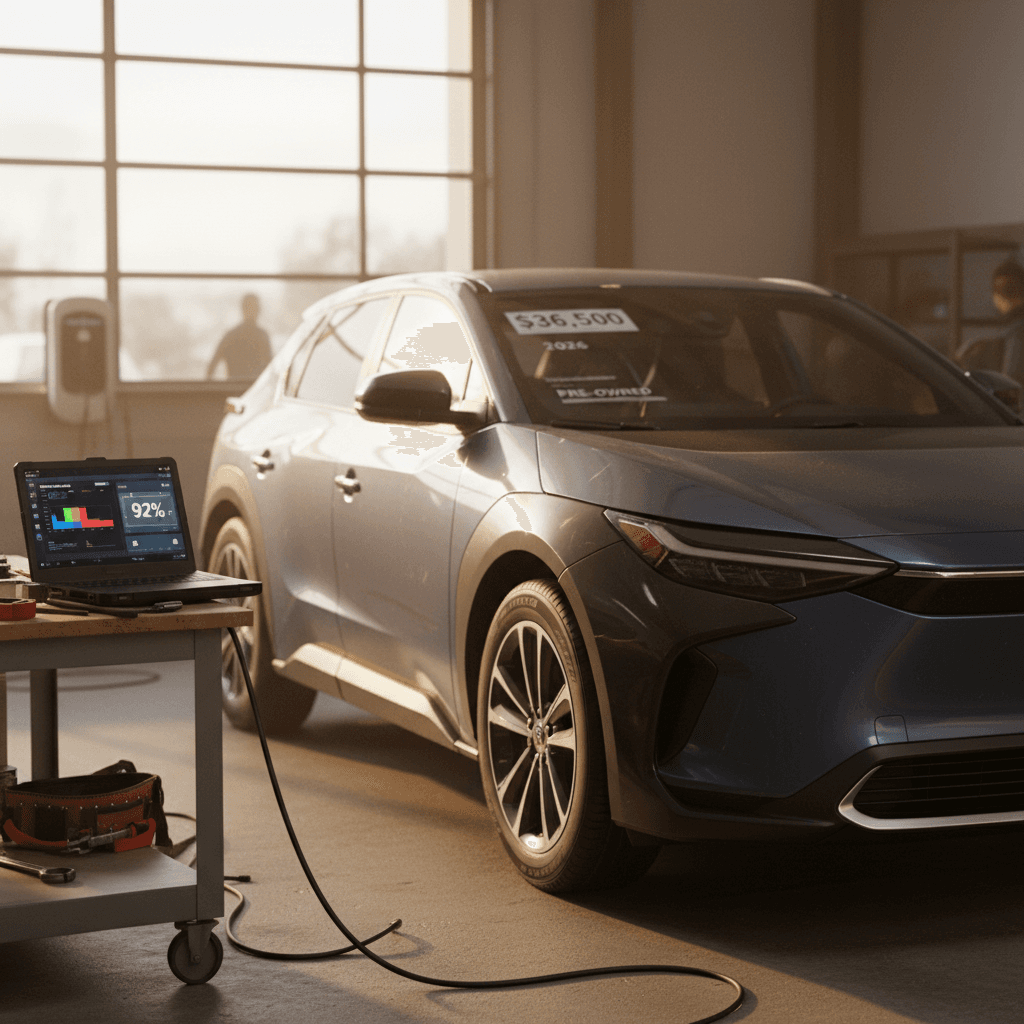
Toyota designed the bZ4X’s battery with conservative thermal management, and early data doesn’t show catastrophic degradation for normal‑mileage examples. Still, the pack is the single most expensive component in the vehicle. A used 2023–2024 bZ4X with heavy DC fast‑charging or lots of high‑speed miles can show noticeably less usable range than one with a gentler life.
DIY battery‑health clues
- On a full charge, compare the indicated range to the original EPA number for that trim, then discount for weather and driving style.
- Ask how the previous owner charged: mostly home Level 2 is better than constant DC fast‑charging.
- Use an OBD‑II dongle and compatible app (if you’re comfortable) to read out battery metrics where supported.
- Look for warning lights or messages related to the high‑voltage system during a long test drive.
Why a third‑party test helps
- Generic range estimates don’t tell you how the pack performs under load or at different states of charge.
- Services like the Recharged Score battery health diagnostic run standardized tests and compare results against broader used‑EV data, giving you a clearer picture.
- A written battery‑health report is powerful leverage when negotiating price and planning ownership length.
Bring data to the negotiation
Inspection checklist for shopping a used Toyota bZ4X
You don’t need to be a master technician to spot red flags on a used bZ4X, but you should go beyond a quick spin around the block. Use this step‑by‑step checklist to structure your inspection and test drive.
Used Toyota bZ4X inspection checklist (2026)
1. Confirm VIN, recalls, and service history
Match the VIN on the vehicle to the title and service records. Ask a Toyota dealer to print a recall/TSB status report. Look for documentation of wheel‑hub recall work on early 2023s and any HVAC or 12‑volt battery fixes.
2. Inspect tires, brakes, and suspension
Uneven tire wear or unusual brake rotor patterns can hint at alignment issues or aggressive driving. Listen for clunks over bumps and make sure the bZ4X tracks straight on the highway.
3. Check charging hardware and behavior
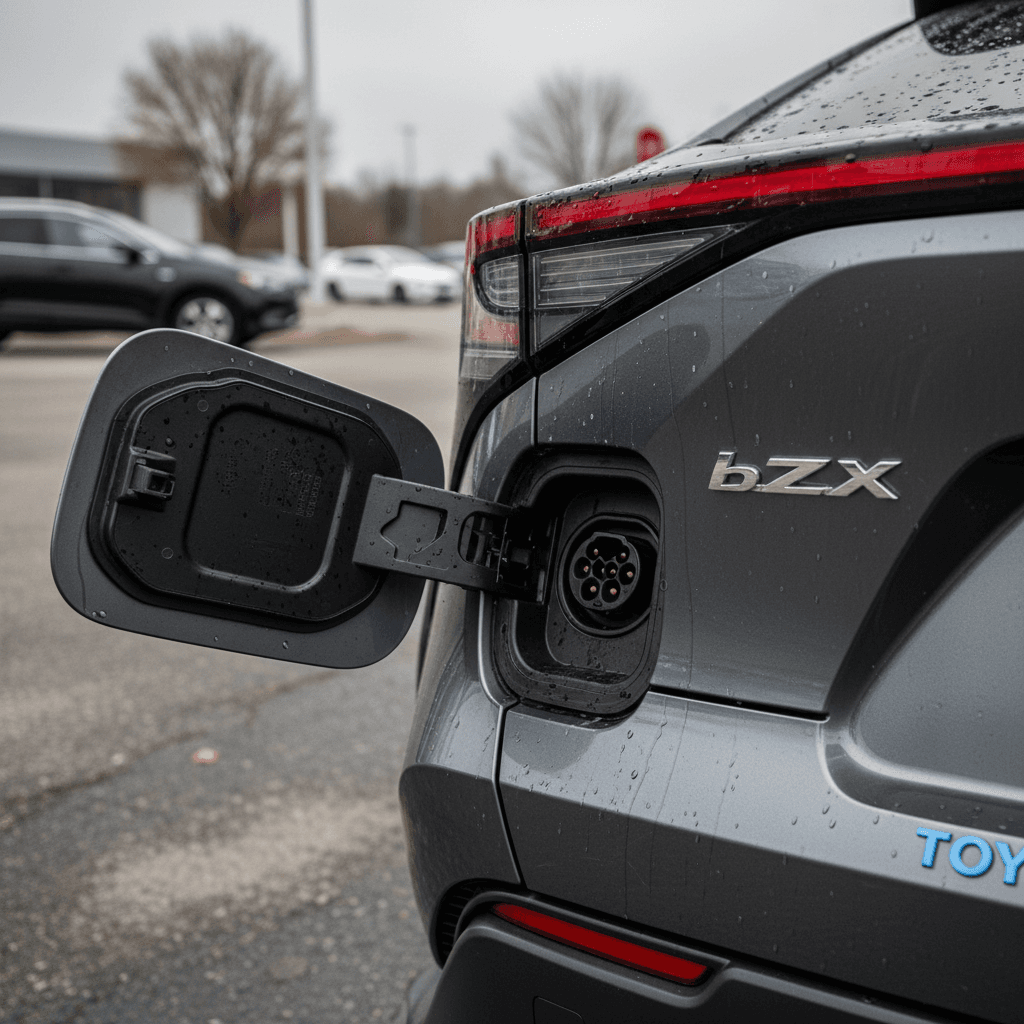
Verify the charge port door operates smoothly and the pins look clean. Plug into both a Level 2 and, if possible, a DC fast charger to confirm communication, charging speed, and that no warning messages pop up.
4. Test HVAC and defrost thoroughly
On your test drive, run heat, AC, and defrost at different settings. Watch for abnormal noises, fogging that doesn’t clear, or a system that can’t keep up with your climate, especially important on 2023–2024 cars.
5. Exercise all driver‑assist features
Try adaptive cruise, lane‑keeping, blind‑spot monitoring, parking sensors, and the backup camera. Nuisance beeping is one thing; inconsistent operation or warning lights is another.
6. Look for accident or flood damage
Check panel gaps, overspray, mismatched paint, or water lines in the cabin or cargo area. EV battery packs are low in the car; flood damage is a serious red flag.
Financing and total cost of ownership
Because the bZ4X has depreciated faster than typical Toyotas, lenders and insurers are still refining how they treat these vehicles. The good news: monthly payments on a used bZ4X can be significantly lower than on a comparable new EV, and running costs, electricity plus reduced maintenance, remain competitive with gas SUVs.
Ownership costs to budget for
- Electricity vs. fuel: Home charging is usually far cheaper per mile than gasoline. Public DC fast‑charging can be closer to gas‑equivalent costs, so use it strategically.
- Insurance: Some carriers price EVs higher due to repair costs. Shop multiple quotes specifically for the bZ4X VIN.
- Maintenance: No oil changes, but you’ll still pay for tires, brake fluid, cabin filters, and potential software or HVAC work.
Why pre‑qualification helps in 2026
- Used‑EV pricing can move quickly as new‑car incentives change. Having financing pre‑qualified lets you act fast on a good bZ4X deal.
- Platforms like Recharged can connect you with EV‑friendly financing options and show your estimated payment right in the listing.
- Knowing your budget in advance also makes it easier to walk away if a seller won’t move on price.
Watch the fine print
How Recharged helps with a used bZ4X purchase
Buying a used EV is different from buying a used gas SUV. You’re balancing range, charging behavior, and battery health along with the usual cosmetic and mechanical checks. Recharged was built specifically to make that process clearer for electric vehicles like the bZ4X.
What Recharged brings to a used bZ4X deal
Tools and services designed for used EV buyers, not just generic used‑car shoppers.
Recharged Score battery diagnostics
Fair market pricing & trade‑in
Nationwide delivery & digital paperwork
EV‑specialist support
Ready to find your next EV?
Browse VehiclesUsed Toyota bZ4X buying FAQ
Common questions about buying a used Toyota bZ4X in 2026
Is a used Toyota bZ4X right for you?
A used Toyota bZ4X in 2026 is a classic case of tradeoffs. You’re getting a practical compact SUV with Toyota DNA, a big early‑life discount, and enough range for most daily driving, paired with slower‑than‑best‑in‑class fast charging, a bumpy early recall history, and an EV market that’s evolving quickly. If you mostly commute, can charge at home, and shop carefully for a well‑priced example with documented service and a clean battery‑health report, the bZ4X can be a smart value play.
If you’re ready to move from research to test drives, explore bZ4X listings on Recharged. You’ll see verified battery health, transparent pricing, and EV‑specialist support that understands exactly what you’ve just read about, so you can focus on choosing the right car, not deciphering the fine print.