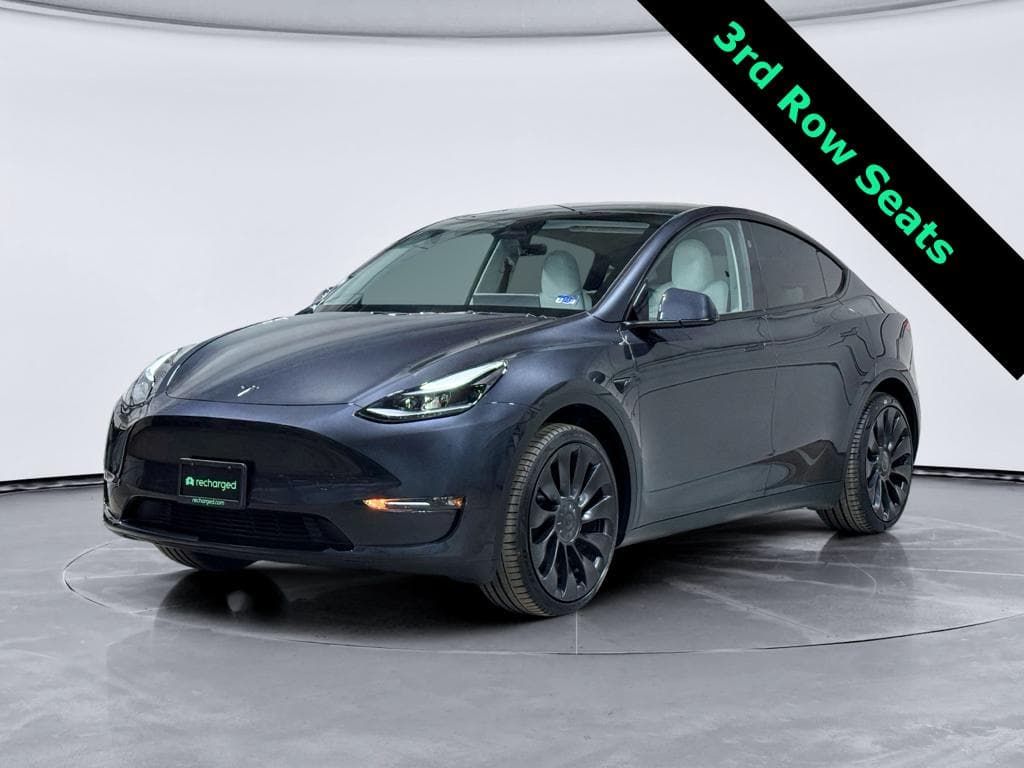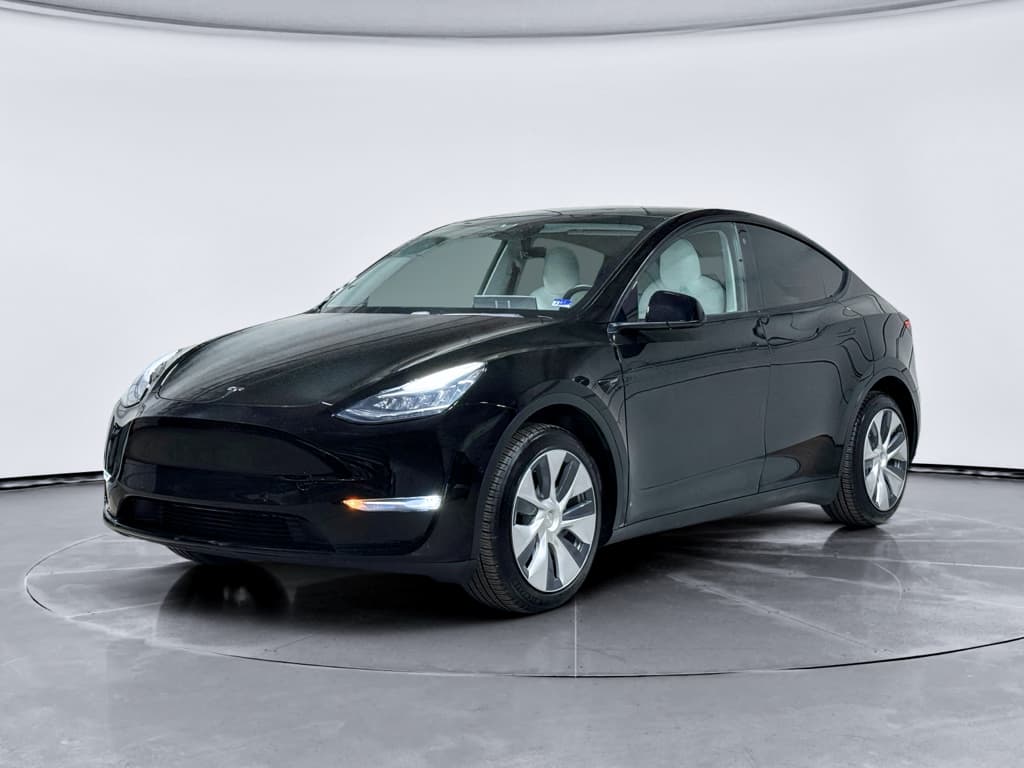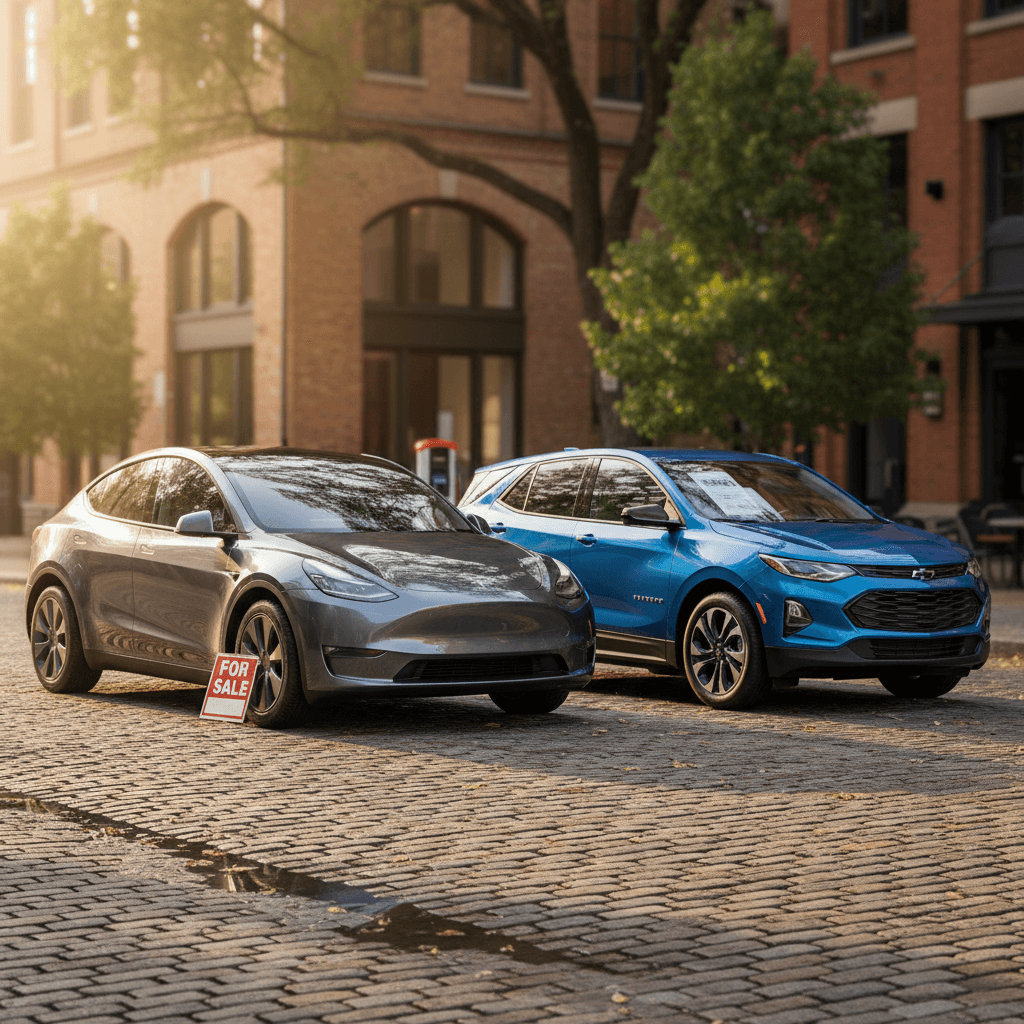
You’re cross-shopping a used Tesla Model Y vs a used VW ID.4, two compact electric SUVs with very different personalities. One is Silicon Valley’s idea of a family car: minimalist, ultra-efficient, and backed by the Supercharger empire. The other is Volkswagen’s earnest answer: comfy, practical, and refreshingly normal if you’re coming from a gas SUV. The question is simple: which one actually fits your life and budget on the used market?
Who this guide is for
Overview: Used Model Y vs VW ID.4
Think of the Tesla Model Y as the overachieving honor student: more range, faster acceleration, stronger resale, and the best charging network in the business. The downside is a stiffer ride, a polarizing minimalist interior, and hit‑or‑miss build quality depending on model year. The Volkswagen ID.4 is the relaxed liberal-arts kid: softer ride, quieter cabin, more traditional controls and seats that feel familiar to anyone coming from a Tiguan or RAV4. It usually costs less used, but offers shorter range and weaker fast‑charging performance.
- Choose a used Model Y if you prioritize range, road‑trip charging and strong resale.
- Choose a used ID.4 if you want comfort, a gentler learning curve, and a lower entry price, especially if most of your driving is around town.
Quick Specs Showdown
Used Tesla Model Y vs VW ID.4: Core Numbers (Typical U.S. Trims)
Key specs for popular 2022–2024 U.S. models you’ll commonly see on the used market. Exact numbers vary slightly by wheel size and options.
| Spec | Tesla Model Y Long Range (AWD) | VW ID.4 Pro (RWD, 82 kWh) |
|---|---|---|
| EPA range (new) | Approx. 330 miles | Approx. 291 miles |
| EPA range (AWD variant) | Approx. 310 miles (Model Y Performance) | Approx. 263 miles (ID.4 AWD Pro) |
| 0–60 mph | ~4.8 sec (Long Range), ~3.5 sec (Performance) | ~7.5 sec RWD, ~5.7 sec AWD (latest tune) |
| Battery size (usable) | Around mid‑70s kWh usable (varies by pack) | ~77 kWh usable (82 kWh pack) |
| DC fast‑charge peak | Up to ~250 kW on V3 Superchargers | Up to ~175 kW on 82 kWh models |
| Cargo volume (behind 2nd row / max) | About 30 / 76 cu ft including underfloor & frunk | About 30 / 64 cu ft (no frunk) |
| Drive layouts | RWD or dual‑motor AWD | RWD or dual‑motor AWD |
| Infotainment | 15" Tesla touchscreen, no CarPlay / Android Auto | 12–12.9" VW display with wireless CarPlay & Android Auto |
| Built‑in navigation & trip planning | Yes, tightly integrated with Superchargers | Yes, but EV trip planning less polished |
| Typical used price (2021–2023 mainstream trims) | Higher, strong resale keeps prices up | Lower, especially for earlier 62 kWh trims |
EPA ranges are for new vehicles; expect some reduction on used examples depending on mileage and battery health.
How Recharged helps you cut through the numbers
Price and Value on the Used Market
On the used market, the Volkswagen ID.4 generally undercuts the Tesla Model Y for similar model years and mileage. VW sold a lot of ID.4s into leases and fleet programs, and the brand doesn’t command Tesla‑level resale premiums, so depreciation hits harder. Tesla, meanwhile, still enjoys outsized name recognition and demand, especially for the Model Y, which has been among the world’s best‑selling vehicles in recent years.
How Used Pricing Typically Stacks Up
Broad patterns you’ll see when you start shopping, not iron‑clad rules.
Used Tesla Model Y pricing
- Expect to pay a premium for Long Range AWD and Performance trims.
- Earlier 2020–2021 cars may be cheaper but can have more build‑quality complaints.
- Newer RWD variants (where available) often offer the lowest entry point into a Model Y but are still typically pricier than comparable ID.4s.
Used VW ID.4 pricing
- Lower upfront cost than a comparable Model Y is common, especially for 62 kWh Standard / Base trims.
- 82 kWh Pro and AWD Pro models hold value better but still trail Tesla.
- U.S. assembly and eligibility for tax credits on new models put downward pressure on used prices over time.
Watch early‑build discounts
Range, Battery and Real‑World Efficiency
If you’re choosing between a used Tesla Model Y and VW ID.4, range is probably your first non‑price concern. On paper, Tesla simply wins: across comparable trims, the Model Y tends to offer 30–60 more miles of EPA‑rated range than an equivalent ID.4. In day‑to‑day driving that translates into a more forgiving buffer in winter, at highway speeds, or when you forget to plug in overnight.
Typical EPA Ranges When New (U.S. trims you’ll see used)
Real‑world testing has shown the ID.4 to be reasonably efficient for a boxy SUV, but the Model Y usually squeaks out more miles per kWh, especially at highway speeds. The aerodynamic advantage is real. That said, if your daily commute is 40–60 miles round‑trip and you can charge at home, the ID.4’s shorter range may be a non‑issue. Where it bites is long, cold‑weather road trips or towing.
Cold‑weather reality check
Charging Experience: Home and Road Trip Use
At home, the two SUVs are effectively equals. Both support around 11 kW Level 2 charging on a 48‑amp circuit, which means you can fully recharge overnight from a typical American commute. The real difference appears once you leave your driveway and start thinking in terms of cross‑country maps instead of ZIP codes.
Tesla Model Y: Supercharger advantage
- Access to Tesla’s dense Supercharger network, which tends to be reliable, well‑lit and strategically placed.
- Peak DC fast‑charge speeds in the ~200–250 kW range on newer V3 stations, with smart preconditioning to hit those numbers more often.
- Navigation that automatically plans Supercharger stops and shows live stall availability.
- Growing access to third‑party fast‑chargers via adapters as the industry moves toward the NACS plug standard.
VW ID.4: CCS reality, improving slowly
- Uses the CCS1 standard, meaning you’ll rely on networks like Electrify America, EVgo and others.
- Latest 82 kWh packs can peak around 175 kW, but real‑world stations don’t always deliver advertised power.
- Public CCS reliability has improved but still trails Tesla’s reputation for plug‑in‑and‑go simplicity.
- On the plus side, many ID.4s were sold with promotional fast‑charging packages for the original owner, check whether those perks transfer.
Planning road trips in each SUV
Interior Comfort, Space and Tech
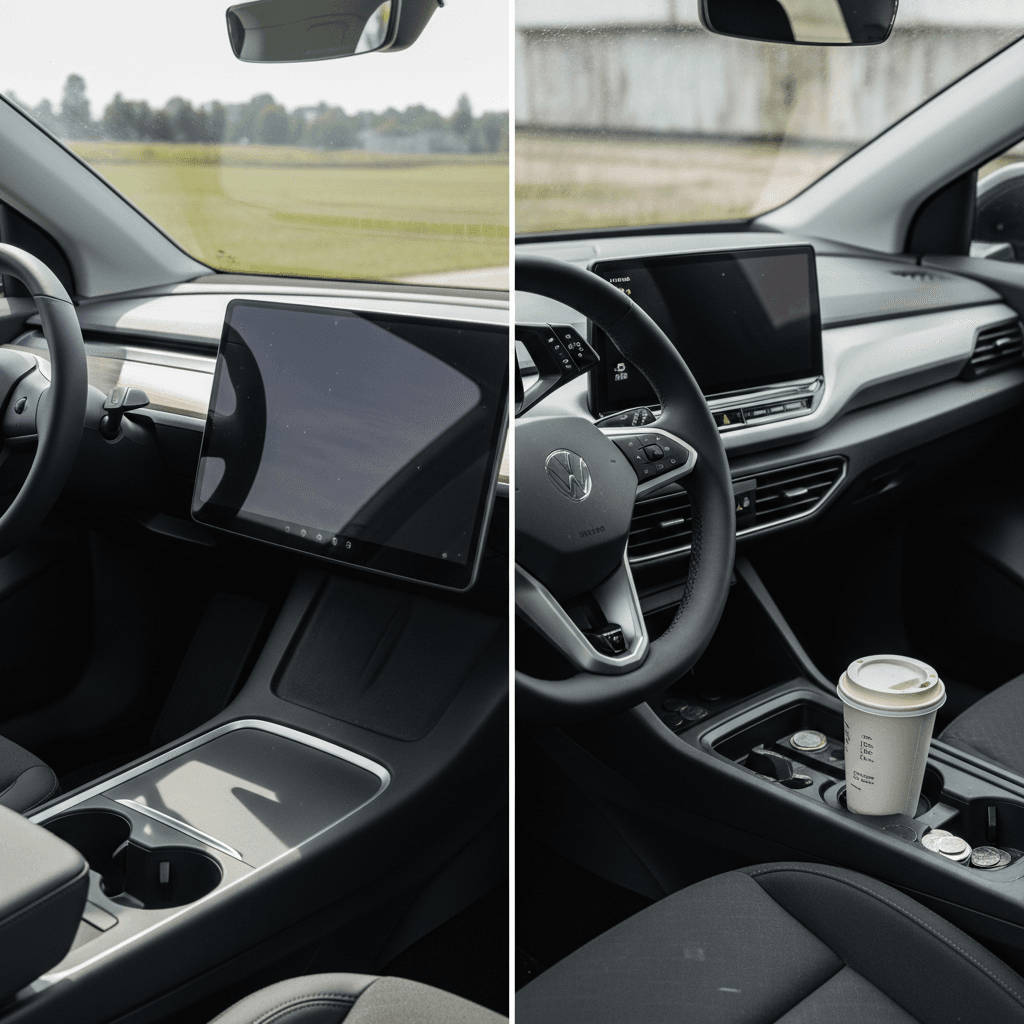
Slide from one into the other and you’d be forgiven for thinking they came from different planets. The Model Y cabin is a study in minimalism: one big screen, a steering wheel, and not much else. The ID.4 feels more like a familiar European crossover, soft seats, a conventional dashboard, and actual buttons for some functions, especially on later model‑year updates.
Cabin Personality: Which One Will You Prefer?
Because you spend more time looking at the interior than the spec sheet.
Tesla Model Y interior
- Bright, airy cabin with big glass area and optional panoramic roof.
- Rear seat space is good; optional third row on some trims, but it’s kid‑size at best.
- 15‑inch center touchscreen controls almost everything, elegant, but there’s a learning curve.
- No Apple CarPlay or Android Auto; you live entirely in Tesla’s ecosystem.
VW ID.4 interior
- Supportive seats and a softer ride give the ID.4 a more relaxed vibe.
- Rear passengers enjoy generous legroom; cargo room rivals the Model Y with the seats down.
- Modern but more conventional layout, with a digital cluster and a central screen.
- Wireless Apple CarPlay and Android Auto on most trims, great if you’re attached to your phone’s apps.
Family‑friendly pick
Driving Experience and Performance
Teslas tend to feel like performance cars that happen to be crossovers. The Model Y leaps away from stoplights with the indignation of a much more expensive sports sedan, especially in Long Range and Performance trims. Steering is quick, the ride can be firm, and the whole thing feels light on its feet. The ID.4, by contrast, prefers to soothe. Even the all‑wheel‑drive versions are more about confidence than theatrics.
Model Y: The athlete
- Very quick acceleration in all but the slowest RWD trims, plenty of instant torque for passing.
- Firm ride on 20–21" wheels, which some drivers love and others find tiring on broken pavement.
- Low center of gravity and sharp responses make it fun on a back road.
- Single‑pedal driving and regenerative braking are well tuned once you adapt.
ID.4: The cruiser
- Softer, more compliant suspension that soaks up bumps better.
- RWD models feel adequately quick; AWD Pro models finally feel properly brisk without being dramatic.
- Steering is lighter, brake feel more conventional, less learning curve for EV newcomers.
- Less wind and road noise at highway speeds than some early Model Y builds.
Test‑drive on your worst road, not your best
Reliability, Warranty and Battery Health
No EV in this class is Toyota‑Camry boring when it comes to reliability, and both the Model Y and ID.4 have had growing pains. Consumer surveys have consistently shown EVs having more issues than gas cars, and Volkswagen and Tesla both land in the bottom half of many brand‑reliability rankings. The key on the used market is not pretending everything is perfect, but understanding what you’re signing up for and inspecting accordingly.
- Tesla Model Y has improved build quality over time, but early cars can show panel‑gap and trim issues, plus squeaks and rattles.
- Volkswagen ID.4 has been subject to several software updates and recalls, including recent attention on high‑voltage battery packs; you’ll want to confirm recall work is complete.
- Across both models, the high‑voltage battery and drive unit usually prove more robust than legacy‑car components like door latches, seals, infotainment screens and sensors.
Battery recalls and safety
Battery Health Checklist for Any Used Model Y or ID.4
1. Check original battery warranty
Most Teslas and ID.4s carry an 8‑year high‑voltage battery warranty with a mileage cap. Confirm in the owner’s manual which coverage applies to the specific trim you’re considering.
2. Look at real‑world range
On a full charge, what range estimate does the car show? Compare that to the original EPA rating and adjust for temperature and driving style.
3. Scan fast‑charging history
A car that’s lived almost exclusively on DC fast chargers may show more degradation. Light fast‑charge use mixed with home Level 2 is generally ideal.
4. Get a professional battery report
Tools like the <strong>Recharged Score</strong> pull battery health data directly from the vehicle to give you an objective percentage of remaining capacity instead of guesswork.
5. Confirm recall and software status
Ask for documentation showing the latest software update and all recall work, especially on ID.4 battery systems and Tesla safety systems.
Ownership Costs and Resale Value
Once you’ve paid the purchase price, both SUVs are cheap to “fuel.” Electricity costs much less per mile than gas in most of the U.S., and there’s no oil to change. Tires, cabin filters, brake fluid and wiper blades become the main consumables. Where the Model Y and ID.4 diverge again is in resale value and unexpected visits to the service bay.
Model Y: Stronger resale, pricier repairs
- Tends to hold value better, which is great when you sell or trade, less great when you’re buying used.
- Out‑of‑warranty repairs at Tesla Service Centers can be expensive, and independent EV specialists are still catching up.
- Over‑the‑air software updates add features and improvements without a service visit, which can reduce ownership friction.
ID.4: Softer depreciation, more conventional service network
- Steeper depreciation means you can often get more car for the money on the used lot.
- Volkswagen dealer network is widespread, but EV expertise can vary store to store; ask how many ID.4s they actually service.
- If you buy after major recalls and software bugs have been ironed out, later‑build ID.4s can represent solid value.
Financing and trade‑in with Recharged
Which Used EV SUV Fits You Best?
On paper, the used Tesla Model Y wins the spec war: more range, quicker, better charging network, higher efficiency, and stronger resale. But cars are not spreadsheets; they’re rolling compromises you live with every day. The right choice depends heavily on your priorities and driving pattern.
Choose Your Path: Which One Sounds Like You?
The Road‑Trip Power User
You want to take 300‑ to 500‑mile days without thinking too hard about charging.
You prize range and charging speed more than soft ride quality.
You’re okay living fully inside Tesla’s software world (no CarPlay/Android Auto).
<strong>Best fit:</strong> Used Tesla Model Y Long Range or Performance.
The Suburban Family Hauler
Most days are school runs, errands and a 30‑ to 60‑mile commute.
You care more about ride comfort, easy controls and a calm cabin.
You’ll mostly charge at home and rarely use DC fast charging.
<strong>Best fit:</strong> Used VW ID.4 Pro or AWD Pro, ideally later‑build years with updated software and recalls done.
The Value‑Conscious First EV Owner
You want to spend as little as practical to test‑drive EV ownership.
You’re fine with 200–230 miles of real‑world range if home charging is solid.
You like familiar controls and smartphone integration.
<strong>Best fit:</strong> Well‑priced used ID.4, especially ex‑lease cars with good service history.
The Tech Enthusiast
You want the latest over‑the‑air updates and slick UI, even at the cost of a firmer ride.
You’re interested in semi‑autonomous features and constant software tweaks.
You like the idea of the car improving over time without dealer visits.
<strong>Best fit:</strong> Used Tesla Model Y, as new a build as your budget allows.
If you can stretch to it and you value road‑trip ease, the used Tesla Model Y is the stronger all‑rounder. If you’re more price‑sensitive, prioritize comfort, or simply prefer a more traditional cabin with CarPlay, a used VW ID.4 can be the smarter, calmer choice. Either way, lean on objective battery data, recall history, and a proper test drive rather than brand mythology. And if you’d like help finding a specific build, say, a later‑year ID.4 Pro S with the big battery or a Model Y Long Range that’s lived an easy suburban life, Recharged’s EV specialists can guide you from short list to driveway delivery.